





 Portuguese
  English
  Spanish
  4 min of reading
  3 comments


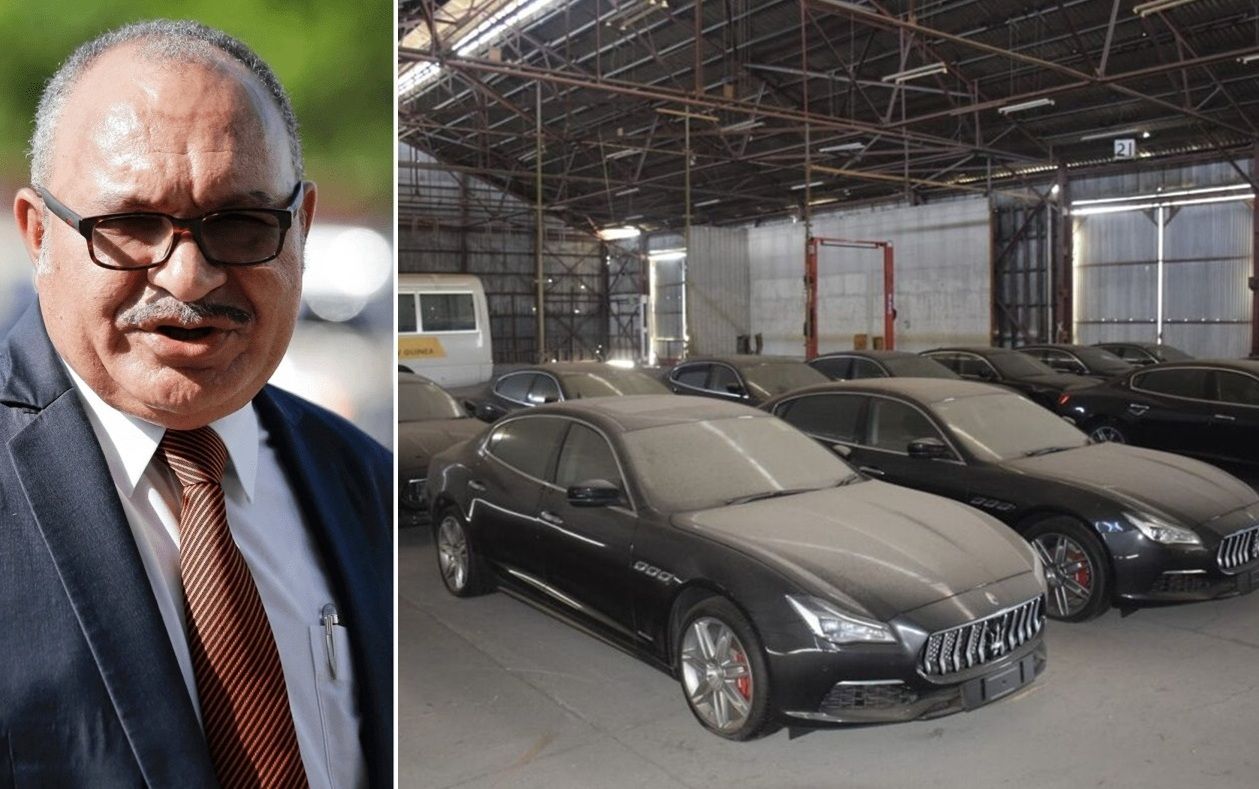


In 2018, the government of Papua New Guinea bought 40 luxury Maseratis to transport APEC leaders. The promise was to resell them after the event, but six years have passed and the cars remain forgotten.
In the heart of Oceania, the country of Papua New Guinea finds itself at a crossroads between enormous natural wealth and staggering social challenges. Despite having abundant gold, copper, and gas mines, a large part of the population lives in situations of extreme vulnerability.
It is estimated that around 40% of citizens lived on less than US$ 2 a day around 2018.
The country also faces serious governance issues, institutional fragility, corruption, and questionable efficiency in public spending.
-
These living root bridges and ladders are over 700 years old and help indigenous people survive in one of the rainiest regions in the world.

-
From sertanejo star to international investor: Ana Castela invests millions in a mansion in the USA, creates a themed accommodation in Orlando, and shows that the “boiadeira” also wants to grow away from the stage.

-
The 10 most stunning motorhomes in the world: a $3 million trailer with a rooftop nightclub and garage for a Ferrari, “palaces on wheels” with Italian marble, private cinema, and five-star hotel luxury for billionaires.
-
Trump wanted to spend $400 million on the White House, but the courts prohibited the million-dollar construction.

Amid this scenario, the decision to acquire a fleet of luxury cars for the APEC Leaders’ Summit 2018 – held in Port Moresby – provoked a strong reaction from civil society, the international press, and oversight bodies.
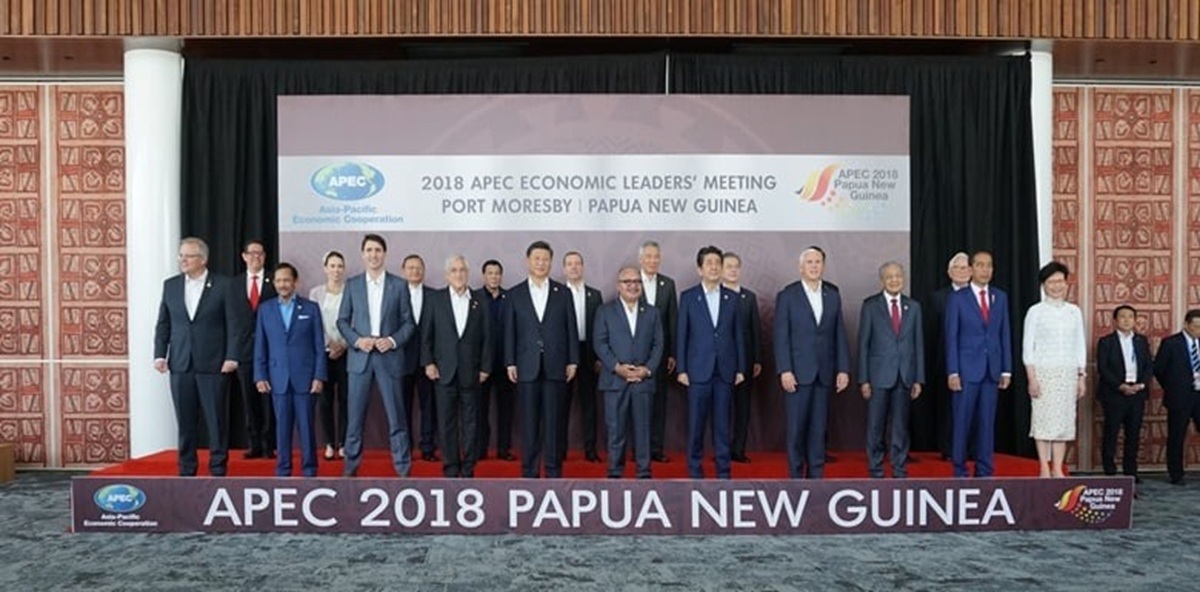
The event was enormous. Proof of this was the presence of Xi Jinping, the president of China, as seen in the image below.
The Decision and the Chosen Models
In mid-2018, the government led by Peter O’Neill negotiated the importation of approximately 40 units of the luxury sedan Maserati Quattroporte to transport heads of state and delegations during the APEC summit, scheduled for November 17 and 18 of that year.
Each car cost over US$ 100,000 (at the time’s exchange rate), and the units were transported from Milan via cargo planes. The official justification was that after the event, the private sector would purchase the vehicles, so the state supposedly would not bear the burden of the purchase.
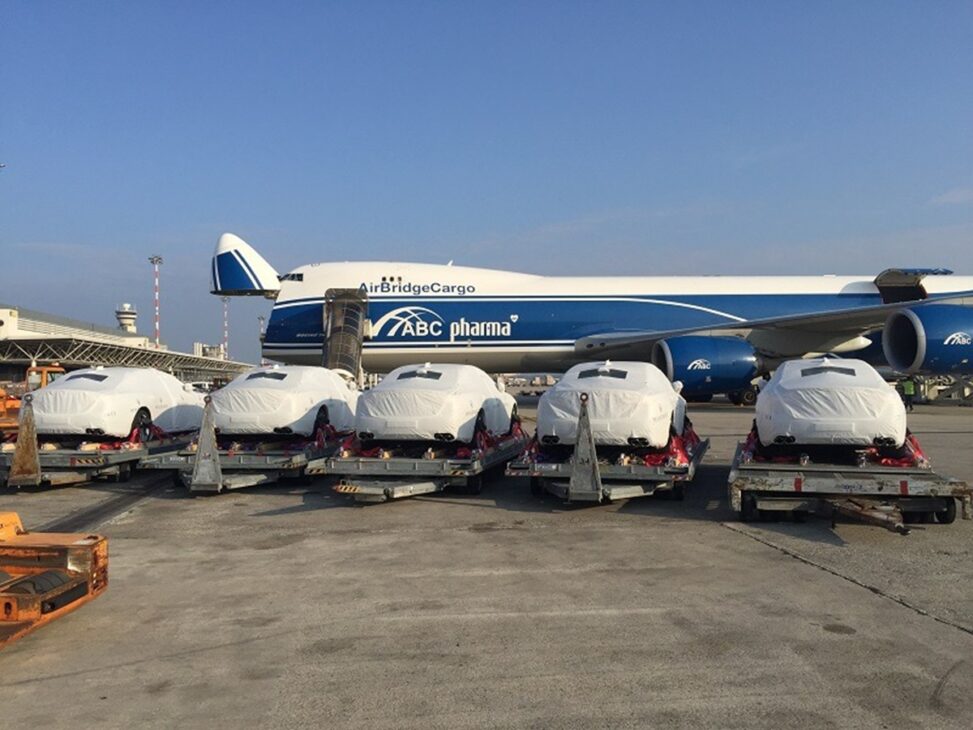
Timeline of Events
During the two days of meetings in November 2018, the cars paraded through the newly paved avenues of the capital. After the event, the government promised that the fleet would be resold to local companies, avoiding loss to the public treasury. However, this resale never materialized.
After the event, the cars were taken to a huge warehouse, covered in dust and clearly inadequate for housing luxury vehicles. The sale was supposed to be quick, but the weeks, months, and years passed – and nothing happened.
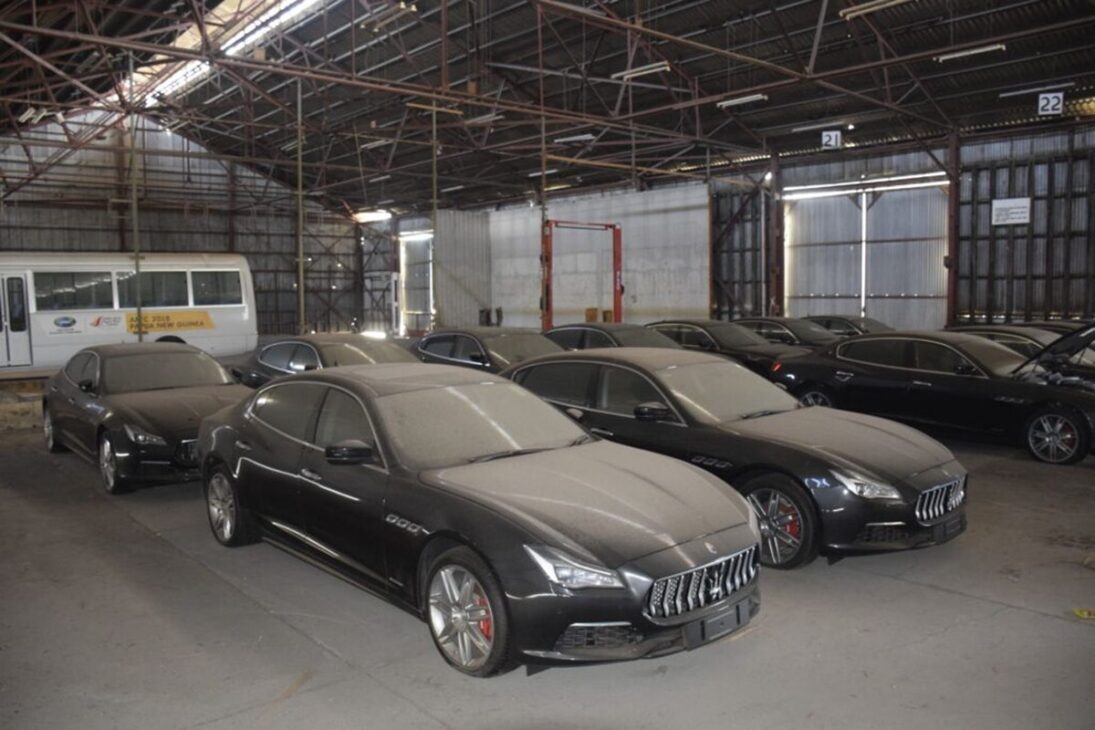
In Three Years, Only Two Were Sold
In 2021, popular and international pressure surrounding the Maserati scandal forced the government of Papua New Guinea to make an official statement.
The then Finance Minister, John Pundari, admitted in an interview with the Post Courier that the purchase of the luxury vehicles had been a “terrible mistake.”
According to him, the cars would be put up for sale at a significant discount.
Pundari acknowledged that the operation lacked planning and logic. The minister was straightforward: “If we had any foresight, the Maseratis would never have been purchased in the first place. We made a terrible mistake. If there are no Maserati dealerships in Papua New Guinea, there was no reason to buy Maseratis.”
The sight of dozens of luxury Italian cars parked on the runway of an airport in Port Moresby while the country faced a polio outbreak became a symbol of the contrast between political luxury and social reality.
The internal backlash was severe. Economist Paul Barker, executive director of the Institute of National Affairs of Papua New Guinea, labeled the purchase as an “unacceptable waste of public resources.”
In his words, the decision “demonstrates a serious lack of vision and a disappointing willingness to squander public funds in a developing country where basic goods – from roads to healthcare services – are largely unavailable or extremely precarious.”
So, What Was the Fate of the Luxury Cars?
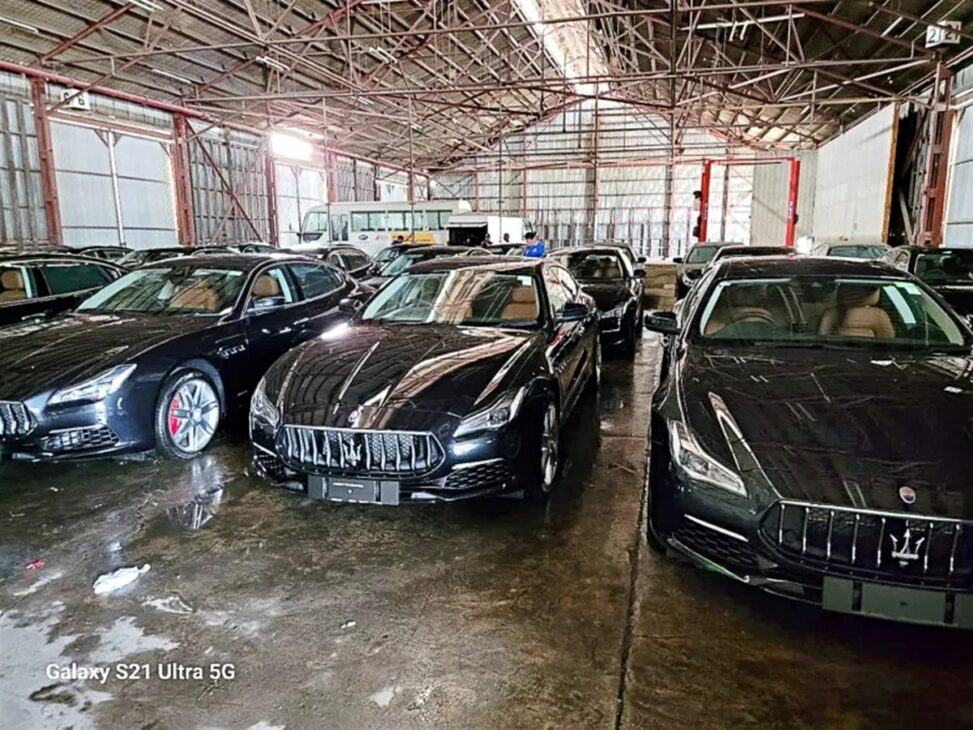
According to a report published on October 10, 2024, the government of Papua New Guinea was still trying to sell 33 of the 40 units. The units were at T-Wharf, Port Moresby, awaiting buyers.
The announcement required interested parties to pay a K500 fee for access to the sales notice, with inspections scheduled for a Saturday, between 10 a.m. and 2 p.m. local time.
In terms of value, each unit had an asking price of K500,000, or about half or less of the original acquisition cost.
Despite this effort, resale remains slow; only two units had been sold by then.
This means that the state continues to hold dozens of luxury cars, incurring storage and depreciation costs – in a context where the focus should be on health, education, and basic infrastructure.
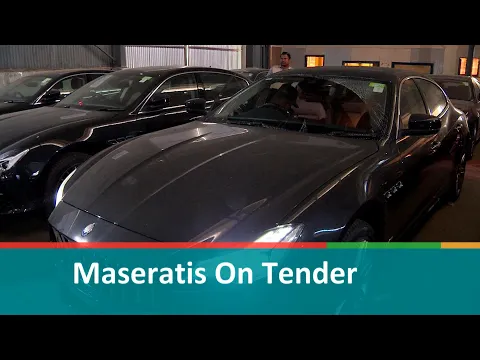

Were the Cars Sold in 2025?
Considering the date of the last reliable information, and the absence of subsequent reliable sources announcing the total sale, the conclusion is that most of the fleet still remains unsold in 2025.
In summary: although the government of Papua New Guinea has shown signs of trying to dispose of the luxury fleet – with announcements of bidding, price reductions, and resale efforts – there is no public evidence that all 40 units have been effectively sold by 2025. The case remains emblematic of a controversial investment that turned into a liability.







MUITO PARECIDO COM O PAÍS ONDE MORO, GOVERNADO POR UM BANDO DE POLÍTICOS CORRUPTOS, SEM VERGONHA E LADRÕES.
Quantas similaridades com o Br nao sei se lá e tal como aqui, o povo quer mais, torce e exige, … Temos o merecido….
E quando vai votar, vota sempre nos mesmos…