





 Portuguese
  English
  Spanish
 3 min of reading
  0 comments


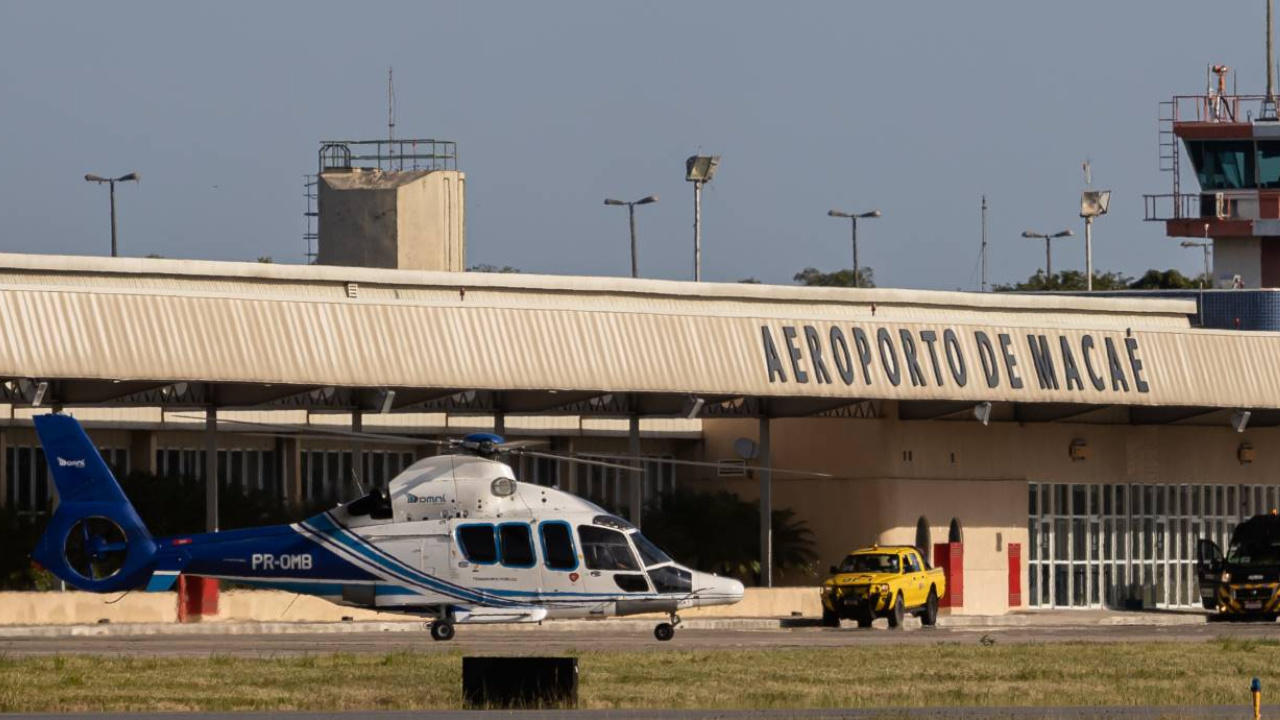
The Macaé Airport (RJ) Will Operate Exclusively with Solar Energy Starting in 2026. The Photovoltaic Plant Promises to Reduce Costs and Make the Terminal a National Reference in Sustainability.
The Macaé Airport, located on the north coast of Rio de Janeiro, is about to become an example of innovation and sustainability in the Brazilian aviation sector. The terminal began the implementation of a solar power plant that is expected to supply all its operations with 100% clean electricity starting in February 2026.
With this project, the airport positions itself as one of the first in the country to achieve energy self-sufficiency using only renewable sources. The initiative reinforces the municipality’s commitment to energy transition, drastically reducing carbon emissions and strengthening Macaé’s image as a hub for technology and environmental efficiency.
Modern Structure and Sustainable Economy Drive the Project
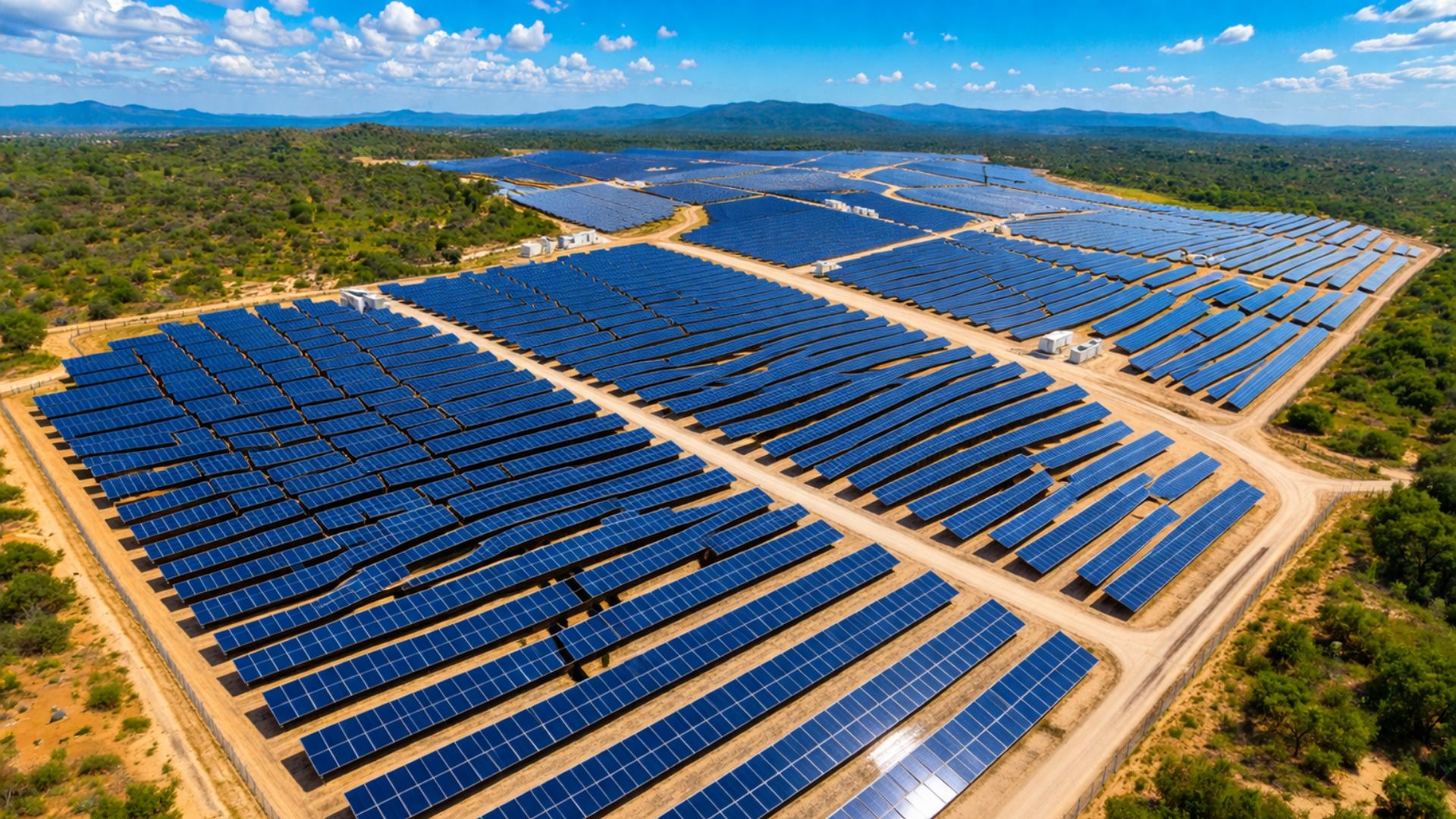
The new solar plant will have an installed capacity of 1 megawatt (MW) and will feature 1,455 photovoltaic modules distributed in a strategic area near the terminal. The estimate is that the production will be sufficient to meet 100% of the airport’s electricity demand, including lighting, air conditioning, signaling, and operational infrastructure.
-
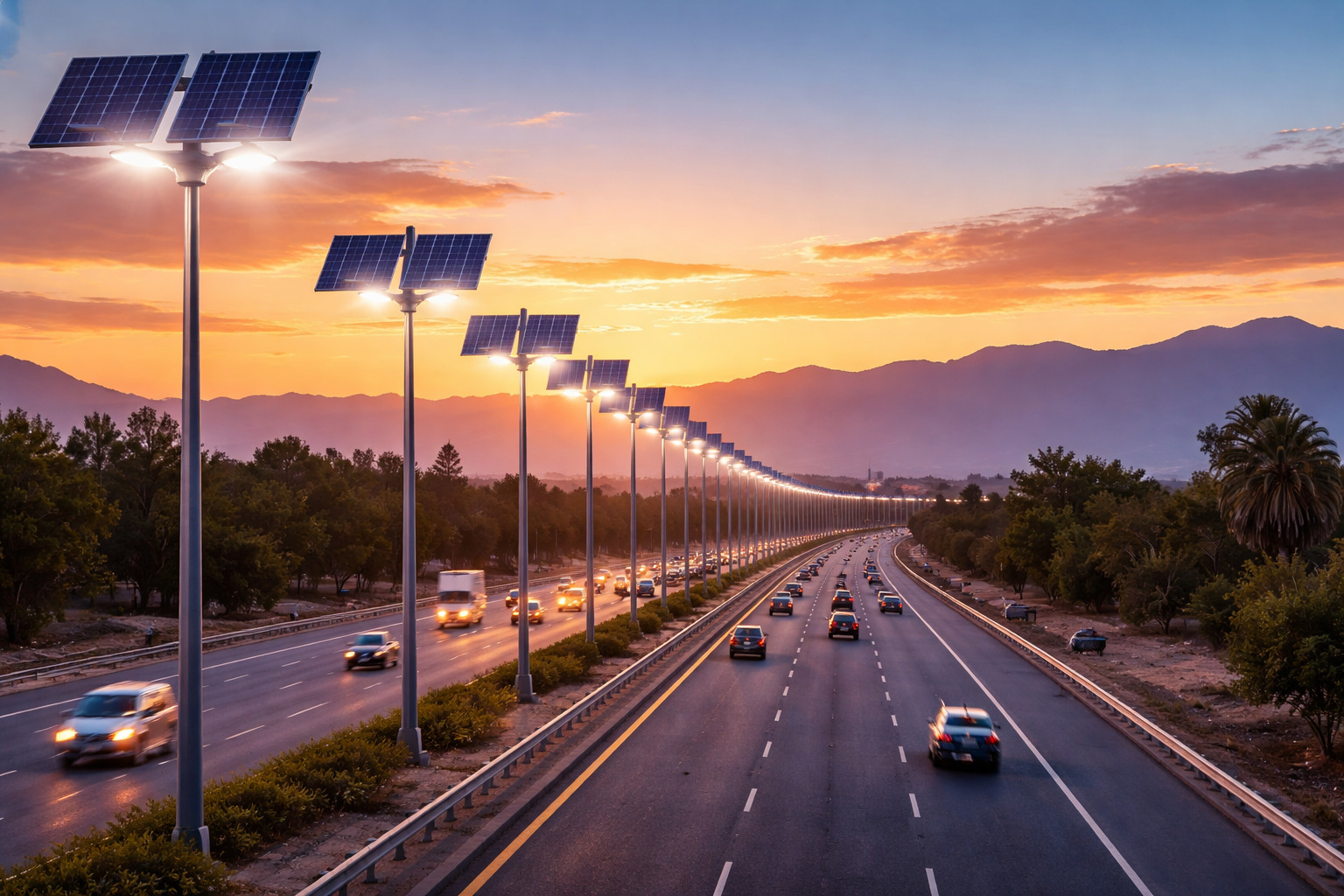
Argentina debuts its first 100% solar-powered highway and transforms an entire road into a showcase of clean energy.
-
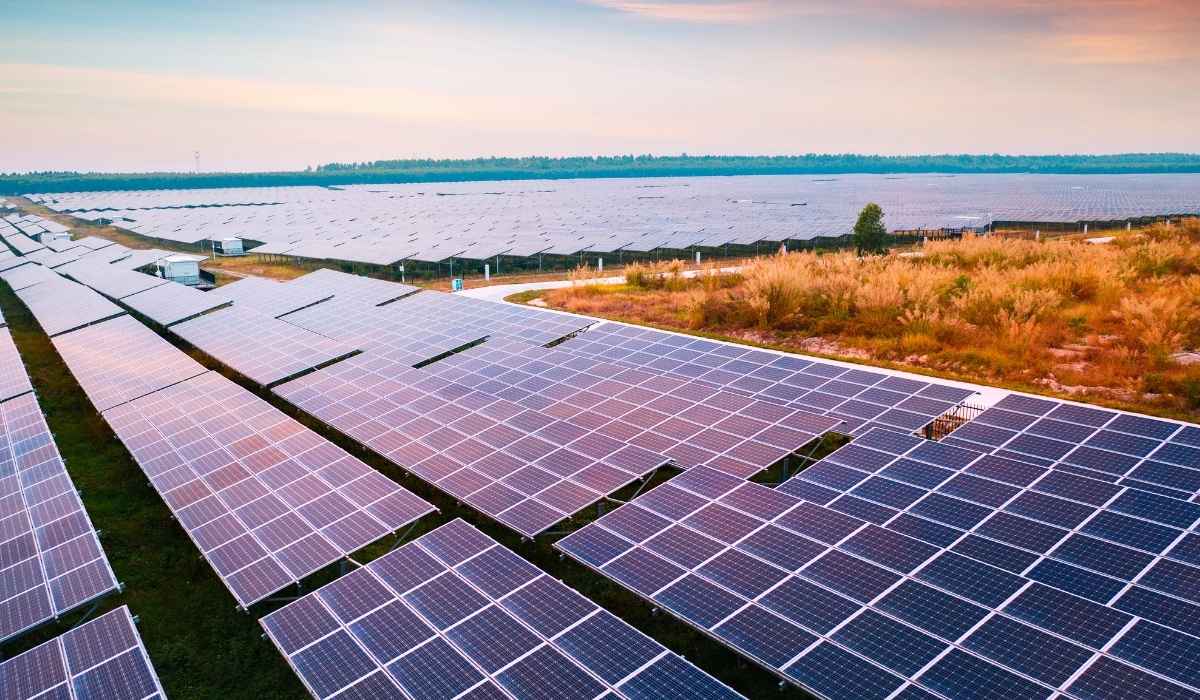
Minas Gerais reaches a historic record and surpasses the power of Itaipu, but network costs generate debate: Understand why solar energy in MG impacts the electricity bill of those without panels.
-
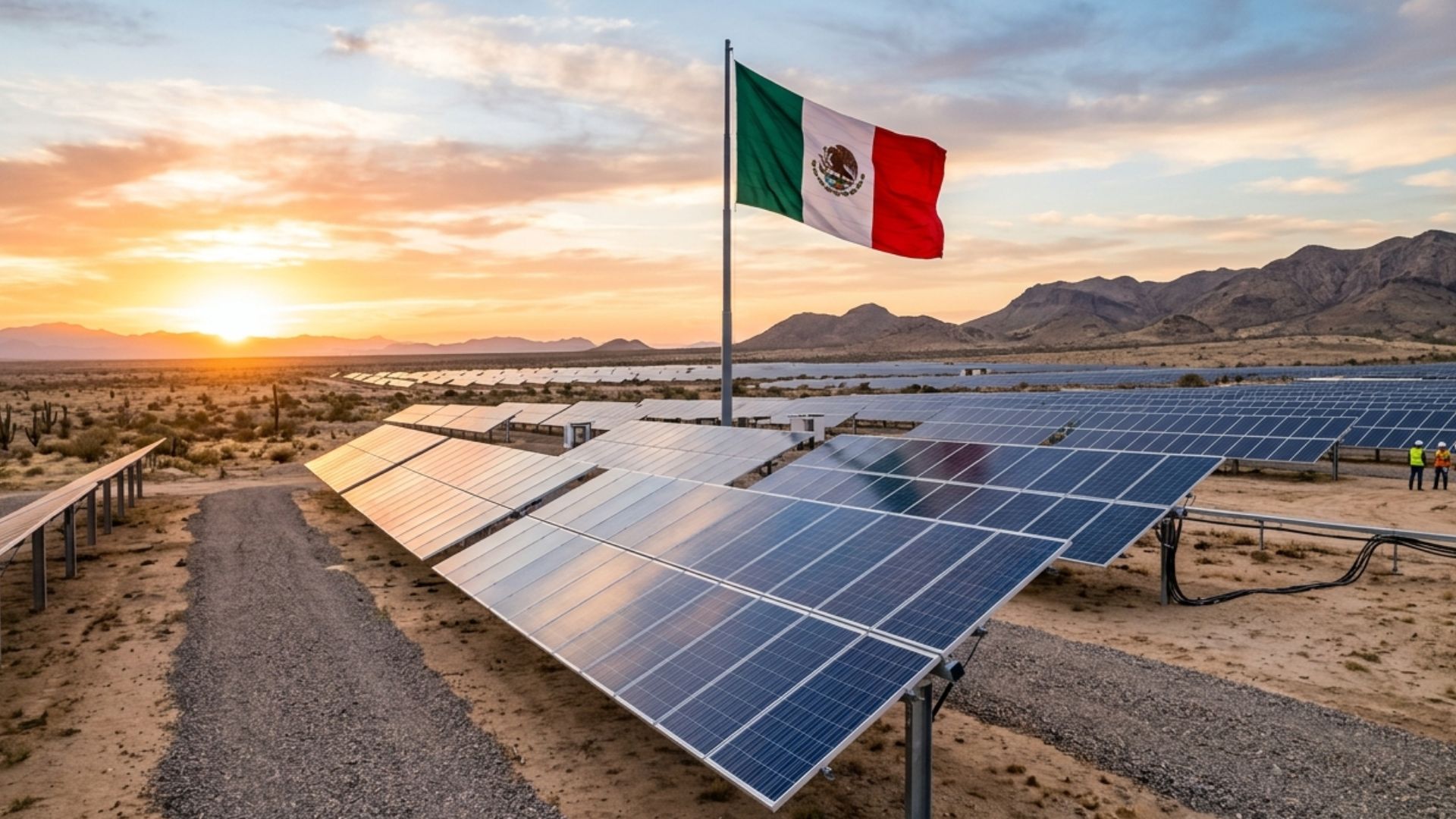
Mexico surprises the world by building the future largest solar plant in Latin America, advancing with planned expansion to over 1 GW, and boosting solar energy in the country.
-
Solar cells have just achieved the “impossible” with this 130% breakthrough.


In addition to the positive environmental impact, the project will also bring significant economic benefits. According to estimates from the terminal’s management, the adoption of solar energy will result in about 49% savings on monthly electricity costs, making operations more sustainable and financially efficient.
This initiative is part of a broader investment package at the airport, totaling R$ 220 million. The funds have been allocated to modernization works, including the construction of a new runway and improvements to the operational structure.
Solar Energy as a Trend in the Brazilian Airport Sector
The investment in solar energy in Macaé reflects a global trend of decarbonization in the aviation sector, aligned with the carbon neutrality goals set by the Airport Carbon Accreditation (ACI) — an organization that certifies airports committed to sustainable practices.
In Brazil, the adoption of photovoltaic generation systems has rapidly increased, especially among regional airports and terminals under private concessions. The pursuit of clean energy and self-sufficiency has become a competitive differentiator, reducing dependence on the traditional power grid and strengthening corporate policies focused on sustainability.
According to the Brazilian Association of Photovoltaic Solar Energy (Absolar), the country is already emerging as one of the global powers in solar energy production. In 2022, national generation reached 14 gigawatts (GW) of installed capacity — equivalent to the capacity of the Itaipu Hydroelectric Plant, one of the largest in the world.
This growth shows that Brazil not only adopts but also leads renewable solutions that combine efficiency, economy, and environmental responsibility. Projects like that in Macaé demonstrate that the future of aviation can — and must — be driven by the power of the sun.








-

Uma pessoa reagiu a isso.