





 Portuguese
  English
  Spanish
  5 min of reading
  0 comments


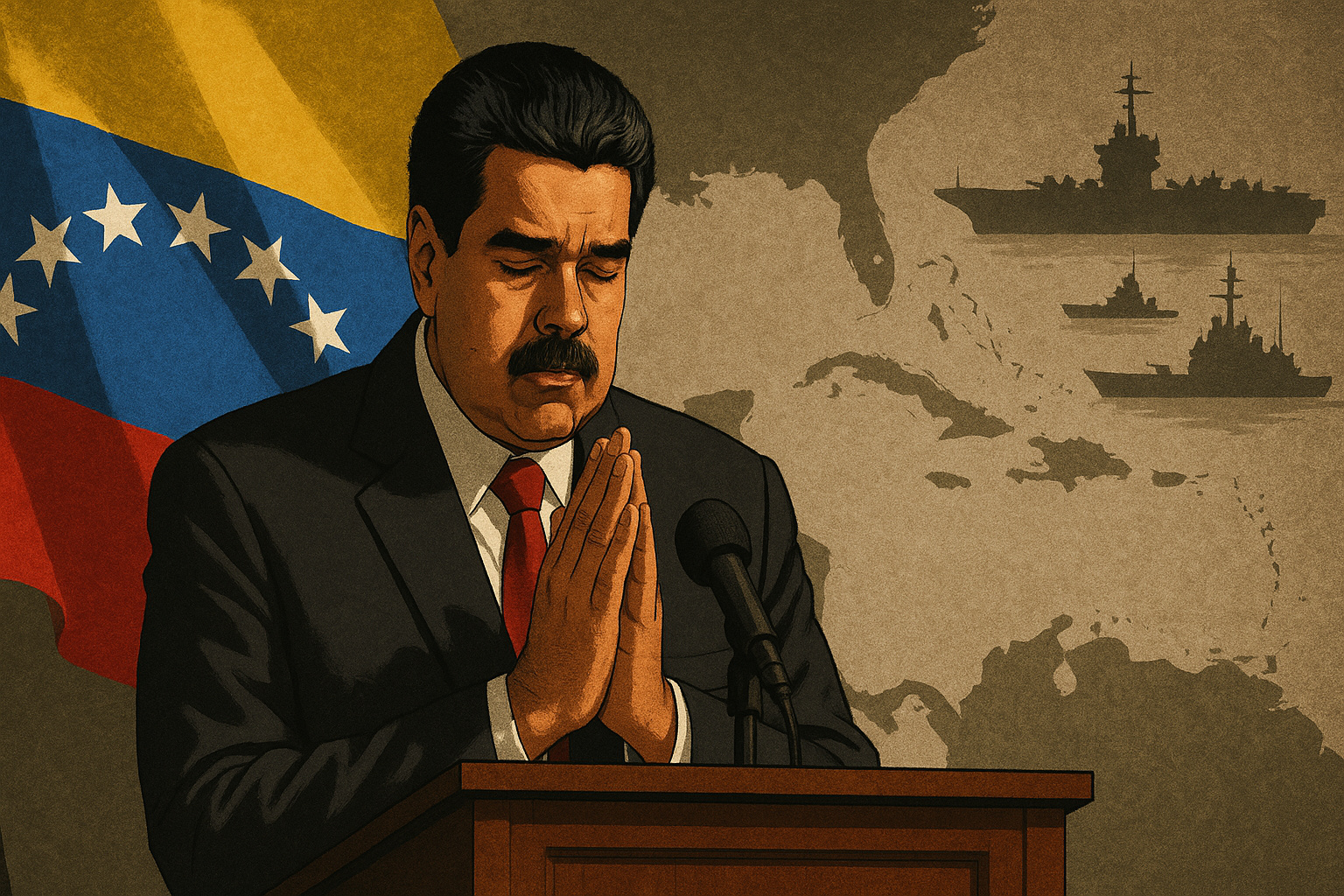
Venezuelan Leader Requests That “The Bells of Peace” Ring and Not “The Drums of War” As The U.S. Maintains Military Mobilization In The Region And The Pentagon Announces The “South Launch” Operation
The President of Venezuela, Nicolás Maduro, made a direct appeal to those he called “Christian brothers” in the United States to “let the bells of peace ring” and avoid “the drums of war.” The speech was delivered amid rising diplomatic tensions with Washington, following the announcement of a U.S. military operation in the Caribbean Sea.
During a prayer meeting for peace in Caracas, Maduro expressed concern over what he considers a possible action by the White House on Venezuelan soil. “We send our message from Venezuela to the Christians of the United States, to the Christians of our America, to carry the banner of peace, harmony, forgiveness, and the great mercy of the Lord,” stated the Chavista leader.
The ceremony, held at the Miraflores Palace, was attended by Nicolás Maduro Guerra, the president’s son and vice president of Religious Affairs for the United Socialist Party of Venezuela (PSUV), along with representatives from various Christian denominations aligned with the regime. The event, described as a “prayer for peace,” had a strong political tone and sought to convey a conciliatory image of the government amid tensions with the United States.
-
These living root bridges and ladders are over 700 years old and help indigenous people survive in one of the rainiest regions in the world.

-
From sertanejo star to international investor: Ana Castela invests millions in a mansion in the USA, creates a themed accommodation in Orlando, and shows that the “boiadeira” also wants to grow away from the stage.

-
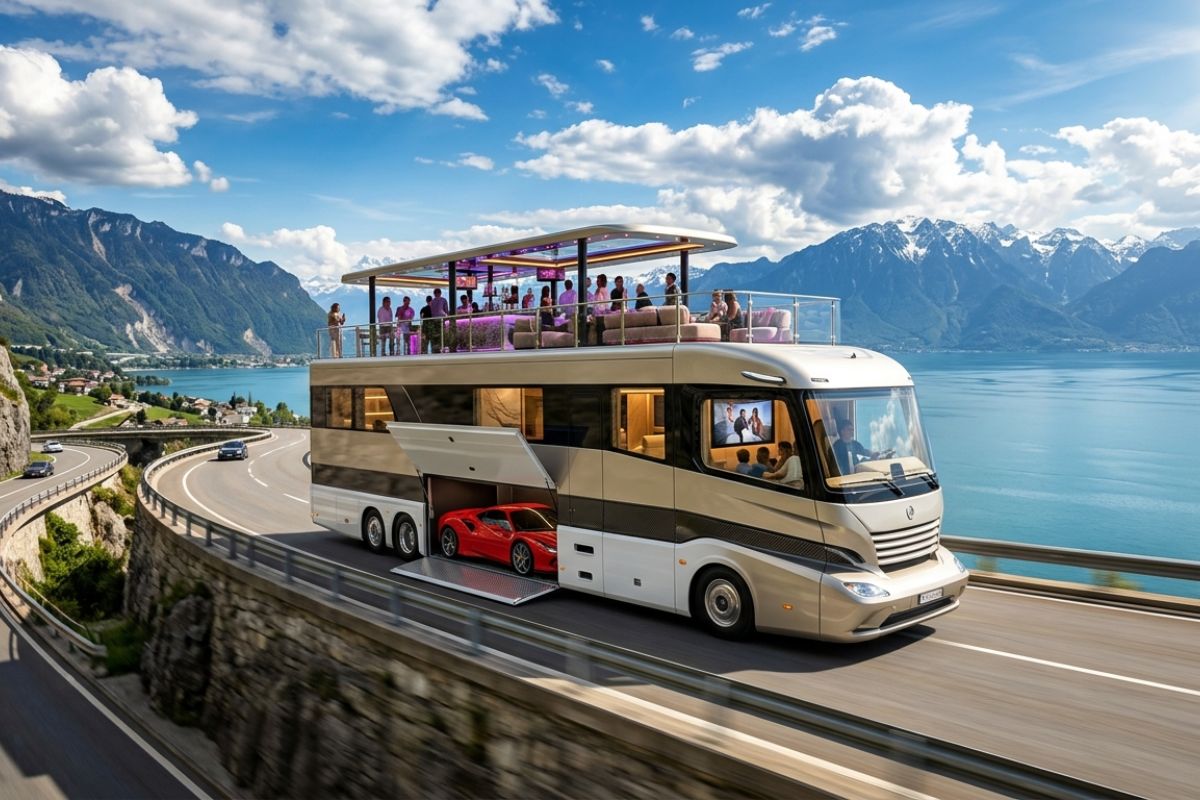
The 10 most stunning motorhomes in the world: a $3 million trailer with a rooftop nightclub and garage for a Ferrari, “palaces on wheels” with Italian marble, private cinema, and five-star hotel luxury for billionaires.
-
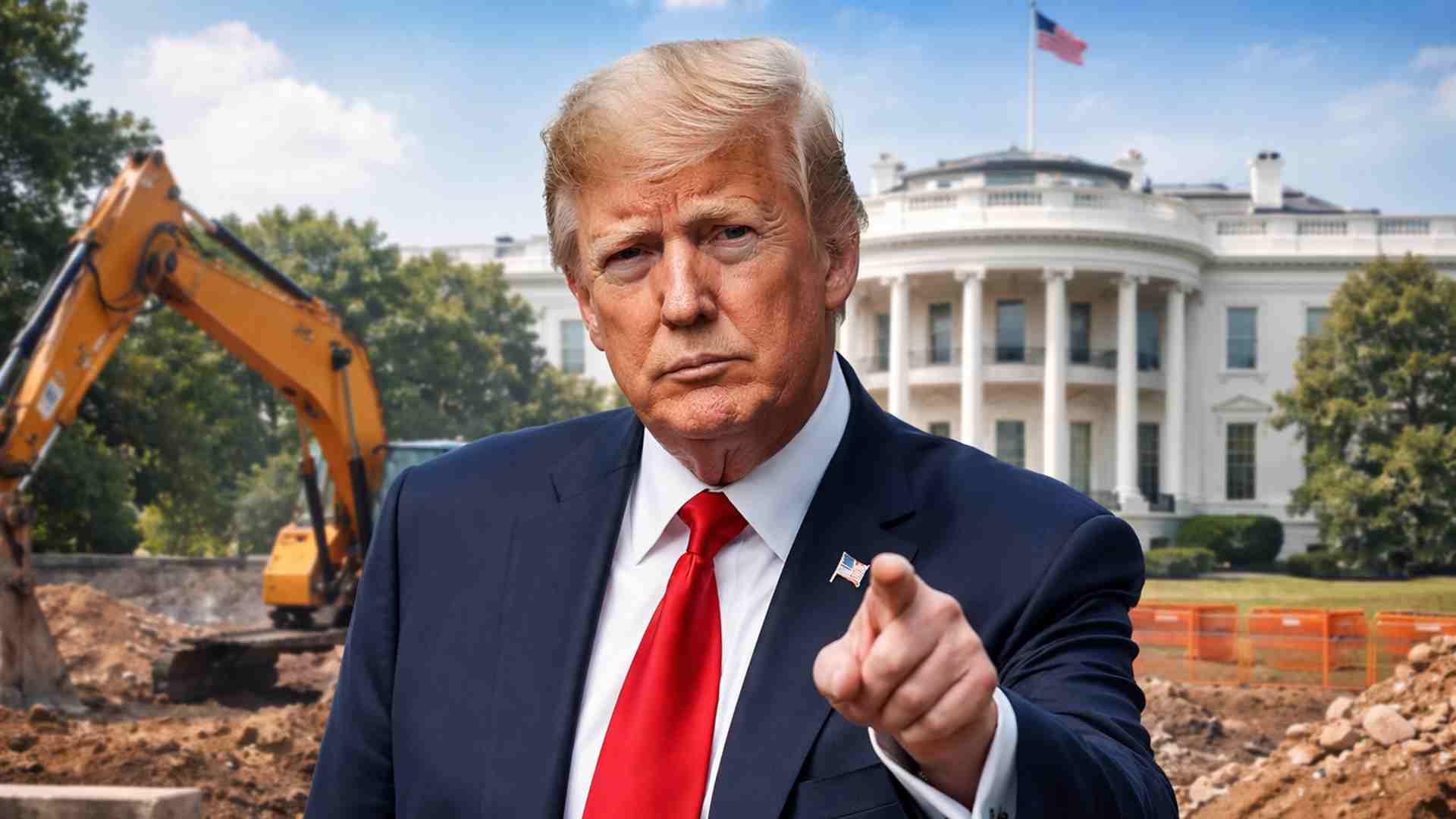
Trump wanted to spend $400 million on the White House, but the courts prohibited the million-dollar construction.

“South Launch” Operation Increases Pressure on Caracas and Triggers Alarm in Miraflores
Maduro’s pronouncement came immediately after the Pentagon announced the “South Launch” operation, officially presented as an initiative to combat drug trafficking in Latin America. However, the Venezuelan government interpreted the move as a direct threat to its sovereignty.
On the same day, Donald Trump stated that he has made a decision regarding a possible military action in Venezuela but declared that “he cannot say yet.” A few hours earlier, the Washington Post revealed that the U.S. president met with Secretary of War Pete Hegseth and other officials to discuss military strategies aimed at Venezuela.
During another official event, the Meeting of Jurists in Defense of International Law, Maduro reinforced the appeal, urging Americans to prevent “the crazed hand of those who order bombing, killing, and bringing war to South America and the Caribbean.” Without directly naming names, the speech was understood as a message to the Trump administration.
According to Gazeta do Povo, the Chavista leader’s pacifist rhetoric occurs during a time of significant U.S. military mobilization and intensified sanctions against the regime. Analysts cited by the outlet suggest that Maduro’s remarks aim to internationalize the narrative of external threat and gain religious and diplomatic support in neighboring countries.
Religious Discourse Contrasts With Reports of Persecution of Christians in Venezuela
Despite the conciliatory speech directed at the “Christian brothers” in the United States, international organizations claim that religious freedom in Venezuela has been severely restricted in recent years. Maduro’s pacifist tone thus contrasts with reports of intimidation and repression against religious communities within the country.
Last month, the Committee for the Freedom of Political Prisoners reported that members of groups known as “Chavista collectives” had assaulted and threatened worshippers attending a mass in Caracas. The celebration aimed to pray for the release of political prisoners and to honor Venezuelan saints José Gregorio Hernández and Carmen Rendiles.
According to reports, after the mass concluded, about 20 unregistered motorcyclists — identified as members of these groups — surrounded participants and intimidated family members and defenders of political prisoners who were leaving peacefully. The actions, denounced by the NGO, reinforced the atmosphere of intolerance and ideological control in the religious activities of the country.
Reports Indicate Censorship and Intimidation of Religious Leaders
The Open Doors NGO, an international organization monitoring religious persecution in various nations, published a report indicating that Venezuela is one of the Latin American countries where freedom of worship is most threatened. According to the organization, Venezuelan authorities do not tolerate criticism of the regime during sermons or church activities, especially in election periods.
According to the survey, pastors and religious leaders who refuse to publicly support the government are victims of retaliation, such as power cuts, persecution, and threats. A pastor interviewed by the NGO reported receiving a visit from a representative of the United Socialist Party of Venezuela (PSUV) shortly before the elections, with a promise of benefits for churches that supported the government.
“I have never gotten involved in politics, despite having my convictions. My mission is to bring the message of hope and the teachings of Christ,” stated the religious leader, who requested anonymity for safety reasons. According to him, days after refusing the offer, the church had its power cut and the main cable ripped out. Other leaders who also rejected similar deals reportedly faced similar punishments.
Political and Diplomatic Context Expands Uncertainties
These episodes occur in a context of growing geopolitical tensions. The government of Donald Trump maintains a firm stance against the Chavista regime, while Maduro tries to project an image of a “peacemaking leader” to the international community.
The information was reported by the Gazeta do Povo, based on official statements and reports from civil organizations monitoring the political and religious situation in Venezuela. Experts in international relations assert that the Chavista religious discourse aims to gather internal and external support, especially among Latin American countries with a strong Christian base.
Meanwhile, the “South Launch” operation continues in the Caribbean, and the atmosphere between Washington and Caracas remains unstable. The expectation is that new statements from both governments will occur in the coming days, potentially defining the course of diplomatic relations in the region.






Seja o primeiro a reagir!