





 Portuguese
  English
  Spanish
  6 min of reading
  0 comments


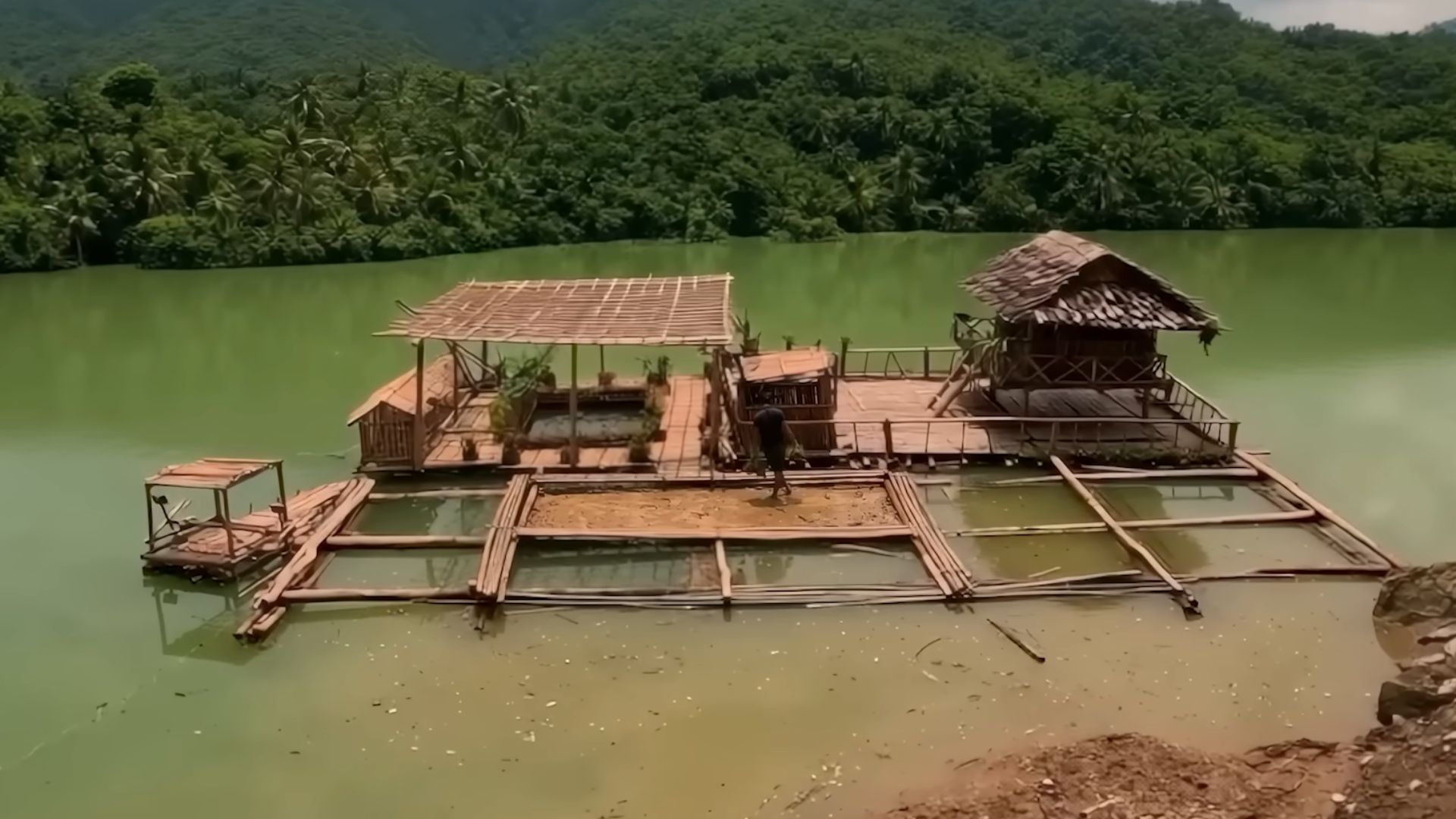
Voluntary Isolation, Handicraft Techniques, and Full Use of Natural Resources Mark the Routine of a Man Who Spends a Year Building a Floating Village in a Remote Lake, Growing Food, Raising Animals, and Developing Own Solutions to Survive.
A man left civilization to live alone in an isolated area of rainforest in Vietnam and spent a year building, with his own hands, a floating village on a remote lake.
Without supply lines and using only simple tools, he erected a house over the water, set up a garden, installed a fish farm, captured chickens for breeding, and, months later, brought a floating rice paddy to harvest, facing heavy rains, constant winds, and the ongoing risk of wild animals approaching the shelter.
From the start, the goal was clear: to create a self-sustaining base capable of rising and falling with the lake’s water level, without depending on external support. Building on the water was a strategic decision.
-
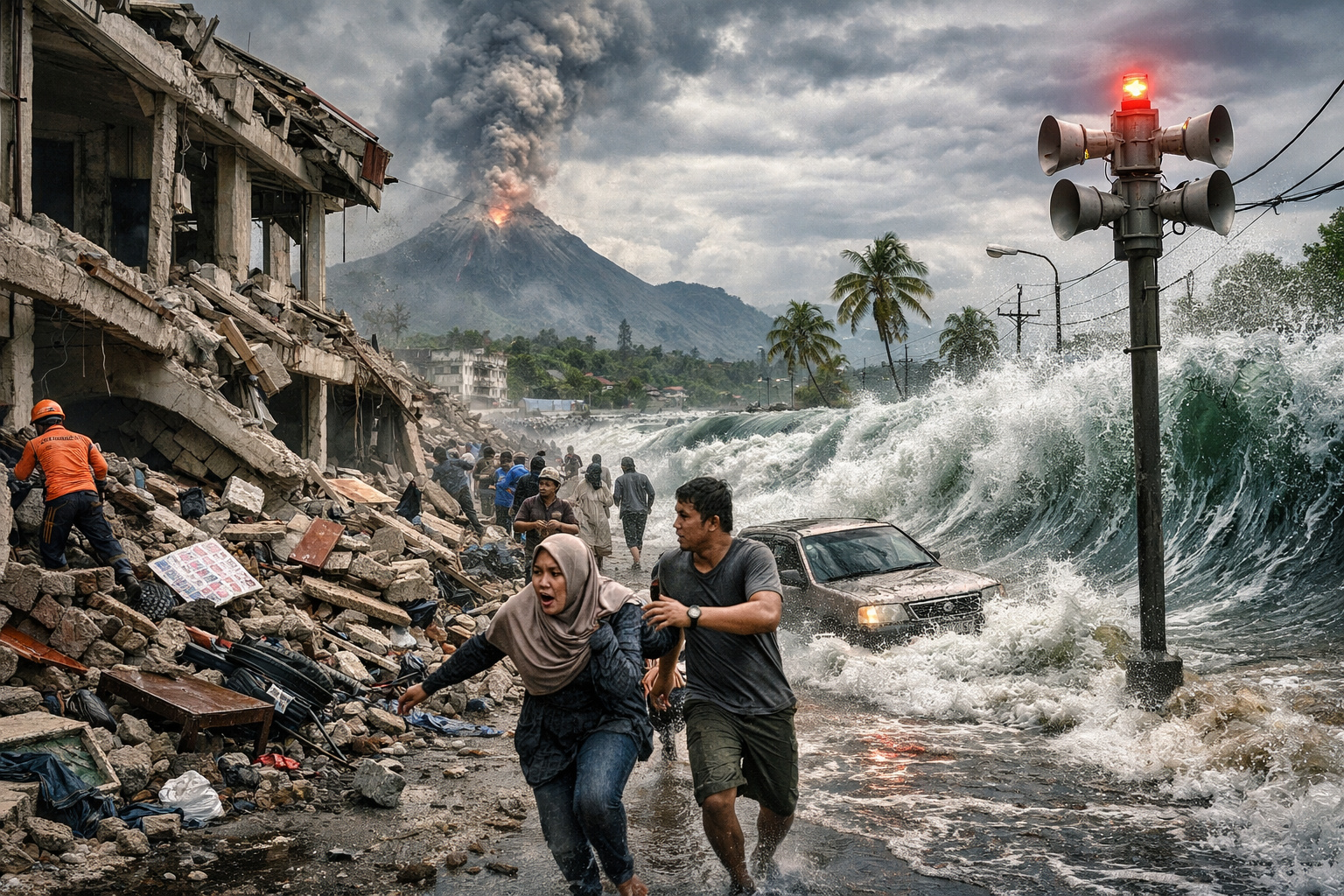
A strong earthquake in Indonesia affects houses and schools, causes panic, triggers a tsunami alert, and records a rise in sea level of up to 30 centimeters in some areas.
-
The Argentine government celebrates the lowest poverty rate in 7 years, but experts warn that the methodology has changed, real wages have fallen, unemployment has risen, and the number of people on the streets of Buenos Aires has increased by 57% since Milei took office.

-
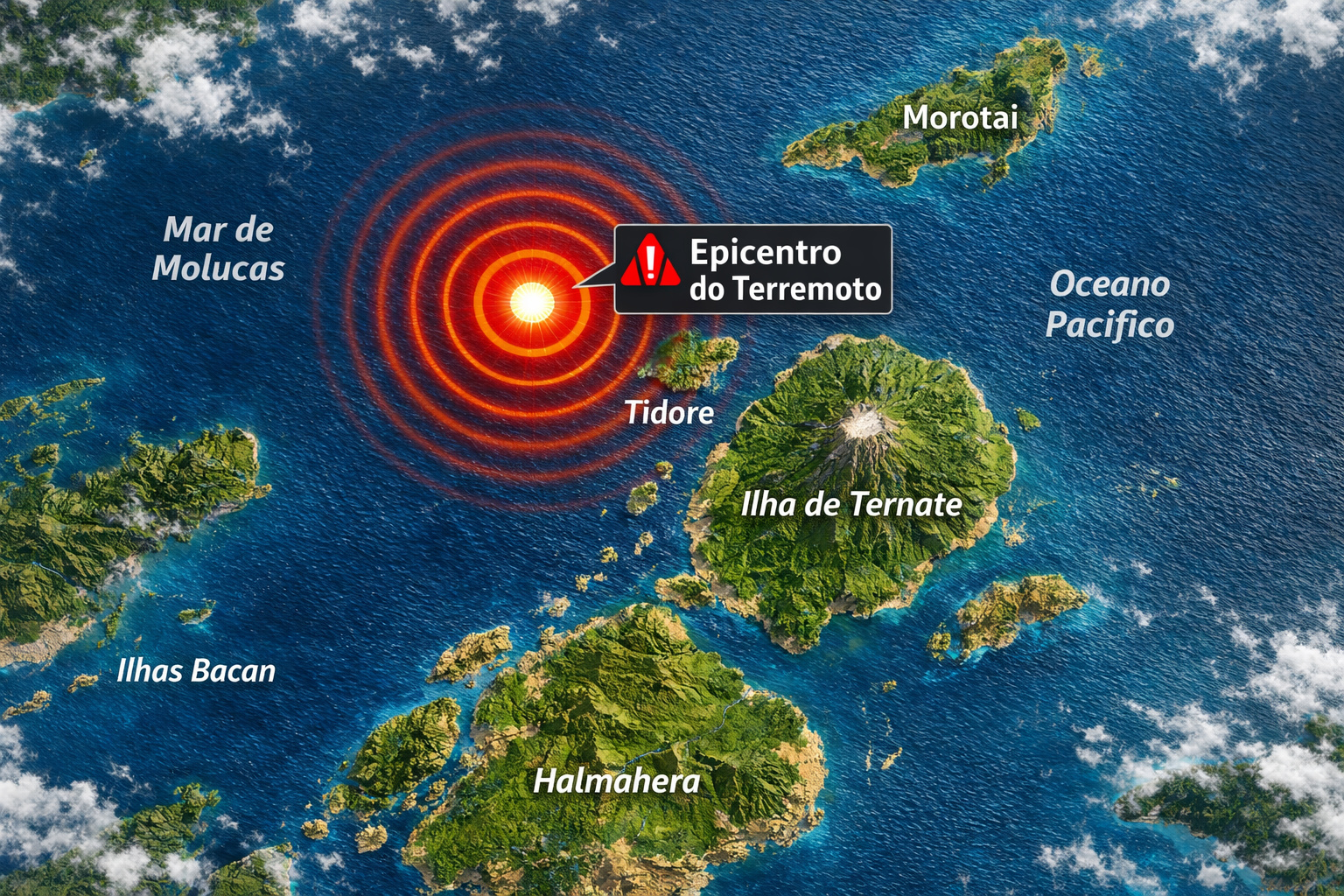
7.8 magnitude earthquake in Indonesia frightens the population, triggers tsunami alert, and hits an island with over 200,000 inhabitants this Thursday.
-
Google will finally let you change that embarrassing Gmail address you created in your teenage years without losing any accounts, logins, or old emails: the feature is already available in the United States.


With the arrival of the rainy season, animals like pythons would seek dry areas, and a shelter on solid ground could become an easy target.
Additionally, the floating platform would allow for transporting heavy materials with less effort, using the lake itself as a means of transportation.
Floating Construction with Bamboo in Forest Area
The first challenge was to find a viable location.
The initial shore was too steep and rocky to support any structure, which led him to move with his dog to a flatter stretch.

There, a sandbank became an improvised workshop and starting point for construction.
From that moment on, bamboo became the central material for the project, chosen for being abundant, durable, and naturally buoyant.
To join the pieces, he transformed the bamboo itself into ropes, splitting the fibers until dense and flexible strips were obtained.
The structure began to take shape with special attention to moisture, as keeping the floor elevated was essential to ensure durability and habitability.
In the assembly, he resorted to traditional joinery techniques, completely avoiding the use of nails or metal pieces.
Square holes and wooden dowels ensured firmness and strength, resulting in a solid frame assembled solely with local resources.
Handmade Roof and Protection Against Heavy Rains
Without a workshop and without power tools, the work progressed with a knife, a saw, and a small hammer.

Caring for these tools was part of the routine, as any damage could compromise the continuity of the work.
With the main structure ready, he installed bamboo slats on the roof to support tiles made from the same material, carefully flattened by hand.
The volume of pieces quickly became a logistical challenge.
Raising hundreds of kilos to the top required more than brute strength.
The solution came in the form of a lever crane built entirely from bamboo, capable of drastically reducing physical effort.
On the roof, the overlapping tiles directed rainwater away from the structure, protecting the interior.
Inside the shelter, smaller logs formed an elevated floor, creating a dry space to sleep and store supplies.
With this, the main platform began to be expanded, gaining stability and making room for new functional areas.
Move to a New Location and Start of Food Production
With the foundation built, survival now depended on a regular food source.
Up to that point, the lake provided mainly clams, insufficient to sustain the project long-term.
Freshwater came from a nearby waterfall, but the food supply needed to diversify.
After about three weeks, he decided to move the entire structure in search of a section with deeper water and greater fish presence.
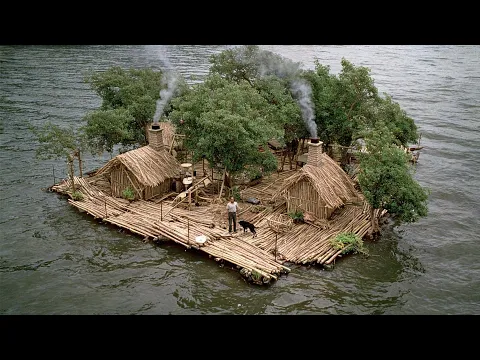

The new location had abundant wood and bamboo, which facilitated reinforcing the platform and building a stronger shelter before the rainy season advanced.
The text also places the experience within a historical context.
For centuries, communities in Southeast Asia have lived in floating villages and mastered bamboo construction techniques, creating entire towns over the water.
Floating Garden, Kitchen, and Artisanal Fishing
The raft ceased to be just a shelter.
Hollow logs began to function as planters, while dark, nutrient-rich soil was collected to serve as natural fertilizer.
Pepper, ferns, and a banana tree started to grow directly on the platform.
In parallel, he built a covered kitchen, designed to withstand the rain and allow for safer food preparation.
To improve fishing, he crafted a handmade spear and then a diving mask.
Visibility underwater was crucial, as a wasted shot could mean losing the only meal opportunity of the day.
Pedal Boat, Fish Farming, and Raising Animals
As the structure grew, mobility became an issue, and the raft became too heavy for quick movements.
Faced with this limitation, he built a small pedal boat designed to transport bamboo, gather resources, and explore further areas of the lake.
The simple system worked, and the boat received a rudder and control lever to ensure directional control.
In the next expansion of the platform, he intentionally left a central opening.

In this space, he installed a bamboo pool that, filled with water from the lake, would become a self-sustaining fish farm.
Earth protein also entered the planning.
After building a cargo backpack, he began to explore the continent and set traps on a clean trail, free of spider webs or debris, used by wild chickens.
Capturing a pair marked the beginning of raising them over the water.
The goal was not immediate consumption but to allow reproduction and establish a stable food source, supported by an elevated chicken coop built on the platform.
Passive Fishing, Floating Rice Paddy, and Manual Harvest
Over time, he refined the fishing traps, creating fixed and portable versions, as well as a lifting net, a passive method used for centuries.
The net floated just below the surface and was raised all at once when the fish gathered.
The handmade pulleys worked as planned, ensuring efficient fishing and marking the first meal made entirely from food produced within the system.
The most ambitious project came next. He began building a floating rice paddy, taking advantage of the rainy season.
Banana leaves formed a waterproof base, while the soil was enriched with organic compost and charcoal from the stove.
The rice was planted and cared for over months. The harvest required a series of hand tools, from boxes to loosen the grains to pestles, foot-operated hammers, and trays for winnowing.
At the end of the process, he recorded: “Rice made by me. The most rewarding meal so far.”
Bees, Final Adjustments, and Self-Sufficient Life

As production advanced, another challenge arose. Without pollinators, flowering plants would not produce fruit.
He located a wild beehive and built a new box with removable frames, allowing him to harvest honey without destroying the structure.
By transferring the queen, the entire colony followed her, ensuring pollination for the garden and a new food source.
In the final stages, he expanded the garden, brought soil and young wild vegetables, and created a bed of dry straw to prevent soil loss.
Over time, this material would turn into natural compost.
The fish farm went into operation, and the catfish raised for months were harvested.
The preparation was special.
Instead of a stove, he smoked the fish in a handmade vertical smoker, seasoning it with herbs from his own garden.
The routine also included unforeseen events, such as the temporary disappearance of two kittens, which were searched for and safely brought back.
At the end of the year, worn-out items were replaced, and a new table and a bamboo cup brought more comfort to the space. Life on the raft ceased to be merely survival.
It became the daily maintenance of a self-sufficient home, integrated with nature and sustained by the very ecosystem created there.
What other simple solutions, based on local materials and manual labor, could enable more people to create systems capable of sustaining a lifetime in isolated environments?




-

-

3 pessoas reagiram a isso.