





 Portuguese
  English
  Spanish
  4 min of reading
  1 comment


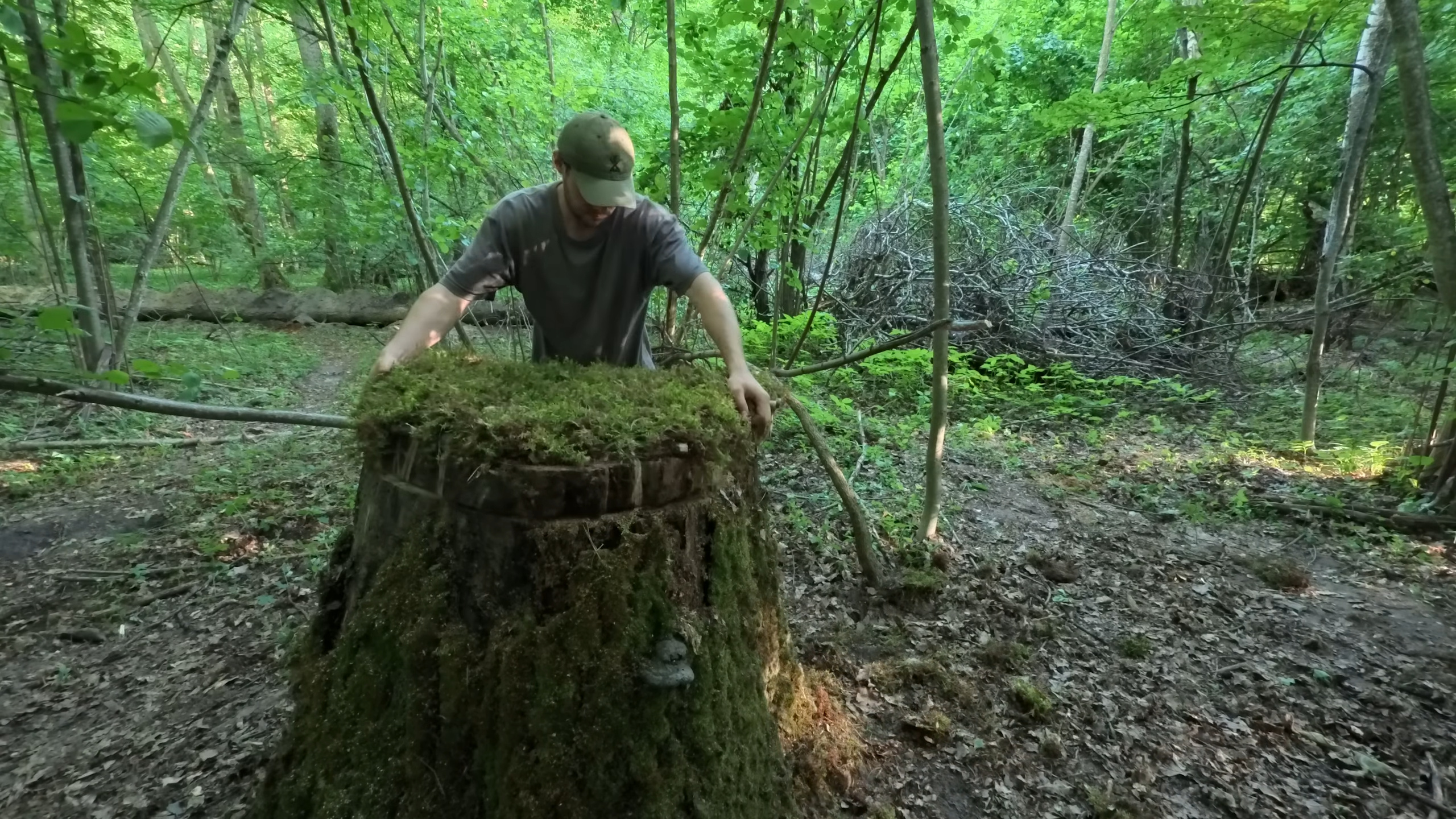


In The Heart Of The Forest, Polissya Bushcraft Builder Raises A “Secret” Underground Cabin With Logs, Clay, And Moss, Without Machines.
Amidst the dense forest of the Polissya region in Eastern Europe, where the soil is moist, the vegetation is dense, and large trees dominate the landscape, a solitary builder decided to create something that goes unnoticed even by those walking just a few meters away. The mastermind behind the project is the Polissya Bushcraft channel, known for showcasing silent builds, made step by step, without narration and without technological interference. This time, the proposal was ambitious: to construct a fully camouflaged underground cabin, hidden beneath a large tree, using only natural materials and basic hand tools.
Hand Digging And Strategic Site Selection


The construction begins with selecting the exact point. The tree is not there by chance. In addition to aiding visual camouflage, it provides natural protection against direct rain and contributes to the stability of the surrounding soil.
The digging is done entirely by hand, respecting the natural compaction of the earth. Instead of creating vertical walls, the internal space takes on soft, slightly sloped forms that help distribute soil pressure and reduce the risk of collapse.
-
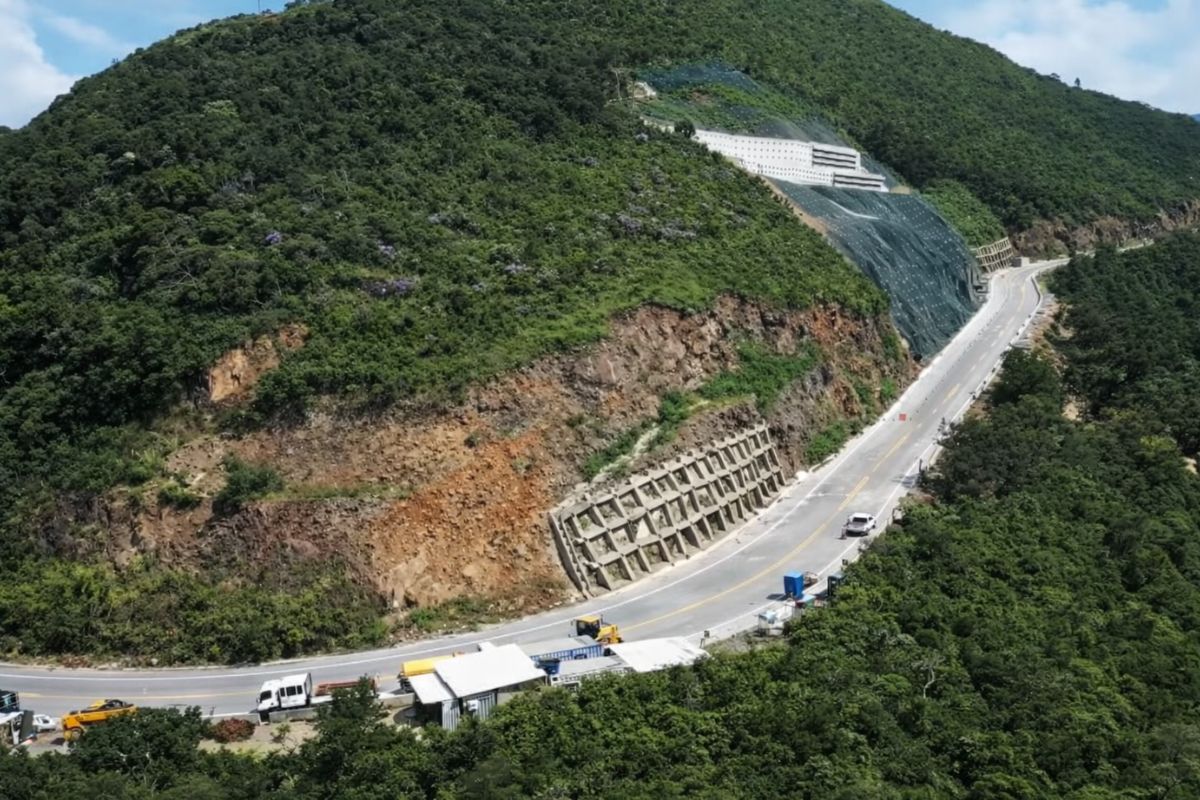
The section of Serra da Rocinha on BR-285 is now open in Timbé do Sul: 50 m tensioned curtains and top-down technique stabilize the slope, with a stairway duct controlling the water.
-
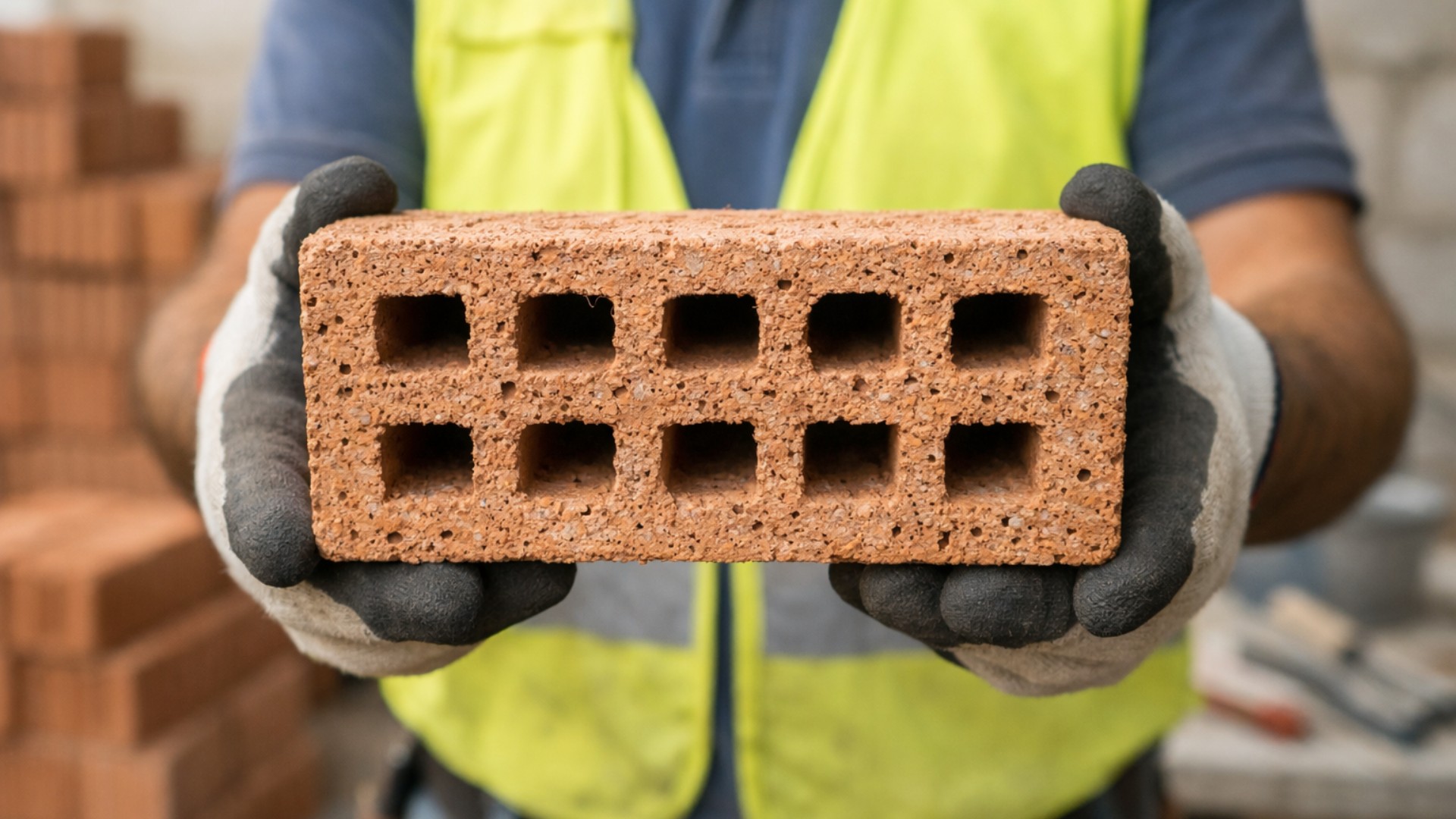
Scientists use sawdust mixed with clay to create a lighter brick, promising efficient thermal insulation and impressing by transforming waste into a solution for construction.
-
With a DNA shape, this bridge in Singapore draws attention in modern architecture and surprises tourists by transforming a simple crossing into an unforgettable visual experience in the urban heart.

-
Giant underwater pipeline begins to take shape with a R$ 134.7 million project at the Port of Santos: the 1.7 km structure uses 12-meter and 700 mm pipes to supply water to 450,000 people in Guarujá.


This type of underground shelter follows ancient survival principles: dig less, observe more, and let the terrain itself help support the structure.
Structure Of Dry Logs Forming The “Skeleton” Of The Cabin
After the excavation, the structural part comes into play. Dry logs collected from the forest are used to form the internal skeleton of the cabin. They function as beams and struts, creating a mesh capable of supporting the weight of the soil that will be placed on top.

There are no nails, screws, or any industrial elements. The fittings are made with simple cuts and manual adjustments, ensuring that the wood works with the soil, not against it.
This technique reduces the need for artificial reinforcements and allows the structure to adapt to small natural movements of the ground.
Earth Roof? The Tree As A Roof And Natural Waterproofing
The roof is one of the most critical parts of the project. On top of the structural logs, the builder applies layers of natural materials in sequence.

First, a layer of bark, which acts as the primary waterproofing. Next comes clay and compacted soil, finished with vegetation cover. This system creates a true “living roof,” capable of absorbing water, distributing load, and restoring the original appearance of the soil.
From the outside, the cabin simply disappears. What is visible is ground, leaves, and roots, with no obvious sign of construction.
Moss Insulation And Natural Thermal Comfort
Inside, natural moss plays a fundamental role. It is used as insulation between layers of clay and wood, helping to control humidity and temperature. In cold regions, this type of insulation maintains internal warmth.
On warmer days, the underground environment remains cool. The result is a surprisingly comfortable shelter, even without any modern climate control source.
This technique was widely used in traditional structures in cold and forested regions long before the existence of industrial insulators.
A Clay Beehive Molded By Hand
In addition to the main cabin, the video shows the construction of a large clay structure in the shape of a beehive, molded directly on site.

The process is slow, repetitive, and requires patience. The clay is applied in layers, molded by hand, and left to dry gradually. This structure can serve as an oven, thermal space, or multifunctional element, taking advantage of the clay’s ability to store and release heat gradually.
Once again, what stands out is the complete absence of haste: each step respects the material’s timing.
Silent Construction, No Speech And No Machines
One of the most striking aspects of the Polissya Bushcraft video is its format. There are no spoken explanations, artificial background music, or quick cuts.
The viewer only follows the real sounds of the work: the shovel entering the soil, the friction of the wood, the clay being molded. This reinforces the feeling of immersion and highlights the physical and technical effort involved in each step.

This approach transforms construction into an almost meditative experience and highlights the real viability of these ancestral techniques.
Why This Type Of Underground Cabin Gathers So Much Attention
The secret cabin built by Polissya Bushcraft goes viral because it directly confronts the logic of modern construction. Instead of concrete, steel, and machines, it relies on earth, wood, moss, and empirical knowledge.
Instead of visibility, it chooses complete anonymity. The shelter does not want to be seen, photographed, or displayed and that is precisely what makes it so fascinating.
In the end, the project shows that, even in the 21st century, ancient techniques remain extremely effective when applied with precision, patience, and respect for the natural environment.








Fascinating, well done.