





 Portuguese
  English
  Spanish
  5 min of reading
  0 comments


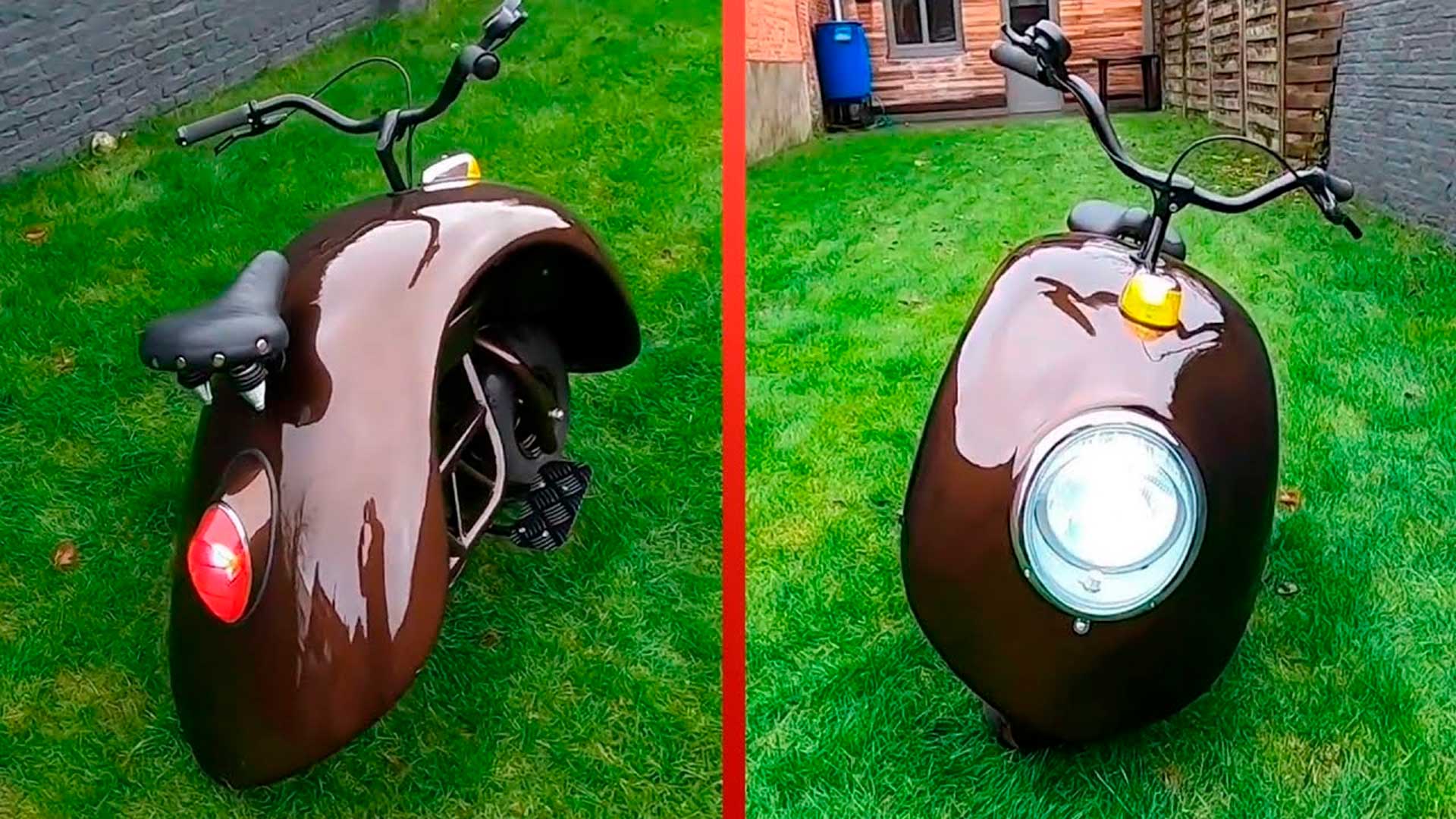
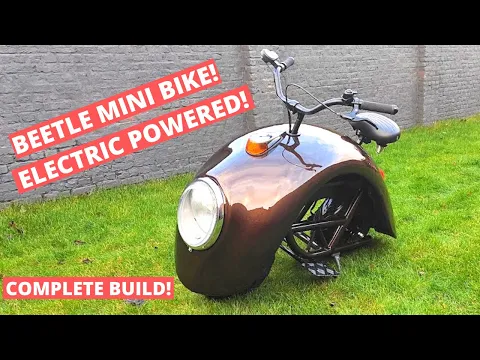
A creator transformed four Beetle fenders into a stylized electric mini bike, with performance numbers that caught attention. The project reinforces a trend of automotive recycling that began to circulate strongly on the internet since the popularization of the name Volkspod.
The video that reignited the curiosity of fans of DIY projects and the aesthetics of the Volkswagen Beetle shows a handcrafted construction of an electric mini bike inspired by the classic car. The centerpiece of the look comes from the recycling of fenders, joined together to form a body that resembles a Beetle.
According to the description of the video itself, the creator welded four fenders to create the body and adopted a brown paint inspired by the color Marrakesh Brown, associated with BMW, as a personal aesthetic choice. He also states that he is not a professional bodyworker or welder, treating the result as a hobby and learning project.
What made the content circulate quickly were the concrete and easy-to-understand details, such as the approximate weight of the set and estimates of speed and range. Instead of selling the idea as a product, the creator emphasizes that the mini bike is not for sale, which tends to increase curiosity in “unique” projects.
-
A woman went out for a regular walk and ended up finding a treasure buried for over 900 years, with more than 2,000 medieval silver coins compared by archaeologists to a lottery prize and considered one of the most significant finds in recent years in the country.

-
Scientists revealed 11 signs that very intelligent people exhibit in their daily lives, and most people have no idea that some of these common behaviors are directly linked to an above-average brain.

-
From space, Buenos Aires appears as a colossal spot of light surrounded by kilometers of darkness, revealing at a single glance the exact boundary between the metropolis and the countryside, seen from 400 km altitude.

-
NASA spent over 118 million reais to build a single bathroom that works in zero gravity, and it has just gone to space on the first crewed mission to the Moon in more than 50 years.

At the same time, the work fits into a larger movement of maker culture and creative restoration, where automotive parts gain new life as smaller and more playful objects. This trend had already appeared in articles and guides from enthusiast communities before the video.
Where Did the Idea of the Volkspod Come From and How Did It Spread Across the Internet

The most cited origin of the Volkspod is linked to designer and creator Brent Walter, who drew attention by recycling VW Beetle fenders into scooters and minibikes and documenting the evolution of the concept. A November 2019 post describes that the project would have started about a year earlier and spread via social media, especially with video and photo recordings.
With its already recognizable iconic shape, other versions began to emerge in forums and step-by-step platforms, where the community discusses solutions and shares results. An example is the presence of the term Volkspod in tutorials and compilations that treat the model as a “tribute” to the original creator, reinforcing how the aesthetic has become a kind of subgenre within the DIY movement.
In 2025, the topic reappeared in publications about derivative versions, including mention of a limited production of a model inspired by the concept, signaling that the idea had ceased to be just a garage meme and gained cultural value for automotive niches.
What the Video Highlights in the Process and Why the Visual Matters So Much
In the video, the point of impact is the transformation of “automotive waste” into an object that looks like it came from a design studio. The project’s description emphasizes the use of fenders as bodywork and the work of uniting pieces to achieve the symmetrical shape that resembles the Beetle.
This logic also appears in previous analyses of the concept, which describe the central idea as bringing together front fenders to create a symmetrical body and then accommodating the frame, motor, and controls underneath. In other words, aesthetics are not just a detail; they are the “engine” of sharing because they allow recognition of the Beetle in just a few seconds of image.
Electric Components and Numbers That Caught Attention in the Video Volkspod
According to the description published with the video, propulsion comes from two 350 W and 36 V hoverboard motors, with two 36 V lithium batteries. The creator also mentions brushless controllers and wheels from a children’s ATV, repurposed from a previous project.
The complete set with batteries would weigh approximately 39 kg, with an estimated maximum speed of 32 km per hour and a range of about 13 km under average load. These numbers, while modest compared to motorcycles, are enough to explain why the project becomes a topic of discussion; it looks “toy-like” but delivers real performance.
There is also a personal identification element that enhances the appeal; the author states that he chose the brown color because he has a 1973 Beetle in the same shade and mentions plans to take the Volkspod in a luggage rack to meetups. This kind of “human” detail tends to increase retention and sharing because it transforms specifications into stories.
It is worth noting that the community of similar projects has existed for years and tends to vary widely in power and architecture, ranging from electric versions to combustion. In 2025, for example, an article described a commercial model inspired by the Volkspod style with a gasoline engine and a body based on Beetle fenders, demonstrating how the concept supports many interpretations.
Safety, Responsibility and the Line Between Hobby and Public Use
Despite the charm, DIY projects involving metallurgy and electricity require caution and are usually not equivalent to a certified vehicle. The creator of the video himself places the work in the realm of experimentation and learning, stating that he is not a professional bodyworker or welder and reinforcing that the project is not for sale.
That’s also why articles and communities treat the Volkspod as a creation for exhibition, controlled testing, and fun, not as a recommendation for urban mobility for anyone. The difference between “working” and “being safe and legal to drive” is often the most controversial point when these mini bikes go viral.
If the topic goes beyond curiosity, the responsible route involves consulting local regulations, experts, and qualified professionals before considering any use outside of private settings. In many places, aspects such as lighting, brakes, structural capacity, and certification are decisive and cannot be resolved just with creativity.
What This Wave Is For and Why the Volkspod Became a Symbol of Recycling
The Volkspod has become a showcase of what maker culture does best: turning scrap into recognizable design, mixing nostalgia with technology, and generating conversation. The concept also helps popularize the idea of automotive recycling, where old parts cease to be waste and become identity.
There is an additional factor; the aesthetics of the Beetle are global and instantly recognizable, so the video “travels” well among different audiences, from classic car fans to those curious about electric mobility. When a project is simple to understand in image and hard to forget, it tends to reappear in feeds for years.
In the end, the question remains that always divides opinions and generates good debate in the comments. Is this art and intelligent recycling or an unnecessary risk when it becomes a trend? Share your thoughts and let us know if you would have a Volkspod just for display or if you think such projects should stay in the garage.







-

-

-

-

-

27 pessoas reagiram a isso.