





 Portuguese
  English
  Spanish
  3 min of reading
  0 comments


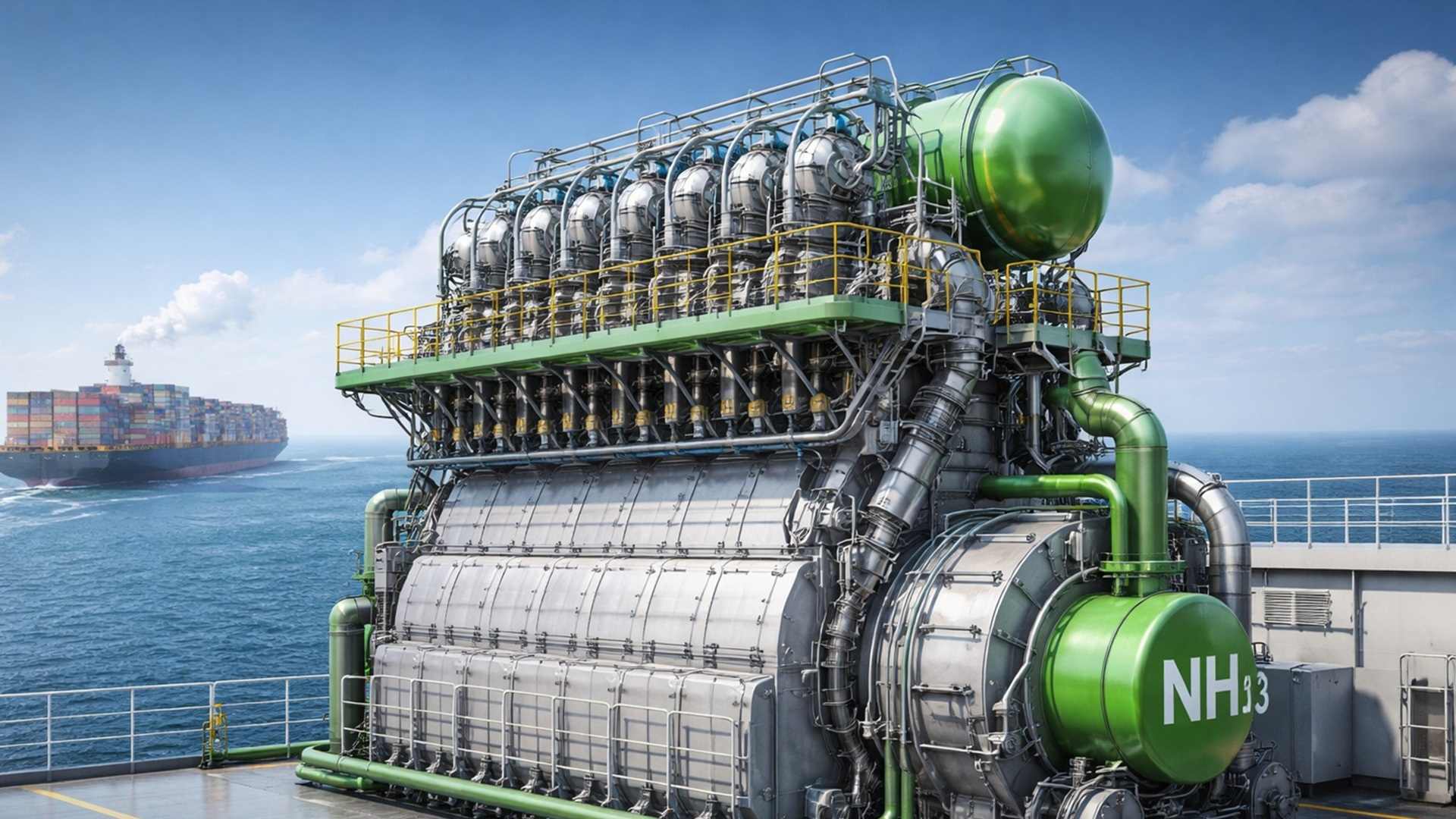
After Completing International Acceptance And Certification Tests At The Factory In South Korea, The Ammonia-Fueled Maritime Engine X-DF-A Moves Toward Commercial Application On Gas Transport Ships, A Technology That Could Reduce Emissions From The Maritime Sector Responsible For Almost 3% Of Global Greenhouse Gases
The ammonia-fueled maritime engine developed by the Swiss company WinGD completed essential validation tests last month, marking a technical breakthrough in sustainable maritime transport after evaluations carried out in South Korea with international oversight.
Tests Of The Ammonia-Fueled Maritime Engine Are Completed After Multi-Year Campaign
The ammonia-fueled X-DF-A engine has finalized TAT qualification tests and FAT factory acceptance tests, considered fundamental steps before commercial application on vessels.
According to WinGD, the testing programs were completed last month after an evaluation process conducted over several years. The company classified the initiative as unprecedented worldwide for two-stroke ammonia-fueled maritime engines.
-
With a cost per shot close to zero, the DragonFire laser could change naval warfare in 2027 and provide British ships with nearly unlimited defense against drones.

-
A British startup creates tires that generate electricity in electric vehicles when passing over potholes, speed bumps, and cracks.

-
Scientists have created robots made with living cells that have their own nervous system, swim on their own, explore the environment, and self-organize without any genetic engineering, and now they want to do the same with human cells.

-
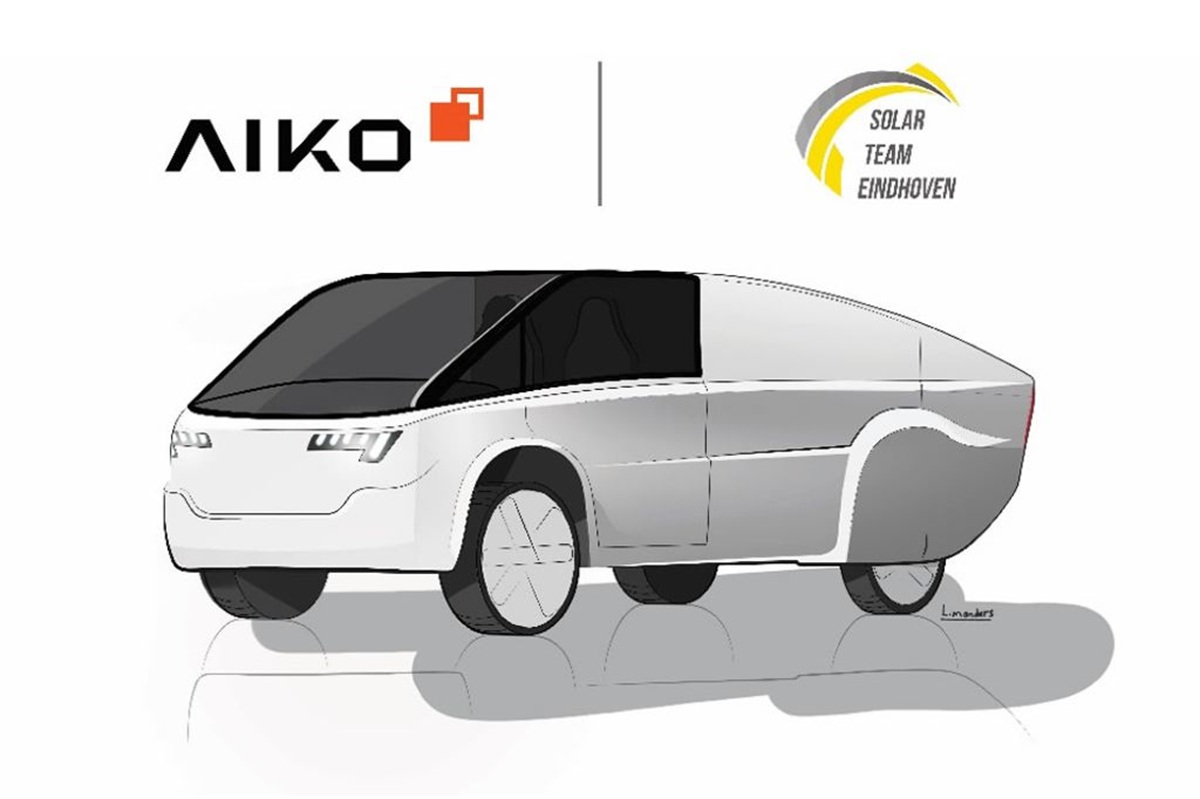
Students create a solar-powered ambulance that operates without a plug, without fuel, and still keeps medical equipment running in remote areas.

The tests took place at the HD Hyundai Heavy Industries Engine & Machinery facilities in South Korea, using the X-DF-A 1.0 model. Technical supervision was provided by the classification society Lloyd’s Register, with participation from representatives of other international societies.

Installation Will Take Place On A 46,000 M³ LPG And Ammonia Carrier Ship
The tested engine has 52 cubic inches and will be installed on an LPG and ammonia carrier ship with a capacity of 46,000 m³ operated by the Belgian company EXMAR.
According to a statement from WinGD, these vessels will be the first ammonia-fueled gas carriers to enter commercial service. The entire testing process also involved direct oversight from EXMAR.
The company reported that the performance observed during the tests confirmed the operational viability of the system. Following the results obtained, the manufacturer stated that they already have 30 orders for the engine.
The orders encompass different segments of navigation, including bulk carriers, gas carriers, tankers, and container ships.
Ammonia-Fueled Maritime Engine Demonstrates Performance During Technical Validation
Sotiris Topaloglou, Global Director of Testing and Validation at WinGD, stated that the testing campaign demonstrated the potential of ammonia-based propulsion for commercial maritime applications.
According to him, conducting the world’s first Temporary Approval Test for a two-stroke ammonia-fueled maritime engine proved that the technology can meet the industry’s reliability, performance, and safety standards.
The company emphasized that the results obtained were decisive for the acceptance of the equipment by international operators interested in energy alternatives for maritime transport.
Ammonia Emerges As An Alternative To Reduce Emissions From The Maritime Industry
Ammonia contains no carbon molecules and, when produced with renewable electricity, can reduce greenhouse gas emissions by up to 90% compared to traditional fuels used in the maritime sector.
The decarbonization of the maritime industry is viewed as a global priority, as the sector accounts for almost 3% of global greenhouse gas emissions.
Researchers indicate that ammonia combustion does not release carbon dioxide. The fuel also has a higher energy density than hydrogen and requires less storage space on board vessels.
Recent reports cited by the industry estimate that ammonia could represent almost 50% of maritime fuel used by 2050.
Green Ammonia Is Identified As A Central Component Of The Maritime Energy Transition
Sebastian Hensel, Vice President of Research and Development at WinGD, stated that the results obtained reinforce the strategic role of green ammonia in the decarbonization of maritime transport.
According to Hensel, cooperation with partners like EXMAR was essential to bring the technology to market. He highlighted that the development of the ammonia-fueled maritime engine is part of the industry’s effort toward propulsion solutions with a lower climate impact.
The company stated that this advancement represents a significant step in the energy transition of the maritime sector, focusing on the adoption of alternative fuels for future commercial operations.







-

-

6 pessoas reagiram a isso.