





 Portuguese
  English
  Spanish
  6 min of reading
  0 comments


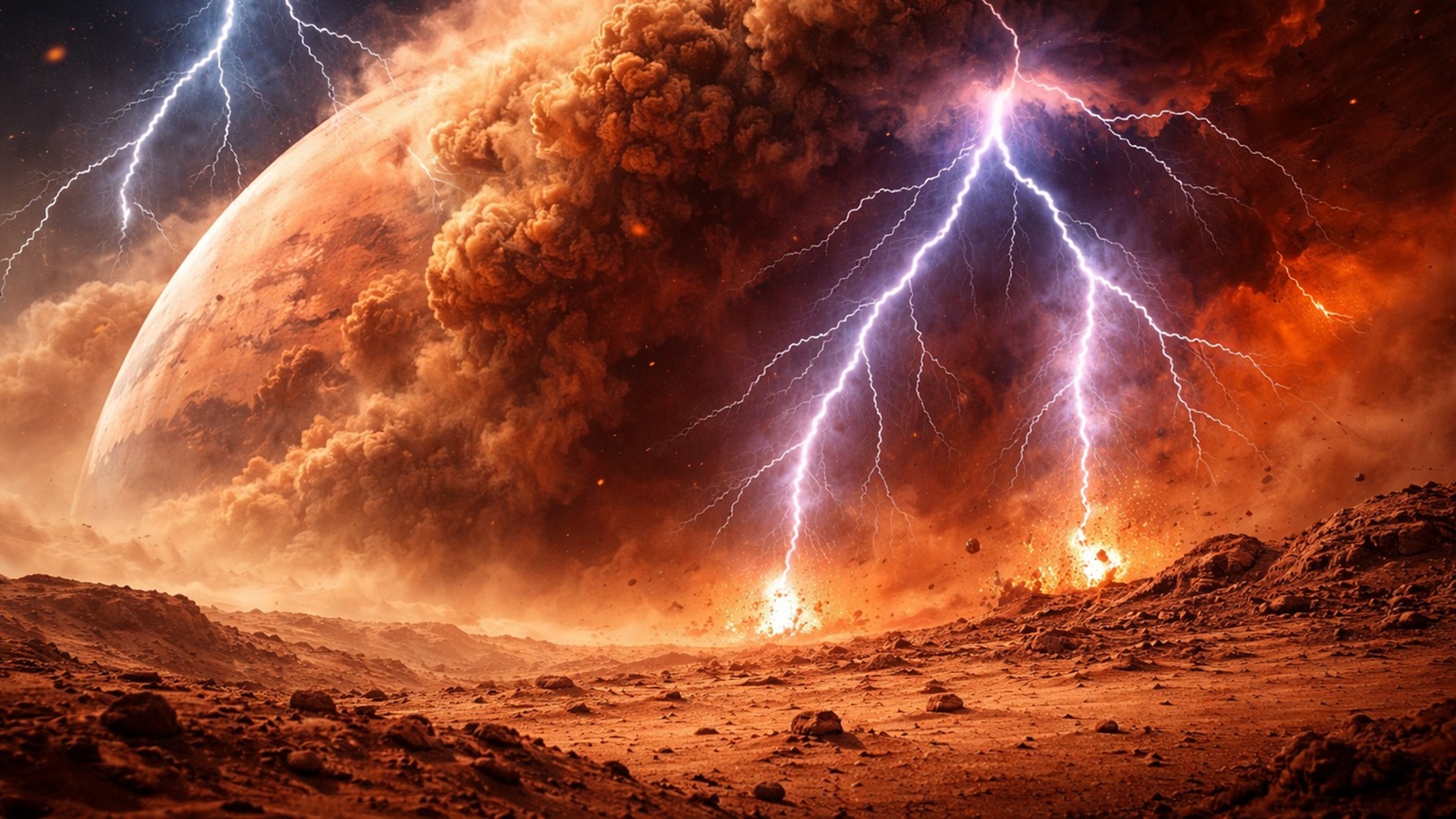
Dust Storms on Mars Generate Electrostatic Discharges and Alter Chlorine Isotopes with δ37Cl Value of -51‰ in Processes That Remodel Planetary Geochemistry
Planetary scientist Alian Wang and her team published a study on December 18, 2025, revealing that dust storms on Mars generate electric discharges capable of altering chlorine isotopes. The research explains the formation of perchlorates and the geochemical evolution of the Martian surface through laboratory simulations.
Mars has an active and electrically charged surface. Dust storms and swirling vortices regularly move across the planet. These phenomena not only displace sediments but also continuously reshape the landscape.
The planet is often portrayed as a dry and empty world. However, it is much more active than it appears. The thin atmosphere combined with the dust cover creates ideal conditions for the accumulation of electric energy.
-
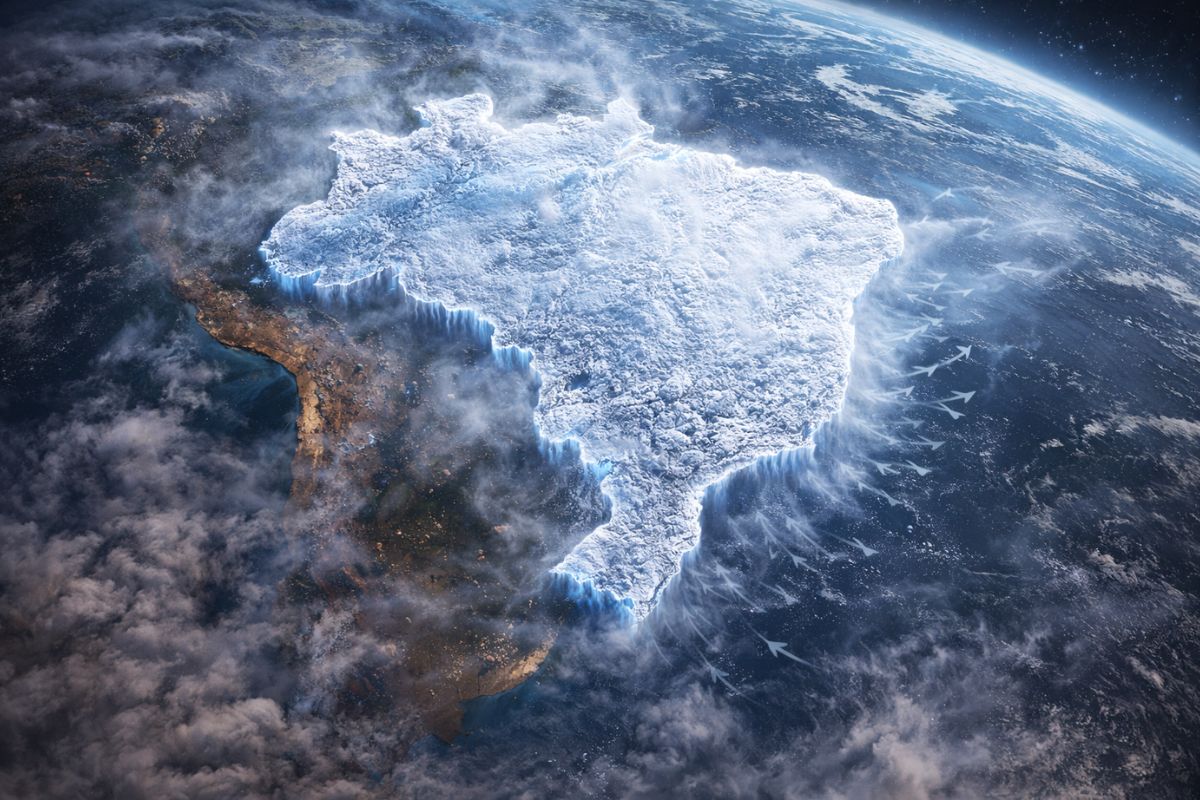
The heatwave in Brazil that hit in March is set to end as a cold front arrives between Good Friday and Easter Sunday, causing a temperature drop of up to 6 degrees and rain in the Central-South region, according to the Easter weather forecast.
-
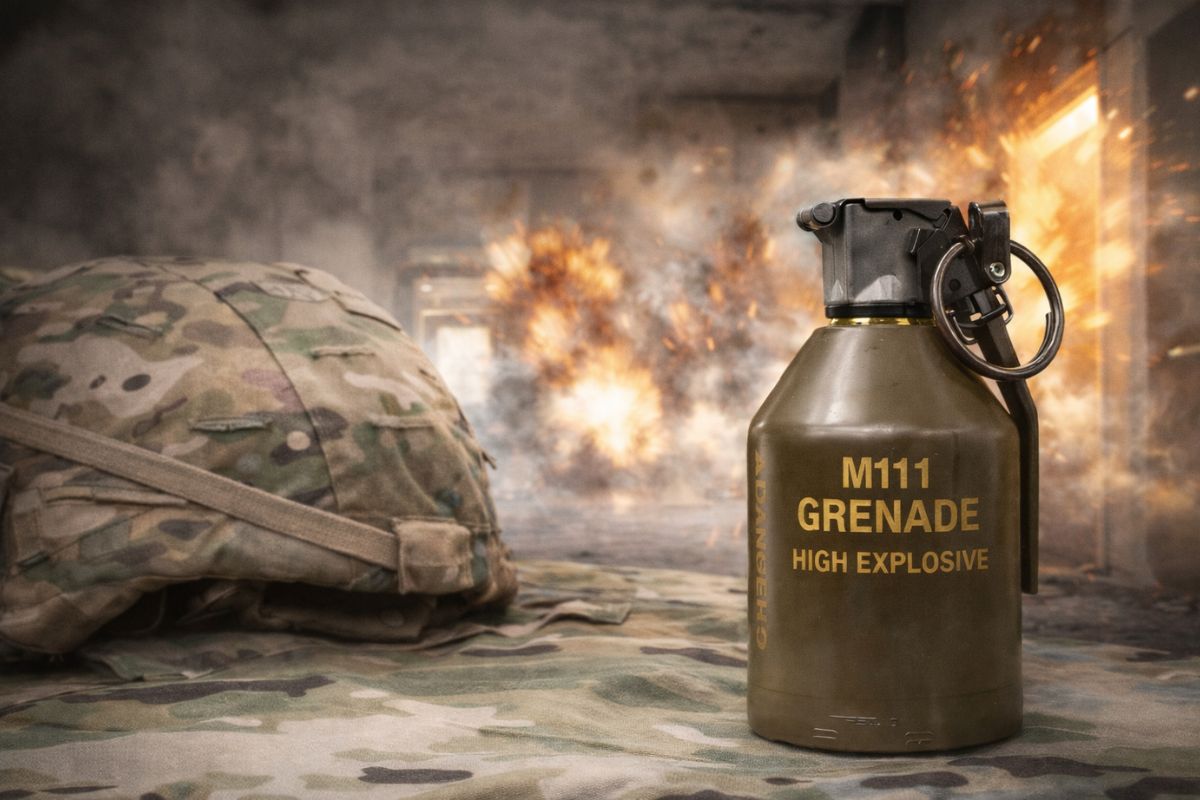
The U.S. Army has introduced its first new lethal grenade since the Vietnam War: the M111 kills using pressure shock waves that bounce off walls and can explode the enemy’s lungs without producing a single shard.
-
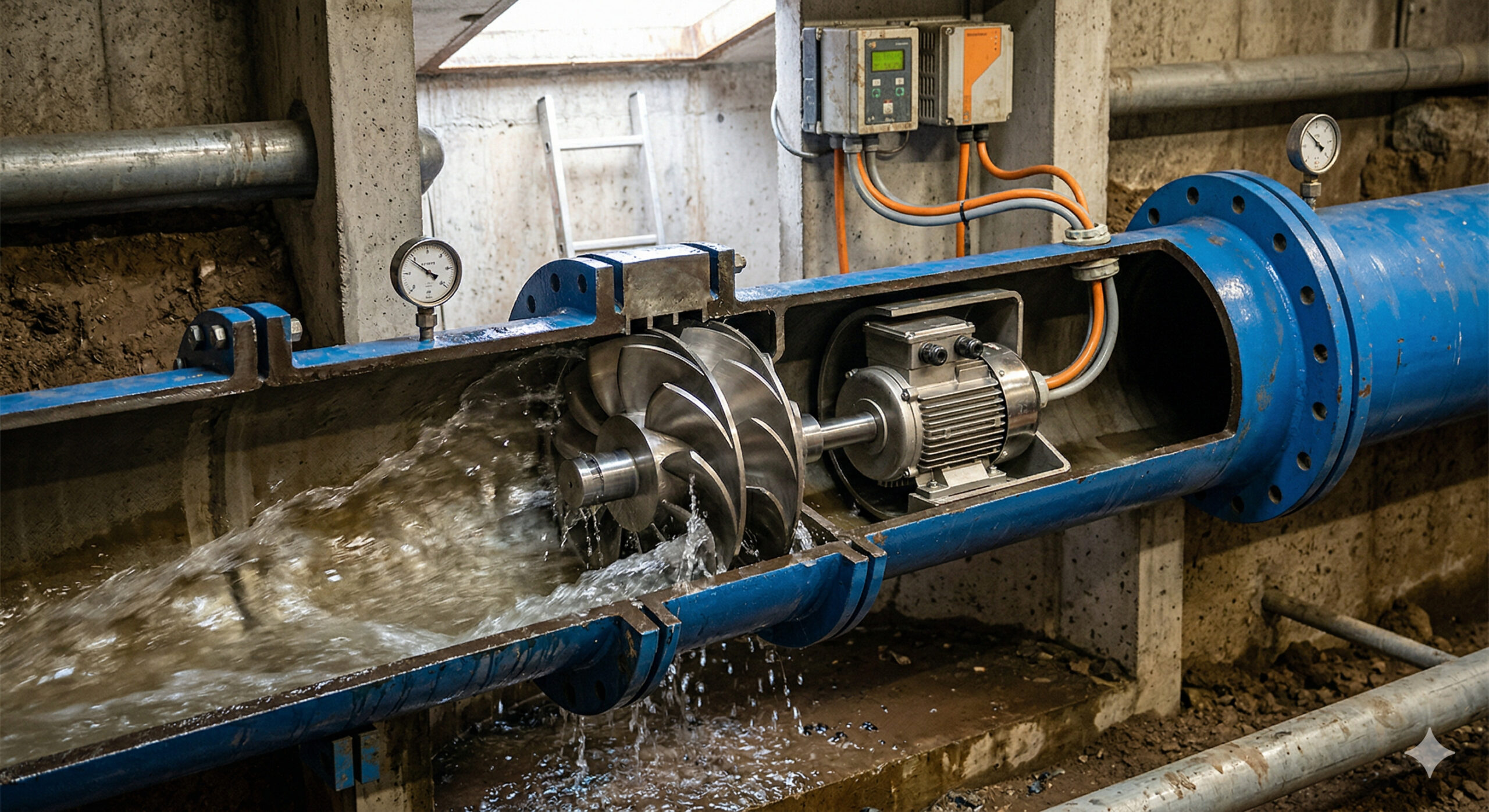
Engineers are replacing pressure valves with hydraulic microturbines within drinking water networks and are generating up to 1,100 MWh per year with in-pipe hydropower technology that harnesses energy previously wasted in urban pipelines.
-
Elon Musk focused on Brazil and lowered the price of Starlink, his internet service, but the question remains: is it worth it? An expert provides a detailed analysis of the internet that promises to connect any part of Brazil.


The storms sweep across the landscape and alter the surface. They drive specific energetic processes. These processes have become an increasing focus of recent scientific research.
Planetary scientist Alian Wang has been examining these phenomena. She focuses on electrically charged dust in a series of in-depth studies. Her most recent paper was published in the journal Earth and Planetary Science Letters.
The study investigates specific physical processes. It analyzes how these events affect the isotopic composition of chemical elements. This offers new perspectives on the geochemical behavior of the red planet.

The Electrification Mechanism and Atmospheric Discharges
When dust storms occur on Mars, countless grains collide. They rub against each other intensely. This friction generates significant electric charges.
These charges can build up until they produce electrostatic discharges (ESDs). Such discharges are capable of disturbing the planet’s tenuous atmosphere. The atmospheric pressure on Mars is much lower than that of Earth.
Due to this low pressure, discharges occur more easily. They can visually appear as faint, ghostly glows. The phenomenon resembles terrestrial auroras.
In this electrical process, electrochemical reactions are triggered. These reactions actively reshape the planet’s chemical environment. The study details how this affects the elements present on the surface.
Advanced Simulation of Martian Conditions in the Laboratory
Alian Wang is a research professor in Earth, environmental, and planetary sciences. She works at Washington University in St. Louis. She is also a member of the McDonnell Center for Space Sciences.
Wang studies electrically driven processes by dust. The goal is to understand how they generate oxidized chemical compounds. The main focus is on Martian chemistry.
The team received support from NASA’s Solar System Work Program. They developed two specialized planetary simulation chambers. The chambers are called PEACh and SCHILGAR.
PEACh stands for Planetary Environment Analysis and Chamber. SCHILGAR stands for Simulation Chamber with Inline Gas Analyzer. These facilities allowed accurate reproduction of Martian conditions.
The researchers identified a wide range of chemical products. The list includes volatile chlorine species and activated oxides. Carbonates and perchlorates present in the air were also found.
Together, these substances play an important role. They act in the formation of Mars’ geochemical system. This system is in constant evolution.
Isotope Analysis and the Chlorine Cycle
In previous research, Wang identified electric discharges driven by dust. This factor is key to the chlorine cycle on Mars. Large areas of the surface contain chloride deposits.
These deposits are believed to be remnants of ancient salty water. The team used a simulation chamber equipped with collection traps. This allowed establishing the mass balance of the experiments.
The researchers were able to measure and quantify the generated chemicals. The analysis showed the activity of dust under hot and dry conditions. These conditions simulate the Amazonian period of Mars.
The process could form carbonates, perchlorates, and volatile chlorine compounds. The laboratory results align with real data. They are consistent with the chemical signatures detected by modern missions.
Wang’s team consists of members from six universities. The institutions are located in the United States, China, and the United Kingdom. They analyzed isotopic compositions of chlorine, oxygen, and carbon.
The analysis focused on ESD products, or electromagnetic deposition devices. They discovered significant and consistent depletion of heavy isotopes.
Correlation with Data from Curiosity and Perseverance Rovers
Alian Wang explains the importance of isotopes. They are minority constituents in materials. Isotopic ratios are only affected by the main process of a system.
The substantial depletion of heavy isotopes occurs in three mobile elements. Wang states that this is “irrefutable proof.” It demonstrates the importance of dust-induced electrochemistry.
This electrochemistry shapes the current system of Mars’ surface and atmosphere. Each isotopic measurement functions as a piece of a puzzle. Previous quantifications complement this view.
The comprehensive view suggests that electrochemistry shaped the chemical landscape. The findings reinforce the hypothesis regarding dust activity. It played a crucial role in contemporary geochemistry.
A conceptual model of the global cycle emerges from this study. It encompasses chlorine on Mars and carbonate minerals. The model reveals the interaction between electrochemical processes and secondary minerals.
The depletion of heavy isotopes is transferred from ESD products. It moves into the atmosphere and is redeposited on the surface. The material even manages to percolate underground.
This forms the next generation of surface minerals. Continuous electrochemistry contributed to the progressive depletion of 37Cl. This led to the very negative value observed by the Curiosity rover.
The observed δ37Cl value was -51‰. Kun Wang, associate professor at Washington University, comments on the work. He emphasizes that it is the first experimental study of its kind.
The study analyzes how discharges affect isotopes in the Martian environment. Isotopic signatures act like fingerprints. They trace the processes that influenced the chlorine cycle.
Kun Wang notes that the experiments did not produce signatures identical to those from the rovers. However, they show that discharges direct the fractionation in the right direction. This highlights the difference between Earth and Mars processes.
Wang’s study coincides with new findings from the Perseverance rover. The rover recorded 55 electric discharges on Mars. The measurements occurred during two dust vortices and storms.
This data has been published in the Nature journal. Wang’s previous studies were cited in this context. They explain the chemical consequences of electric discharges.
Impact of the Study on the Understanding of the Solar System
Wang’s discoveries confirm her role as an expert. She leads the understanding of Mars’ electrified environment. The study validates the identification and quantification of perchlorates.
It also encompasses amorphous salts and atmospheric carbonates. The volatile chlorine species align with mission observations. There is compelling evidence of electrochemistry in the Amazonian region of Mars.
The research opens doors to possibilities beyond Mars. Similar phenomena may exist on Venus and the Moon. They may also occur in external planetary systems.
Dust or lightning-induced electrochemistry is an essential factor. This applies to planetary processes throughout the solar system. Paul Byrne, associate professor, comments on the relevance of the work.
Byrne states that the research illuminates the atmosphere-surface interaction. It also informs how surface chemistry formed. There are valuable lessons for other worlds with triboelectric charging.
Venus and Titan are examples cited by Byrne. This line of research energizes the understanding of Mars. It reveals the crucial role of dust activity in the chemical landscape.
The contributions propel planetary science. They offer insights into dynamic forces at play. The discoveries provide a foundation for a richer understanding of celestial neighbors.
The work sparks curiosity and inspires future missions. The goal is to uncover secrets of other worlds. Mars continues to reveal its mysteries through these innovative research efforts.
These advances bring us closer to understanding Martian history. They also assess the planet’s potential to harbor life. The Red Planet holds wonders waiting for full exploration.





-

-

-

-

6 pessoas reagiram a isso.