





 Portuguese
  English
  Spanish
  4 min of reading
  48 comments


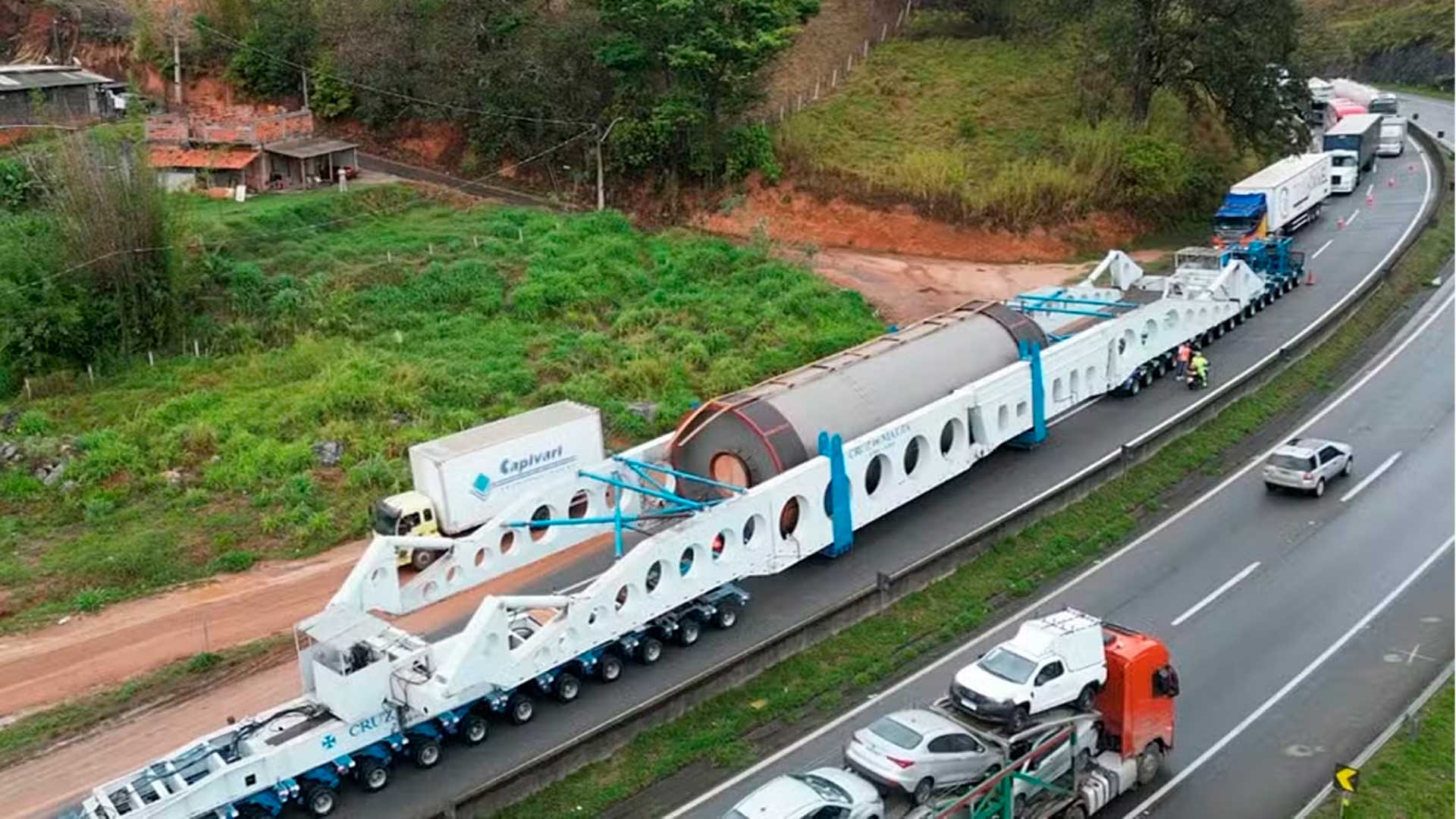


With 123 Meters in Length and Limited Circulation to Specific Hours, the Megacart Entered Goiás Through Itumbiara and is Expected to Complete the Crossing in January 2026.
The largest truck in operation in Brazil has been crossing highways since October 9, 2025, transporting an industrial piece produced in China to Votorantim Cimentos in Edealina, Goiás, in an operation by the carrier Cruz de Malta.
The setup impresses with its numbers and impact on traffic, with 123 meters in length, a total weight around 636 tons, and a journey that may take four months.
On the most recent stretch of the route, the megacart left Minas Gerais and entered Goiás through the region of Itumbiara, where the movement requires special operations on sections of single-lane road.
-
The largest fortress on the planet is located in a city with 10 km star-shaped walls, 300 hectares protected, an aqueduct with 843 arches and 7 km long, strategic forts, and a UNESCO title that intrigues specialists.

-
USS Gerald R. Ford: the floating city of $13 billion where 5,000 sailors serve 17,000 meals a day, sleep in stacked bunks, take 10-liter showers, and keep 75 fighter jets ready.

-
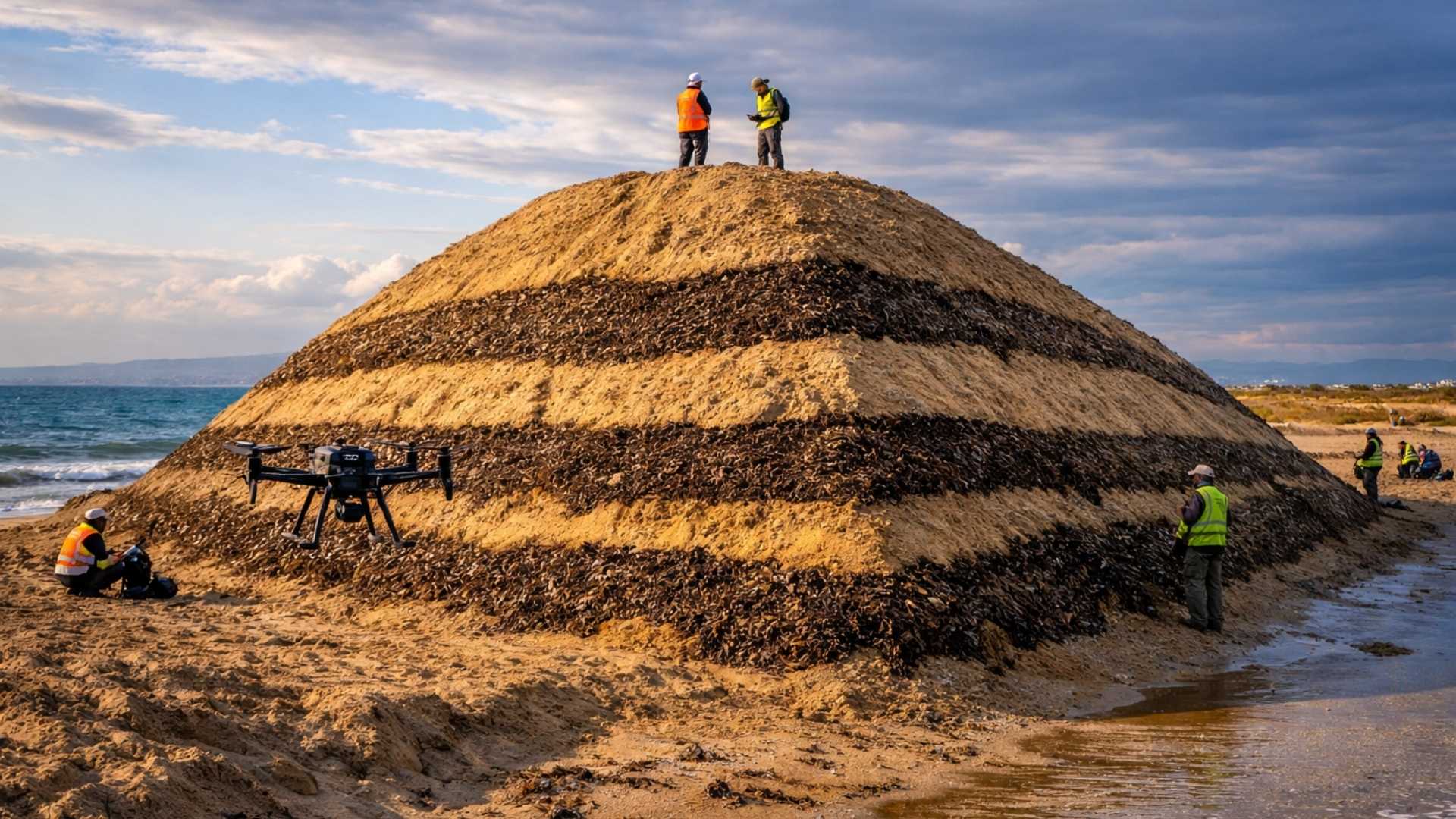
Spain surprises the world by erecting 62 artificial dunes, mixing sand with natural remains of posidonia, and causing the structure to lose only 1.4% of its volume in 1 year.
-
Meta and YouTube condemned for addiction to social media: ruling links the operation of the platforms to the worsening of anxiety and depression.

The initial forecast for arrival before Christmas did not come true, and the schedule remains subject to interruptions due to weather and logistics, with an expected completion in the first days of January 2026.
Non-Standard Dimensions Explain Why the Operation Became a Rare Case on Highways
The composition is about five meters high, 123 meters long, with a width ranging from 7.3 to 8 meters and a total weight of around 636 tons, which makes the transport occupy virtually the entire lane at certain points.

The vehicle operates with 44 axles and something between 264 and 296 tires, depending on the configuration described throughout the journey, always focused on distributing the load and reducing structural risks.
The item being transported is part of a grinding system intended for a cement unit, weighing approximately 210 tons and 19.5 meters long, according to information released during the operation.
Low Speed and Circulation Windows Extend the Journey for Months
The megacart moves slowly, with an average speed reported around 20 km per hour and, in other stretches, close to 30 km per hour, a variation that depends on the type of road and necessary maneuvers.
To reduce risk and facilitate traffic control, circulation occurs only from Monday to Friday, within a daytime window, cited between 8 a.m. and 4:30 p.m. on part of the route.
On toll roads, there are adapted passages and the use of lateral areas to avoid prolonged blockages, as the size makes common maneuvers unfeasible.
Even so, drivers encounter occasional interruptions, with daily stoppages of about one hour to clear traffic and allow the passage of other vehicles.
The operation also mobilizes a rotation of drivers, with reports of six drivers alternating at the wheel throughout the journey to keep the movement within the rules and with heightened attention.
Escort, Blockades, and Official Authorization Support the Oversized Load Operation
Along the way, the truck is accompanied by concessionaires and the Federal Highway Police, responsible for part of the escort and technical support at critical points.
In Goiás, for example, passing through the BR 452 requires the setup to use both lanes in single-lane stretches, with occasional releases and guidance for drivers to avoid overtaking and follow signage.
As this is a load that exceeds normal weight and dimension limits, transportation depends on Special Transit Authorization, issued by DNIT for combinations that do not meet the standards and need to comply with additional safety measures.
Rain, Stops, and Delays Rekindle the Discussion About Traffic Impact and Logistic Alternatives
One of the main reasons for delays is the need to suspend movement in adverse conditions, such as heavy rain, since the setup requires grip, visibility, and room for maneuvers at low speed.
In Minas Gerais, there were reports of six days of the megacart being parked due to bad weather, which pushed back the schedule and increased uncertainty about exact arrival dates.
In addition to the weather, the trip includes stops for adjustments and operational changes, including sections with total blockade and reorganization of transport to proceed safely.
The direct consequence is the impact on the daily lives of those who depend on the highways, with slowdowns, scheduled blockages, and the need for planning, especially in regional and interstate traffic corridors.
In the end, the question remains that divides opinions among drivers and logistics experts: does it make sense for a load of this size to cross highways for months, or should the country have more robust alternatives, such as railways and dedicated routes for exceptional loads? Leave your comment stating which side you are on and whether this type of operation should have even stricter rules to reduce disturbances.







Equipamento fabricado na China, com ferro extraído do Brasil, e nossa indústria sucateada. Nossa triste realidade: eterno fornecedor de matéria prima. Desse jeito não evoluímos nunca.
Quantas cargas como está é transportada por ano? Neste mesmo trajeto? Não vejo necessidade de rodovias ou ferrovia para tal. Mas para todos nós que pagamos nossos impostos e merecemos ter ótimas estradas pelo Brasil agora.
Esse tipo de transporte por longa distância poderia sim ser feita por ferrovias / rodovias assim. Assim teria um impacto menor na vida de quem corta o Brasil pelas as estradas. Assim como o transporte de passageiros poderia ser feito por ferrovias também, como é feito entre BH e cariacica na região metropolitana do ES .
Com dimensões deste porte não tem como ser por ferrovia…não passaria em túnel