





 Portuguese
  English
  Spanish
  5 min of reading
  1 comment


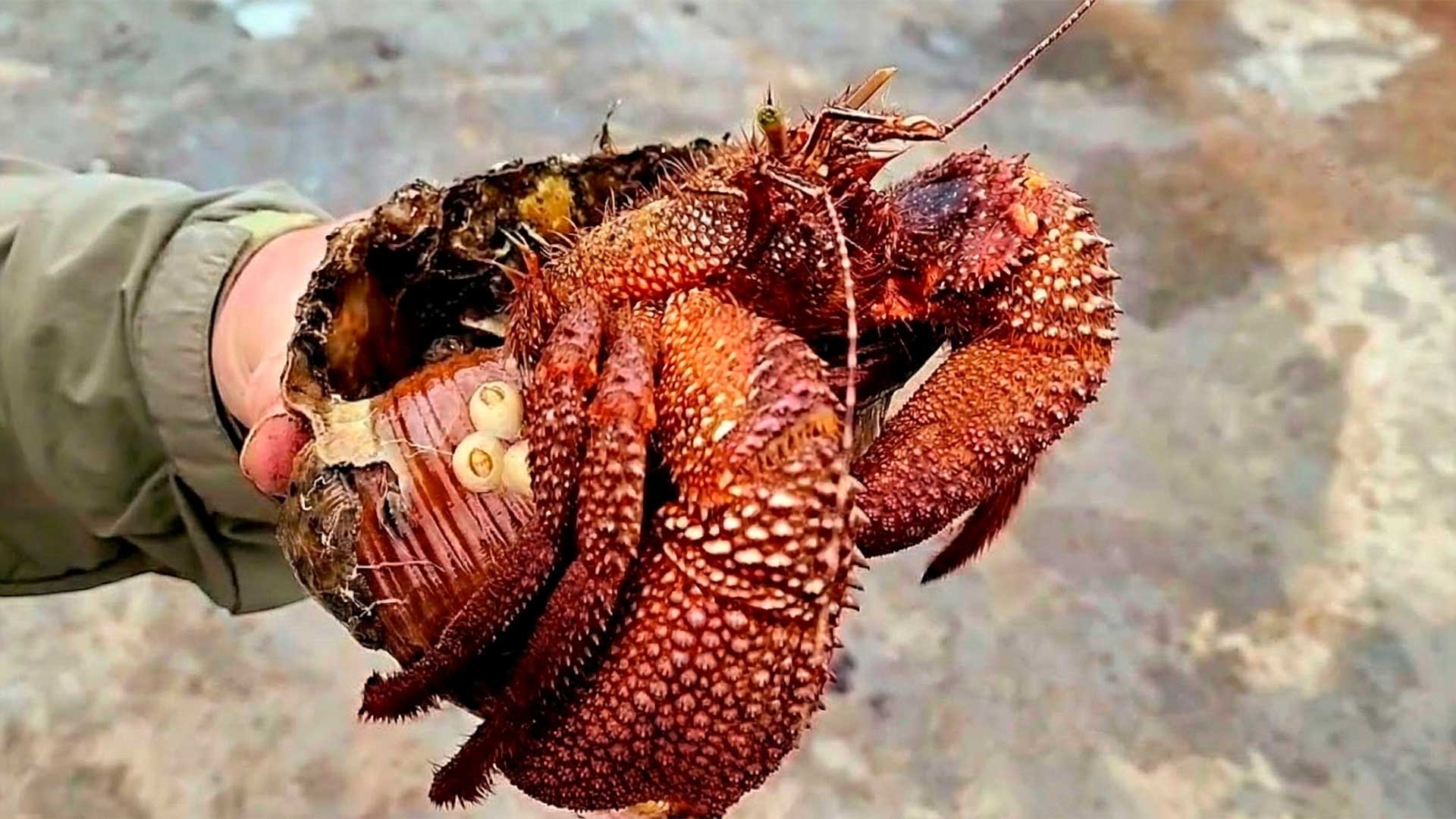


Known As The Giant Hermit Crab, The Petrochirus Diogenes Draws Attention For Its Size, Claws, And Enormous Shell.
It lives from the Caribbean to Brazil, often appearing in sandy bottoms and reefs, and plays an important role as a cleaner of the sea. The fame of being the “largest shelled crab” exists, but there are nuances when the comparison includes terrestrial species.
With each new sighting in dives, aquariums, and fishing videos, one animal continues to provoke the same reaction: astonishment. It seems like an “impossible creature” carrying a shell that is too large, with robust claws and a reddish body occupying almost the entire opening.
This animal exists and has a name: Petrochirus diogenes, known in many places as Giant Paguro or giant hermit crab. It is a large marine hermit crab, known for using gastropod shells as shelter.
-
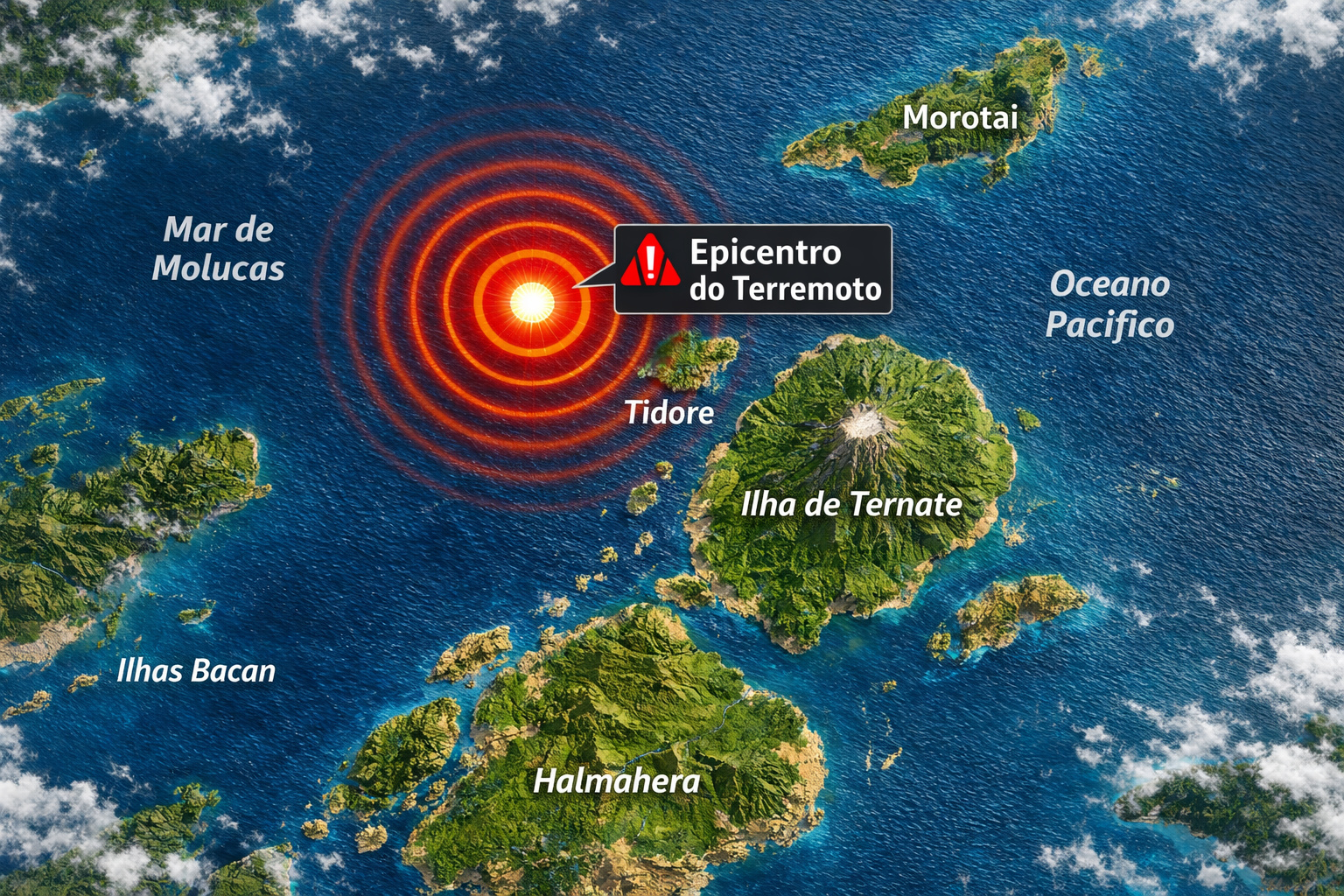
A strong earthquake in Indonesia affects houses and schools, causes panic, triggers a tsunami alert, and records a rise in sea level of up to 30 centimeters in some areas.

-
The Argentine government celebrates the lowest poverty rate in 7 years, but experts warn that the methodology has changed, real wages have fallen, unemployment has risen, and the number of people on the streets of Buenos Aires has increased by 57% since Milei took office.

-
7.8 magnitude earthquake in Indonesia frightens the population, triggers tsunami alert, and hits an island with over 200,000 inhabitants this Thursday.
-
Google will finally let you change that embarrassing Gmail address you created in your teenage years without losing any accounts, logins, or old emails: the feature is already available in the United States.


What makes everything even more curious is that it is not just “a big hermit”. In various scientific descriptions and from institutions related to the sea, it appears as one of the largest marine hermit crabs in the western Atlantic, with total length records reaching about 30 centimeters in some guides and profiles.
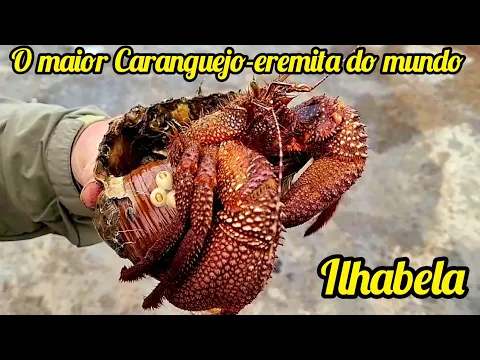

At the same time, experts often remind that there is an important difference when someone says “the largest in the world”. There is a famous “relative”, the coconut crab (Birgus latro), which is the largest terrestrial hermit crab and, when adult, does not rely on a shell as a home. This is where part of the confusion and controversy arises.
What Makes The Petrochirus Diogenes Called The Giant Hermit Crab
Size is the first reason. In aquarium and marine lab profiles, the giant hermit crab is described as growing up to approximately 12 inches, about 30 cm in total length, which places it among the giants of the group.
Another striking feature is the asymmetry of its claws. Like other hermits, it tends to have a more robust dominant claw, used for defense and handling food, which reinforces the “mini-lobster” appearance for those observing quickly.
Another factor that contributes to its fame is the type of “home” it can use. Because it is large, it can occupy large shells, including well-known conch shells from the Caribbean, which creates the impressive scene of a huge crustacean “operating” an equally large shell across the seafloor.
Where The Giant Paguro Lives And Why It Appears From The Caribbean To Brazil
The distribution of Petrochirus diogenes is broad in the western Atlantic. Regional guides and taxonomic databases describe occurrences from the east coast of the United States, through Florida, the Gulf of Mexico, and the Caribbean, reaching areas along the South American coastline, including records associated with Brazil.
The most cited habitat involves sandy and muddy bottoms, as well as areas with reefs and seagrass beds. This helps explain why it can appear in both reef-adjacent environments and in more open soft-bottom areas.
Regarding depth, records range from shallow to deeper waters, with variations depending on the source and location. In simple terms: it can be seen in coastal areas accessible for diving in some spots, but it also occurs in deeper ranges recorded by surveys and collections.
The Shell As Home And The Silent Dispute For Shelter At The Seabed
The “shell-home” is not a detail. For hermit crabs, it is an essential structure that protects the abdomen, which is more vulnerable, and increases the chance of survival against predators and impacts.
In the case of Petrochirus diogenes, the size of the body makes the search for suitable shells a constant challenge. The larger the animal, the rarer are the large shells available in good condition, and this can lead to disputes, exchanges, and even opportunities taken when a mollusk dies and leaves the shell behind.
There are reports and descriptions of diets that include opportunistic behavior. Some sources point out that, in addition to consuming algae, detritus, and small invertebrates, it may prey on mollusks as food, creating a curious cycle: in certain cases, the hermit gains a meal and then also potentially gains a home.
This point often generates debate because it involves species of mollusks that are highly valued by ecosystems and coastal communities. A closer reading is that the hermit acts as an opportunistic omnivore and scavenger and that its impact depends on the local context, food availability, population density, and environmental dynamics.
Why This Crustacean Matters And What Risks Come Into View
Aside from the “wow factor,” the giant paguro serves a practical function in the ecosystem. Like many hermits, it helps clean the bottom by consuming organic remains and smaller organisms, participating in the recycling of matter in coastal environments.
What worries researchers and managers, more broadly, is the sum of pressures typical of the coast. Habitat changes, pollution, and marine litter, loss of seagrass areas, and impacts on reefs tend to alter the balance of benthic species, especially those that depend on microenvironments and shelter.
Another sensitive point is the availability of shells. In regions where there is intensive collection of shells as souvenirs or large changes in the abundance of mollusks, the “market for empty shells” can shift, which directly affects hermits, including large ones.
And there is a recurring controversy on social media and beaches: when someone finds a large “beautiful” shell and takes it away, they may be removing a potential shelter from the environment. For the giant paguro, this can mean fewer housing options and more exposure.
Share your opinion: when you find a large shell on the beach, do you think it “doesn’t make a difference” to take it home, or should this be discouraged to protect marine life? Comment on what you would do and why.








Gosto de comentários e publicações especiais de pesquisas científicas