





 Portuguese
  English
  Spanish
  4 min of reading
  14 comments


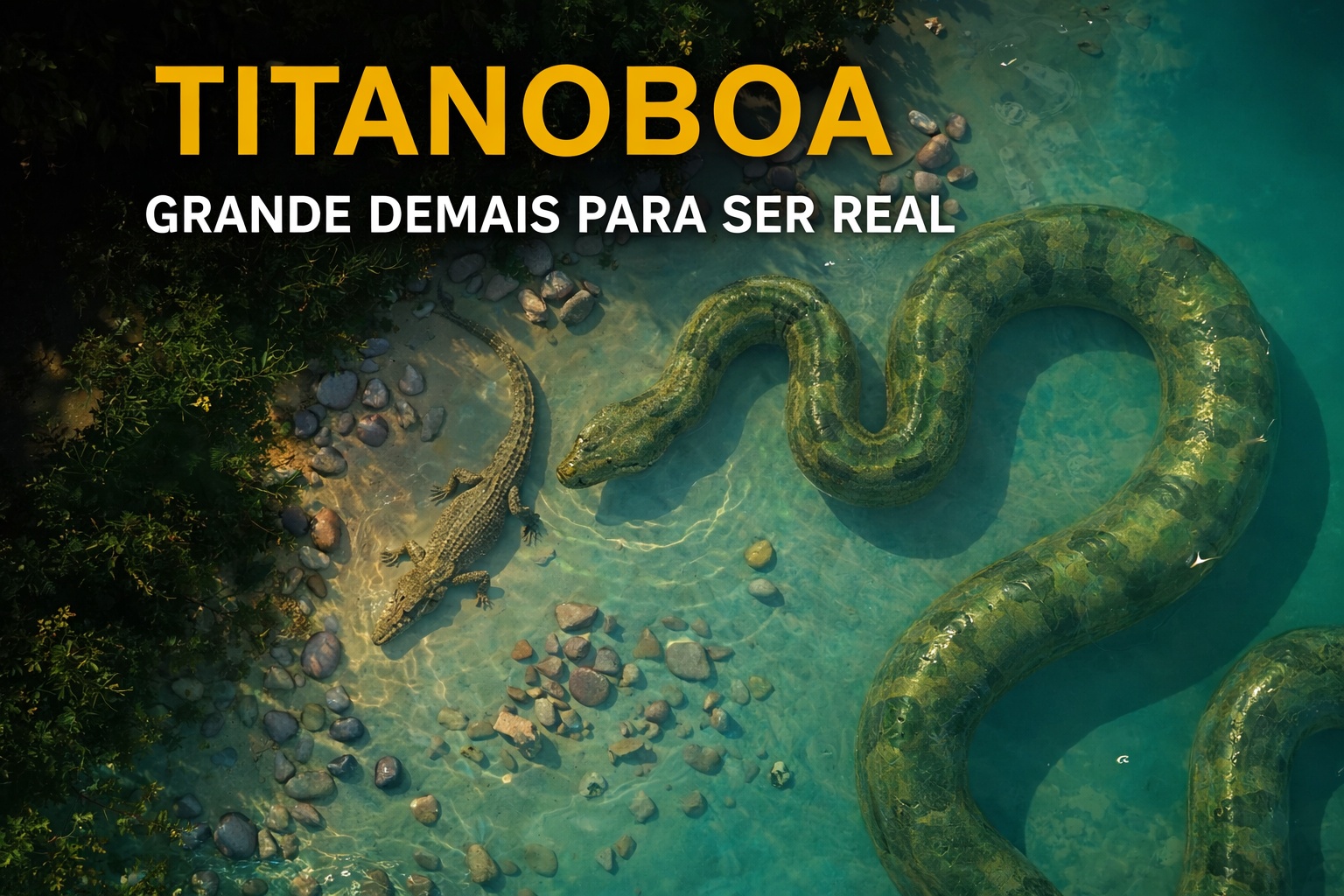


Measuring over 13 Meters and Estimated to Weigh Over 1 Ton, Titanoboa Was the Largest Snake in History and Reveals How Climate Shaped Prehistoric Giants.
Long before modern rainforests took the form we know today, the Earth was home to a snake so gigantic that it completely redefined the limits of the group. The Titanoboa cerrejonensis lived around 60 million years ago, shortly after the extinction of the dinosaurs, in a world still ecologically reorganizing itself. Its emergence occurred at a key moment in the planet’s history, when the extremely warm climate allowed for the appearance of animals much larger than those we see today.
Discovered in the early 2000s, this snake quickly became one of the most impressive fossils ever found, not just for its size, but for what it reveals about the Earth’s climatic and biological past.
Dimensions That Exceed Any Modern Snake
Scientific estimates suggest that Titanoboa reached between 12 and 14 meters in length in the largest individuals, with a body diameter so large that it easily surpassed that of a truck tire.
-
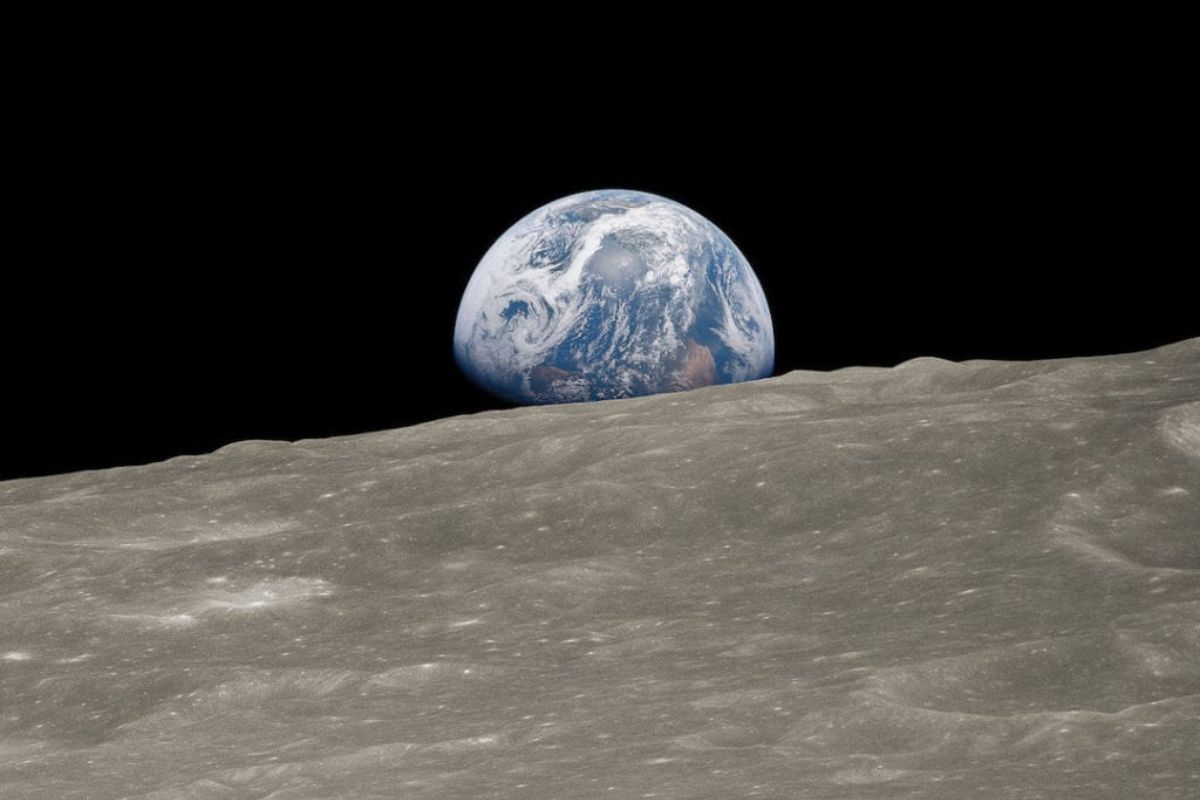
Four humans are flying towards the Moon inside the Orion capsule launched by the SLS rocket, and on April 6, Artemis II will disappear behind the far side of the Moon without communication with Earth for nearly an hour.
-
Worlds covered by water, atmospheres filled with hydrogen, and the possibility of life beyond Earth: ocean planets are rewriting the map of cosmic search and forcing scientists to rethink where to look.

-
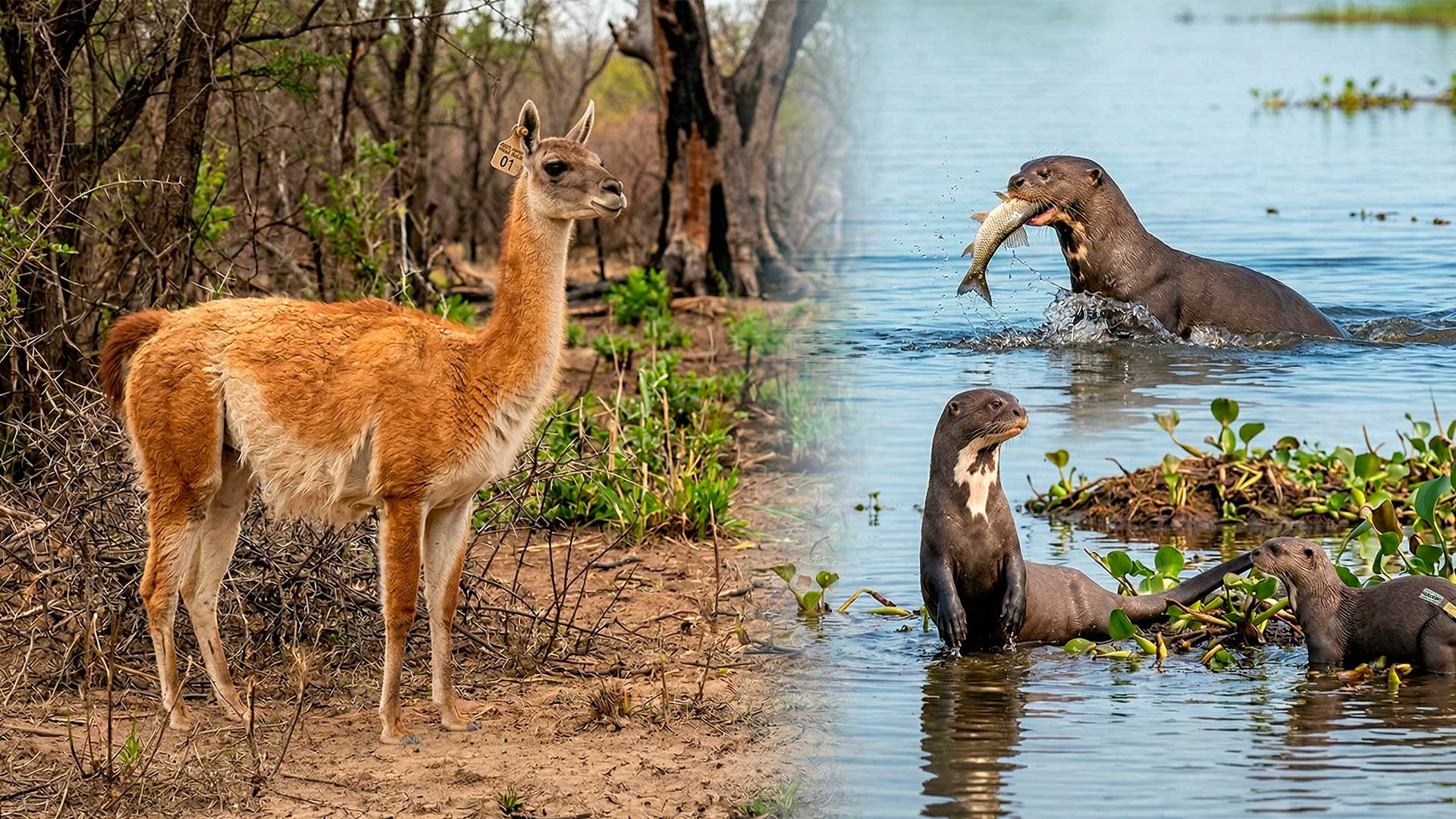
Argentina achieves the unimaginable after more than 110 years and reintroduces the largest native herbivore of South America to the Chaco to restore a lost link in nature.
-
Returning to the Moon now costs a billion-dollar bill and reignites the competition between the USA and China for science, technology, and rare minerals on lunar soil.


The estimated weight varies, but many studies indicate values above 1 ton, with broader projections suggesting even greater masses in extreme specimens.
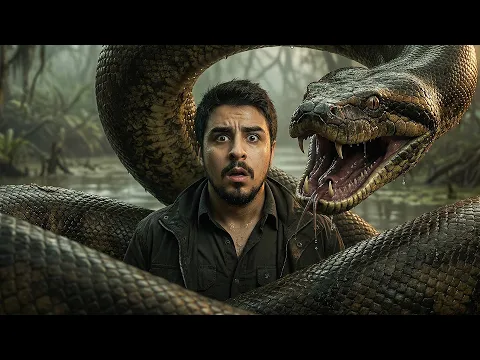

For comparison, the green anaconda, currently the largest living snake in the world, rarely exceeds 7 meters and weighs a few hundred kilos. Titanoboa not only doubled that length but also had a much more robust and heavier body, making any modern comparison insufficient.
Where Titanoboa Lived
Titanoboa fossils were found in the Cerrejón coal mine in northern Colombia, one of the world’s most important regions for the study of the Paleocene epoch.
At the time, this area housed a vast humid tropical forest, cut by slow rivers teeming with fish and other aquatic vertebrates.
This environment offered the ideal conditions for a colossal semi-aquatic snake, with constant access to large prey and few natural threats.
Dominant Predator of Prehistoric Rivers
Titanoboa was not a typical terrestrial animal. Anatomical evidence indicates that it spent a significant amount of time in rivers and swamps, adopting a lifestyle similar to that of modern anacondas, but on a much larger scale. Its diet likely included giant fish, primitive crocodilians, and other aquatic vertebrates.
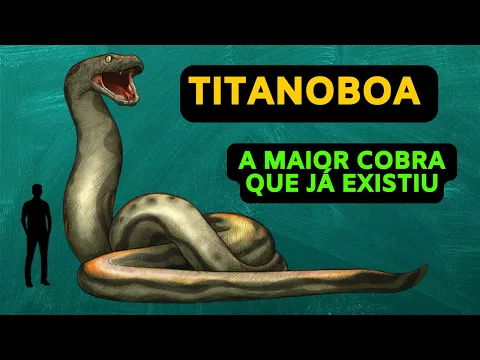
While there is no direct evidence of attacks on large mammals, its size and strength would have been more than sufficient to subjugate large prey through constriction, the classic method of giant snakes.
Muscle Strength and Attack Mode
The musculature of Titanoboa was extremely developed. Biomechanical studies suggest that its constriction strength far exceeded that of the largest modern snakes, allowing it to crush prey quickly and efficiently.
The broad body diameter indicates a muscle volume capable of generating lethal pressures in just a few seconds.
This strength, combined with its size, made Titanoboa a virtually unrivaled predator in its ecosystem.
What Titanoboa Reveals About Earth’s Climate
One of the most important aspects of Titanoboa goes beyond the animal itself. As a cold-blooded reptile, its size is directly linked to the ambient temperature. Calculations based on its length indicate that tropical regions in the Paleocene had significantly higher average temperatures than those today.
This makes Titanoboa a true biological thermometer of the past, helping scientists understand how global warming directly influences the maximum size of ectothermic animals.
Why Did Giant Snakes Like Titanoboa Disappear?
The decline of Titanoboa is associated with the gradual reduction of global temperatures over millions of years. With the cooling of the planet, environments capable of sustaining snakes of that size became rare or nonexistent.
In addition, the reorganization of ecosystems and the emergence of new groups of predators and competitors made it unviable for giant snakes like this to persist.
The Largest Snake in Known History
To this day, no other extinct or living snake has come close to Titanoboa in length, volume, and ecological impact. It remains the largest specimen ever documented in the group, an extreme symbol of what evolution can produce in specific environmental conditions.
Titanoboa was not just a large snake. It was the direct result of a warmer, wetter planet more conducive to gigantism, a powerful reminder that the history of Earth once housed creatures far beyond anything we see today.







Eu e minha família, estávamos atravessando o Rio Tocantins no município de Cametá-Pará . Por volta das15 horas do dia 19/07/1998, quando nos deparamos com um **** enorme cruzando o nosso barquinho motorizado, há aproximadamente 100 metros de distância. Primeiro estava quieta parecia uma árvore no meio do rio, as águas estavam calmas sem maresia, todos estavam vendo, mas ninguém achava que era uma cobra, de repente, ela saiu em disparada, ficamos em pânico, nunca soubemos de nenhuma cobra daquele tamanho . Com a divulgação do Titanoboa, percebemos que é o que mais se parece com aquilo que vimos.
OTitanoboa vive!
Obrigada
Até 1940 haviam muitas no Amazonas! A mineradora petrolífera explodiu tudo! Disse o caboclo indígena!
Galera, a avó da minha esposa (do interior do Am) relatava a existência de uma cobra da largura de um ‘camburão’ (barril de 200L) e comprimento total (de ponta a ponta) de, aproximadamente, 13m.
Algo impressionante, com outras pessoas da região dando informações complementares lógicas e com congruências.
Obviamente há aqueles que exageram e mistificam. Contudo, eu vi uma fotografia antiga de cabeças, dentições e patas de onças, bem como de exemplares de diferentes animais ou pele de outros.
Há descaso com o que foi vivido por diferentes gerações e comunidades, algumas das quais traumatizadas por experiências aterrorizantes. Incluo minha sogra entre elas.
Não há necessidade de valores e dimensões ridículas para click bate. Nem esse apelo absurdamente desproporcional nas imagens.
Sei que estão **** para isso. Afinal, é interesse comercial. Não é jornalismo, nem informação compatível com a realidade.
Falem o que se tem de evidência, sem essa apelação descomunal. Já é algo desafiador.