





 Portuguese
  English
  Spanish
  4 min of reading
  1 comment


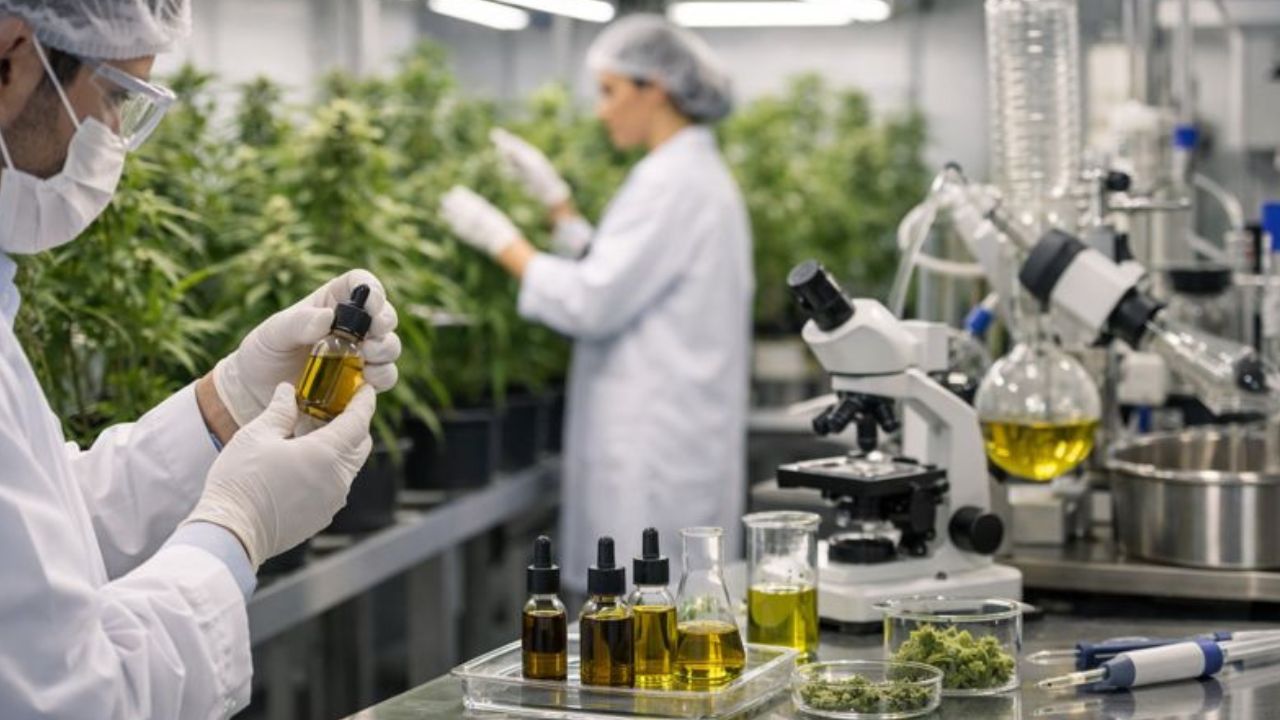


New Anvisa Regulations Govern Cultivation, Production, and Marketing of Medicinal Cannabis, with THC Control and Therapeutic Focus.
The National Health Surveillance Agency (Anvisa) votes this Wednesday (01/28/26) in Brasília on a set of new rules that could profoundly transform access to medicinal cannabis in Brazil.
The proposal defines, for the first time, clear standards for the cultivation, production, and marketing of derivatives of the plant for therapeutic and pharmaceutical purposes, complying with a determination from the Superior Court of Justice (STJ).
If approved, the changes will come into effect six months after official publication and promise to reduce costs, expand patient access, and bring legal certainty to the sector.
-
With a cost per shot close to zero, the DragonFire laser could change naval warfare in 2027 and provide British ships with nearly unlimited defense against drones.

-
A British startup creates tires that generate electricity in electric vehicles when passing over potholes, speed bumps, and cracks.

-
Scientists have created robots made with living cells that have their own nervous system, swim on their own, explore the environment, and self-organize without any genetic engineering, and now they want to do the same with human cells.

-
Students create a solar-powered ambulance that operates without a plug, without fuel, and still keeps medical equipment running in remote areas.

The decision is considered a turning point because until now, the country relied almost exclusively on the importation of cannabis-based products or on judicial authorizations for planting.
With the new regulation, national production becomes possible, provided it is under strict sanitary control by Anvisa and with clear limits on THC content, a substance associated with the psychoactive effects of the plant.
See more: Nipah Virus Outbreak in India Triggers Maximum Alert at Asian Airports
See more: The Carioca Bean That Changed Brazil: The Science Behind the Dish for 60% of the Population
What Changes with the New Regulation of Medicinal Cannabis
The proposal approved by Anvisa establishes that only legal entities will be allowed to engage in the cultivation and production of medicinal cannabis.
Additionally, authorization will be restricted to plants with THC concentration equal to or less than 0.3%, reinforcing the exclusive focus on therapeutic and scientific use.
The entire production process, from planting to final product, must be monitored, traceable, and submitted to laboratory analyses.
Batches will be inspected by the agency, and companies will only be allowed to produce the quantity previously authorized, thereby reinforcing sanitary control and preventing deviation of purpose.
Anvisa makes it clear that the regulation does not change the prohibition of recreational use of cannabis in Brazil, maintaining the control policy aligned with international conventions.
See more: Extreme Heat Threatens Almost Half of the Global Population by 2050
See more: One-Minute Amazonian Porridge Transforms Tradition into a Profitable Business
Patient Associations Gain Space in Production
One of the most anticipated aspects of the proposal is the creation of specific rules for patient associations.
The text allows these entities to produce medicinal cannabis without profit or commercialization, provided they meet sanitary requirements and participate in public calls.
Currently, about 25 associations operate in the country backed by judicial decisions, serving approximately 160,000 patients.
The new regulations are expected to reduce legal challenges and provide greater predictability for these initiatives, which often offer treatment at more accessible costs.
As long as there are good practices that are monitored and traceable, you can produce in the country at an affordable price, says Anderson Matos, manager of the Brazilian Association of Cannabis Patients.
Direct Impact on Patients and Families
The regulatory advancement brings a real expectation of improved quality of life for thousands of people. This is the case for Benício, 17, who has seen a drastic reduction in seizures after using oil extracted from cannabis.
From 20 to 30 a day, now he has one a week, sometimes going two to three months without a seizure. His life has improved in quality; he has started living more and interacting more with the world, reports Dr. Leandro Ramirez, the young man’s father.
For patients like Cileda Sanchez, who lives with fibromyalgia, the main benefit may be financial.
It’s expensive, but we have to pursue it because it’s worth it. Because the other treatments I tried did not work, she says.
Why Anvisa’s Decision Is Considered a Milestone
Since 2019, Anvisa has authorized access to cannabis-based products through importation or regularized medications. However, the lack of rules for national cultivation created legal uncertainty for companies, researchers, and patients.
With the new norm, Brazil now has a regulatory framework aligned with international standards and the requirements of the United Nations and the International Narcotics Control Board.
According to neurologist Henrique Freitas da Silva, the change is essential to expand access safely.
The regulation will help ensure that patients who have an indication for use, based on scientific evidence, receive a guaranteed quality product at the lowest cost, he explains.
Numbers Show Accelerated Growth of Medicinal Use
The demand for medicinal cannabis is growing consistently in the country. Between 2015 and 2025, Anvisa authorized over 660,000 individual importations.
Currently, 49 products from 24 companies are available in Brazilian pharmacies, in addition to around 500 judicial decisions allowing for planting.
Anvisa estimates that more than 670,000 people in Brazil use cannabis derivatives, many of them through the judicial system. With the regulation of cultivation and marketing, the expectation is to reduce costs, expand access, and strengthen national scientific research.
Now, the final decision rests with Anvisa’s board. If the rules are confirmed, Brazil takes a decisive step towards consolidating medicinal cannabis as a public health policy, with control, safety, and a patient focus.







Deus seja louvado, sou fibromiálgico, e agora o tratamento será possível.