





 Portuguese
  English
  Spanish
  4 min of reading
  0 comments


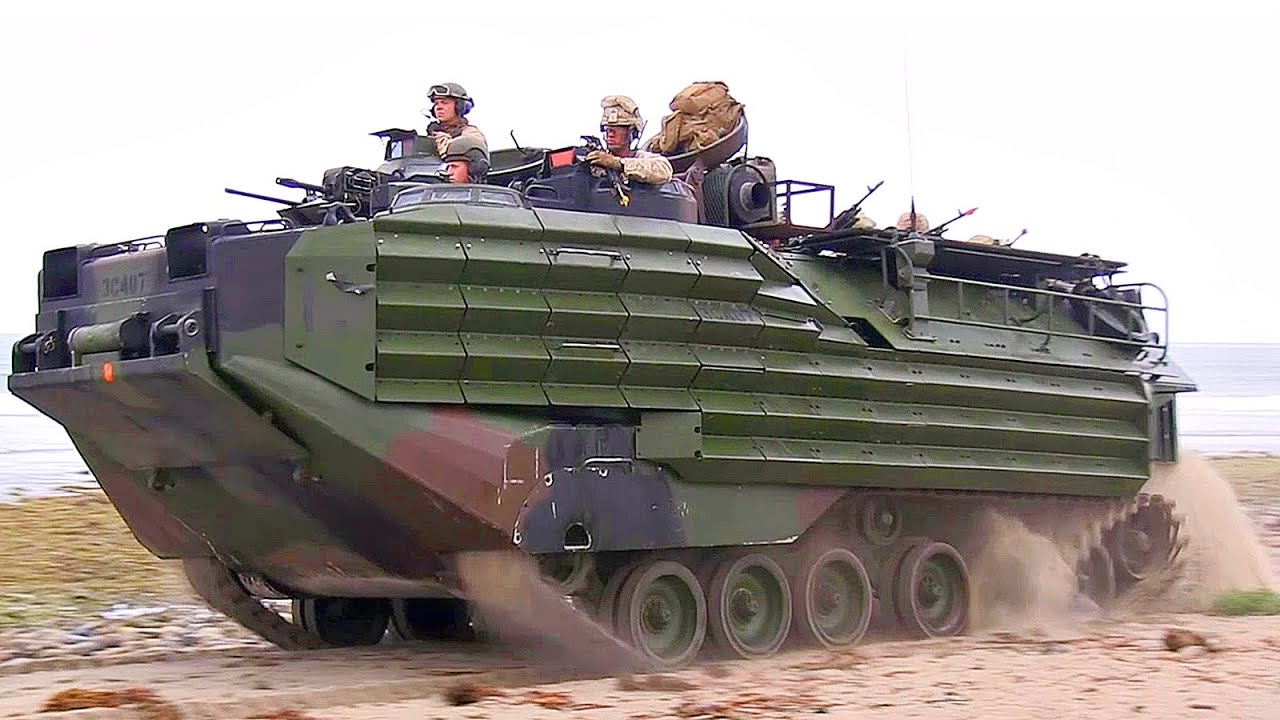
AAV7A1 Is The Amphibious Armored Vehicle Of The US Marine Corps That Transports Troops From Sea To Land Since The 1970s, Ensuring Mobility And Fire Support In Amphibious Operations.
The AAV7A1 is an amphibious assault vehicle operated by the United States Marine Corps to transport troops from ship to shore and then advance on land under armored protection. In service since the 1970s (originally as LVTP-7, modernized to AAV7A1 in the 1980s), it was designed to ensure the sea-to-land transition in amphibious operations, maintaining mobility, transport capacity, and organic fire support.
Dimensions, Weight, And Engine
The AAV7A1 measures approximately 7.94 m in length, 3.27 m in width and 3.26 m in height, with operational weight of around 29 tons (depending on the variant and protection kits). Ground propulsion is provided by a diesel engine coupled to an automatic transmission, allowing maximum speed of about 72 km/h on road.
In water, the vehicle uses a waterjet propulsion system, reaching approximately 13 km/h. The range on land is around 480 km, allowing for extended movements after disembarkation.
-
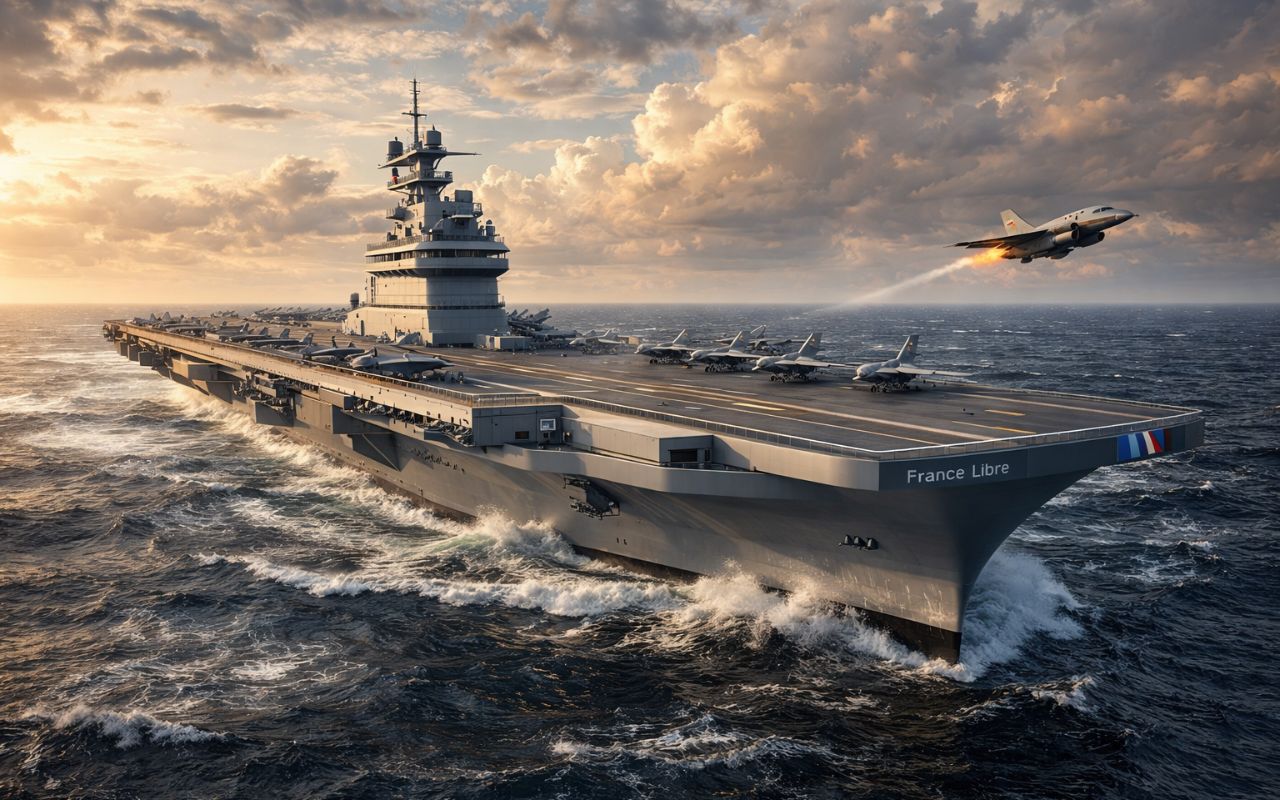
With 310 meters, 80 thousand tons, and capable of operating for 45 years, the new nuclear aircraft carrier France Libre will be the largest in France and will enter service in 2038.
-
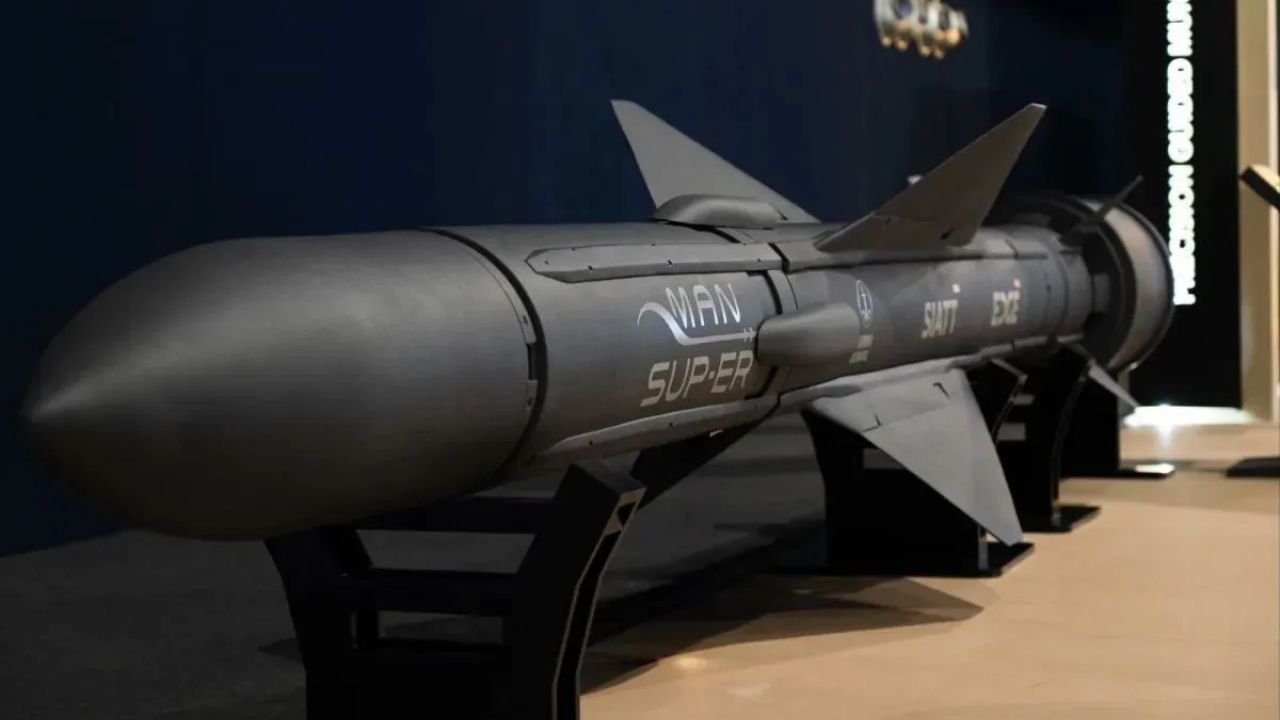
Brazil accelerates the evolution of the MANSUP missile, designing an air-surface version with a range exceeding 200 km, advanced guidance, and precision strike capability against land and naval targets, paving the way for a new generation of national armaments with global potential.
-
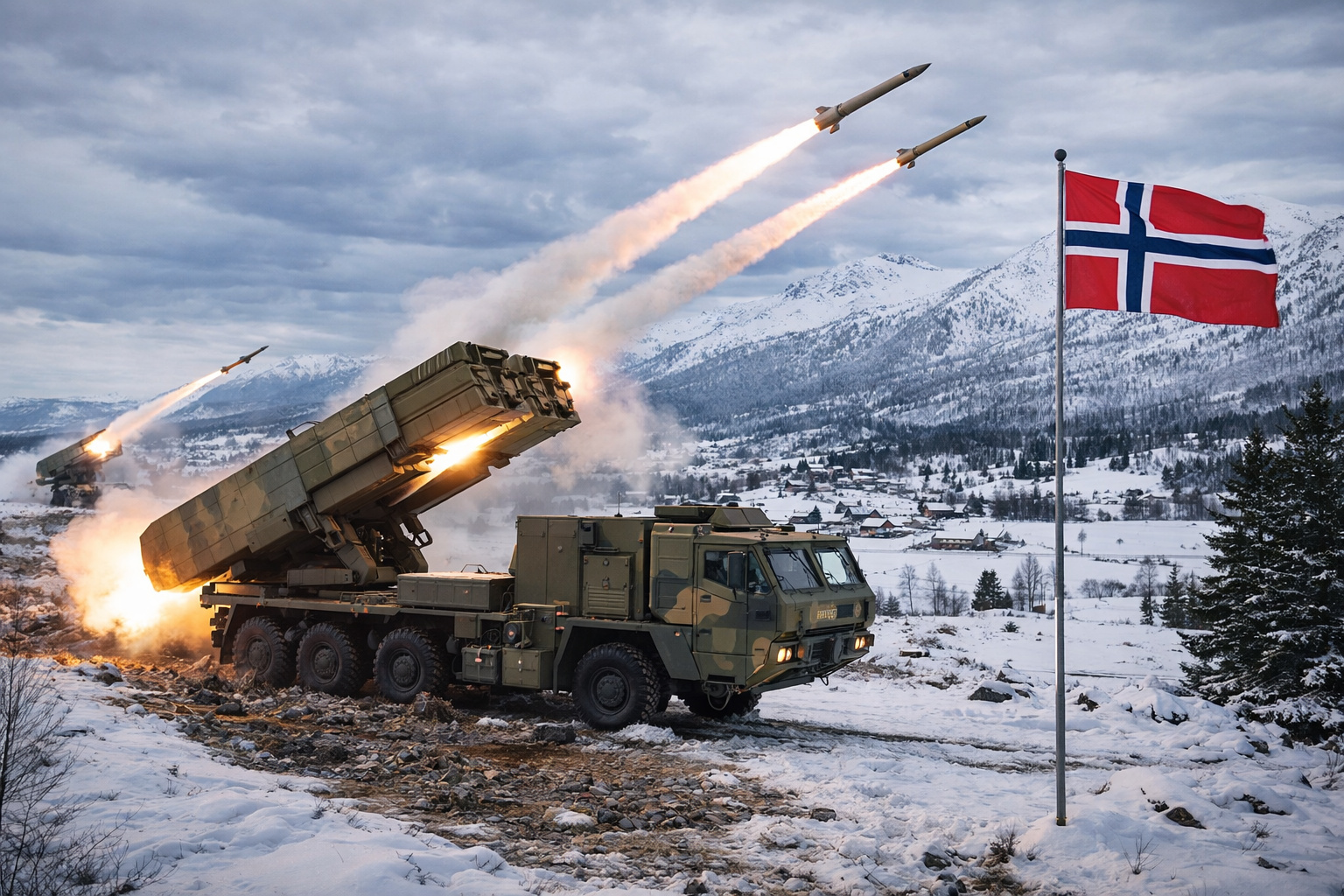
South Korea signs a $922 million deal with Norway, bringing Chunmoo launchers capable of firing guided missiles up to 290 km with an accuracy of 15 meters to Europe and turning the system into a key component of the new global race for precision artillery.
-
Brazil advances with decisive tests until June, the 6×6 Guarani armored vehicle with engineering equipment enters the most important phase and can enhance the operational capability of the Army.

Transport Capacity: 3 + 21
The crew consists of three Marines — driver, commander, and gunner — and the rear compartment can accommodate up to 21 fully equipped Marines. Access occurs through a rear ramp, allowing for quick embarkation and disembarkation.


The interior was designed to support the direct transition from the maritime environment to land combat, with sealing systems and bilge pumps for amphibious operation.
Organic Armament
The AAV7A1 is typically equipped with:
- M2HB .50 Caliber Heavy Machine Gun
- 40 mm Mk 19 Automatic Grenade Launcher
This set allows for coverage and suppression during the advance of the ramp and in the early stages of land progression. The armament is operated from an upper turret, providing an elevated field of fire compared to the transported troops.
From Ship To Shore: The Operational Concept
In a typical amphibious operation, the AAV7A1 is launched from dock landing ships or amphibious assault ships, enters the water, and navigates to the landing zone. Upon reaching the shore, it maintains progress without needing to change platforms, transporting the troops to more advanced positions.
This capability reduces the interval between disembarkation and insertion into the terrain, a central feature of the US Marine Corps’ amphibious doctrine.
Armor And Protection
The basic armor of the AAV7A1 was designed to protect against shrapnel and light ammunition. Over the decades, the vehicle has received additional protection kits and structural improvements. Modernizations include:
- Armor Reinforcement
- Communication Systems Upgrades
- Engineering And Transmission Enhancements
The modifications aimed at extending the fleet’s lifespan and raising the security standard in asymmetric threat environments.
Use In Real Operations

The AAV7A1 has been used in conflicts and operations since the late 20th century, including:
- Gulf War
- Iraq War
Its use has focused both on amphibious missions and armored transport in urban and desert areas.
Evolution And Replacement
After more than five decades of service (counting the LVTP-7/AAV7 lineage), the vehicle has begun to be progressively replaced by newer platforms, such as the Amphibious Combat Vehicle (ACV), which incorporates improvements in protection and mobility.
Still, the AAV7A1 remains one of the most recognized amphibious platforms in contemporary military history, having also been adopted by forces from other countries besides the United States.
Consolidated Technical Data
- Weight: ~29 tons
- Length: 7.94 m
- Width: 3.27 m
- Height: 3.26 m
- Ground Speed: Up To 72 km/h
- Water Speed: ~13 km/h
- Land Range: ~480 km
- Crew: 3
- Transported Troops: Up To 21
- Standard Armament: M2HB .50 + Mk 19 40 mm
The AAV7A1 has established itself as one of the world’s leading amphibious vehicles by combining 29 tons of armored structure, the capacity to transport 21 fully equipped Marines, ground speed comparable to many armored vehicles, and self-propulsion in water.
Its main characteristic is operational continuity: leaving the ship, crossing the sea, reaching the shore, and continuing to advance on land without changing means. This sea-to-land integration has made the AAV7A1 a central component of modern amphibious operations for decades.









Seja o primeiro a reagir!