





 Portuguese
  English
  Spanish
  3 min of reading
  0 comments


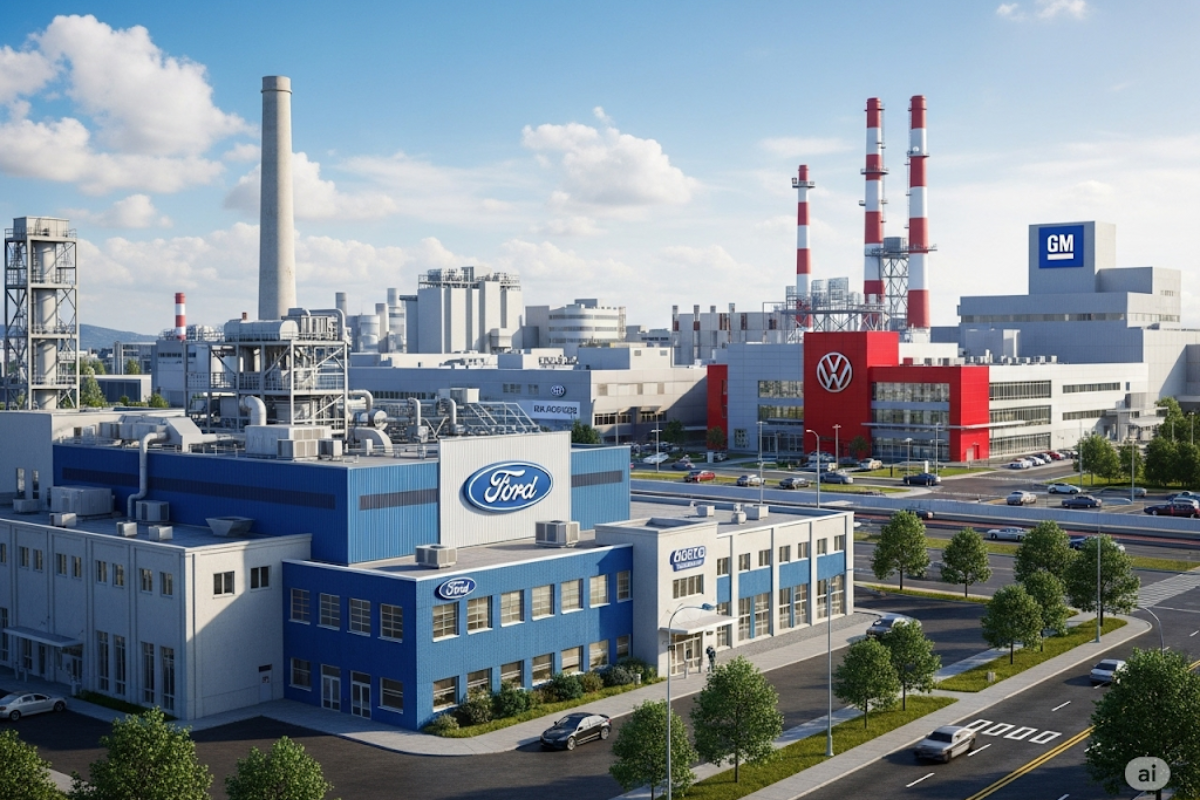
Many Think of Volkswagen, But the Manufacturer That Installed the First Car Factory in Brazil Was Ford, Who Started Assembling the Model T in São Paulo in 1919, Long Before the Popularization of the Beetle.
The discussion about which company inaugurated the first car factory in Brazil often generates confusion. Although Volkswagen has a prominent role in the mass motorization of the country with models like the Beetle and the Kombi, it was Ford Motor Company who first established car assembly operations on Brazilian soil in 1919. It is crucial to distinguish between “assembling cars” from imported kits and “manufacturing” with a high degree of nationalization.
The history of the Brazilian automotive industry is filled with important milestones, but a common question persists: which was the first manufacturer to establish a car factory in the country? Contrary to popular perception, which often points to Volkswagen, historical records indicate that Ford Motor Company was the pioneer.
The Arrival in Brazil and the Beginning of Car Assembly in 1919
Ford Motor Company formalized its Brazilian subsidiary on April 24, 1919, with an initial investment of US$25,000. Operations began on May 1, 1919, in a small rented shed on Rua Florêncio de Abreu, in downtown São Paulo.
-
These are the drivers who may stop paying tolls on highways in a project that promises to reduce costs for those who live from transportation in Brazil.

-
(Video): Italian pilot lands plane on moving train at 120 km/h and achieves unprecedented feat in aviation, even with a narrow runway and without direct visual contact.
-
It seems to have come out of a science fiction movie: A Brazilian city where it rains almost every day, recording over 4,000 mm per year, driven by climatic factors — a direct result of its strategic location in the Amazon.

-
The water crisis that could change everything this year has already begun; it’s not just about the climate, it affects technology, raises product prices, and can halt entire companies without warning.


The main activity was the assembly of the Ford Model T (nicknamed “Ford Moustache”) and the Model TT truck, using parts and components imported from the United States in the CKD (Completely Knocked Down) system.
With an initial team of twelve employees and about one hundred Brazilian workers, production started with three units per day. The robust and easy-to-maintain Model T quickly became popular.
The First Mass Assembly Line in Brazil, Ford in Bom Retiro (1921)
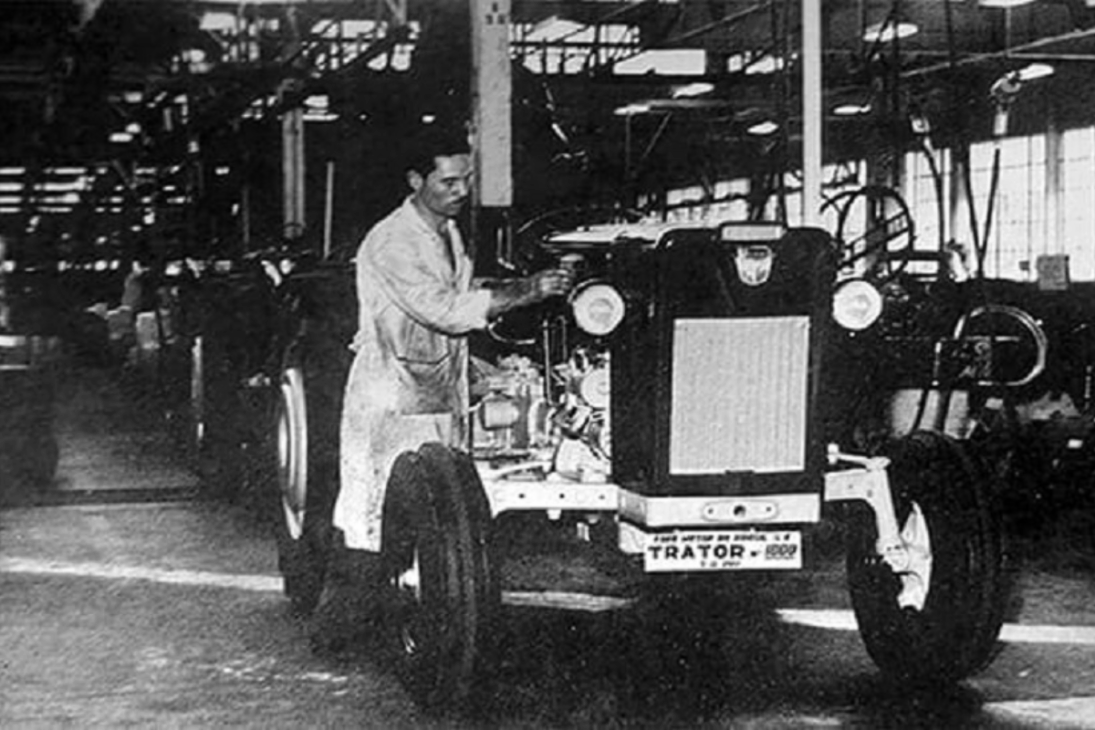
The success and growing demand led to the need for larger facilities. In 1921, Ford inaugurated its first industrial plant on Rua Solon, in the Bom Retiro neighborhood of São Paulo. This building, designed as a smaller version of the Highland Park factory in Detroit, housed the first mass vehicle assembly line in Brazil.
By 1923, the factory employed 124 people and had the capacity to produce 4,700 automobiles and 360 Fordson tractors per year. Ford also pioneered technical training, founding the “Mechanical School on Wheels”.
Other Initiatives and the Arrival of General Motors
Although Ford was the first to establish a mass automobile assembly line, other initiatives already existed. Grassi & Co. had already been assembling bus bodies on imported chassis since 1911 (or 1908), demonstrating prior local technical capacity in motorized vehicles.
Six years after Ford, in 1925, General Motors (GM) began operations in Brazil, also in São Paulo, assembling Chevrolet vehicles from CKD kits. These initiatives consolidated São Paulo as the hub of the emerging automotive industry.
The Later Arrival of Volkswagen and the Focus on Manufacturing with National Content
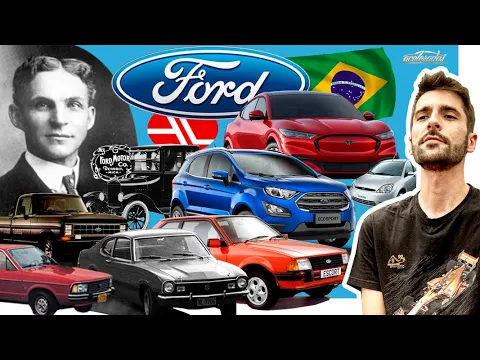

Volkswagen arrived in Brazil later. Between 1951 and 1953, Brasmotor assembled Beetles from imported kits. In 1953, Volkswagen took over operations directly, initially also with CKD assembly in a shed in Ipiranga.
The major turning point for VW was its focus on manufacturing with a high degree of national content, driven by the policies of GEIA (Automotive Industry Executive Group). The factory on Via Anchieta, operational in 1957, began producing the Kombi with 50% domestic parts, and the nationalized Beetle emerged in 1959.







Seja o primeiro a reagir!