





 Portuguese
  English
  Spanish
  5 min of reading
  0 comments


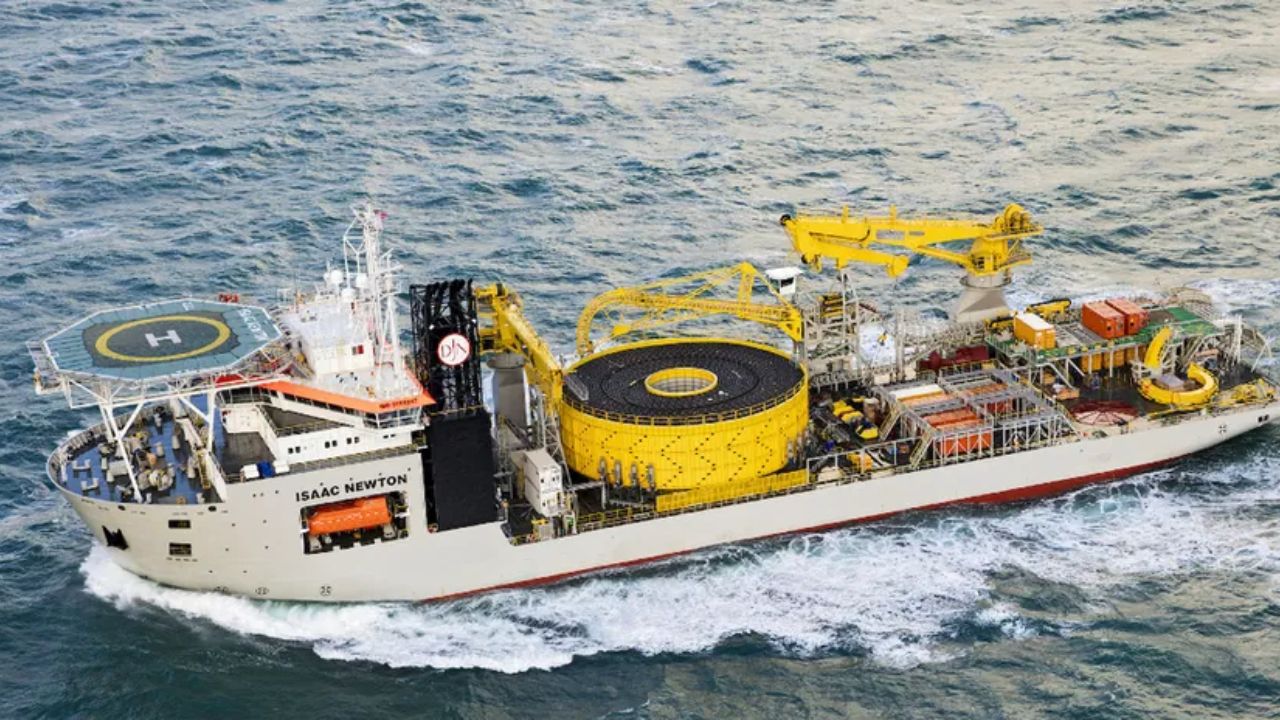
Meet the Cable-Laying Ship, the Vessel Capable of Laying and Repairing Thousands of Kilometers of Fiber Optics, Connecting Continents with Remarkable Discretion and Efficiency.
The cable-laying ship is a central piece in the global communication infrastructure, operating in the vast and mysterious maritime depths. These highly sophisticated vessels are the true titans of global connectivity. They lay and repair the submarine fiber optic cables that form the backbone of our digital communication, connecting continents in large-scale operations, often wrapped in necessary secrecy.
The Vital Mission of the Cable-Laying Ship
The submarine fiber optic cables constitute the invisible backbone of the Internet. They are responsible for transmitting more than 95% to 99% of all international data. The National Telecommunications Agency (ANATEL) of Brazil states that these cables are “essential for telecommunications”. They manage over 90% of data transmission between continents. Fast Company Brazil reiterates that these systems form the “foundations of the global internet”. The predominance of cables over satellites for large volumes of data is a critical point. The capacity, speed, and cost-effectiveness of fiber optic cables are unmatched for large-scale traffic. This overwhelming dependence creates efficiency, but also a concentrated point of vulnerability. Thus, the strategic importance of the actual cable-laying ship fleet is very concrete.
The Laying and Repair of Cables
Contemporary cable-laying ships are sophisticated platforms. They have large-capacity cable tanks, some with carousels for 7,000 or 10,000 tons of cables. Dynamic Positioning (DP) systems, such as DP3 class, are essential for maintaining the ship’s precise position. They are capable of remaining at sea for weeks or months. The onboard technology includes cable engines, underwater plows to bury cables in shallow waters (up to 1500-2000 meters), protecting them. Remotely Operated Vehicles (ROVs) are crucial for surveys, burying, inspection, and repairs. Grapnels and cutting tools assist in recovering damaged cables. Specialized facilities for splicing fiber optics are also vital onboard.
-
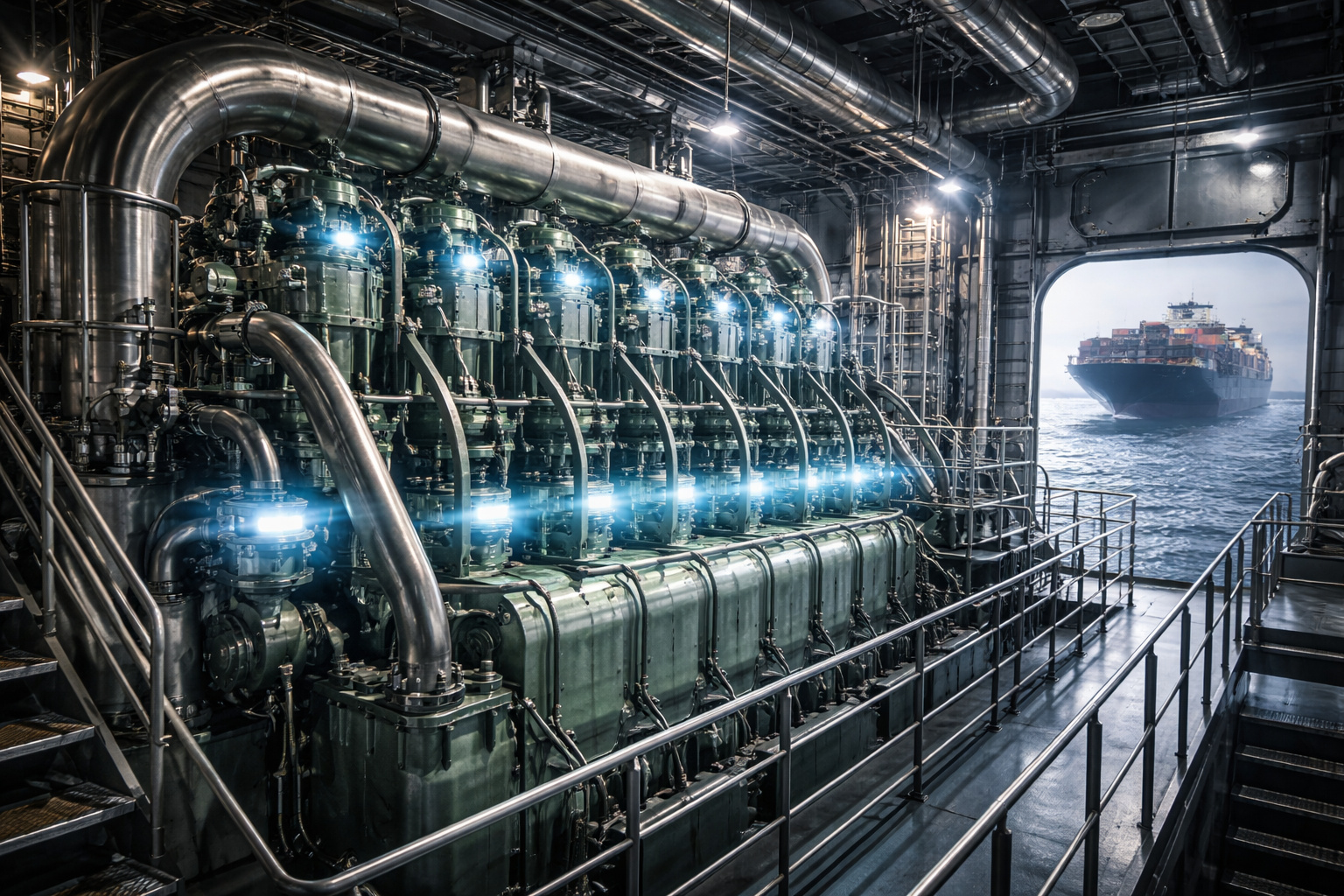
Europe is trying to create an ammonia-powered marine engine without auxiliary fuel, which could unlock the race for giant emission-free ships. The technology aims to eliminate one of the biggest obstacles to clean maritime propulsion.
-
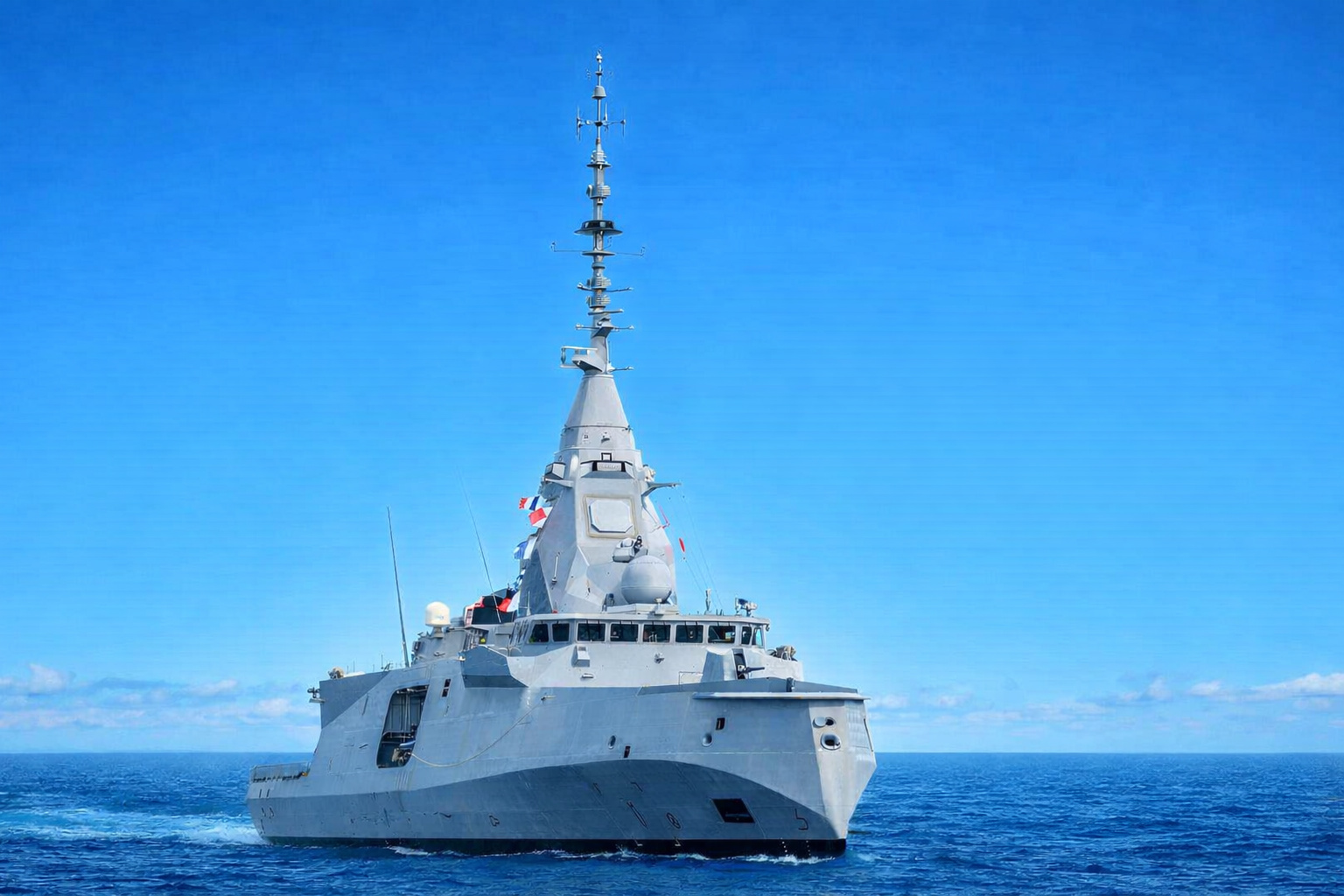
A 4,500-ton frigate with just over 100 crew members, state-of-the-art radar, and cruise missiles is being touted as the new standard of naval warfare in the 21st century.
-
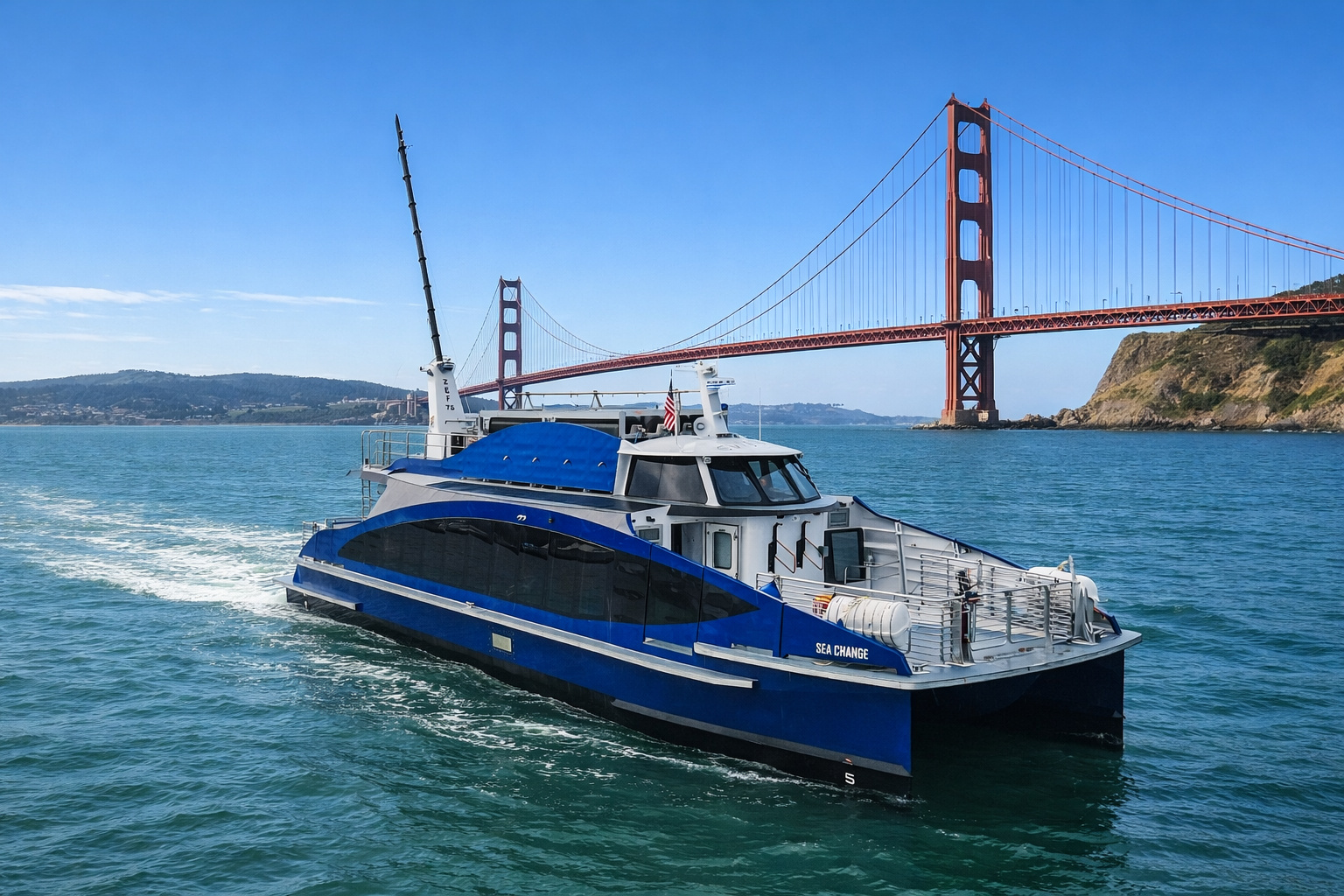
The first commercial hydrogen-powered ferry enters operation in the U.S., eliminates the use of diesel, uses fuel cells to generate clean energy on board, and transforms San Francisco Bay into a landmark of the new era of emission-free navigation.
-
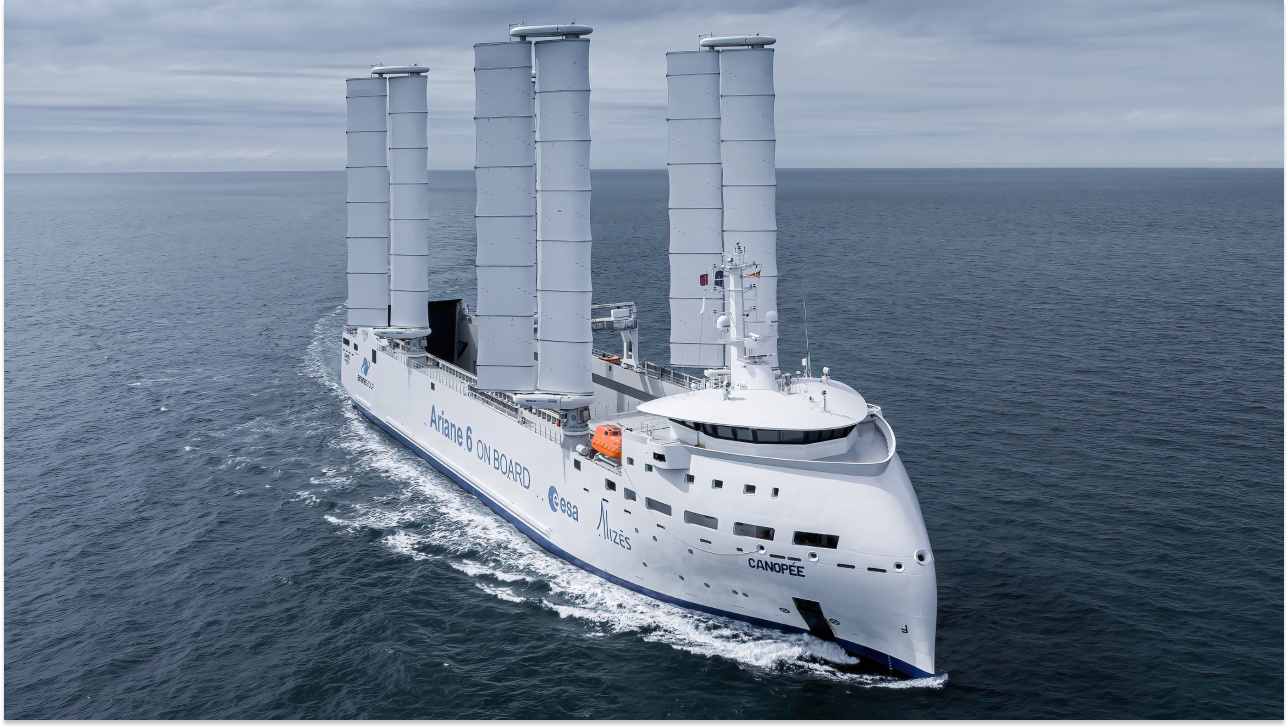
With a length of 121 meters and four rigid sails of 36 meters that automatically rotate to capture the wind, Canopée is the world’s first hybrid industrial cargo ship powered by wind, used to transport rockets and reduce fuel consumption by up to 30% on transoceanic routes.

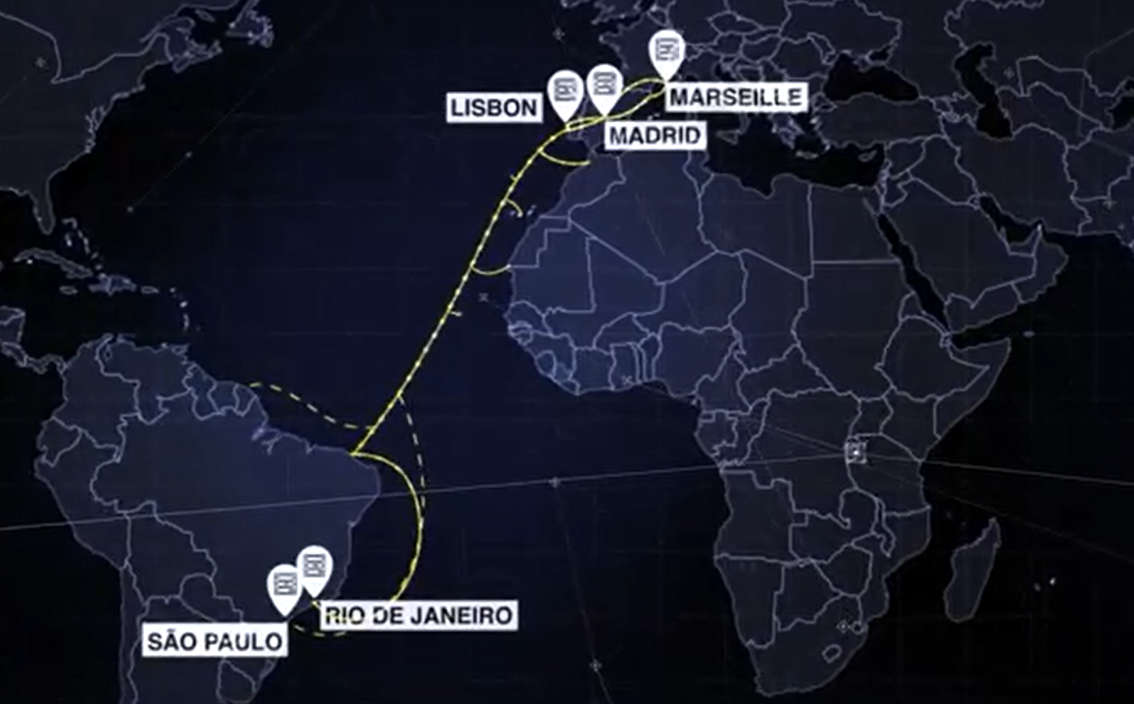
The installation process of a new cable is meticulous. It starts with extensive seabed surveys to plan the optimal route, avoiding hazards. The cable-laying ship then slowly unravels the cable, depositing it precisely. The EllaLink cable, connecting Brazil and Europe with 6,200 km and a capacity of 72 terabits per second, illustrates this process well.
The repair of a cable is equally complex. After detecting the fault, the cable-laying ship is mobilized. The damaged cable is recovered from the seabed using grapnels or ROVs, a process that can take more than a day at great depths. Onboard, the damaged section is removed. A new cable section is spliced, a delicate task involving the precise fusion of fiber optics. After tests, the repaired cable is carefully returned to the seabed. The whole process can take many days.
The Strategic Dimension and Secrecy of the Cable-Laying Ship
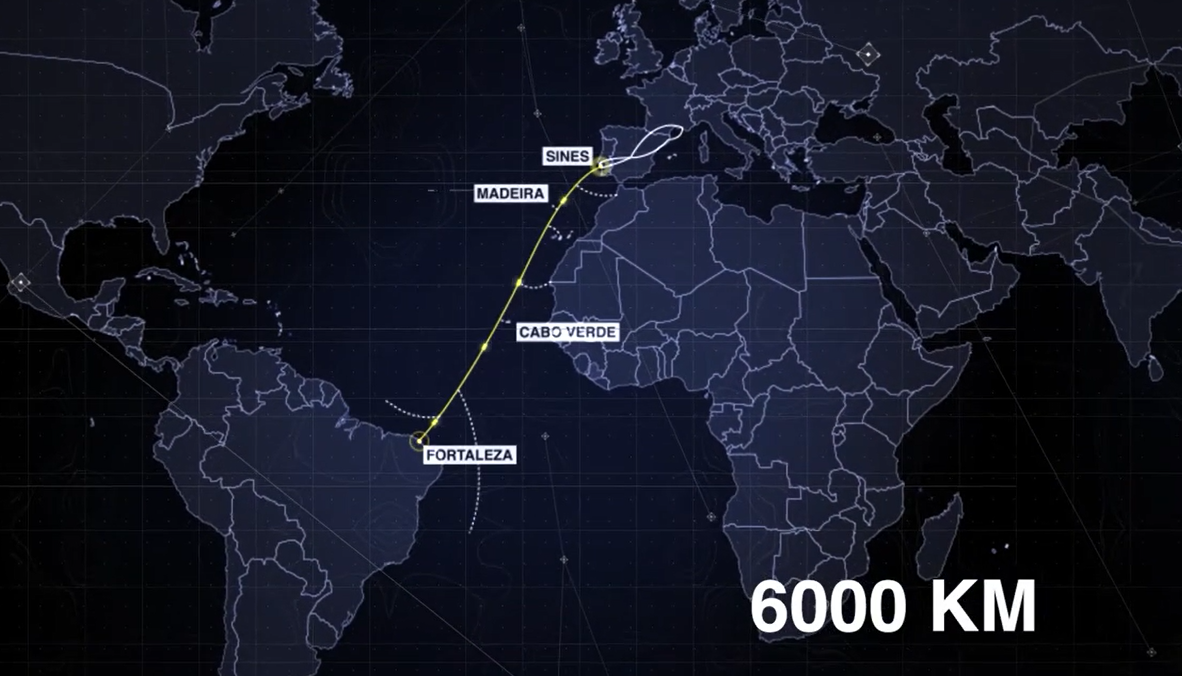
Submarine cables are universally recognized as critical infrastructure. In Brazil, ANATEL classifies them this way. Their disruption would cause serious social, economic, and national security impacts. Cities like Fortaleza, with 16 submarine cables, demonstrate their importance. Despite this, the network faces multiple threats. Accidental damages from fishing equipment and anchors are the most common, causing 100 to 150 incidents annually. Natural hazards like earthquakes and underwater landslides also represent risks.
Deliberate sabotage and espionage are growing concerns. Public knowledge of the general routes of the cables makes them identifiable targets. Russia, for example, has shown interest and possesses naval capabilities to monitor and potentially interfere with these infrastructures. The Russian research vessel Yantar has been suspected of espionage activities. The “absolute secrecy” surrounding cable-laying ship operations is multifaceted. It involves operational security, where precise details about locations and vulnerabilities are not disclosed. It also includes secret state capabilities for information gathering. Regulatory and protective measures are implemented. Agencies like ANATEL oversee installation and security. Burying cables in shallow waters and using additional shielding are common practices.
The Titans of Connectivity
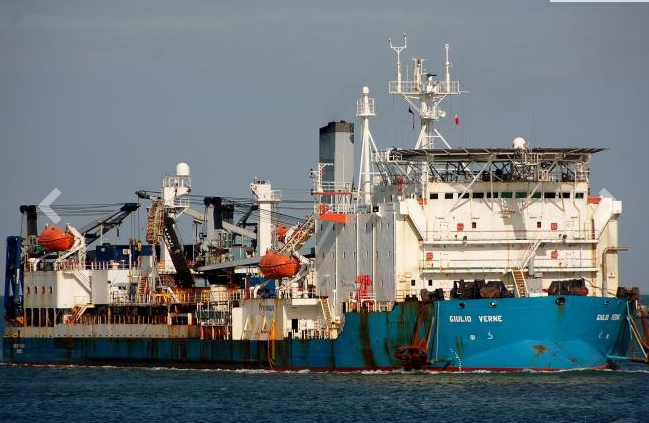
The global capacity to lay and repair fiber optic cables resides in a limited group of companies. Alcatel Submarine Networks (ASN), SubCom, Prysmian Group, and Nexans are among the leading commercial operators. ASN has installed over 750,000 km of cable. SubCom has implemented systems that could circle the Earth more than 21 times. Prysmian Group has a considerable fleet, including ships like Giulio Verne. Nexans operates advanced vessels like Nexans Aurora. KDDI Cableships & Subsea Engineering (KCS) specializes in repairs.
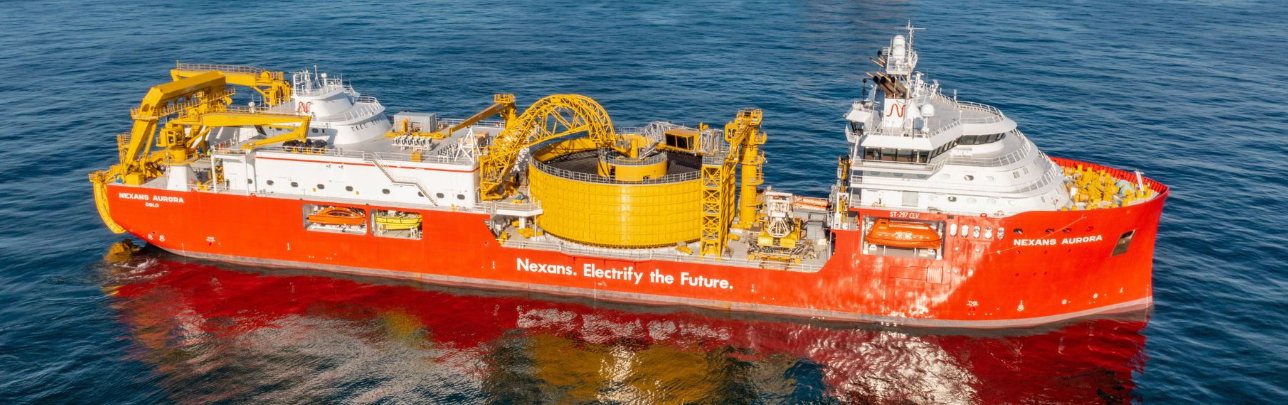
Due to high costs, many systems are financed by consortia of telecommunications companies. Recently, large content providers like Google and Meta (Facebook) have become investors and owners of new cable systems. In addition to commercial operators, some states play a direct role. Russia planned fiber optic links to its bases in the Arctic, with the “Polar Express” project. The access to the limited number of advanced repair ships becomes strategically important during crises.
The Future Connected by the Cable-Laying Ship


The submarine cable sector and the technology of the cable-laying ship continue to evolve rapidly. The demand for greater transmission capacity is relentless, driven by new technologies like AI and 5G. New strategic routes, including through the Arctic, are being explored to offer lower latency and greater diversity. There is a growing potential to integrate scientific sensors into cables for environmental monitoring.
Enhanced security and resilience are priorities, with increased emphasis on physical protection and route diversification. The “absolute secrecy” in certain aspects of operations will persist, given the critical nature and strategic sensitivity. The ongoing balance between global connectivity, national security, and commercial interests will continue to be a challenge. International cooperation is increasingly vital to ensure the stability and security of this global resource.








Seja o primeiro a reagir!