





 Portuguese
  English
  Spanish
  5 min of reading
  0 comments


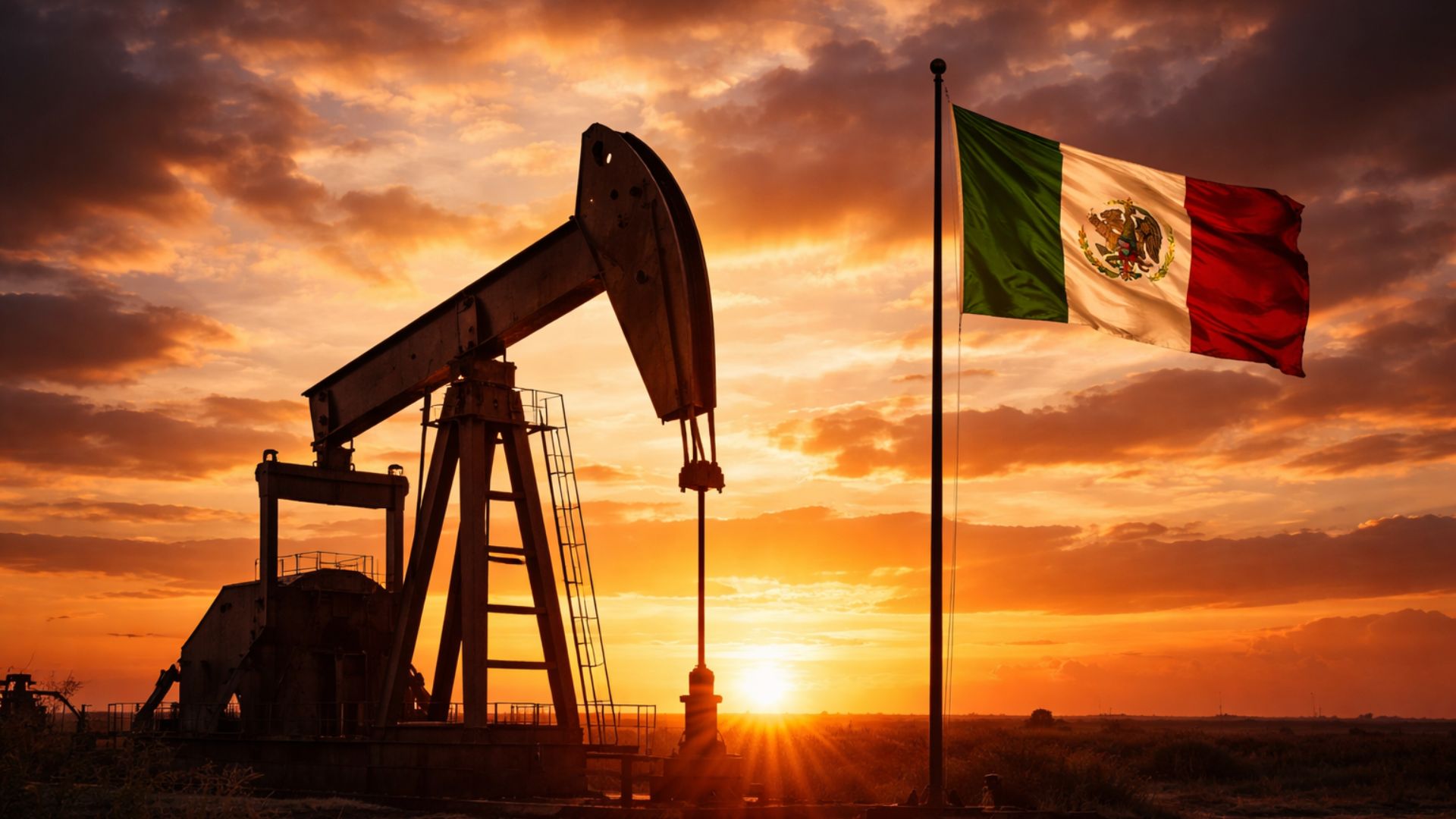
Mexico Maintains Oil Supply to Cuba Even Under Pressure from the U.S. Sheinbaum’s Decision Rekindles Warnings About Energy Crisis, Humanitarian Impact, and Regional Migration Risk
The Mexican government confirmed the continuation of the oil shipment to Cuba, even amidst increasing pressure from the U.S. and escalating diplomatic tensions on the continent. According to a report published by the website O Povo this Monday (19), the decision, publicly defended by President Claudia Sheinbaum, comes at a critical time for the Caribbean island, which is facing energy shortages, prolonged blackouts, and the risk of a humanitarian crisis.
The continuation of this supply follows a sharp reduction in flows from Venezuela, historically Cuba’s main fuel supplier. Experts warn that a definitive halt to these shipments could deepen social instability and trigger a new wave of mass migration, with a direct impact on Mexico and also the United States.
Venezuelan Oil Interruption Aggravates Crisis in Cuba
The issue has gained both geopolitical and humanitarian dimensions.
Furthermore, the Mexican decision comes amid the revision of the T-MEC trade agreement, raising the sensitivity of the relationship between Mexico and the U.S. Since early December, the transit of oil tankers between Venezuela and Cuba has been abruptly interrupted.
-
Lula reveals a masterstroke by Petrobras to undo a deal made by Bolsonaro, which involves the return of an important refinery that currently produces less than half of what was expected and makes Brazil dependent on international diesel.
-
A study confirms that the natural gas sector will reduce greenhouse gas emissions in Brazil by 0.5% and accelerate the energy transition by 2026.

-
Petrobras implements a severe adjustment and confirms a 55% increase in the price of aviation kerosene with a proposal for installment payments for the companies.

-
The rise in oil prices could ensure an extra revenue of R$ 100 billion for the Federal Government, indicates a recent economic study.


Digital maritime trackers have begun to record only sporadic arrivals of tankers, insufficient to sustain the full operation of the Cuban energy system.
According to researcher Jorge Piñón from the University of Texas, there are currently no ships leaving Venezuela for Cuba. The last significant shipment occurred on December 8, when the vessel Songa Neptune 6 docked at the port of Matanzas carrying about 598,000 barrels of oil.
In recent years, the volume sent from Caracas had already been declining. A decade ago, Cuba received about 90,000 barrels daily from Venezuela. This figure had fallen to approximately one-third before the complete interruption, drastically reducing the island’s energy safety margin.
Mexico Takes on Strategic Role in Oil Supply to Cuba
With the Venezuelan reduction, Mexico has assumed a central position in providing energy to Cuba. Since 2023, the country has been supplying oil through Gasolinas Bienestar, a subsidiary of the state-owned entity Petróleos Mexicanos (Pemex).
Between January and September of last year, Pemex exported about 17,200 barrels of crude oil daily to the island and another 2,000 barrels of derivatives. The total value of these transactions reached approximately 400 million dollars, according to official data.
Nevertheless, analysts highlight that the shipments are not enough to fully replace the volume that previously came from Venezuela. Still, they represent a temporary energy lifeline in a scenario of extreme scarcity.


Sheinbaum, Energy Sovereignty, and Humanitarian Aid
President Sheinbaum has publicly defended the decision to maintain oil shipments to Cuba. According to her, Mexico has the sovereignty to decide the fate of its natural resources, and the shipments are carried out under legal contracts or classified as humanitarian aid.
Sheinbaum states that the policy does not represent a rupture with the U.S., but rather the continuation of a Mexican diplomatic tradition of non-intervention and regional cooperation. Additionally, she emphasizes that the Cuban energy collapse could generate severe indirect effects for Mexico itself, especially in the migratory field.
U.S. Pressures and Risks to Bilateral Relations
Despite Mexico’s official position, the decision has provoked reactions in Washington. The President of the U.S., Donald Trump, has publicly stated that “there will be no more oil or money for Cuba,” reinforcing the hardline policy against the Cuban regime.
Experts warn that Mexican supply could strain relations between the two countries, especially at a sensitive time of T-MEC revision, an agreement involving Mexico, the U.S., and Canada. The treaty is undergoing debates on tariffs, supply chains, and strategic commitments.
Former Mexican Chancellor Jorge Castañeda criticized the government’s position, stating that the problem is not legal, but one of strategic convenience. According to him, Mexico is risking a vital relationship with the U.S. in exchange for a limited benefit.
Additionally, there are concerns in the financial market. Although Pemex does not have American shareholders, a significant portion of its bonds are held by U.S. creditors, who may view shipments to Cuba as a risk to financial obligations.
Energy Crisis in Cuba and Its Impact on the Population
Cuba produces about 40,000 barrels of heavy oil daily, primarily used to power its eight thermoelectric plants. However, this domestic production is insufficient to meet national demand.
The country’s electrical infrastructure, although designed to operate with a margin, now generates only about half of the necessary electricity. As a result, daily blackouts lasting several hours — and, in some cases, entire days — have become common in various regions of the island.
The energy scarcity paralyzes strategic sectors of the economy, such as industry and agriculture, and directly affects basic services, including hospitals, transportation, and water supply.
Migration, Mexico, and the U.S. Facing a New Regional Risk
Regional policy experts warn that the deterioration of living conditions in Cuba could generate a new migratory wave. Since the end of 2021, more than one million Cubans have left the country, mostly heading to the U.S.
However, with the tightening of U.S. immigration policies following Trump’s return to the White House, tens of thousands of Cubans have been stranded in Mexico. This scenario increases pressure on the Mexican migration system and creates additional humanitarian challenges.
Analyst Gerardo Arreola highlights that Cuba has direct maritime borders with Mexico, making the country a natural destination for mass movements if the crisis worsens.
A Delicate Balance in the Geopolitical Landscape
Mexico’s decision to maintain oil shipments to Cuba, even under pressure from the U.S., exposes a delicate balance between sovereignty, economic pragmatism, and humanitarian responsibility. At the same time, it reveals how the Cuban energy crisis has crossed borders and begun to directly influence regional stability.
While Sheinbaum argues that the measure prevents a humanitarian and migratory collapse, critics warn of the diplomatic and financial risks involved. The outcome of this strategy will depend not only on the volume of oil sent but also on the capacity of the three countries to manage growing tensions in an increasingly unstable international scenario.









-

Uma pessoa reagiu a isso.