





 Portuguese
  English
  Spanish
  4 min of reading
  0 comments


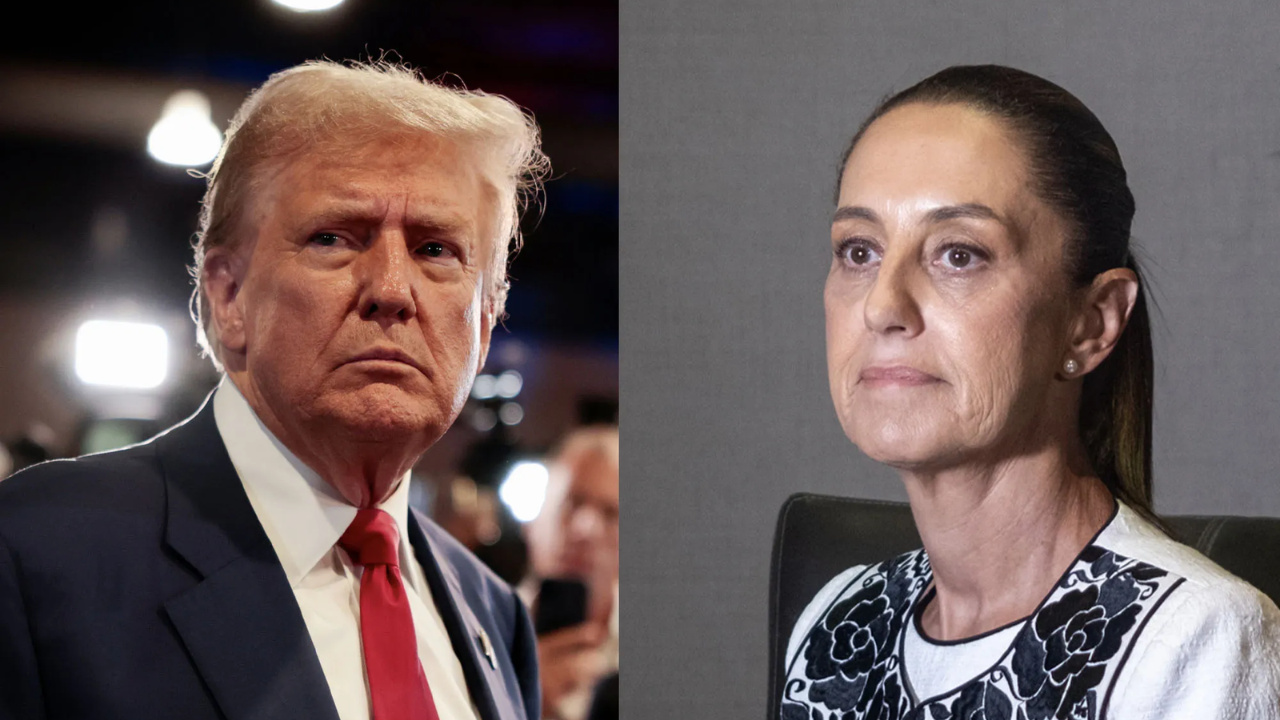
Mexico Surpasses Venezuela to Become Largest Oil Exporter to Cuba, Provoking Strong Reaction from US Lawmakers and Increasing Political Tension in the Region.
The oil has reignited the geopolitical landscape of the Americas. Amid an unprecedented reconfiguration in energy supply to Cuba, Mexico has taken over as the main exporter of the commodity to the Caribbean island, a move that sparked a strong reaction in Washington and placed the Mexican government directly in the crosshairs of the United States.
Lawmakers from the Republican Party, linked to American President Donald Trump, have begun to publicly pressure Mexico, accusing the country of supporting the Cuban regime at a time deemed critical for Havana.
The change in the flow of oil occurs precisely as Venezuela, the former main supplier, rapidly loses ground.
-
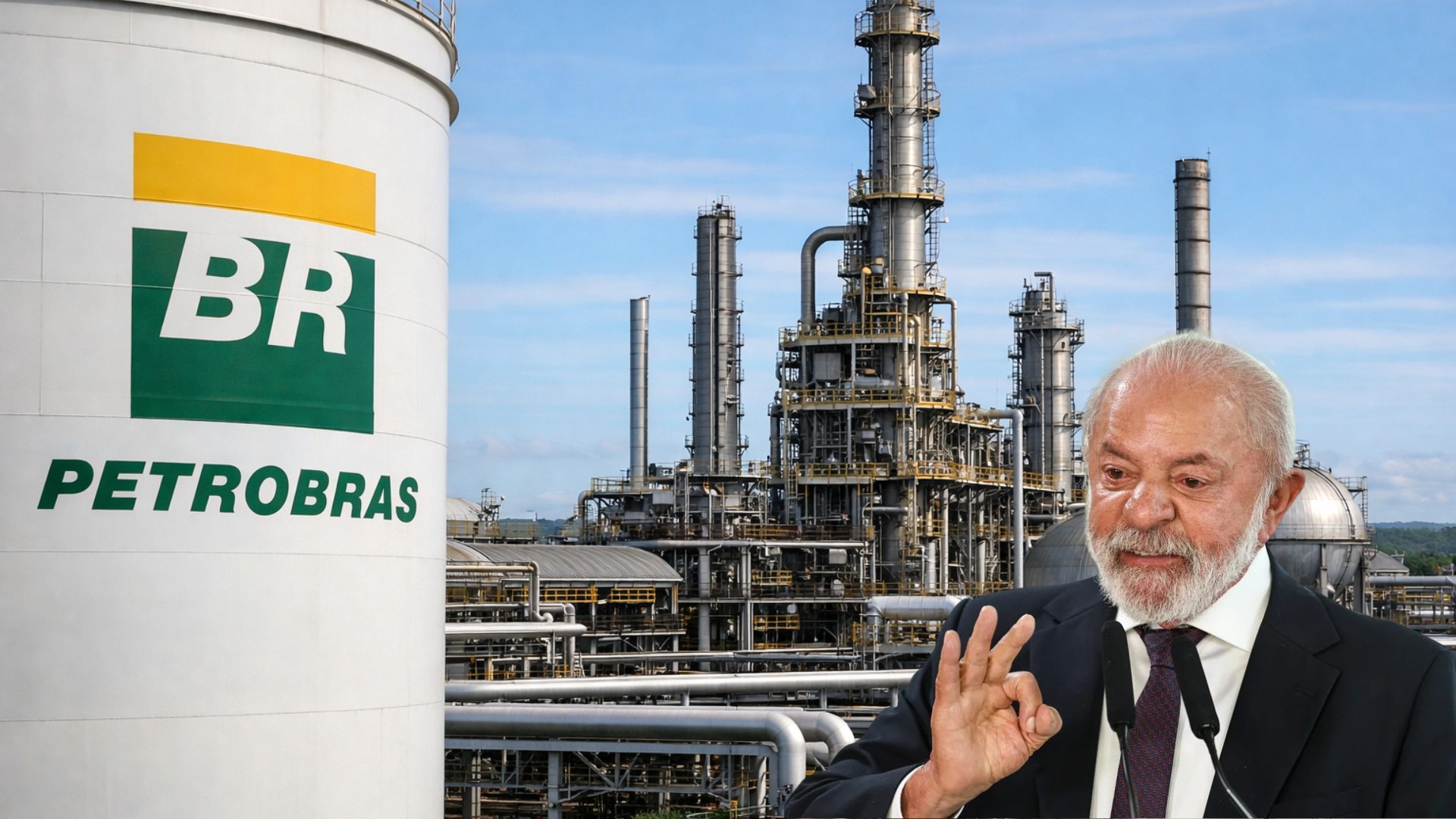
Lula reveals a masterstroke by Petrobras to undo a deal made by Bolsonaro, which involves the return of an important refinery that currently produces less than half of what was expected and makes Brazil dependent on international diesel.
-
A study confirms that the natural gas sector will reduce greenhouse gas emissions in Brazil by 0.5% and accelerate the energy transition by 2026.

-
Petrobras implements a severe adjustment and confirms a 55% increase in the price of aviation kerosene with a proposal for installment payments for the companies.

-
The rise in oil prices could ensure an extra revenue of R$ 100 billion for the Federal Government, indicates a recent economic study.


Numbers Reveal Historic Turnaround in Oil Supply
According to data released by the British newspaper Financial Times, in 2025 Mexico sent an average of 12,284 barrels of oil per day to Cuba.
This volume represented 44% of all crude oil imports to the island. During the same period, Venezuela exported about 9,528 daily barrels, equivalent to 34% of Cuba’s purchases.

Moreover, the numbers show a clear trend. Mexican oil exports to Cuba increased 56% compared to 2024. Meanwhile, Venezuelan shipments, which for years sustained the Cuban regime, plummeted 63% since 2023. Mexico’s repositioning did not go unnoticed by analysts and, especially, American politicians.
The new role of Mexico gained even more importance following the capture of Nicolás Maduro by American forces on the last day of the 3rd. The episode provoked a diplomatic shock and accelerated changes in oil supply to the region.
Trump was direct in stating that there will be no more Venezuelan oil sent to Cuba.
Additionally, the US president declared that the Castro regime should seek an agreement with Washington “before it is too late.” In this scenario, Mexican oil began to be seen as a strategic — and controversial — alternative.
Republicans Accuse Mexico of Supporting Cuban Dictatorship
In an interview with Fox News this Tuesday (27), Republican Representative Carlos Gimenez stated that the Cuban dictatorship “was already at its most fragile point in the last 65 years even before this action against Maduro.” According to him, the fall of the Venezuelan ally only deepened this fragility.
“My only concern is that it seems Mexico is now trying to sustain them. Thus, the oil they were receiving from Venezuela is being replaced by Mexican oil,” Gimenez said.
The lawmaker also made direct criticisms of Mexican President Claudia Sheinbaum, from the left-wing Morena party, calling her a “Marxist.” For him, ideological issues were overshadowing historical denunciations against the Cuban regime.
Oil Could Become Bargaining Chip in Trade Agreement
The shipment of oil to Cuba now surfaces as a potential pressure factor in negotiations for the revising of the trade agreement between the United States, Mexico, and Canada, scheduled for July. American lawmakers have already indicated that the topic could be used as a political tool against the Mexican government.
This Tuesday, Sheinbaum confirmed that a scheduled oil shipment to Cuba was suspended after the case was publicized by international agencies. However, the president avoided detailing the reasons for the decision.
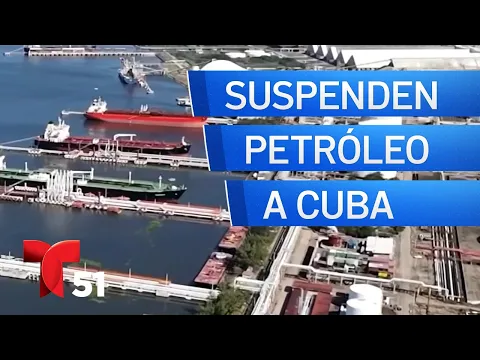
In the face of pressure, Claudia Sheinbaum stated that decisions regarding oil shipments are sovereign. According to her, the decision depends on the state-owned Pemex, based on contracts, or the government itself in specific situations.
“The decision of when [the oil] is sent and how it is sent is a sovereign decision determined by [the Mexican state-owned company] Pemex based on contracts — or, in other cases, by the government, as a humanitarian decision to send it under certain circumstances,” the president stated.
Even so, the partial retreat was celebrated by American lawmakers.
Suspension is Celebrated in the US and Increases Political Pressure
Republican Congresswoman Maria Elvira Salazar publicly praised the suspension of the shipment. For her, the gesture indicates a change in Mexico’s stance.
“Mexico is beginning to shift course and is doing the right thing. This is great news and a clear sign that the end of the Cuban regime is near,” she stated on social media.
She also emphasized that she had directly asked the Mexican president to halt the shipment of oil to the island.
“Last week, I directly asked President Sheinbaum to stop funding the dictatorship with free oil,” she wrote.
For you, is Mexico just doing business with its oil, or is it taking on a risky political role that could elicit retaliation from the United States? What can Trump do to punish Mexico?








Seja o primeiro a reagir!