





 Portuguese
  English
  Spanish
  6 min of reading
  0 comments


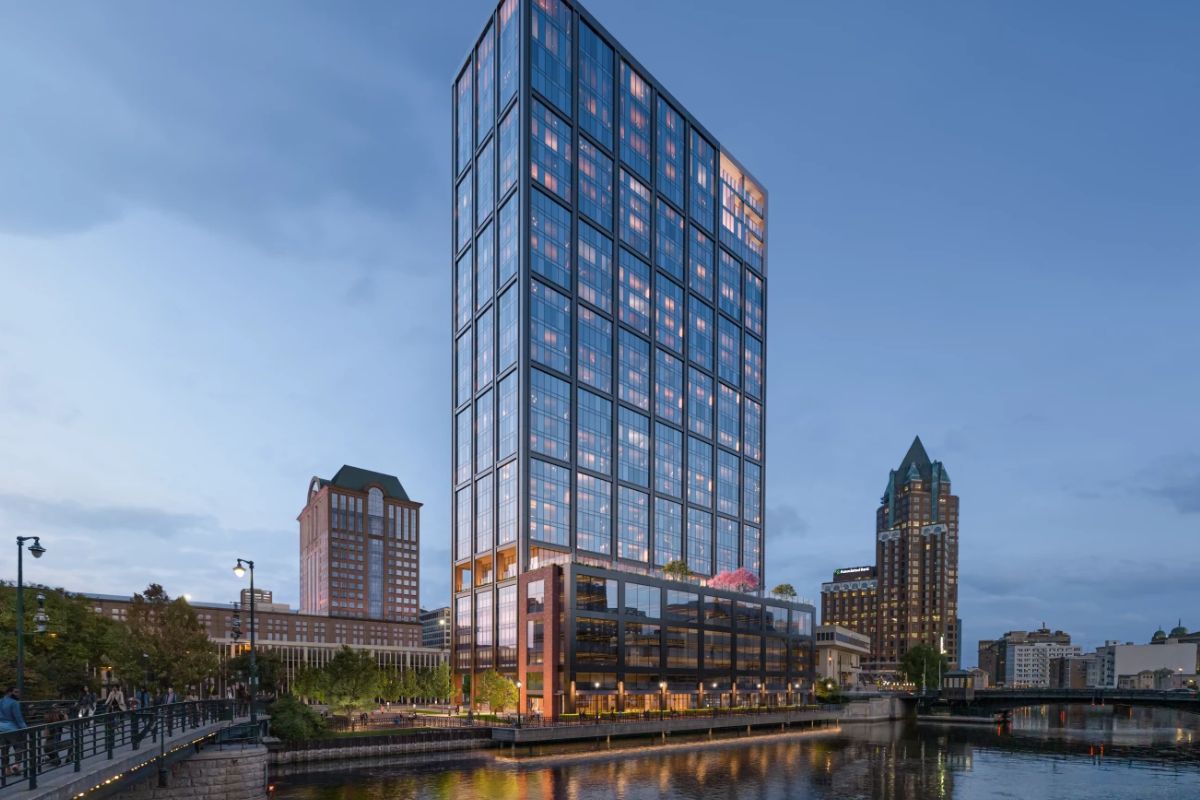
City That Raised A Record Wood Skyscraper Now Struggles To Bring To Life A 55-Story Solid Wood Complex, Pressured By Tariffs, Inflation And Billion-Dollar Costs.
The city of Milwaukee, in the state of Wisconsin, has made its mark on the sustainable construction map by raising the Ascent, now recognized as the tallest wooden building in the world. A new skyscraper planned to surpass this mark promises to further transform the urban skyline, but faces an explosive combination of tariffs, inflation, and an estimated budget of around US$ 700 million.
On paper, the plan is ambitious. Led by the regenerative development company Neutral and the architecture studio Michael Green Architects, the project foresees a solid wood tower with dozens of floors, integrated into a new urban fabric of housing, offices, services, and public spaces. In practice, however, the combination of rising costs and economic uncertainties has already led to the halt of construction on one of the key buildings and left open when, and in what form, this new wooden giant will come to life.
Milwaukee, The City That Already Houses The Tallest Wooden Building In The World
When Ascent was completed, Milwaukee ceased to be just an industrial city in the Midwest and became a global showcase for solid wood construction.
-
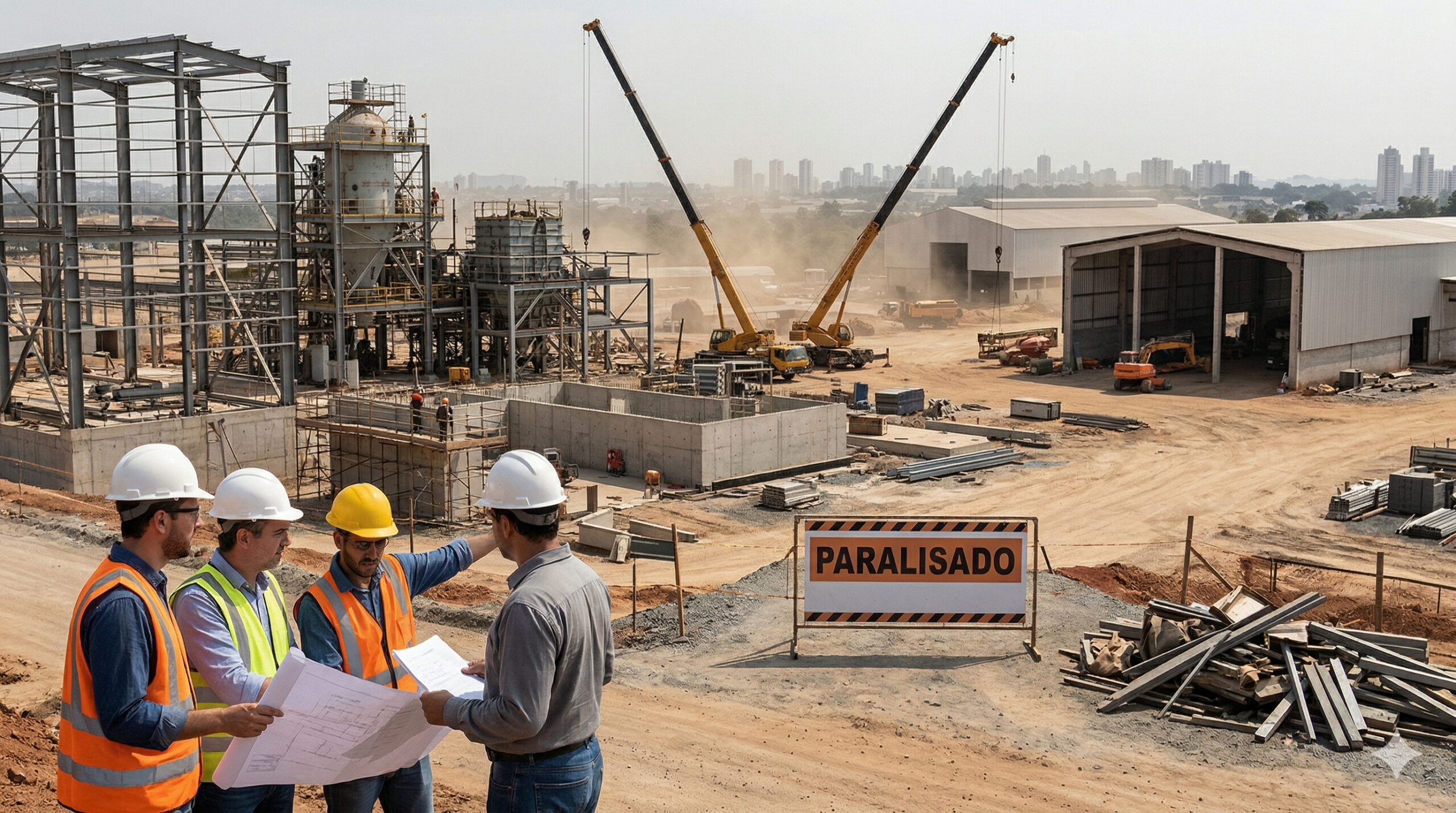
The lack of welders, electricians, and operators becomes a structural threat in 2025, with the construction industry and manufacturing already suffering from delays, cost pressures, and labor shortages in Brazil.
-
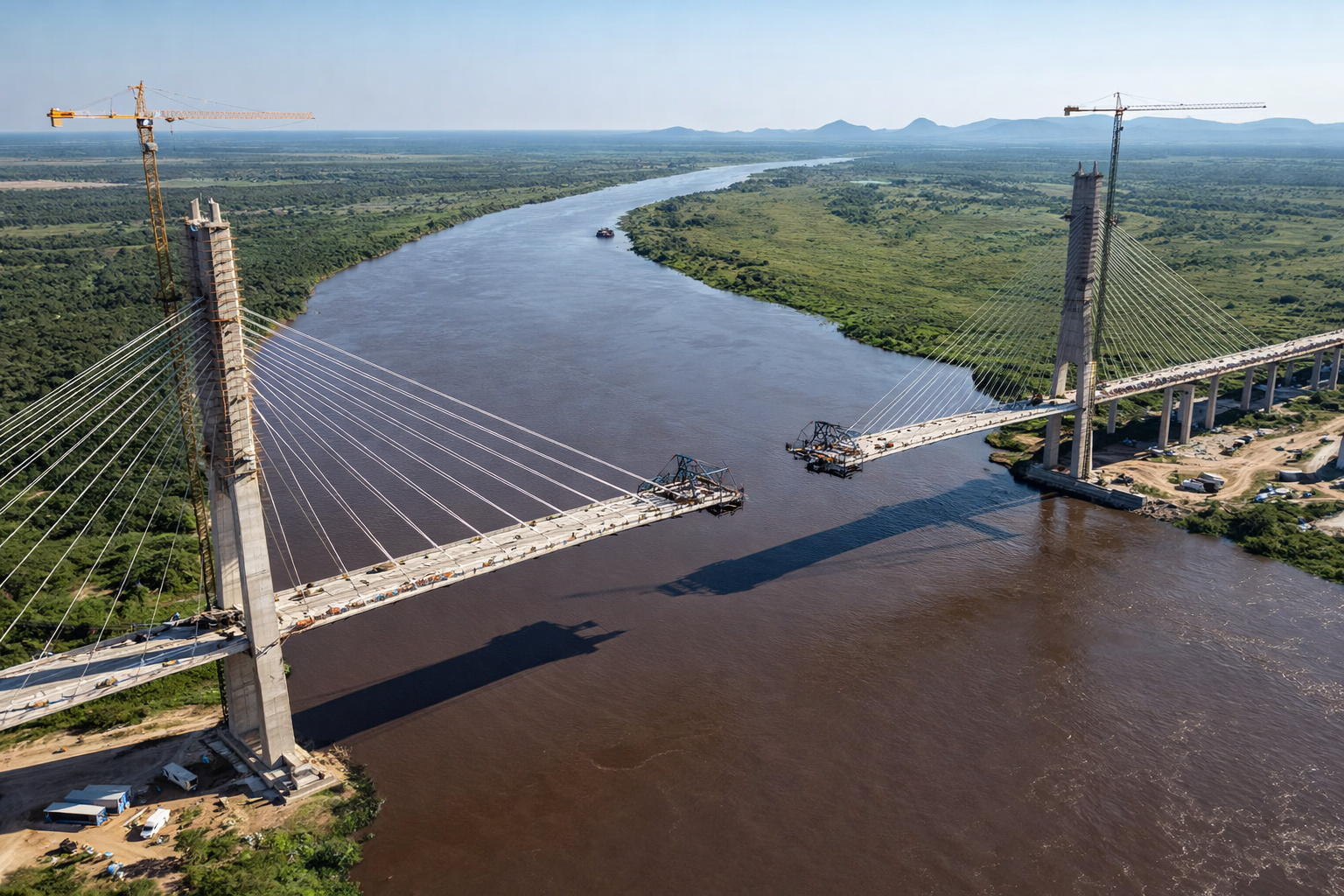
Brazil and Paraguay are just 46 meters away from a historic union on the bioceanic bridge that promises to revolutionize trade between the Atlantic and the Pacific.
-
With 55 km over the sea, a cost of US$ 20 billion, and enough steel to build 60 Eiffel Towers, China’s largest project has connected Hong Kong, Zhuhai, and Macau in a colossal bridge that defies the logic of engineering.

-
A trick with joint compound transforms a Styrofoam ceiling into a plaster-like ceiling: leveled panels, wires and mesh at the joints, sand, paint, and change the environment while spending little today.


With about 25 stories and approximately 87 meters in height, the building combines wooden structure with concrete elements and houses high-end residential use, demonstrating that tall wooden buildings can be safe, urban, and profitable.
More than an architectural experiment, the Ascent has become a marketing and public policy argument. Having the tallest wooden building in the world in the city center helps Milwaukee attract investments, qualify the climate debate, and reposition its image as a hub of innovation in sustainable construction.
This first record provides the backdrop for understanding why the next wooden tower in contention is so strategic.
Neutral 1005 N Edison St: The Project That Promised A New Leap
The next step for Milwaukee towards a new record is the Neutral 1005 N Edison St building, designed to surpass the height of Ascent and reclaim its place as the tallest wooden skyscraper on the planet.
The project is described as a building with about 114.3 meters in height, 31 floors, and approximately 350 residences, as well as commercial areas, a gym, a health clinic, and other amenities aimed at daily use.
The structure is based on modern solid wood products, such as cross-laminated timber (CLT) and glued laminated timber (GLW), combined with a rigid concrete core for elevators and stairs.
The idea is to combine the best of both worlds, using wood as the protagonist without sacrificing traditional reinforcements at the most critical points of the structure.
The foundations of the building have already been completed, showing that the project has moved from the drawing board and has advanced rapidly on site.
The problem is that the race to erect a new “tallest wooden building in the world” has stumbled upon an obstacle that no structural calculation can resolve alone: cost.
Tariffs, Inflation And A US$ 700 Million Budget Weighing On The Bill

The bottlenecks of the construction are not related to engineering failures but to a difficult financial scenario. According to Neutral itself, the tariffs currently applied in the United States, combined with widespread inflation in the construction sector, have raised costs to a level that makes it unfeasible to follow the original schedule.
In light of this situation, the company has been working together with the construction firm CD Smith Construction on a strategy of “cost reduction and value optimization,” reviewing materials, design solutions, and construction stages to try to make the numbers work.
The halt of activities on site has been presented as temporary, but without a fixed date for resumption.
At the same time, the broader redesign of the Marcus Performing Arts Center area, which includes a wooden tower of about 55 stories and is budgeted at approximately US$ 700 million, adds another layer of complexity.
An investment of this magnitude requires fine alignment between construction costs, interest rates, real estate demand, and investor appetite.
Today, the biggest challenge for Milwaukee’s future wooden tower is not the height of the building, but the financial mathematics required to make a multi-hundred-million-dollar project profitable in an environment of pressured tariffs and inflation.
This helps explain why, even in a city that has already proven capable of building with wood, the future of the new skyscraper remains uncertain.
Why Persist In Wooden Skyscrapers In The Midst Of The Climate Crisis
The bet on solid wood is not an aesthetic whim. It rests on an uncomfortable diagnosis: the construction sector accounts for about 37 percent of global greenhouse gas emissions, mainly due to the production and use of materials such as concrete and steel, which are extremely carbon-intensive.
The logic of solid wood is to invert this curve. Trees absorb carbon throughout their lives. When transformed into structural elements of solid wood and used in construction, this carbon remains “trapped” for as long as the building exists.
In practice, each floor of a wooden skyscraper acts as a large carbon sink, the opposite of a conventional concrete slab.
This does not mean that the solution is simple. For the environmental equation to work, the wood needs to come from responsibly managed forests, with sufficiently long growth cycles, continuous replenishment, and controlled impact on land use.
Michael Green himself acknowledges that ensuring sustainable wood at scale to build entire cities is a challenge and that, in the future, it will be necessary to complement wood with other bio-based materials.
At the same time, building codes have begun to change. The International Building Code of the United States now allows solid wood buildings with more than six stories, and European countries are already including the use of wood in their climate goals.
Milwaukee fits as a kind of laboratory for this transition, boldly applying these permissions in increasingly taller towers.
What’s At Stake For Milwaukee And For Sustainable Construction

If the project led by Neutral progresses, Milwaukee could concentrate in a few blocks the Ascent and a new wooden tower, consolidating its position as a global reference in sustainable skyscrapers.
Having two projects competing for the title of tallest wooden building in the same city sends a strong message that the construction industry can change materials without sacrificing scale.
If, on the other hand, the project suffers severe cuts or does not go forward, the case will also be symbolic. It will show to what extent the combination of tariffs, inflation, and billion-dollar costs limits the adoption of sustainable solutions at scale, even when the technology is mature and the city is favorable to innovation.
In the end, Milwaukee is at the center of a dilemma that interests the entire world. Solid wood construction offers a concrete alternative to reduce emissions and reinvent cities, but still needs to prove that it can survive economic cycles, cost pressures, and political uncertainties surrounding large urban projects.
What do you think, is it worth insisting on wooden skyscrapers even with a budget of hundreds of millions of dollars or do you still feel safer betting on concrete and steel?








-

-

2 pessoas reagiram a isso.