





 Portuguese
  English
  Spanish
  5 min of reading
  2 comments





Concrete Bridges Designed to Last Up to 100 Years Already Show Corrosion in a Few Decades, While Centuries-Old Stone Bridges Continue to Operate and Raise a Global Debate About Durability and Modern Engineering.
Between the years of 2018 and 2023, technical reports published by government agencies and universities in Germany, the United Kingdom, the United States, France, and Brazil began to point out a recurring phenomenon: modern reinforced concrete bridges, mostly built between the 1950s and 1990s, started showing corrosion of reinforcements, accelerated cracking, loss of structural capacity, and load restrictions well before the end of their projected lifespan.
These data appear, among other official documents, in audits from the Federal Highway Administration (FHWA) of the United States, the National Audit Office (NAO) of the United Kingdom, the Bundesanstalt für Straßenwesen (BASt) of Germany, and the Tribunal de Contas da União (TCU) in Brazil. In all of them, there is a common point: modern bridges, designed to last 75 to 100 years, require heavy interventions, reinforcements, or replacements after 30 to 50 years of use.
The contrast becomes even more evident when compared to stone bridges built centuries earlier. Structures like the Ponte de Alcántara, in Spain (inaugurated in the year 106 A.D.), the Pont du Gard, in France (1st century A.D.), or the Ponte Vecchio, in Florence, inaugurated in 1345, continue to operate continuously to this day, enduring floods, thermal cycles, and modern traffic with minimal maintenance.
-
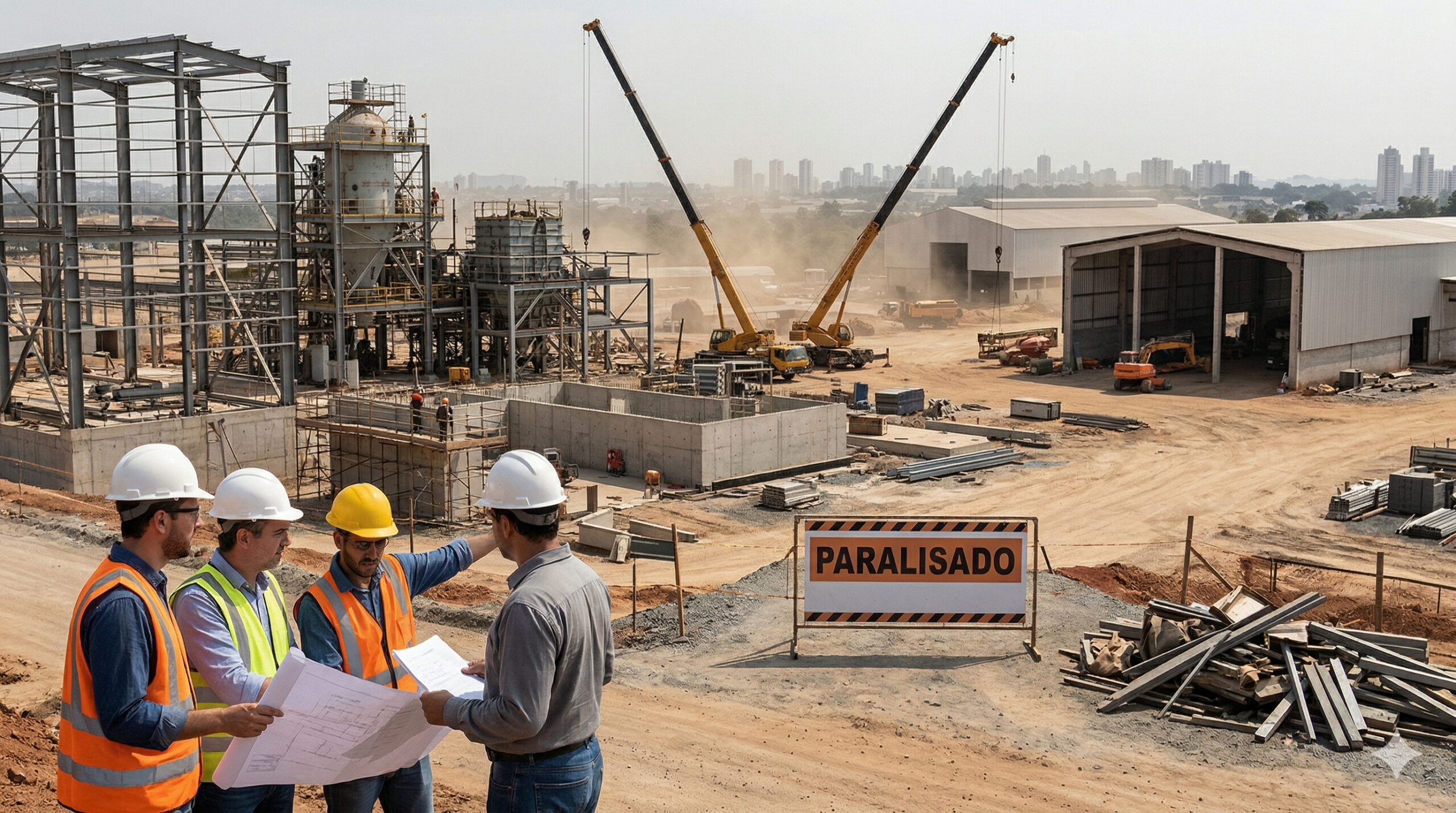
The lack of welders, electricians, and operators becomes a structural threat in 2025, with the construction industry and manufacturing already suffering from delays, cost pressures, and labor shortages in Brazil.
-
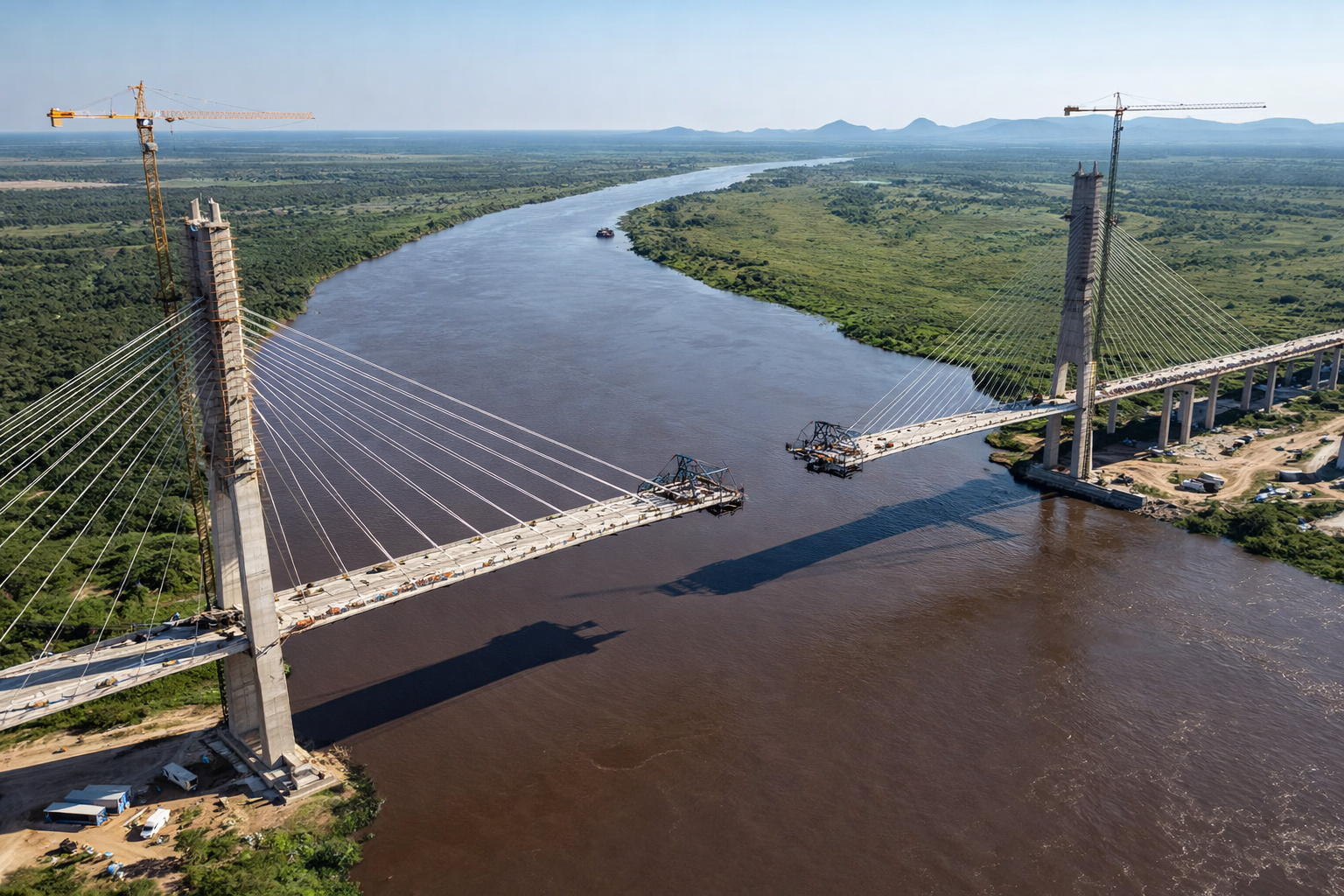
Brazil and Paraguay are just 46 meters away from a historic union on the bioceanic bridge that promises to revolutionize trade between the Atlantic and the Pacific.
-
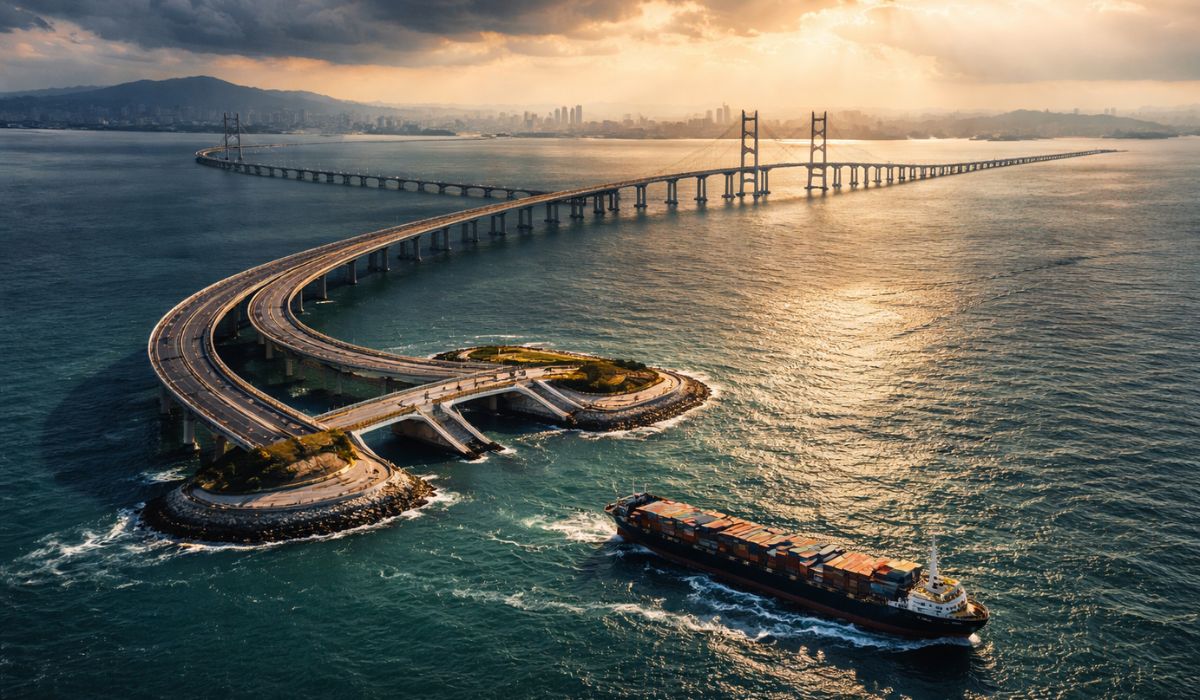
With 55 km over the sea, a cost of US$ 20 billion, and enough steel to build 60 Eiffel Towers, China’s largest project has connected Hong Kong, Zhuhai, and Macau in a colossal bridge that defies the logic of engineering.
-
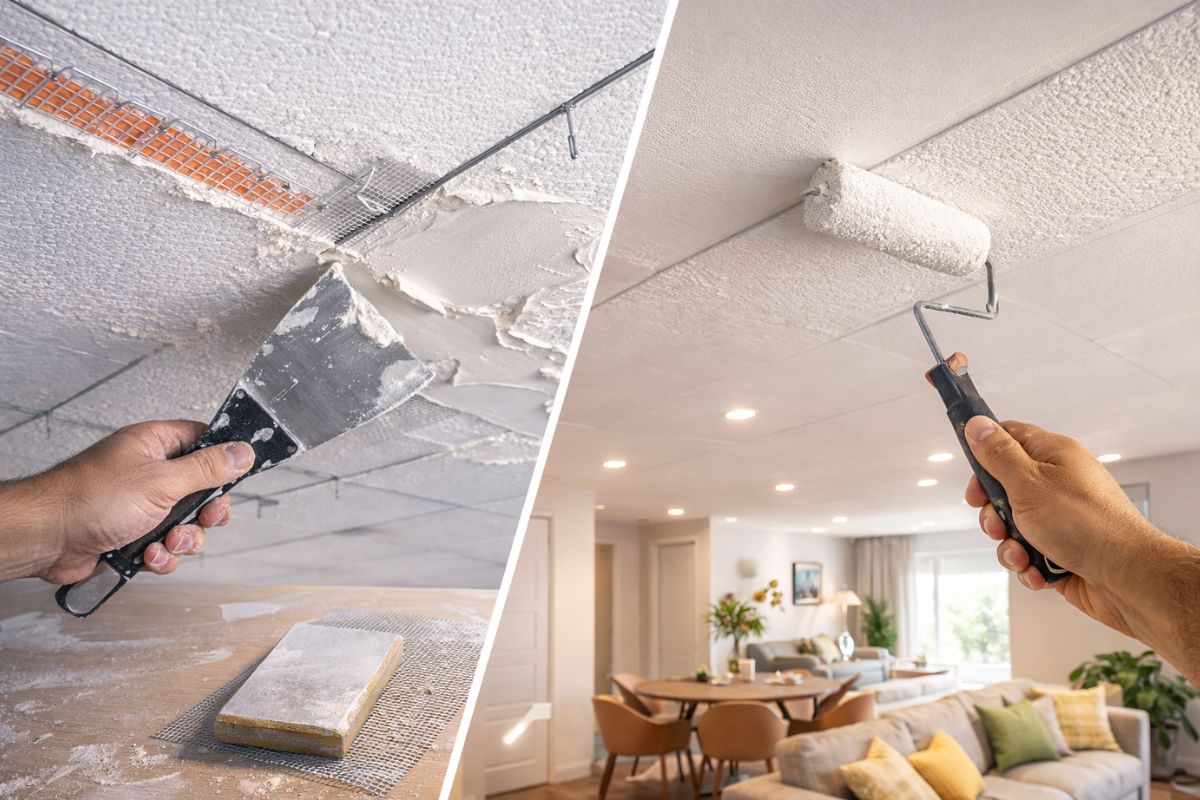
A trick with joint compound transforms a Styrofoam ceiling into a plaster-like ceiling: leveled panels, wires and mesh at the joints, sand, paint, and change the environment while spending little today.

This contrast has fueled an international technical debate: Has the advancement of modern engineering prioritized speed and initial cost over structural durability?
The Critical Point of Reinforced Concrete: The Invisible Steel That Defines Lifespan
Reinforced concrete became the dominant material in civil engineering in the 20th century for an objective reason: reduced cost, quick execution, and high initial strength. By combining concrete — excellent in compression — with steel — resistant to tension — it became possible to achieve larger spans, standardize designs, and accelerate national infrastructure programs.
However, technical reports from the American Concrete Institute (ACI) and RILEM – International Union of Laboratories and Experts in Construction Materials indicate that the weak point of this system is hidden within the structure: the steel reinforcements.
Concrete is not completely impermeable. In real environments, micro-cracks and pores allow the entry of:
- water,
- oxygen,
- carbon dioxide,
- chloride ions (especially in coastal areas or where salt is used for de-icing).
When these agents reach the steel, electrochemical corrosion begins. The oxidized steel expands, creates internal stresses, and causes cracks in the concrete, creating a cycle of progressive degradation.
According to data from FHWA, over 40% of bridges in the United States show some level of deterioration associated with corrosion of the reinforcements, even without immediate risk of collapse.
Dates and Numbers That Undermine the Promise of “100 Years”
In the United States, the National Bridge Inventory, maintained by the Department of Transportation, records that:
- the average age of bridges is 44 years;
- more than 46,000 bridges are classified as structurally deficient;
- many of them were built between 1950 and 1970, a period of accelerated road expansion.
In the United Kingdom, a report from the National Audit Office, published in 2021, showed that post-war concrete bridges exhibit early degradation due to carbonation and corrosion, requiring billions of pounds in structural reinforcements.
In Brazil, an audit from the TCU, published in 2020, identified that a large part of federal bridges built between the 1960s and 1980s has already exceeded the planned maintenance cycle, with cases of partial or total interdiction due to advanced corrosion.
Why Stone Bridges Survive for Centuries
Stone bridges operate under a completely different structural principle. They work almost exclusively under compression, utilizing arches and geometric load distribution. They do not rely on internal reinforcements subject to corrosion.
Moreover:
- natural stone has high chemical durability;
- the absence of steel eliminates the risk of internal corrosion;
- small cracks do not compromise the overall system.
Research from Cambridge University and École des Ponts ParisTech shows that masonry bridges can maintain structural stability for centuries, provided that foundations are protected against erosion.
The Ponte de Alcántara, for instance, built in what is now Spain during the Roman Empire, has withstood floods of the Tagus River, wars, abandonment, and continuous use for nearly 2,000 years, undergoing few deep structural interventions.
The Hidden Cost of 20th Century Engineering
The central problem is not that reinforced concrete is “bad”, but that the design model adopted throughout the 20th century underestimated the cost of time.
Reports from the World Economic Forum, published between 2019 and 2022, indicate that:
- modern construction has lower initial costs;
- but requires intensive maintenance throughout its lifespan;
- the total cost over 100 years often exceeds that of more durable solutions.
In other words, the savings made in construction are paid back with interest in maintenance.
What Engineering Is Learning From This Reality Check
In light of this scenario, European and Asian countries have begun to review technical standards. Germany, Japan, and Switzerland have already incorporated:
- ultra-high performance concrete,
- non-metallic reinforcements (glass fiber, basalt, carbon),
- greater cover thickness,
- life cycle analysis as a mandatory criterion.
The discussion has shifted from being merely technical to economic and political: invest more now to spend less in the future.
The fact that ancient stone bridges are still in use while modern bridges require reinforcements in a few decades is not a failure of engineering, but a historical alert.
It exposes that technological progress without a long-term vision generates structures that are efficient in the present but fragile over time. And it forces engineers, governments, and societies to answer an uncomfortable question: Are we building to last — or just to inaugurate?









O concreto moderno (até onde sei), não mais utiliza a cal na composição, substituído atualmente por um produto químico concentrado e em estado líquido, o qual “murcha” no processo de secagem e aí começa o processo das infiltrações de umidade e consequente corrosão do ferro das estruturas. Simples assim.
Sempre questionei o uso de aço sujeito à oxidação. Aços inoxidaveis embora mais muito mais caros garantiram uma quase eternidade às estruturas que sem dúvida compensariam com sobra as diferenças de custo. Outro processo também seria o pré tratamento das ferragens que impede a oxidação mesmo quando expostas. Sempre fazia esse tratamento de expurgo e conversão quando construía.