





 Portuguese
  English
  Spanish
  4 min of reading
  0 comments


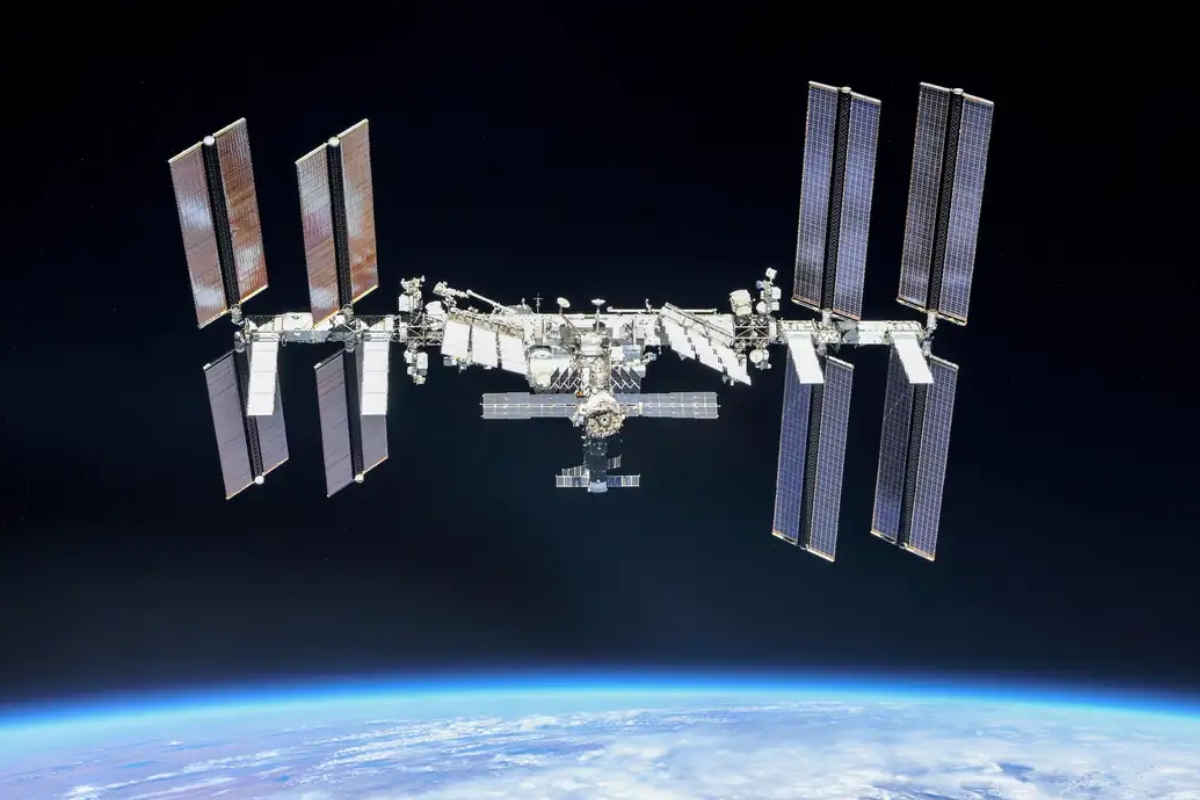
The Decision Aims for 2030 for the Deorbiting of the ISS, While Russia Restructures the ROS Project Using Existing Structures.
The International Space Station is approaching the end of its operational life in 2030, with a deorbiting plan for the structure to disintegrate upon reentry and debris to fall into the Pacific Ocean.
At the same time, Russia has begun treating the Russian Segment of the station as the nucleus of a future station of its own, called ROS, changing the strategy that previously aimed for a base built from scratch.
In 2021, Russia announced its exit from the ISS in 2024, which did not happen. It also indicated that it would have its own station by the middle of this decade, but the timeline was pushed back, with the start now marked for 2028.
-
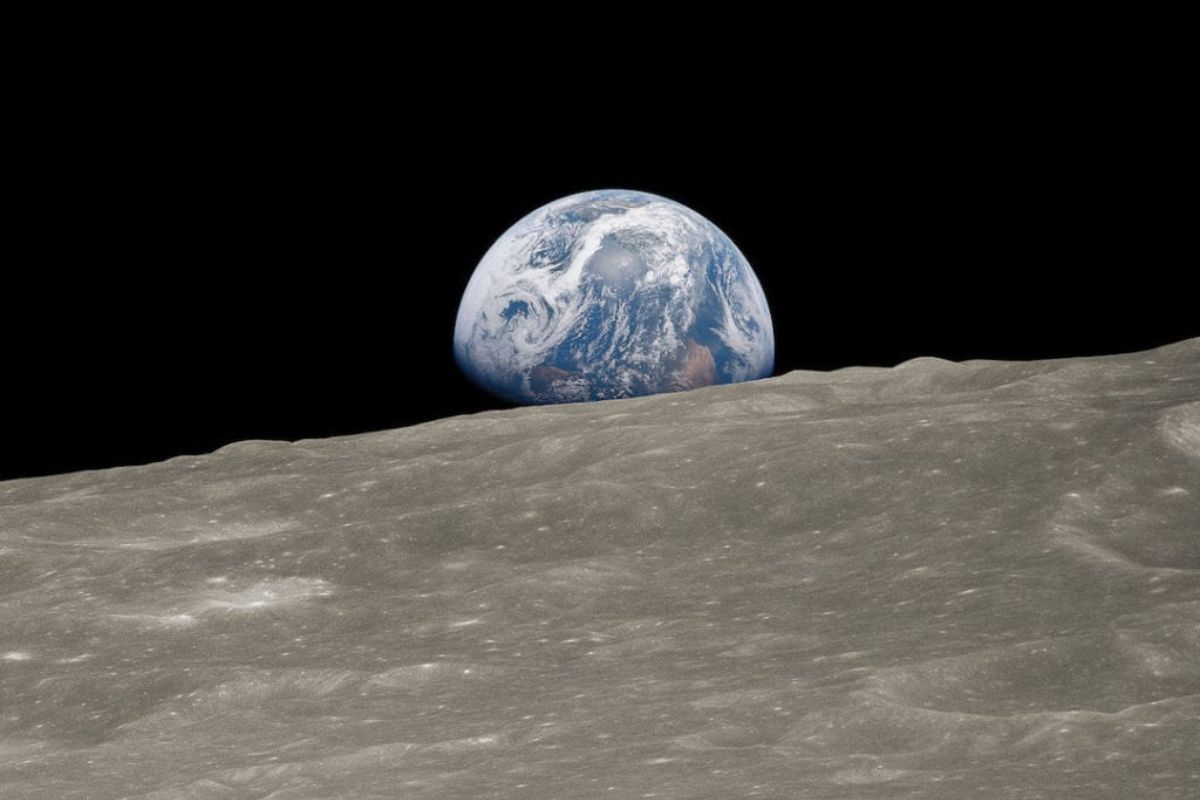
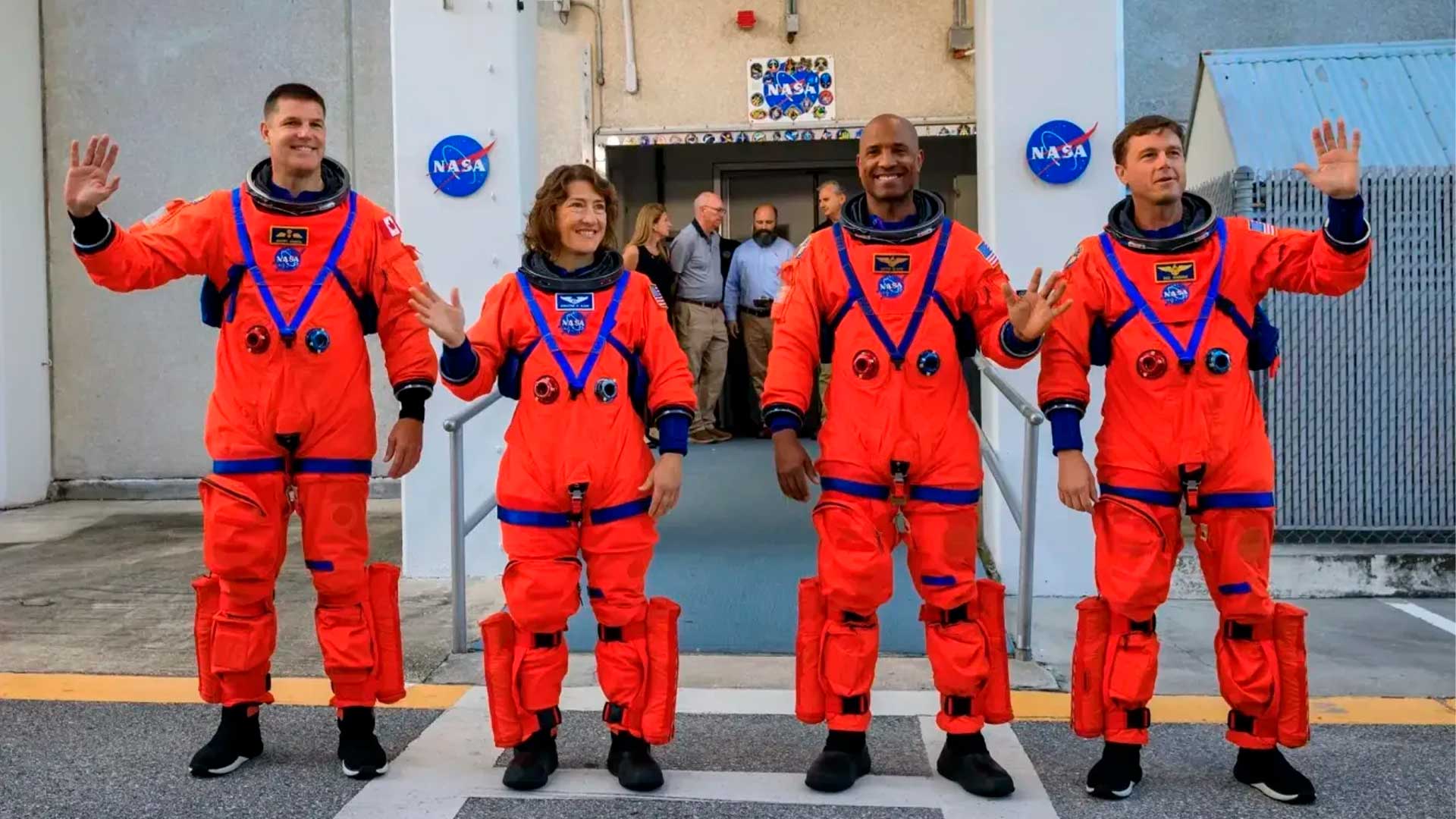
Four humans are flying towards the Moon inside the Orion capsule launched by the SLS rocket, and on April 6, Artemis II will disappear behind the far side of the Moon without communication with Earth for nearly an hour.
-
Worlds covered by water, atmospheres filled with hydrogen, and the possibility of life beyond Earth: ocean planets are rewriting the map of cosmic search and forcing scientists to rethink where to look.

-
Argentina achieves the unimaginable after more than 110 years and reintroduces the largest native herbivore of South America to the Chaco to restore a lost link in nature.
-
Returning to the Moon now costs a billion-dollar bill and reignites the competition between the USA and China for science, technology, and rare minerals on lunar soil.

What Happened and Why It Draws Attention
The most important change involves the design of the ROS, which now centers on the Russian Segment of the ISS, a part that has been operational for decades.
This decision alters the course of the program, as it replaces the idea of a completely new station with a solution that repurposes existing modules.
The plan is also connected to the scheduled shutdown of the ISS in 2030, when NASA intends to deorbit the station in a controlled manner.
How the International Space Station Arrived Here

The ISS began construction with the first module launched into orbit in 1998, and became a project of international cooperation among Russia, the United States, Canada, Japan, and Europe.
The structure has two main blocks. One is the U.S. Segment, operated by NASA, CSA, JAXA, and ESA. The other is the Russian Segment, operated by Roscosmos.
With nearly thirty years of operation, the station has accumulated natural wear, reinforcing the shutdown plan for 2030.
What Are the Rules, Timelines, and Conditions of the New Russian Plan
Russia has decided to maintain an inclination of 51.6 degrees for the orbit of the ROS, discarding the alternative of 96 degrees that had been considered.
The inclination of 51.6 degrees coincides with the current orbit of the ISS and is described as more accessible from the launch pad at Baikonur, in Kazakhstan.
The project has already faced delays. The first module was initially scheduled for 2027, with the station expected to be habitable by 2028, but the timeline has again been shifted to 2028.
What Could Happen From Now On With the ROS and the ROSS

The expectation is that the ROS will be completed by the mid-2030s, with a set of six new modules.
Among the planned modules, there is the inclusion of a private habitat aimed at space tourism, expanding its use beyond research and technical operation.
The proposal to repurpose the Russian Segment of the ISS as the nucleus of the station is also associated with the name ROSS, used to describe this configuration based on existing structures.
Polar Orbit, Altitude, and the Impact on Mission Launches
The Russian station is associated with a polar orbit at an altitude of about 400 km, allowing it to cover the entirety of Russian territory and support observations of the country.
This design also changes the symbolism of access to space, as cosmonauts no longer depend on Kazakhstan for launches.
The idea is to facilitate launches from the Vostochni Cosmodrome in eastern Russia, reaching the station in its polar orbit.
Points of Attention and Common Questions About Safety and Viability
The module NEM 1 was presented as an important scientific and energy component and was even considered as an expansion of the Russian Segment of the ISS, but now serves a different role with that segment becoming the nucleus of the station.
There was an expectation of starting electrical tests by the end of 2025, with no subsequent confirmation.
Repurposing old modules raises concerns due to already observed signs in the Russian Segment, such as cracks and leaks, which increases the operational risk of sustaining a new station based on aging structures.
NASA is maintaining the plan to shut down the International Space Station in 2030, with controlled deorbiting to mitigate reentry risks.
At the same time, Russia is reorganizing the ROS by leveraging the Russian Segment of the ISS as a base, which can save resources but also raises concerns about wear and reliability of older modules.






-

-

-

-

10 pessoas reagiram a isso.