





 Portuguese
  English
  Spanish
  3 min of reading
  11 comments


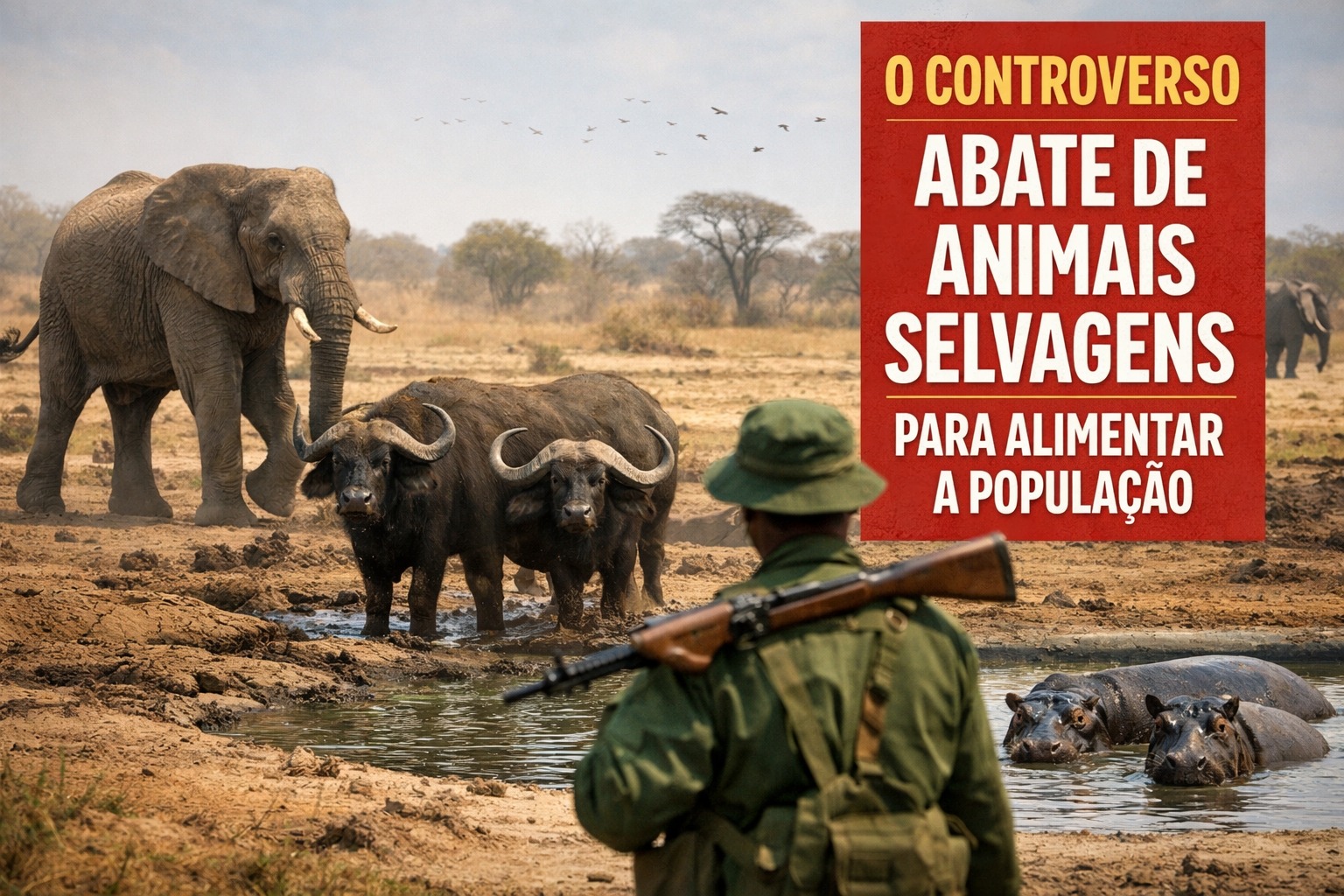


The Decision of Zimbabwe and Namibia to Cull Elephants Between 2024 and 2026 Exposes How Historical Drought, Agricultural Collapse, Overpopulation in Parks and Lethal Conflicts Forced Governments to Adopt Extreme Management to Distribute Protein, Reduce Risks to Rural Communities and Attempt to Sustain Conservation Models Under Ongoing Climate Pressure
The decision to cull elephants for human consumption in Zimbabwe and Namibia exposes, between 2024 and 2026, a humanitarian and ecological crisis aggravated by extreme drought, agricultural collapse, and lethal conflicts, forcing governments into controversial choices to ensure food and security.
The Climate Crisis as an Immediate Trigger
The worst drought in the last 40 years in Southern Africa, intensified by El Niño, destroyed crops, dried up water sources, and reduced pastures, expanding disputes over water between rural communities and large herbivores.
With insufficient food reserves, governments began to seek emergency sources of protein, while trying to reduce environmental pressure and contain frequent elephant invasions in vulnerable villages.
-
Airfare prices may rise with increasing fuel costs, and the government is considering urgent measures to avoid a direct impact on the wallets of Brazilians.
-
Chocolate prices soar nearly 15% and become a luxury item for Easter 2026, with increases surpassing inflation and changes in Brazilian consumption habits.

-
The Federal Revenue issues a good alert for Brazilian taxpayers: 60.9% are already using the pre-filled tax return, automatic refunds via Pix reach millions, and the government plans for a fully automated income tax in the coming years.

-
India announces a plan of $3.06 billion to bring aviation to forgotten regions: 100 new airports, $1.07 billion in subsidies, and regional routes guaranteed for 10 years, from 2026 to 2036, away from the centers.
The Initial Plan Announced in 2024
In August 2024, Namibia announced the culling of 723 wild animals, including 83 elephants, later expanded to 100, as well as hippos, buffaloes, and zebras.
The declared goal combined three fronts: to feed nearly half of the population in severe food insecurity, alleviate degraded pastures, and reduce conflicts between humans and wildlife.
Officials explained that elephants, in search of water and food, invaded agricultural areas, destroyed crops, and put residents at direct risk, especially during peaks of prolonged drought.
The Adoption of the Measure by Zimbabwe
In September 2024, Zimbabwe announced its first official culling since 1988, with an initial target of 200 elephants, coordinated by ZimParks.
Hwange National Park, according to authorities, supports about 15,000 elephants but houses over 45,000, making survival during recurring extreme droughts unviable.
The Evolution of the Program Over 2025
During 2025, culling ceased to be an emergency response and became part of population management policies in critical areas of human-animal conflict.
In Namibia, by mid-2025, more than 160,000 kilograms of game meat were distributed through the Drought Relief Program.
In Zimbabwe, the government defended the policy as a constitutional right to use natural resources for the direct benefit of citizens affected by scarcity.
Internal Resistances and International Pressure Over Culls
The strategy generated strong reactions from conservation organizations, including Sheldrick Wildlife Trust and Born Free.
The entities classified the culling as a stopgap solution unable to resolve structural hunger, warning of risks of stimulating illegal game meat markets.
Internal criticisms also pointed to the political use of meat distribution in strategically electoral regions, increasing social tensions in an already unstable context.
The Scenario Observed in Early 2026
In January 2026, despite sporadic rains, soil recovery remains slow, maintaining pressure on rural communities and natural reserves.
In June 2025, Zimbabwe authorized the culling of 50 more elephants in the Save Valley Conservancy, focusing on areas of lethal conflict.
Between January and April 2025, elephant attacks resulted in the deaths of 18 people, leading to the reactive culling of animals classified as problematic.
Debate Over Conservation and Subsistence
Governments advocate for community conservation models, arguing that without immediate economic value, the protection of wildlife is unlikely to be sustained in times of crisis.
The tourism sector, essential for the regional GDP, closely monitors the situation, fearing damage to international reputation and a drop in revenues that finance parks.
As a precedent, the region had already faced tensions between the growing elephant population, climate change, and historical limitations in environmental funding, factors that converged in the current crisis.
With information from AP News, Aventuras na História, and other sources.








E as 150 mil cabras que foram exterminadas nas ilhas Galápagos. Porque não levou esses animais para essas regiões que a população está passando fome? Matar elefantes eu acredito que seja uma grande corvadia que já foi feito no passado por causa do marfim e continuam fazendo, e sempre tem uma desculpa pra tudo. Compra carne de outros países. Os países são ricos, pobre é a população que quase sempre não tem recursos para sobreviver de forma digna.
Pq a Austrália não manda os excessos animais estão lá vsovser destruídos para China África onde a população passa fome.
Avisa o lula pra enviar os javalis que prejudicam as nossas plantações
#SemAnistiaPraGolpista 🫵