





 Portuguese
  English
  Spanish
  4 min of reading
  0 comments


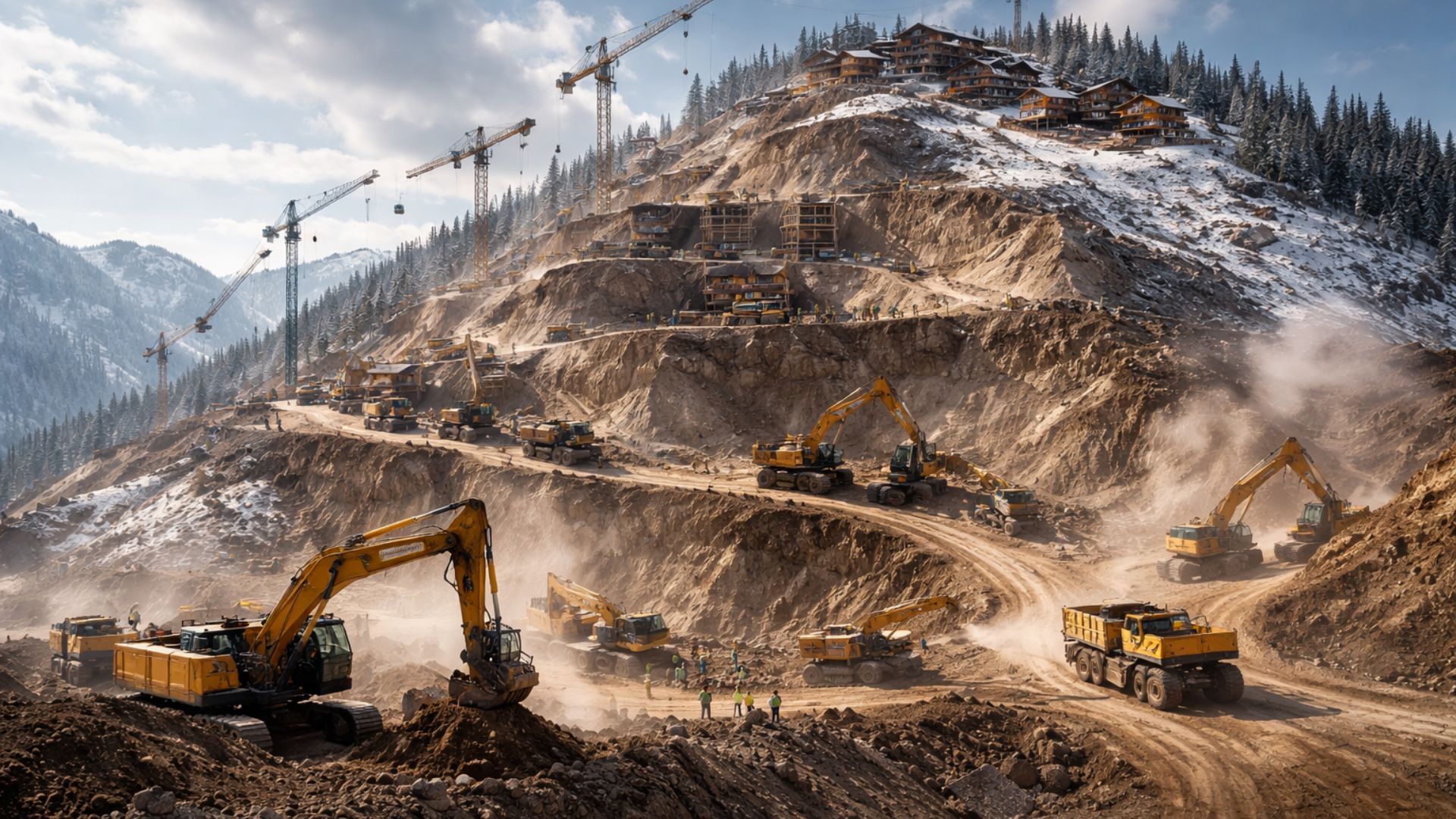
Mountain in Utah Becomes Hybrid Ski Access Laboratory Following Investment Linked to Netflix Co-Founder in Powder Mountain, Which Combines Public Operation with Area Reserved for Members of the Powder Haven Project and Exclusive Infrastructure Such as Restricted Lifts, Club, and Custom Rules for Circulation.
An entire mountain in the state of Utah, in the United States, has begun to operate as a type of laboratory for a rare model in snow tourism: part of the resort remains open to the public, while another portion is reserved for owners and guests linked to a residential venture.
At the forefront of this transformation is Reed Hastings, co-founder of Netflix, associated with the control of Powder Mountain, a ski resort known for its vast terrain and for being off the busier axis of the Wasatch Mountains.
Powder Mountain and the Hybrid Access Model
The case draws attention because it is not just about buying land for a vacation home.
-
He started running at 66 years old, broke records at 82, and is now a subject of study for having a metabolic age comparable to that of a 20-year-old, in a case that is intriguing scientists and inspiring the world.

-
Oldest tree on the planet reappears after 130 years of searches: Wattieza, 385 million years old, was 10 meters tall and had no leaves or seeds; Gilboa fossils in New York solved the mystery in 2007.

-
A 48-square-meter house assembled in hours with 4,000 bricks made of recycled plastic that does not absorb moisture, has natural thermal insulation, and costs less than 90,000 reais in a complete kit.

-
Luciano Hang revealed that Havan’s air fleet has already accumulated more than 20,000 landings, 10,000 flight hours, and 6 million kilometers traveled, and he says that without the planes, the company would never have grown so quickly.


What is at stake is the management of a recreational use territory, with lifts, slopes, controlled avalanche areas, rescue services, daily maintenance, and decisions that affect who can access certain parts of the mountain.

The proposal named Powder Haven, linked to the top of the resort, combines real estate and a “private skiing” system that includes exclusive infrastructure, including lifts with restricted access and social spaces designated for members.
Powder Mountain is located near the Eden area and has established itself in the market by offering a more spacious experience than famous destinations in the American West.
The mountain has gained notoriety for limiting the number of visitors during certain periods and for maintaining characteristics that attract practitioners seeking less crowded areas.
The difference now lies in how the resort’s map is reorganized, with sections designated for the general public and others operated as private residential areas, which is uncommon in resorts that traditionally rely on high volumes of pass and ticket sales.
Powder Haven and the Practical Separation of the Slopes
At the center of the model is the practical separation of access.
Instead of all chairs and slopes being available to any visitor with a ticket, part of the system is now used only by those with a connection to the venture.
This changes the daily logistics of the mountain, from loading control on the lifts to the allocation of patrol teams, guidance, signage, and maintenance.
A frequent characteristic in snow operations is that changes in flow impact lines, peak hours, visitor distribution on trails, and even avalanche mitigation planning, especially in steeper and more exposed areas.
The proposal for “private skiing” is presented as a high-standard service for a limited group, associated with lots and residences on the mountain.
Public materials from the venture describe a private community with exclusive lifts and a structure designed for use in multiple seasons of the year, in a broad alpine environment.
At the same time, the public resort continues to operate, which creates a hybrid configuration: the same mountain with two layers of experience, separated by rules and infrastructure.
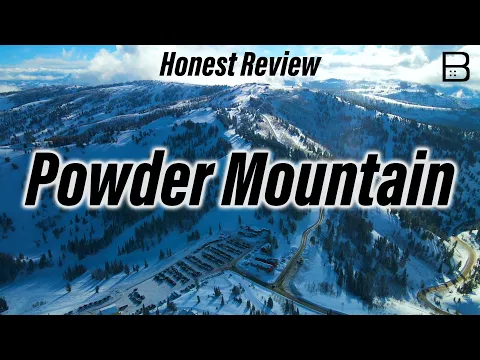
Lifts, Construction, and Expansion of the Resort in Utah
The transformation is also reflected in the list of construction and expansion projects discussed for the region.
Local reports describe plans involving the installation of new lifts and the opening of additional areas, with part of the equipment aimed at serving the residential community.
Projects for social and supporting facilities are also mentioned, such as a large clubhouse, associated with services and activities beyond skiing, planned to serve members and guests.
In resorts of this scale, such changes require permits, construction schedules during short windows of favorable weather, and negotiation with local authorities, as lifts and new trail areas depend on approval, development agreements, and environmental parameters.
Skiable Area, Territorial Scale, and Operation in the Snow
One point that helps explain why Powder Mountain has become a showcase is the territorial scale.
Ski resorts with thousands of acres are often rare because they depend on large continuous areas, specific topography, and a system of accesses and lifts that makes operational sense.
This dimension, in itself, facilitates the existence of “zones” with distinct profiles without the public operation disappearing.
At the same time, it expands the challenge of clearly communicating to the visitor what is public, what is reserved, and how circulation occurs, as the snow experience involves constant mobility between chairs, slopes, and support points.
The changes on the mountain are also connected to a broader market movement: the search for exclusive experiences in outdoor destinations, combining housing, services, and privileged access to activities.
Unlike an urban club, however, a ski resort depends on natural factors and heavy infrastructure.
Lifts require high investment, ongoing maintenance, and inspections; new areas demand land preparation, signage, risk management, and integration with return routes.
Therefore, any attempt to divide the mountain into layers of access tends to be closely monitored by those following the snow tourism industry.

Local Impact in Eden and the Surrounding Economy
The impact is not limited to visitors.
A hybrid station influences seasonal workers, suppliers, transportation services, and the dynamics of small communities around.
Eden and nearby areas, as occurs in various mountain tourist regions, coexist with housing pressure, real estate appreciation, and economic seasonality.
Reports on Powder Mountain describe the attempt to balance the appeal of exclusivity with the continuation of a public operation, in a context where the resort seeks to maintain viability and make infrastructure improvements.







Seja o primeiro a reagir!