





 Portuguese
  English
  Spanish
  6 min of reading
  0 comments


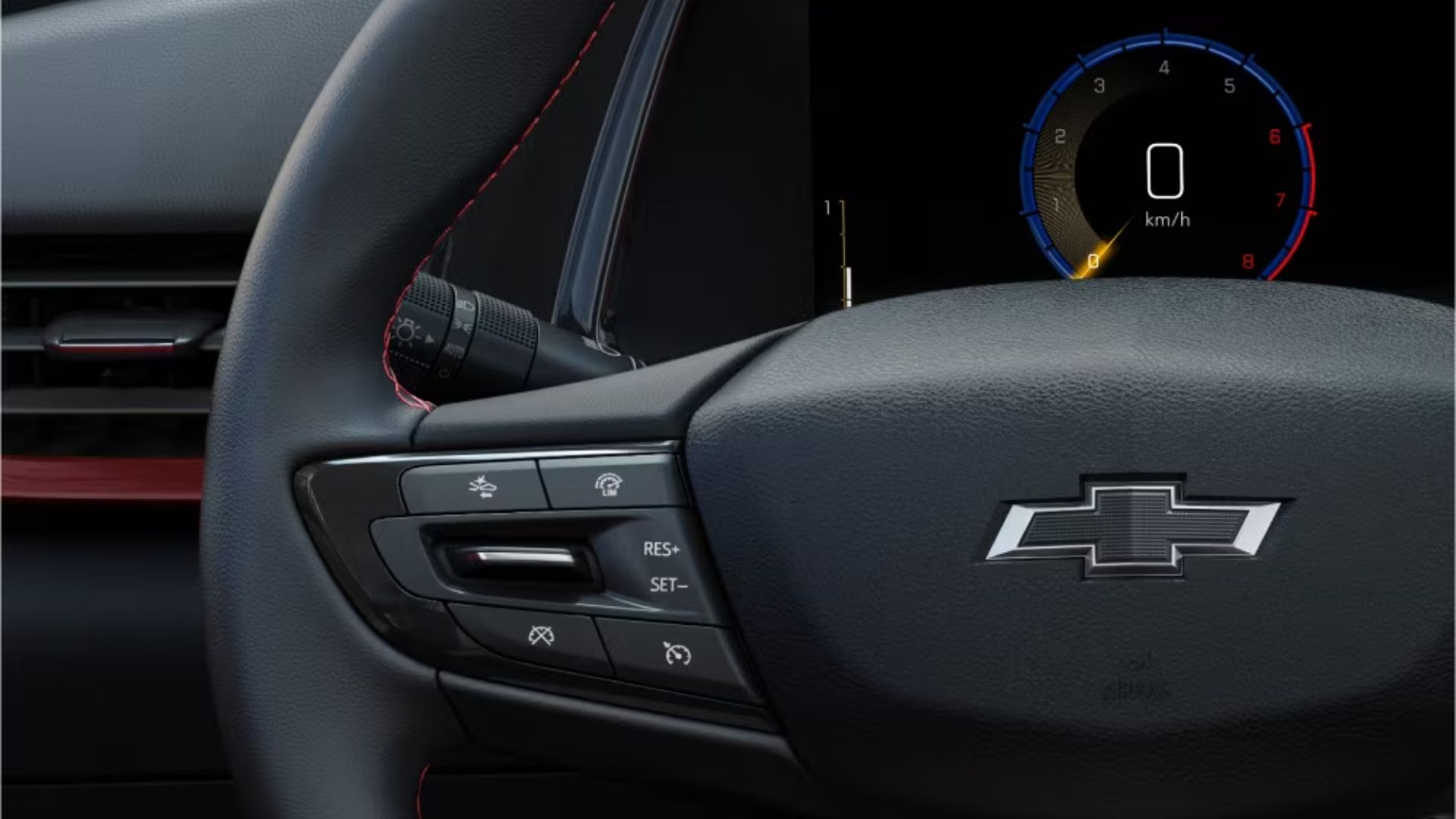
With New Visual, Expanded Multimedia Center and More Connectivity, the Chevrolet Tracker 2026 Competes for Space Among the Best-Selling Compact SUVs in Brazil, Bringing Advantages and Challenges in Equipment, Performance, Safety, and Price.
The Chevrolet Tracker 2026 arrives in the Brazilian market bringing important visual updates, new connectivity features, and advances in onboard technology, following General Motors’ global strategy for compact SUVs.
The model starts at R$ 119,900 in the entry-level configuration 1.0 turbo automatic (AT) and goes up to R$ 190,590 in the sporty RS 1.2 turbo version, positioning itself in one of the most competitive segments in the country.
The 2026 lineup aims to enhance Tracker’s appeal against competitors such as Volkswagen T-Cross, Hyundai Creta, Honda HR-V, Nissan Kicks, Peugeot 2008, and Jeep Compass, all with strong sales and diverse offerings in technology and engine options.
-
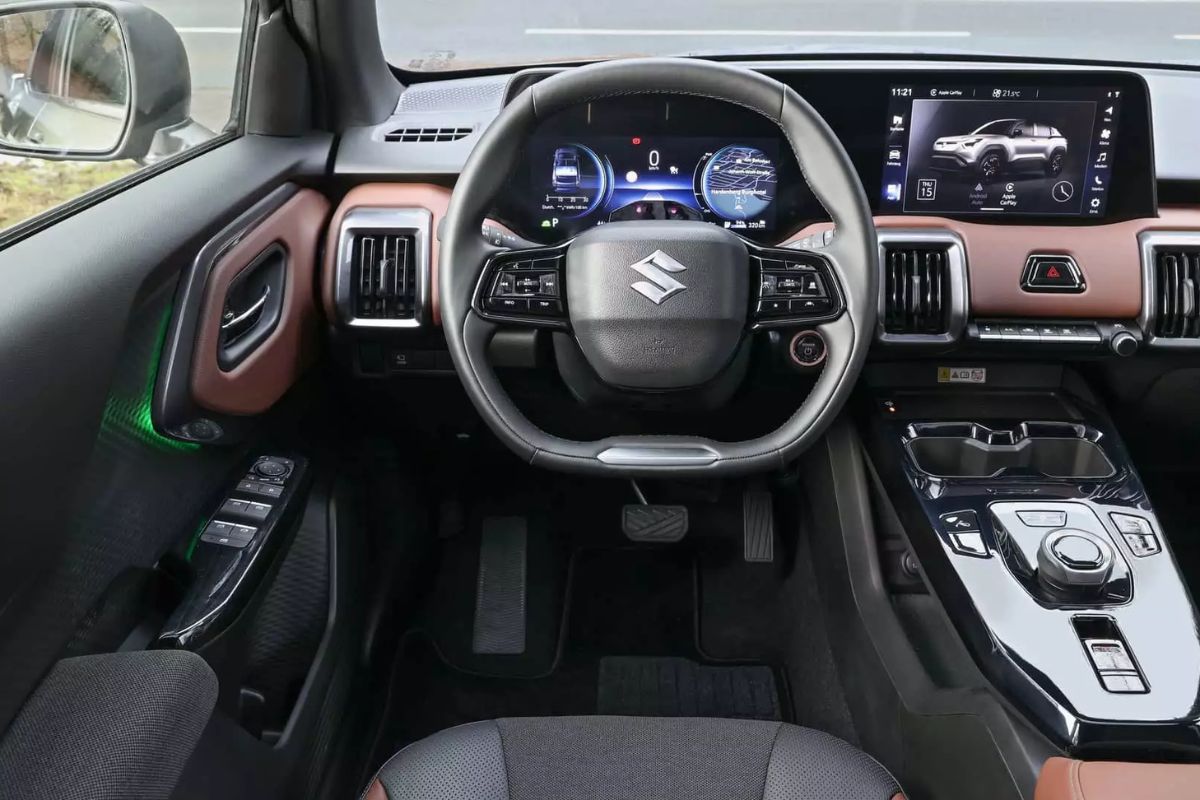
The 2026 electric Vitara arrives in Brazil and proves that Suzuki is not leaving: 4×4 traction, 184 hp, 61 kWh LFP battery, 293 km range, R$ 259,000, and a trunk capacity of 224 L.
-
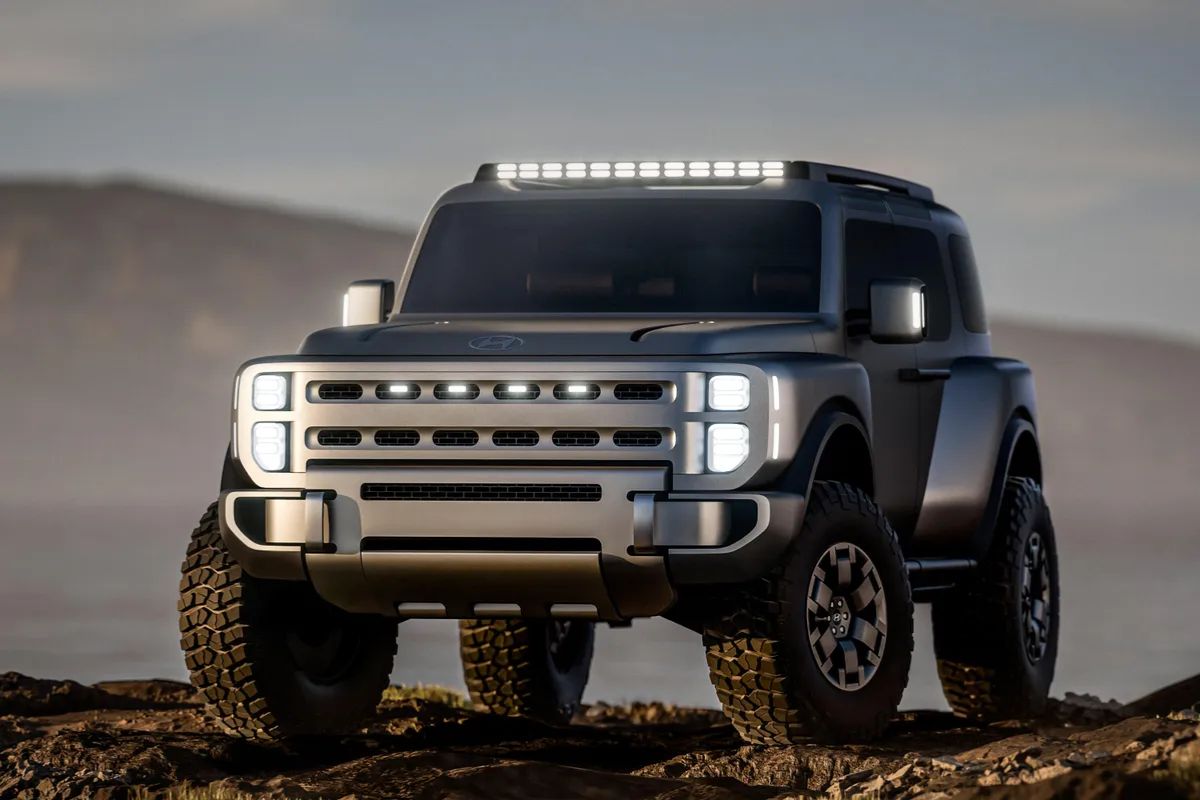
Hyundai has unveiled the Boulder, a square SUV with a body-on-frame design, 37-inch mud tires, and carriage-style doors that seems to be made to take on the Ford Bronco and the Scout Traveller in the United States.
-
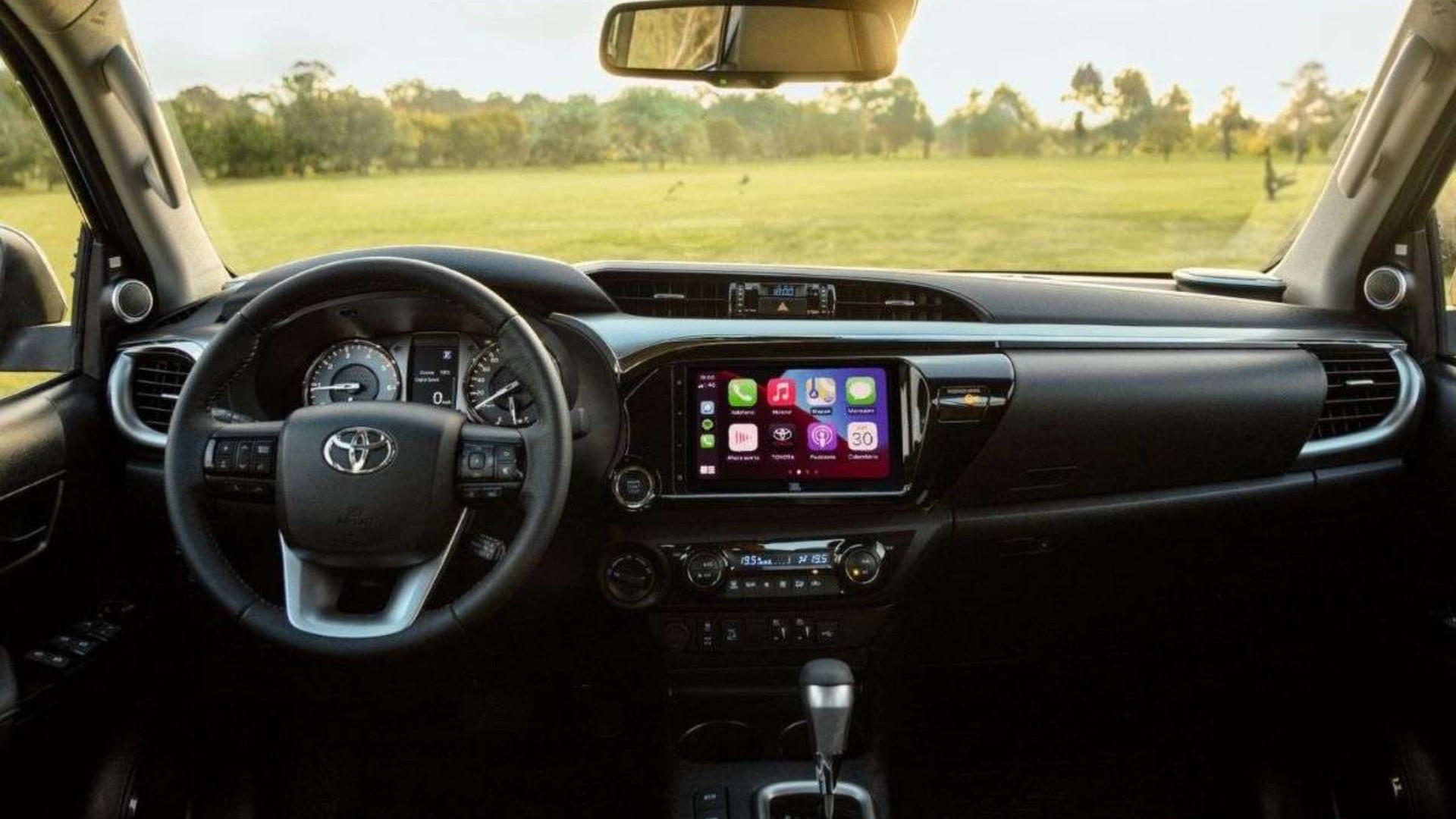
The Toyota Hilux is R$ 75.5 thousand cheaper and bets on the 2.8 turbodiesel engine with up to 204 hp and 50.9 kgfm to catch up with the VW Saveiro, which leads with 4,472 sales.
-
The new Renault Koleos has a screen exclusively for the passenger that is invisible to the driver, heated rear seats, and 29 assistance systems, but its Chinese competitors cost R$ 40,000 less and deliver more power.
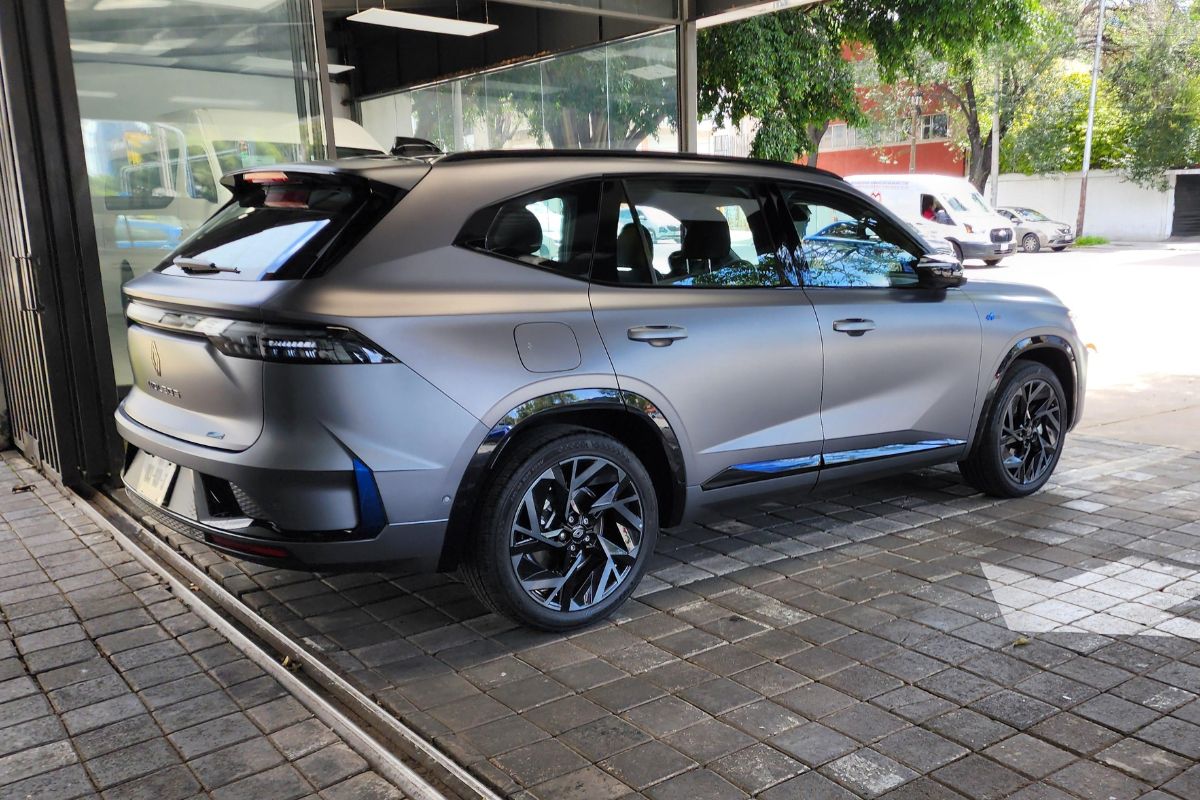

In an evaluation conducted with the Premier version, which costs R$ 189,590 and represents the most complete package without sporty appeal, it was possible to identify standout points as well as limitations of the compact SUV.
See below five reasons to consider buying the Chevrolet Tracker 2026 and five reasons to think carefully before closing the deal.
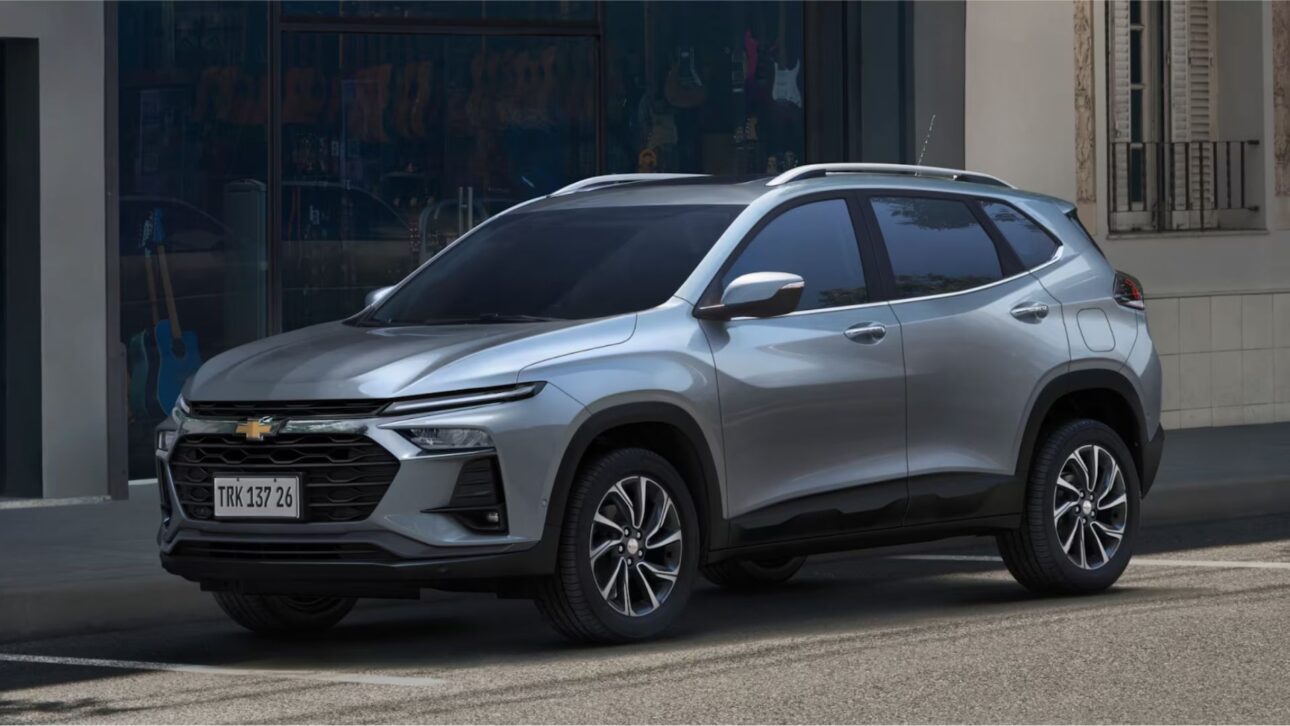
Chevrolet Tracker 2026: Multimedia Center, Digital Panel, and Connectivity
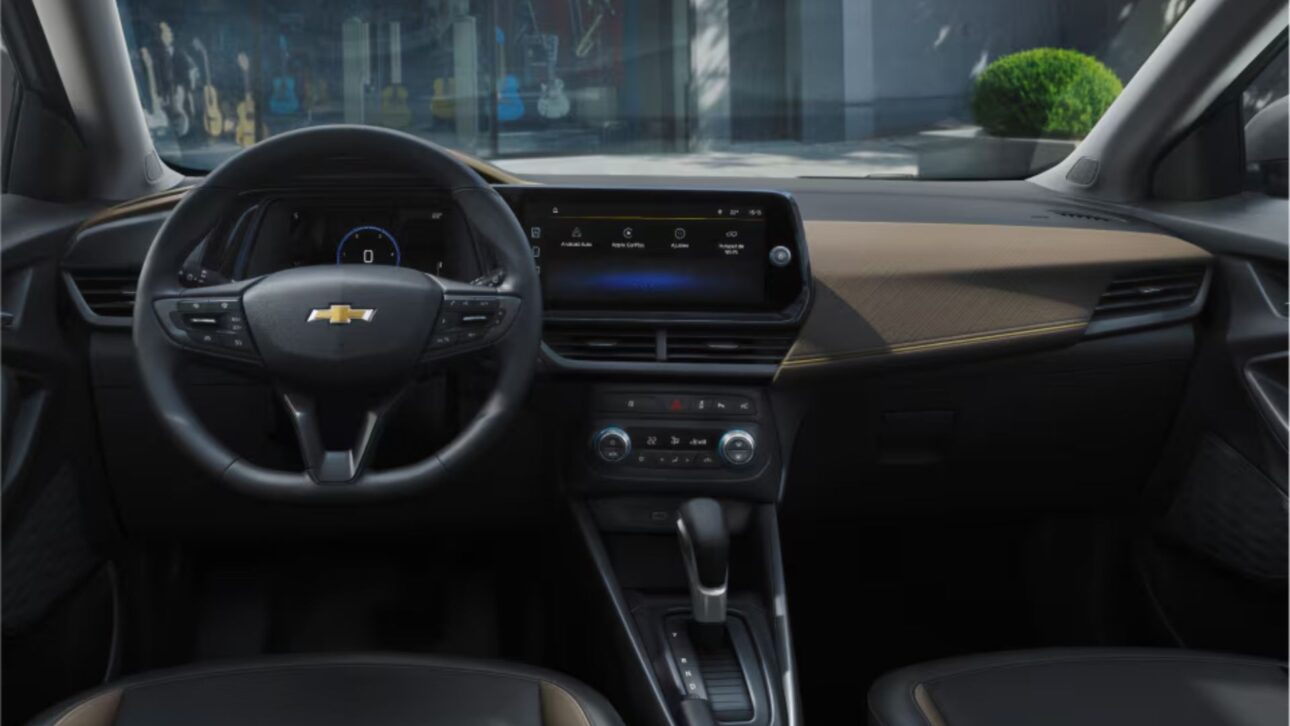
The new Chevrolet Tracker 2026 adopts an 11-inch multimedia center, connected to an 8-inch digital instrument panel, both ergonomically integrated into the dashboard.
The screens feature superior resolution, modern graphics and a very intuitive interface, facilitating use by the driver.
Wireless connectivity with Android Auto and Apple CarPlay remains, as well as OnStar remote services, now with enhanced safety features, including the ability to record audio from the internal environment.
According to the manufacturer, OnStar technology has been crucial for the recovery of stolen vehicles in different regions of the country.
Performance, Turbo Engine, and Driving Dynamics of the Tracker 2026
The Premier version is equipped with a 1.2 turbo flex three-cylinder engine, capable of delivering up to 141 hp of power and 22.9 kgfm of torque, always paired with a six-speed automatic transmission.
The direct fuel injection system, recently introduced, contributes to quick throttle responses and acceleration from 0 to 100 km/h in 9.7 seconds, outperforming some direct rivals, such as the Nissan Kicks.
The mechanical set shows good integration in urban and highway situations, with smooth gear changes and agile responses, in addition to suspension suitable for tackling asphalt irregularities in Brazilian cities.
Ergonomics, Comfort, and Internal Equipment of the SUV
The Tracker 2026’s cabin highlights attention to ergonomics, with well-positioned and easily accessible controls.
The driver’s seat can be adjusted for those who prefer a higher or lower driving position.
The dashboard maintains physical buttons for essential functions, such as air conditioning control, making operation easier during use.
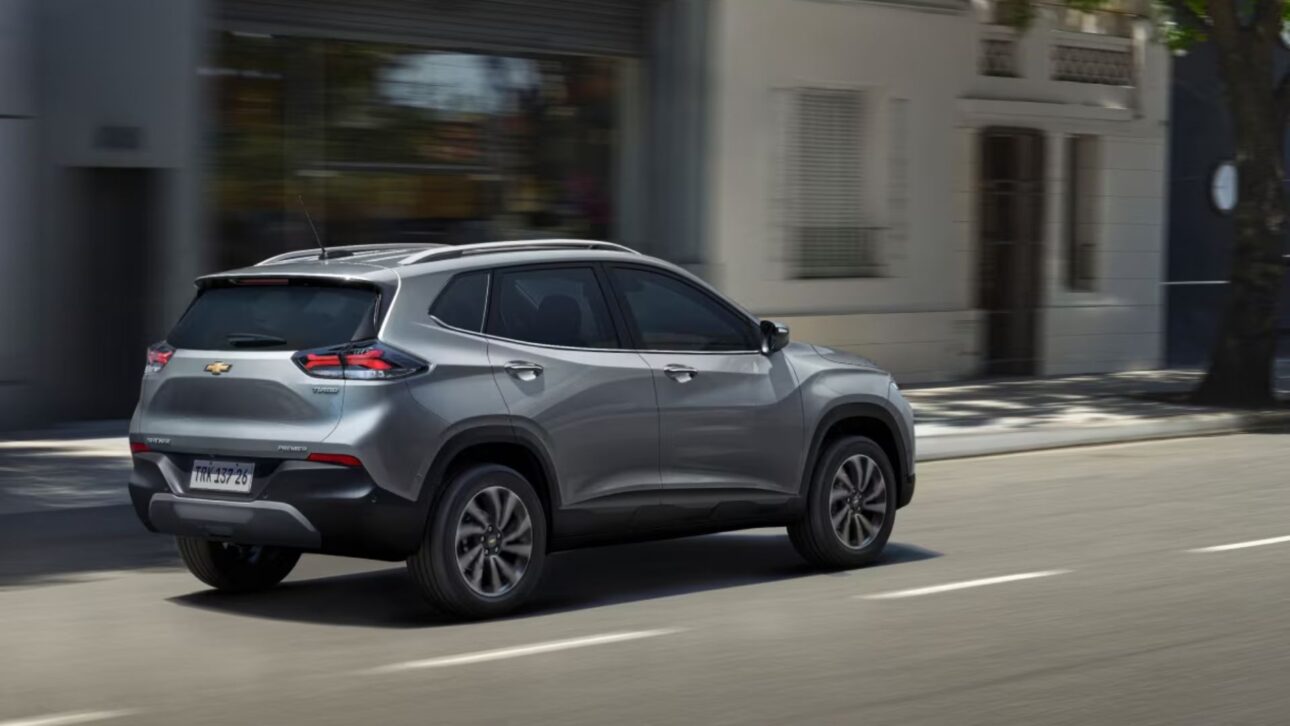
The multifunction steering wheel offers a good grip and synthetic leather seats provide comfort for both the driver and rear seat occupants, even on longer journeys.
Comfort Features, Native Wi-Fi, and Assistance Technologies
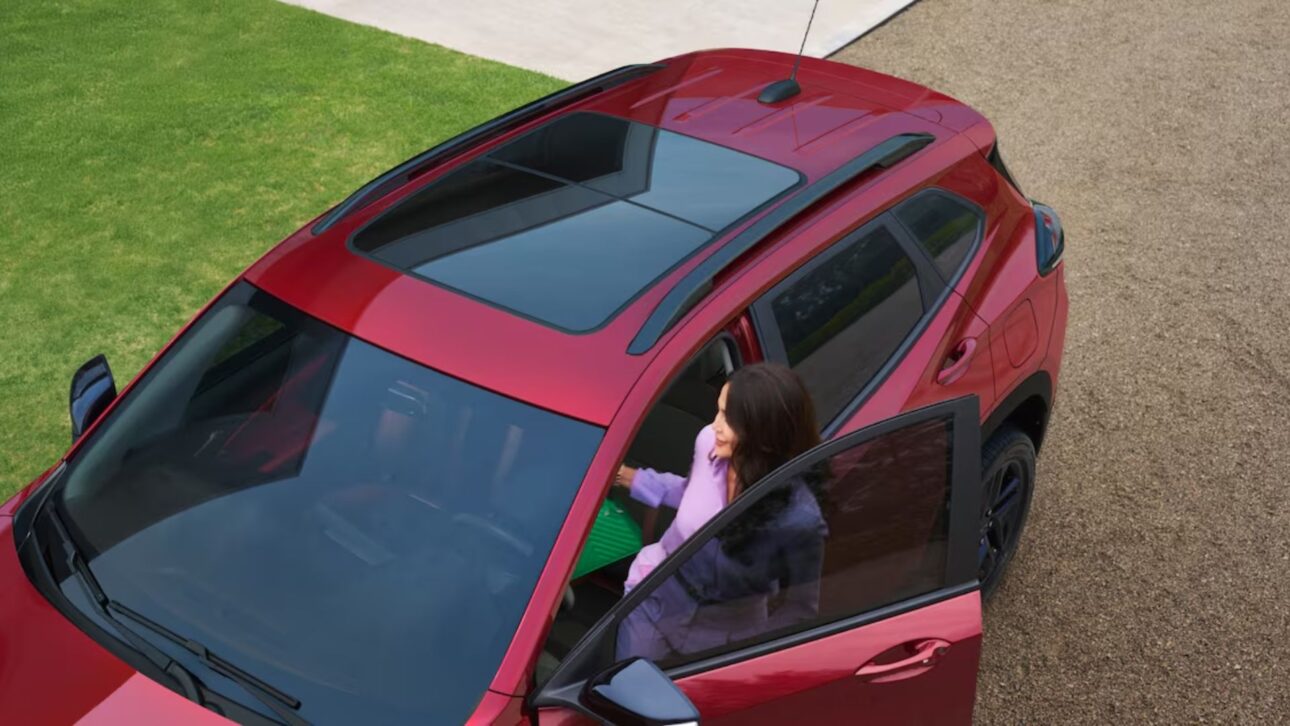
Among the standard items of the Tracker Premier are the panoramic sunroof, which enhances the feeling of space and sophistication, as well as the integrated native Wi-Fi system, allowing connection of devices without using the user’s data in areas serviced by the free service, such as Rio Grande do Sul.
The semi-automatic parking assist makes maneuvers in tight spots easier, both at 90-degree angles and parallel parking.
The rearview camera system provides high-definition images on the central screen, enhancing safety during maneuvers.
Extended Warranty and Technical Improvements in the 2026 Line
Chevrolet offers five years of warranty for the Tracker 2026, reinforcing confidence in the durability of the new mechanical assembly.
The history of problems with the oil-slicked belt, recurring in previous versions, prompted the use of a new chemical formulation in the component and changes in suppliers for the Gravataí (RS) and Santa Fé (Argentina) factories.
The brand claims that these improvements have increased the piece’s resistance to failures caused by improper maintenance and use of oil outside the specifications recommended in the manual.
Fuel Consumption of the Chevrolet Tracker 2026
With the 1.2 turbo flex engine, the Chevrolet Tracker 2026 shows a slight increase in fuel consumption.
Data from the Brazilian Vehicle Labeling Program (Inmetro) indicate that, with ethanol, the SUV achieves 7.6 km/l in the city and 9.7 km/l on the highway, compared to 7.7 km/l and 10 km/l, respectively, of the previous model.
When fueled with gasoline, the numbers are 11 km/l in urban circuits and 13.7 km/l on highways.
The increase in aerodynamic drag, due to the new front design, contributed to this slight reduction in efficiency.
General Motors is developing a mild hybrid version with a 48V system, expected to arrive in Brazil starting in 2027.
Internal Space, Trunk, and Comparison with Competitors
With a 2.57-meter wheelbase, the Tracker does not offer the same interior space as models like Honda HR-V, Peugeot 2008, Hyundai Creta, Nissan Kicks, and Volkswagen T-Cross, which have between 2.61 m and 2.65 m.
The 393-liter trunk places the compact SUV behind rivals like Volkswagen Nivus (415 l), Peugeot 2008 (419 l), Nissan Kicks (470 l), Renault Duster (475 l), and Fiat Fastback (516 l), limiting practicality for larger families or long trips.
Safety Package and Limitations in Assistance
The safety package of the Chevrolet Tracker 2026 includes emergency braking assist and blind spot alert, but omits technologies present in competitors, such as adaptive cruise control (ACC), fatigue alert, lane-keeping assist, lane change alert, auto-hold, and cross-traffic alert.
The model also uses drum brakes on the rear wheels, while various rivals, such as T-Cross, HR-V, Creta, and Kicks, already offer disc brakes on all wheels.
Internal Finishing and Storage of the Tracker
Despite the inclusion of rubberized material in part of the dashboard, the finishing of the Tracker Premier is still considered simple, with extensive use of rigid plastics.
Practical storage compartments are lacking in the cabin: for example, sunglasses do not have a specific compartment, leaving only the gap in the door, the space below the armrest, or the cup holder, which leaves the item exposed.
The reservoir at the end of the console has been occupied by the wireless phone charger, further reducing the internal storage capacity.
Price, Cost-Benefit, and Comparison with Rival SUVs
The price of the Tracker Premier 2026, around R$ 189,590, is comparable to more equipped models such as Hyundai Creta Ultimate 1.6, Volkswagen T-Cross Extreme 250 TSI, Jeep Compass Sport T270, and Toyota Corolla Cross XRE 2.0.
In the hybrid segment, it is close to BYD Song Pro GL and GWM Haval H6 One, both already available in the national market.
Given this scenario, the Chevrolet Tracker 2026 could deliver a more complete list of equipment and finishes, considering the value charged in the top-of-the-line version.
Have you considered what weighs more when choosing an SUV: technology, fuel economy, space, or cost-benefit? Share your opinion in the comments!









-

-

-

-

6 pessoas reagiram a isso.