





 Portuguese
  English
  Spanish
  5 min of reading
  0 comments



Prototype Caught In Japan Anticipates New Generation Of HR-V With Focus On Electrification, Mechanical Changes And Possible Size Increase, While Honda Advances In Tests Of The Updated Hybrid And:HEV System And Evaluates The SUV’s Positioning Against The WR-V In Different Markets.
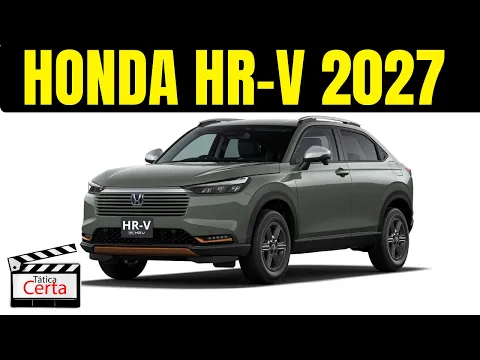
Honda is already testing a prototype in Japan that anticipates the next generation of the HR-V, according to records published by specialized websites.
The images of the camouflaged model, taken in the Kanto region, indicate that the SUV is set to undergo a comprehensive renovation, focusing on electrification, adjustments to the mechanical set, and possible size changes compared to the current generation.
The spotted vehicle appears associated with the development of a new hybrid system, identified by Japanese publications as the likely main powertrain of the HR-V expected for the product cycle that should begin in 2027.
-
Less than a Tera TSI, up to 710 km of range and charging in 9 minutes: the new BYD Song Ultra expands the Chinese brand’s bet on increasingly faster, more technological, and competitively priced electric SUVs.

-
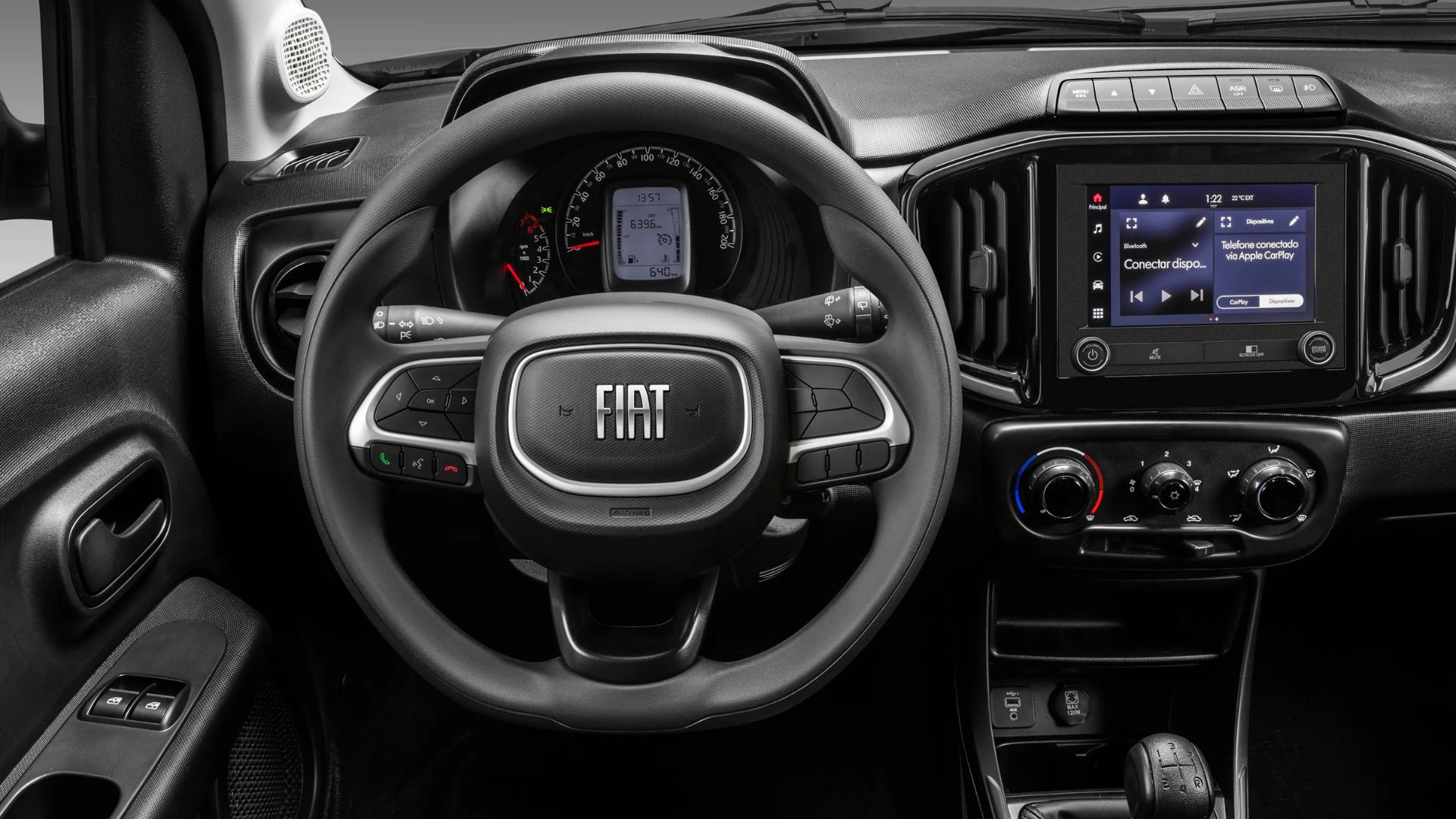
With a 1.0 engine producing 75 hp and costing less than R$ 70,000, Fiat’s car returns to the podium as the cheapest in the country; a temporary promotion for the 2026 Like version reduces the price of the Fiat Mobi.
-
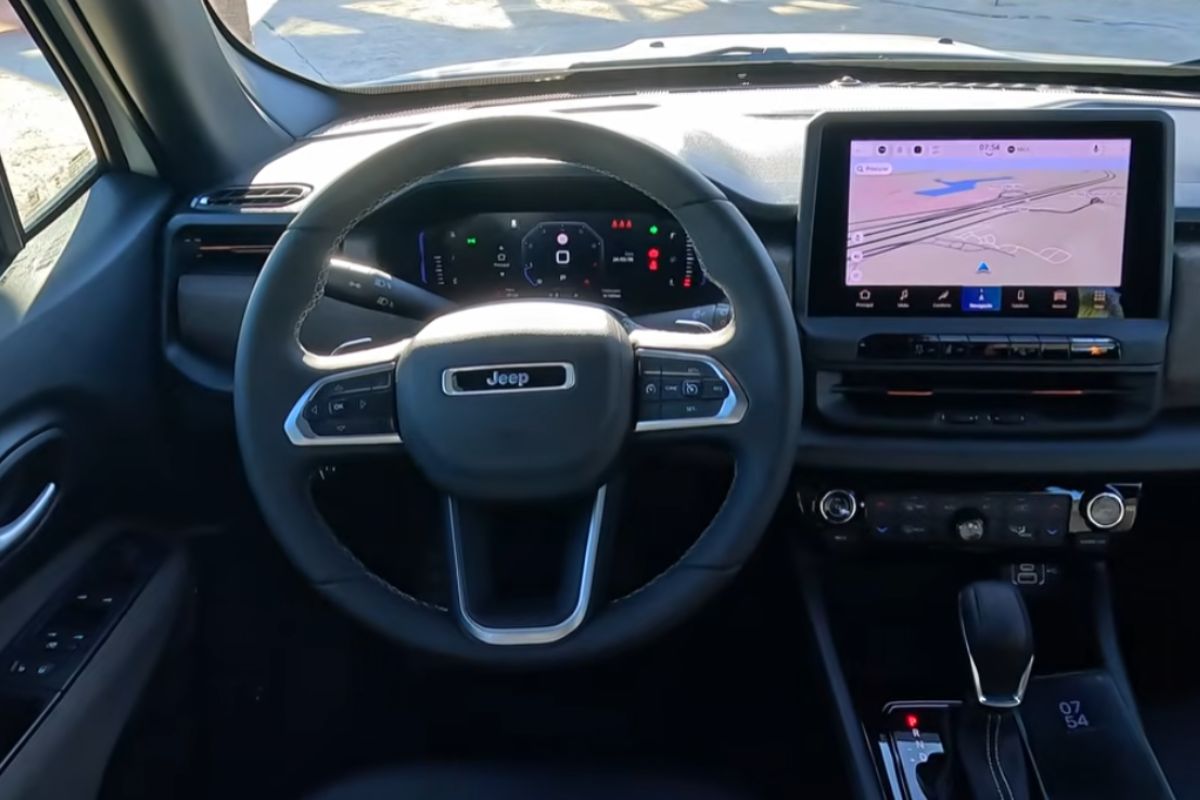
With a mild hybrid system of 48 V, 176 hp and a price of R$ 175,990 in the Sahara version, the new Jeep Renegade changes mostly on the inside, improves slightly in fuel consumption, and remains almost the same car.
-
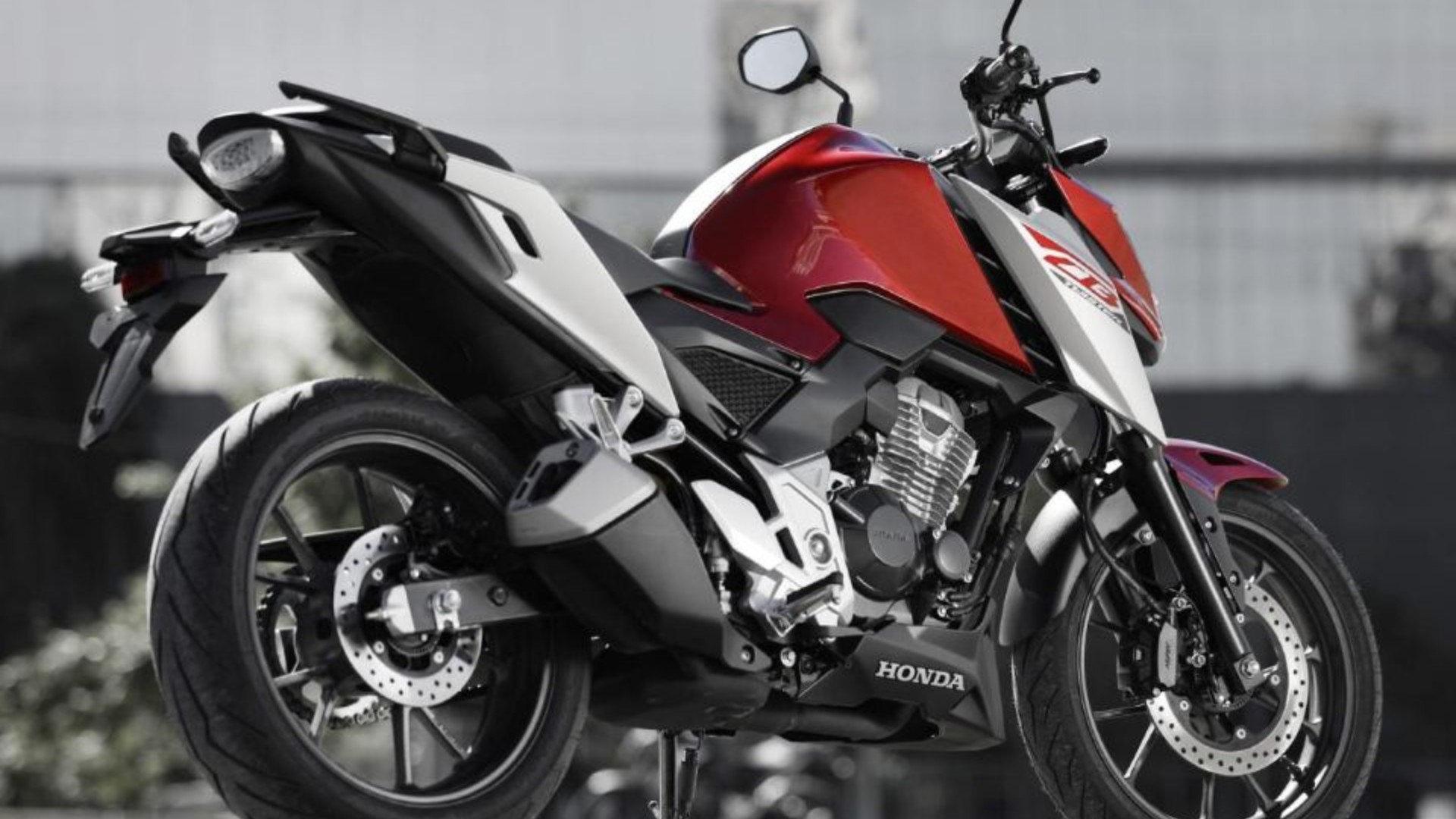
With a 293.5 cm³ engine and a range of up to 400 km with a 14.1-liter tank, the Honda CB 300F Twister 2026 has up to 24.7 hp, an initial price of R$ 25,150, and already exceeds R$ 29,000 in the Fipe Table.

So far, Honda has not officially confirmed the specifications or the final positioning of the new generation.
Next-Generation e:HEV Hybrid System
According to information disclosed alongside the spotting, the HR-V is expected to debut the second generation of the brand’s full e:HEV hybrid system.

In this set, the cited internal combustion engine is a 1.5-liter, four-cylinder, naturally aspirated unit, working in an integrated manner with the electric system and the updated electronic management.
Sources from the Japanese automotive press report that the new e:HEV’s proposal is to maintain energy efficiency as a priority while aiming to deliver more predictable responses in urban and highway driving.
However, Honda has not yet disclosed power, torque, or consumption data related to this specific setup.
Gear Simulation Technology From The Prelude
Among the features mentioned in the articles accompanying the prototype is the use of the S+ Shift system, recently introduced in the new Prelude.
According to Honda itself, explained during the coupe’s launch, the technology was developed to simulate gear shifts during acceleration and deceleration, even in vehicles that do not use a conventional transmission with fixed gears.
The application of this system in the HR-V, as reported by specialized outlets, would aim to bring the driving feel closer to that of a traditional gearbox car.
Industry experts point out that this strategy seeks to reduce the strangeness for drivers used to combustion vehicles when transitioning to hybrid models.
Artificial Sound In Electric Mode
Another point mentioned in reports about the prototype is the adoption of artificial sound when the vehicle operates in electric mode.
According to the publications that reported on the spotting, the feature would serve to emit a noise generated electronically in certain usage situations.

This type of solution is already adopted by different manufacturers, both to meet safety standards at low speeds and to provide audible feedback to the driver.
In the case of the HR-V in testing, however, Honda did not elaborate on whether the sound would have an exclusively technical function or if it would be part of the driving experience proposed for the model.
Camouflaged Design And Possible Size Growth
In terms of design, the strong camouflage prevents a definitive reading of the SUV’s final lines.
Still, the images allow for the observation of the continuation of the more sloped rear design element, a feature present in the current generation of the HR-V in various markets.
Moreover, analysts who followed the spotting assess that the new model may grow in width, length, and wheelbase.
This possible increase in dimensions is interpreted as a way to differentiate the HR-V from the WR-V, which was recently repositioned as the entry-level SUV of the brand in some markets, including Brazil.
During the tests, the prototype also drew attention due to the visible absence of a rear windshield wiper.
Experts note, however, that this does not necessarily mean the elimination of the item, as some brands adopt solutions where the mechanism is embedded in the spoiler or in less obvious areas of the body.
Production In Brazil And Investment Plan

In Brazil, the arrival of a new generation of the HR-V tends to depend on Honda’s industrial schedule and local production strategy.
Historically, the model usually takes a while to be nationalized after the global launch, a period the manufacturer uses for technical and industrial adjustments.
This movement is directly linked to the investment plan announced by Honda at the beginning of 2024, which foresees the application of R$ 4.2 billion in the country between 2024 and 2030.
The investment includes modernization of factories, development of suppliers, and the introduction of electrified vehicles.
The Itirapina plant, in the interior of São Paulo, has been pointed out by the company itself as the center of this process, with a special focus on the future production of flex hybrid models.
The first visible result of this investment was the launch of the new WR-V, presented to the Brazilian market at the end of 2025.
Within this context, part of the specialized press has begun to consider the HR-V as one of the most probable candidates to debut Honda’s flex hybrid technology in Brazil.
The automaker has not yet confirmed which model will officially inaugurate this system in the national market.
Meanwhile, the sighting of the prototype in Japan reinforces that the development of the new generation of the HR-V is already in an advanced stage.
It remains to be seen when Honda will publicly detail the project and how these observed changes during testing will translate into the final product intended for Brazilian consumers.








-

-

-

-

-

12 pessoas reagiram a isso.