





 Portuguese
  English
  Spanish
  3 min of reading
  0 comments


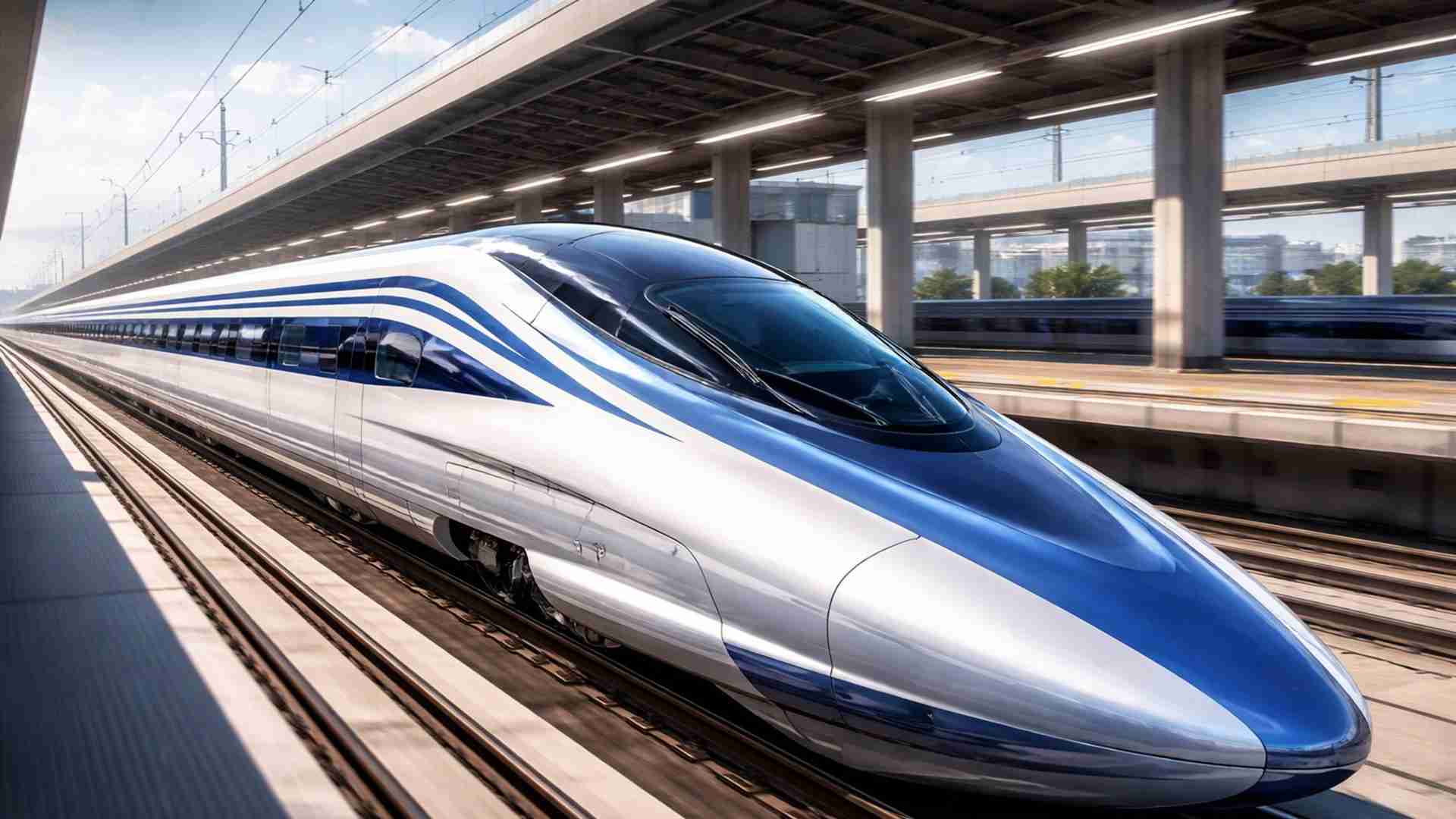
With Commercial Speed Of 505 Km/h, Use Of Electrodynamic Magnetic Levitation, Nearly 70 Million Euro Investment And Majority Underground Construction, The Chuo Shinkansen Promises To Drastically Reduce Travel Times Between Tokyo, Nagoya And Osaka, Redefining Japanese Railway Transportation By 2037
Japan advances in railway transportation with the Chuo Shinkansen project, a magnetic levitation train led by JR Central, designed to operate at 505 km/h, drastically reduce travel times, and enter initial operation between Tokyo and Nagoya in 2034, with a planned extension to Osaka.
The Chuo Shinkansen represents a new stage in the evolution of Japanese high-speed trains, combining magnetic levitation, high commercial speeds, and significant reduction in travel time between major urban centers in the country.
Speed Records And Travel Time Reduction
The maglev train was designed to achieve a commercial speed of 505 km/h, becoming the fastest railway system in the world in regular operation, according to data from the project presented by JR Central.
-
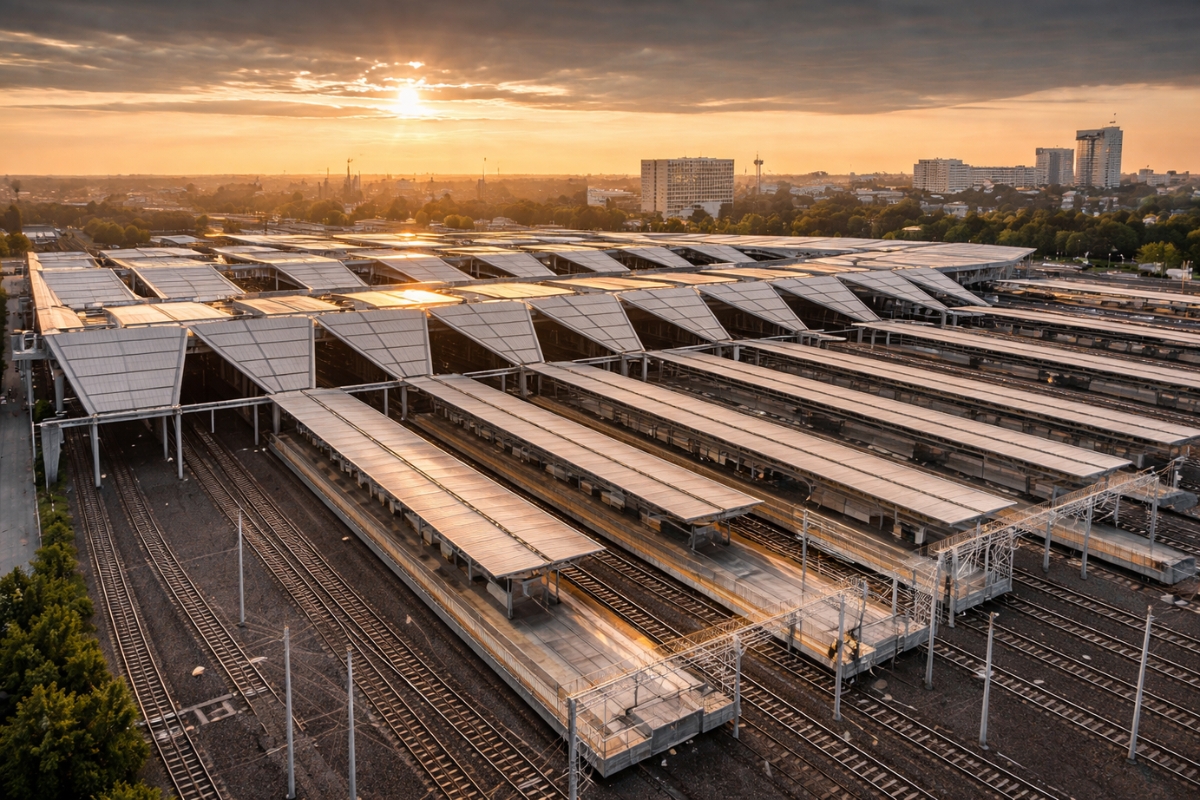
In A European City, The Country’s Largest Railway Junction Was Modernized Without Closing Its Doors, Kept Trains Running During Years Of Construction, Now Serves Up To 60,000 Passengers Per Day, And Installed Solar Panels That Generate About 30% Of Its Energy
-
Famous Brazilian Railway May Become a Parking Lot

-
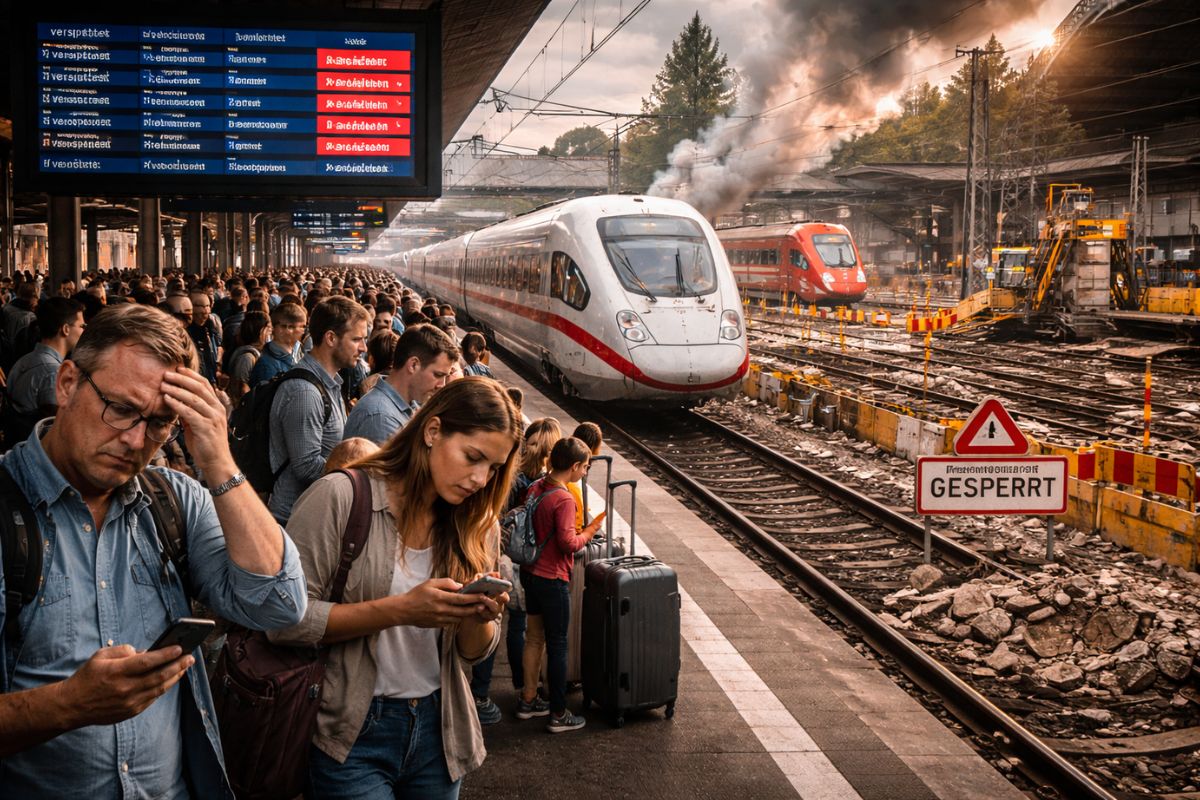
The Country of “Punctual As a Train” Admits It Has Lost Control: High-Speed Trains Delay, Stop, Disappear from the Map and Turn 6-Hour Trips into 10, While Deutsche Bahn Promises Restructuring in 2026 But Faces 19th Century Infrastructure, Staff Shortages and Sections Closed for Months
-
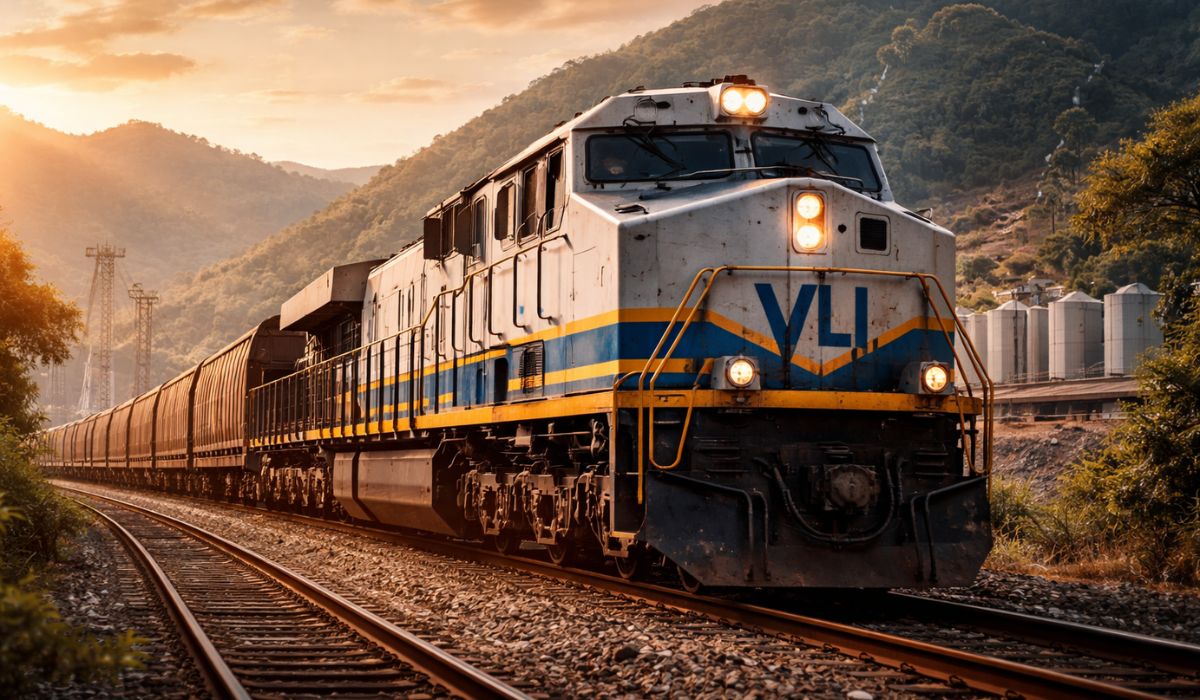
With an Investment of R$ 700 Million in One of the Country’s Main Rail Networks, VLI Reinforces Infrastructure, Receives 8 New Locomotives, and Expands the Corridor Connecting 7 States, Boosting Jobs and the Transportation of Grains, Ore, and Oil Products to the Port of Santos

Under these conditions, the 370 km route can be completed in approximately 40 minutes, significantly altering the logic of medium-distance travel in Japan.
Between Tokyo and Nagoya, the specific distance of 286 kilometers is expected to be completed in just 40 minutes, while the same journey can take over two hours on conventional trains or by car.
This reduction brings railway transportation closer to times traditionally associated with commercial aviation, especially for short and medium-distance domestic travel.
Magnetic Levitation Technology And Superconducting Systems
The advancement of the Chuo Shinkansen is based on electrodynamic levitation technology, known as EDS, which allows the train to float above the tracks without direct physical contact.
The system uses superconducting coils and magnetic fields to support and propel the train, drastically reducing mechanical friction and enabling high speeds with greater energy efficiency.
To maintain superconductivity, the components operate at extremely low temperatures, close to -269 °C, using cooling systems based on liquid nitrogen and helium.
This configuration ensures more efficient acceleration and lower energy consumption compared to traditional railway trains, as well as reducing wear on mechanical components.
Infrastructure, Timeline And Line Extension
The Chuo Shinkansen line was designed to alleviate congestion on the Tokaido Shinkansen, Japan’s main railway corridor, which already operates close to its capacity limits.
The project involves highly complex construction, with approximately 80% of the route composed of tunnels and underground structures, a factor that directly influenced the project timeline.
Initially scheduled for 2027, the inauguration of the section between Tokyo and Nagoya has been rescheduled for 2034 after technical and planning adjustments.
The extension to Osaka is planned for 2037, increasing the total distance to about 415 km and reducing the estimated travel time between Tokyo and Osaka to approximately 1 hour and 7 minutes.
Investment, Operation And Impacts On The Railway System
The railway megaproject represents an investment of nearly 70 million euros, according to the information released, reinforcing Japan’s commitment to innovation in high-speed transportation.
The absence of contact between wheels and tracks reduces mechanical wear, lowering maintenance costs and increasing the lifespan of the systems involved in transport.
The frictionless operation also provides a quieter and smoother travel experience, with less vibration and noise perceived by passengers during the journey.
From a safety perspective, the maglev system presents virtually no risk of derailment, due to precise electromagnetic control and the structural design of the system, different from conventional high-speed trains.









-

2 pessoas reagiram a isso.