





 Portuguese
  English
  Spanish
  2 min of reading
  0 comments


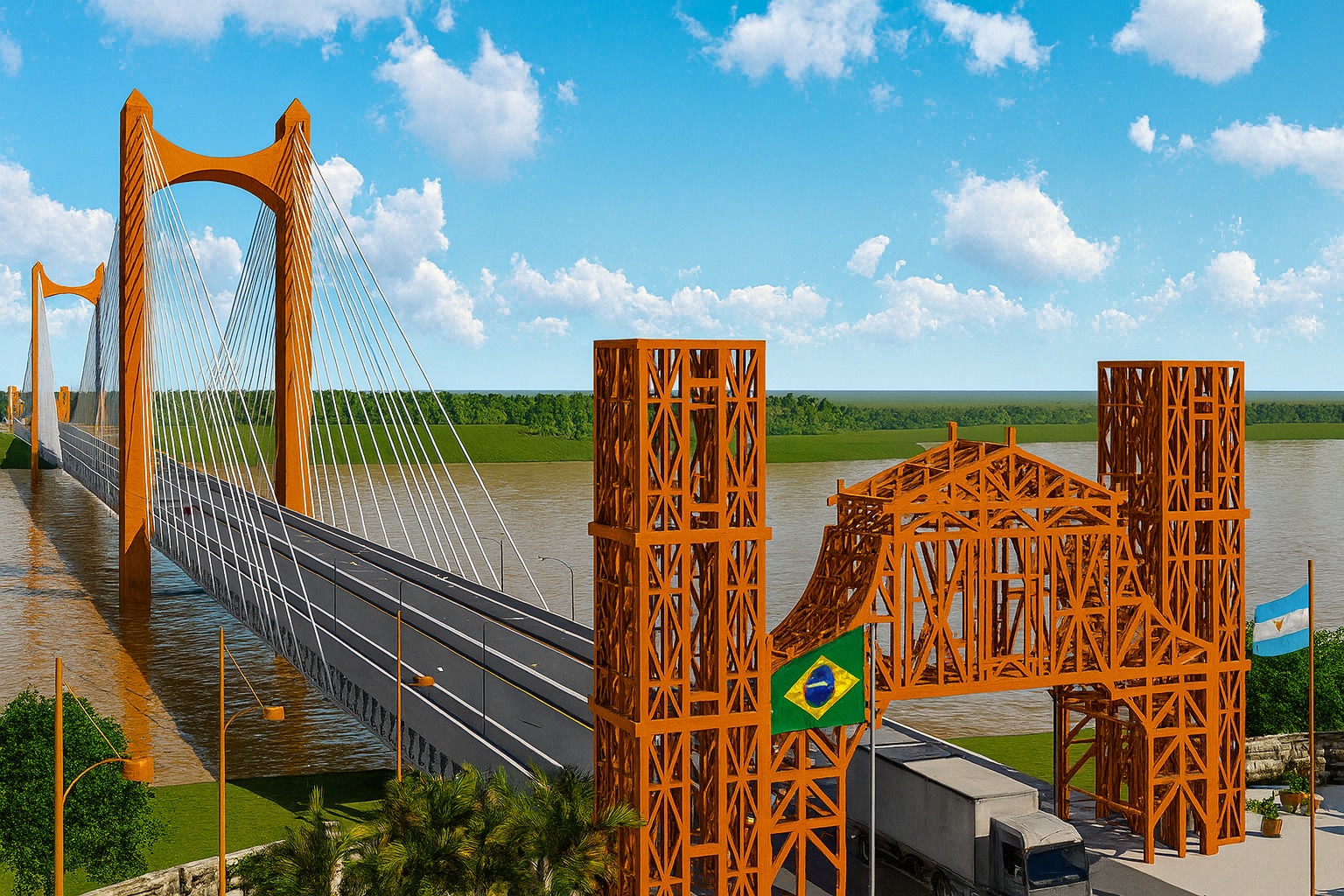
New Bridge Between San Javier and Porto Xavier Should Reorganize the Flow at the Border, Ease Daily Traffic, Stimulate Regional Trade and Mark a Historic Advance in Logistical Integration of the Two Countries
The new San Javier–Porto Xavier international bridge is expected to change the dynamics between Brazil and Argentina because it promises to ease traffic and boost regional trade. The investment of R$ 214 million places the project among the most anticipated in Latin America, so the announcement also raises expectations in both connected cities.
The corridor has been awaited since 1934. The construction is finally starting to take shape and marks an important advance in border integration.
Location and Characteristics of the Structure
The bridge will connect San Javier in Misiones to the Gaucho city of Porto Xavier. The crossing will span the Uruguay River. The project foresees a length of 950 meters and an anchor height of 17.40 meters. The height is 18 meters above the water.
-
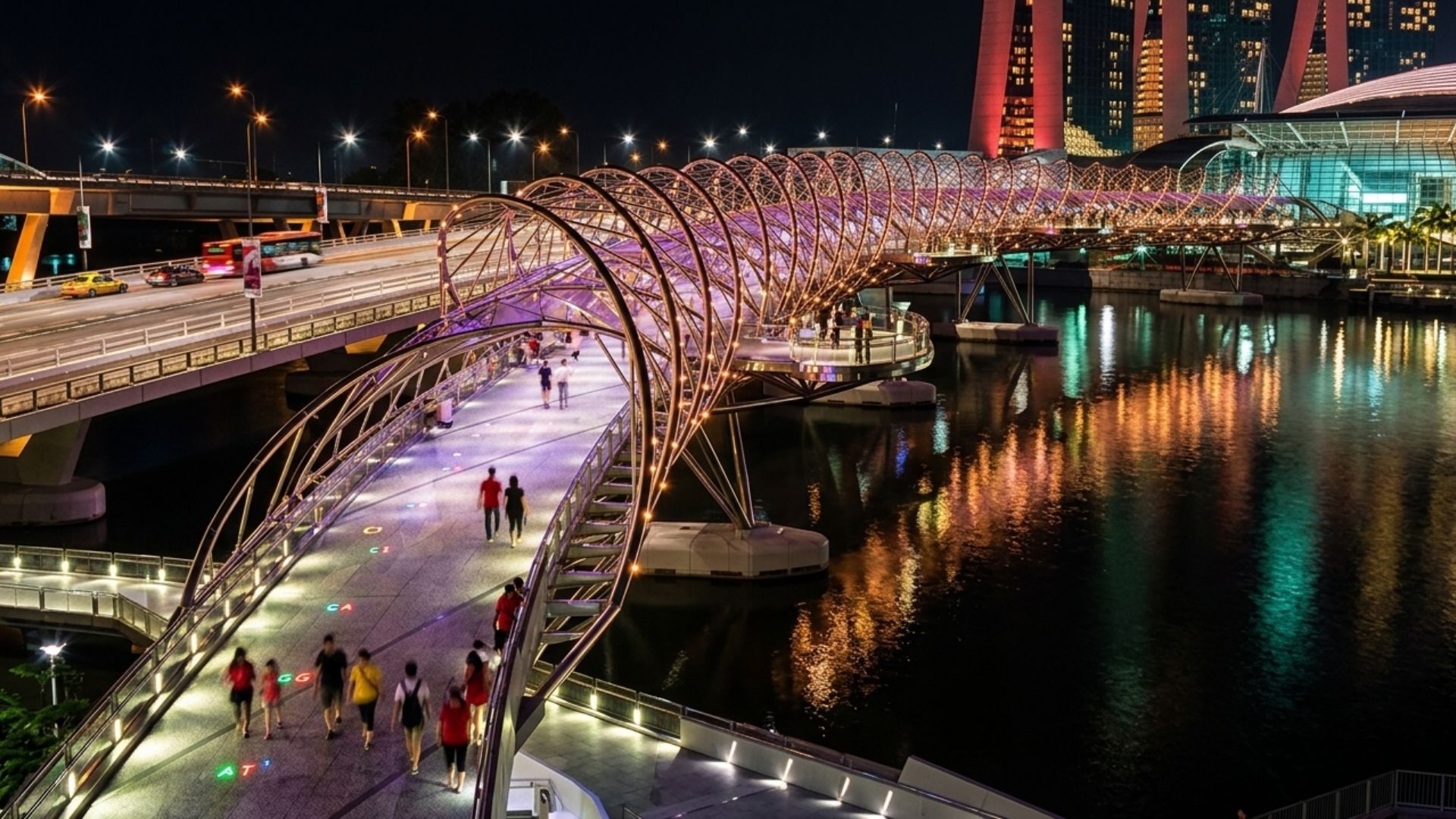
With a DNA shape, this bridge in Singapore draws attention in modern architecture and surprises tourists by transforming a simple crossing into an unforgettable visual experience in the urban heart.
-
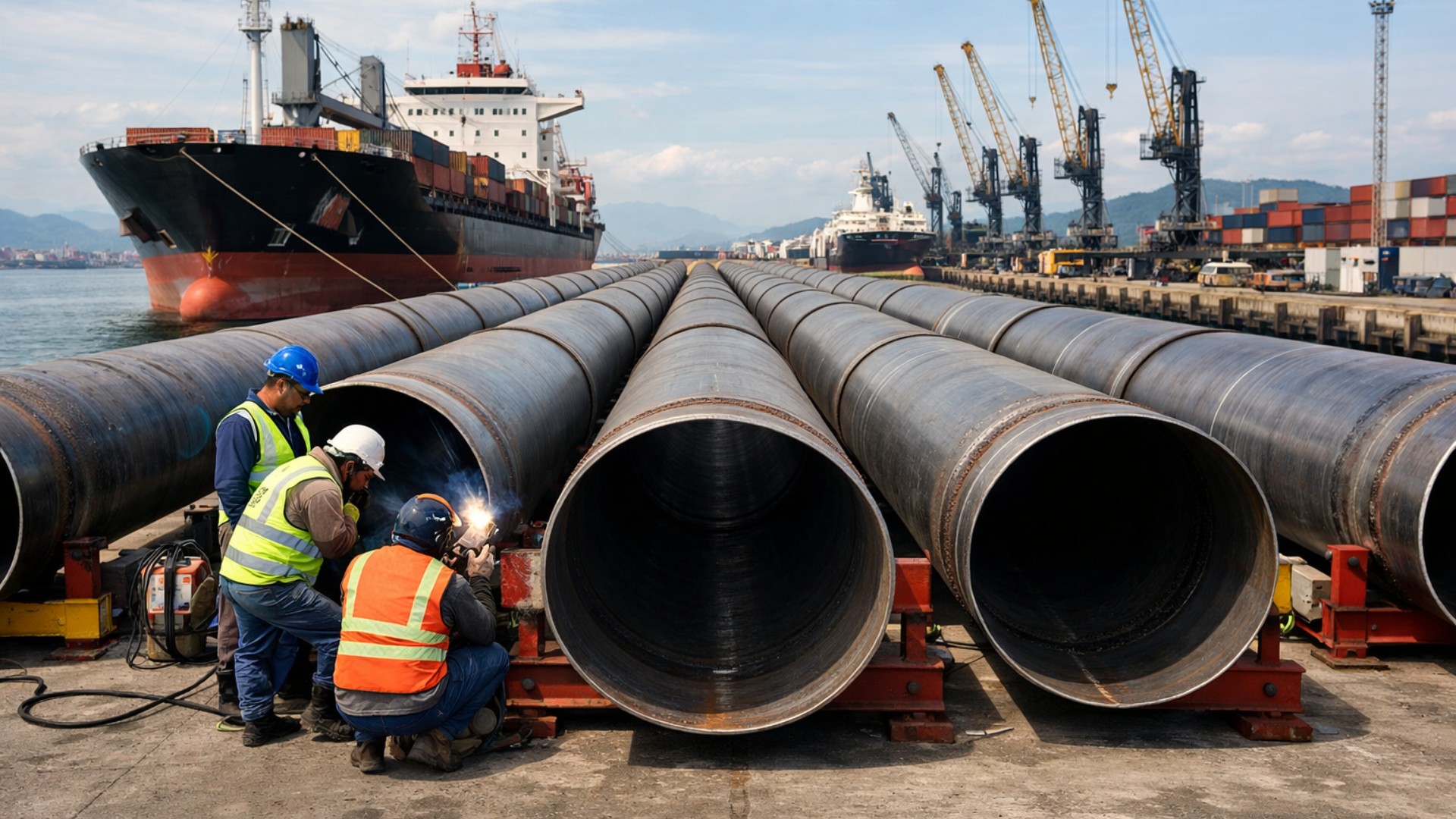
Giant underwater pipeline begins to take shape with a R$ 134.7 million project at the Port of Santos: the 1.7 km structure uses 12-meter and 700 mm pipes to supply water to 450,000 people in Guarujá.
-
A mason reveals a professional plastering technique that uses aligned guides and a 3-meter ruler to plaster an entire wall in up to 3 hours, without visible seams, with uniform thickness, perfect plumb, and a finish ready for painting without rework.

-
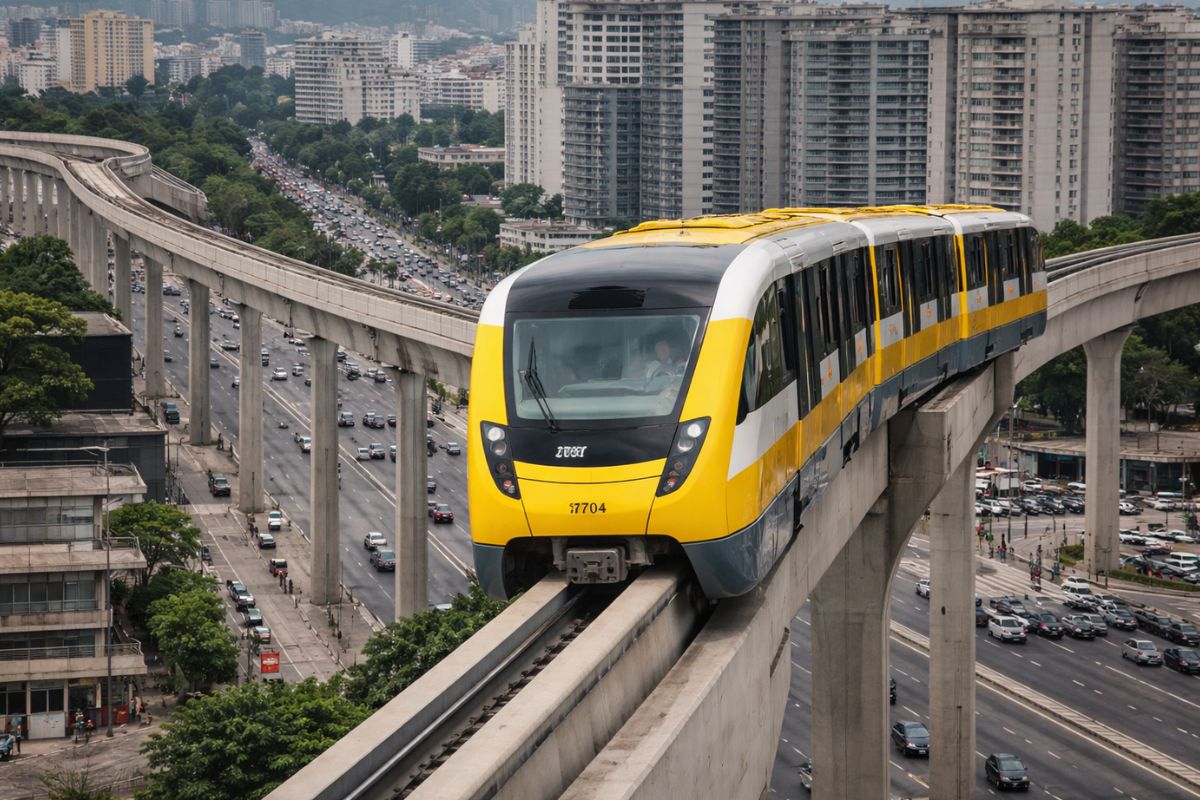
The project that was supposed to be ready for the 2014 World Cup in Brazil debuted with a 12-year delay and nearly R$ 6 billion invested: the Line 17-Gold of the São Paulo monorail opened with reduced hours and is only expected to operate fully in October.

The structure will have lanes for cars and trucks, will include a bike path, LED lighting, and monitoring will be in real-time. The chosen materials aim to ensure durability and performance.
Planning and Financing of the Project
The Federal Government finances the majority of the work. The contracting model includes environmental licenses, expropriation of areas, and adjustments to the executive project, as the process requires parallel steps.
The contract establishes a completion period of 1,440 consecutive days. The total duration is 1,620 days and the investment is R$ 214,681,195.71.
When Will the Bridge Be Ready
The expected start of construction is in 2026, and the inauguration should occur in mid-2030.
The new logistics corridor has the potential to become the most relevant connection in Latin America, therefore it can enhance tourism and facilitate daily mobility.
The project can also revitalize a region marked by decades of waiting, and its integration promises to strengthen the relationship between neighboring countries.
With information from NSC Total.








-

-

-

5 pessoas reagiram a isso.