





 Portuguese
  English
  Spanish
  3 min of reading
  0 comments


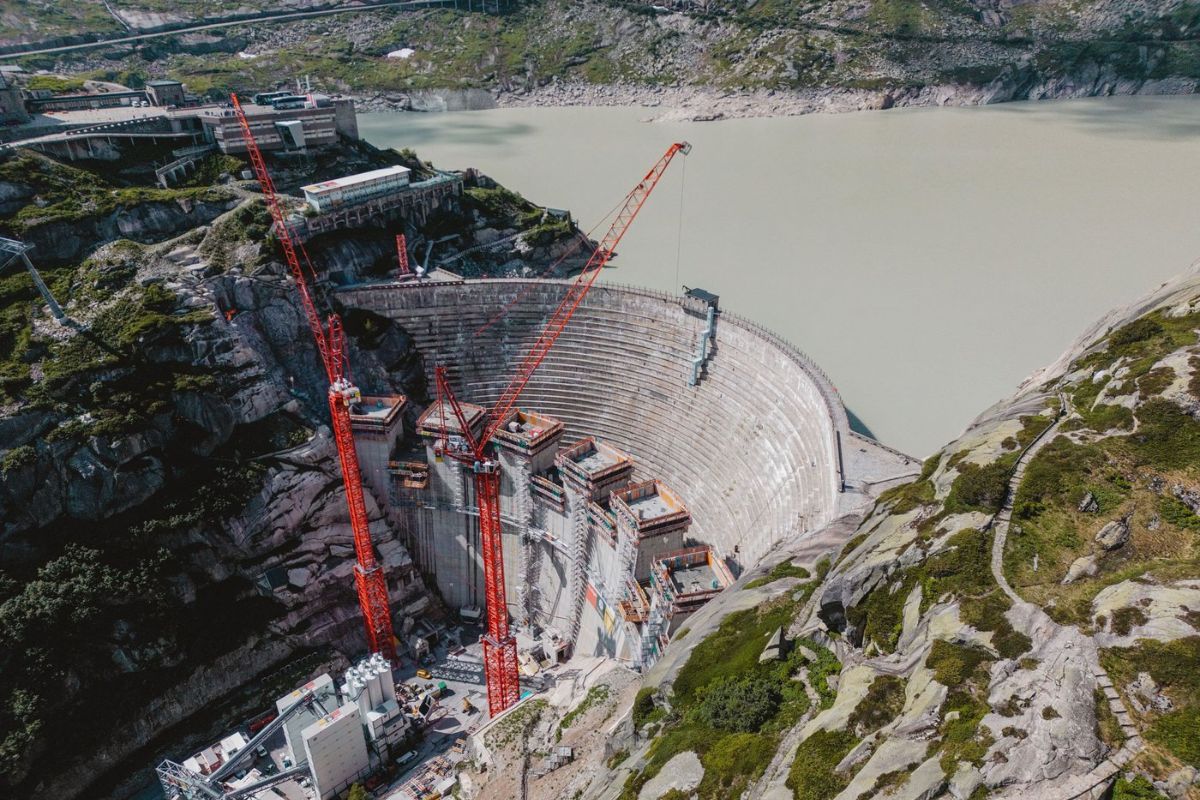
New Structure Replaces Century-Old Dam in the Alps with Sustainable Technology and High Precision, But There Is No Partnership with Brazil at the Moment
The Spittallam Dam in the Swiss Alps was officially completed in May 2025 after six years of work under snow, ice, and significant engineering challenges. The project, 100% Swiss, replaces a structure from 1932 that showed cracks and structural risks, and is already seen as a global example of sustainability and hydropower efficiency.
Despite rumors on social media, there is no confirmation of a partnership between Brazil and Switzerland regarding the Spittallam Dam. The project, however, has been studied by experts and engineering enthusiasts in Brazil as a potential inspiration for modernizing our older hydropower plants, such as Tucuruí and Paulo Afonso.
Precision Engineering at 1,900 Meters Above Sea Level
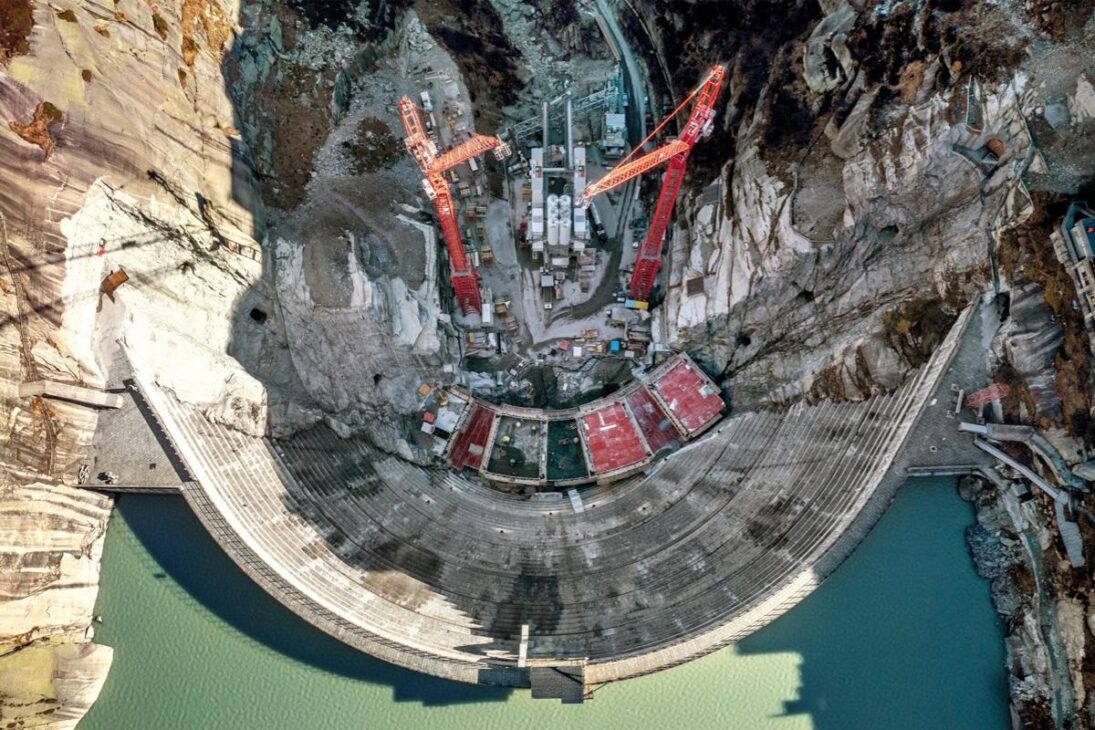
The Spitallamm Dam is located on Lake Grimsel, nearly 2,000 meters above sea level. Built with roller-compacted concrete (RCC), the new structure maintains the original dam’s height of 113 meters but now offers an estimated durability of over 100 years.
-
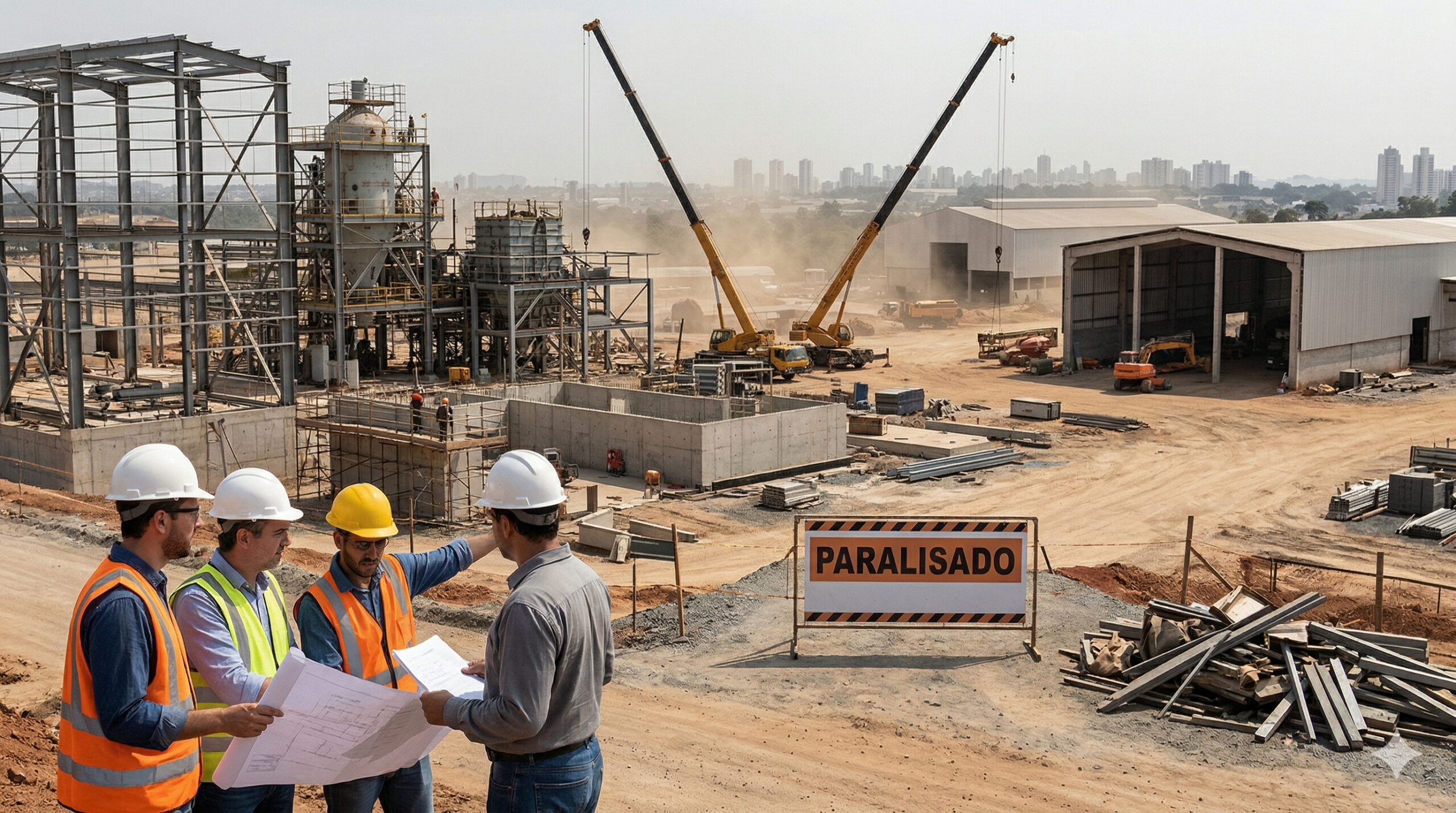
The lack of welders, electricians, and operators becomes a structural threat in 2025, with the construction industry and manufacturing already suffering from delays, cost pressures, and labor shortages in Brazil.
-
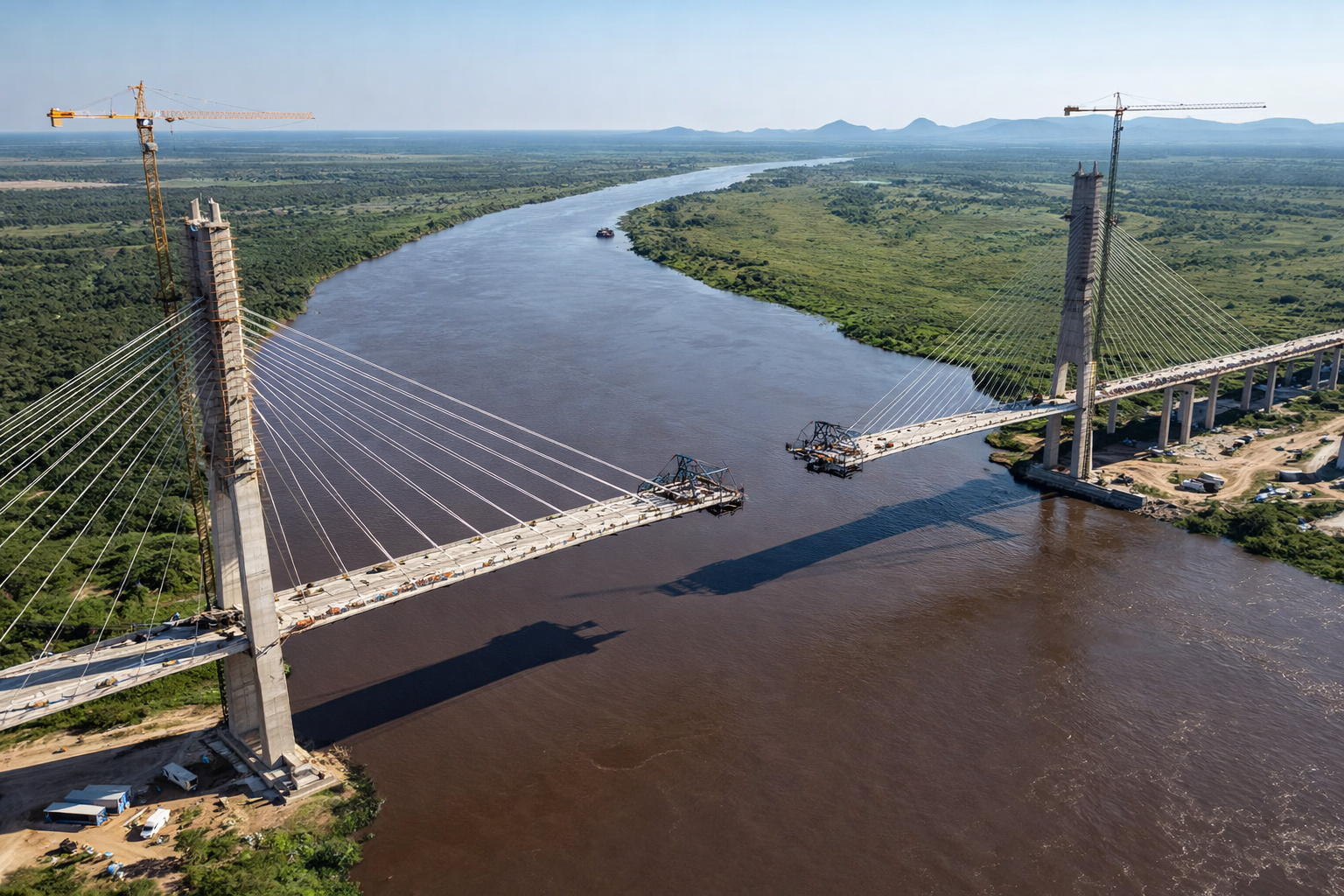
Brazil and Paraguay are just 46 meters away from a historic union on the bioceanic bridge that promises to revolutionize trade between the Atlantic and the Pacific.
-
With 55 km over the sea, a cost of US$ 20 billion, and enough steel to build 60 Eiffel Towers, China’s largest project has connected Hong Kong, Zhuhai, and Macau in a colossal bridge that defies the logic of engineering.

-
A trick with joint compound transforms a Styrofoam ceiling into a plaster-like ceiling: leveled panels, wires and mesh at the joints, sand, paint, and change the environment while spending little today.

With an investment of approximately R$ 600 million, the project is operated by Kraftwerke Oberhasli AG (KWO) and generates energy for more than 300,000 Swiss households. The construction involved companies like Doka (structural engineering), SBM Mineral Processing (concrete), and the French Vicat (low-carbon cement). The entire project followed strict environmental and seismic standards.
No Partnership with Brazil, But Clear Lessons
Several videos on YouTube and posts on X (formerly Twitter) fueled speculation that Brazil would participate in the Spittallam Dam. However, no official Swiss or Brazilian source confirms any bilateral partnership in this project. The Swiss Embassy in Brazil and technical reports only mention scientific and environmental cooperation in other sectors, such as at COP30.
The Brazilian interest appears to be more related to technical inspiration than direct cooperation. The RCC technology used in Spitallamm, for example, could be useful in renovating older national dams, as identified by the Ministry of Mines and Energy in a 2024 report.
Comparison with Itaipu and Belo Monte
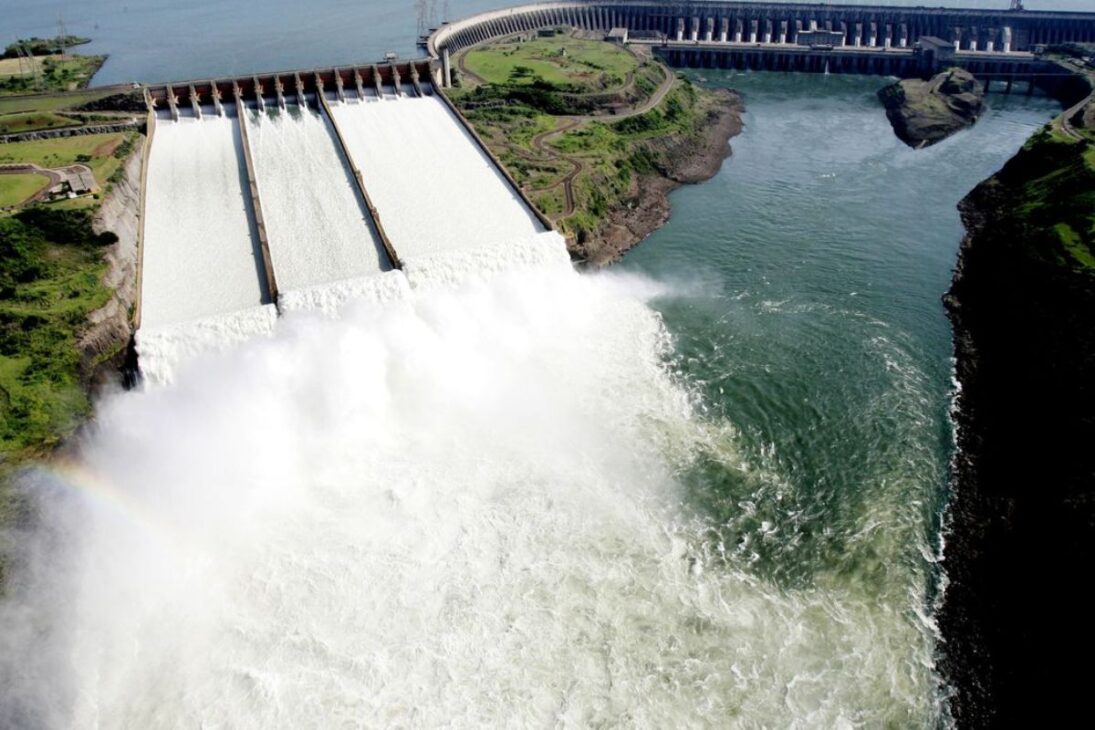
Although much smaller in scale, the Spitallamm Dam stands out for its technical precision, sustainability, and low environmental impact, unlike Brazilian projects like Belo Monte, which displaced entire populations and face criticism to this day.
For comparison purposes:
| Project | Annual Production | Environmental Impact |
|---|---|---|
| Spitallamm | 1,500 GWh | Minimal, no inhabited area |
| Itaipu | 103,000 GWh | Flooding of 1,350 km² |
| Belo Monte | 39,000 GWh | Displacement of Indigenous people |
These differences show how localized and sustainable solutions can be effective, especially in remote areas.
For you, Brazilian, what does this project say about our energy future? Should we invest more in modernizing dams or in new sustainable projects like this? Share your thoughts in the comments.
If you wish, I can now generate the cover image, following the final content above. Would you like me to do that?








Seja o primeiro a reagir!