





 Portuguese
  English
  Spanish
  5 min of reading
  1 comment


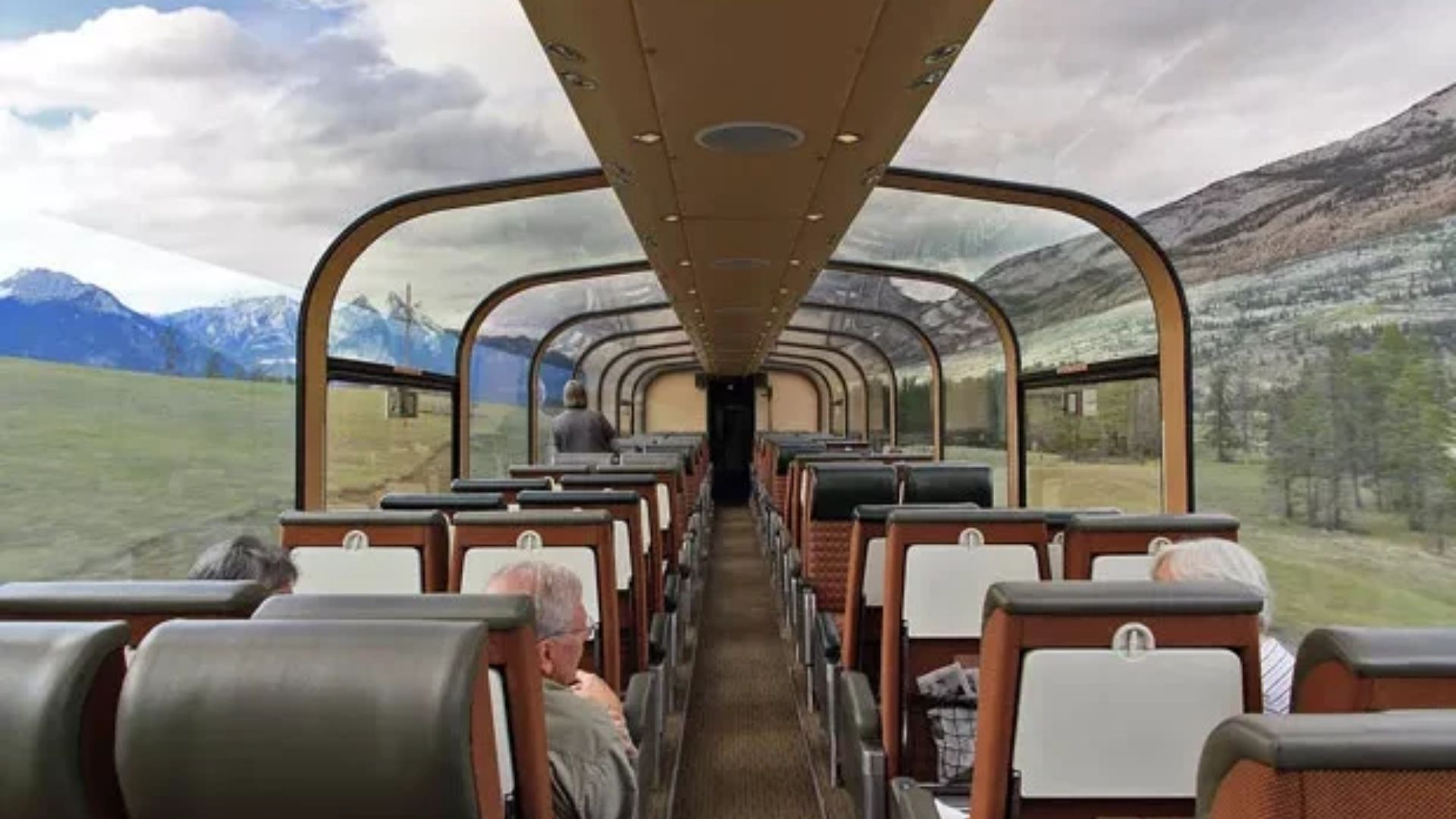


Norwegian Rail Service Offers Immersive Experience to Observe Northern Lights in Glass Wagons During Winter Season.
A night train service in Norway now takes tourists from Narvik to the Arctic mountains in glass-walled cars designed to observe the northern lights with minimal artificial light.
The so-called Northern Lights Train uses the historic Ofoten line in the far north of the country and operates in the autumn and winter season, with departures concentrated between October and March, when nights are longer and darker.
Ofoten Line and the Route to the Arctic
The starting point of the experience is the Narvik train station, a city located north of the Arctic Circle and within the so-called auroral oval, a band on the planet where aurora activity is more frequent.
-
Mr. Mário reveals the technique of the caipira papaya: he cuts the fruit in half, discards the seeds from the tip, and plants the ones from the back to increase the chance of a productive female tree.

-
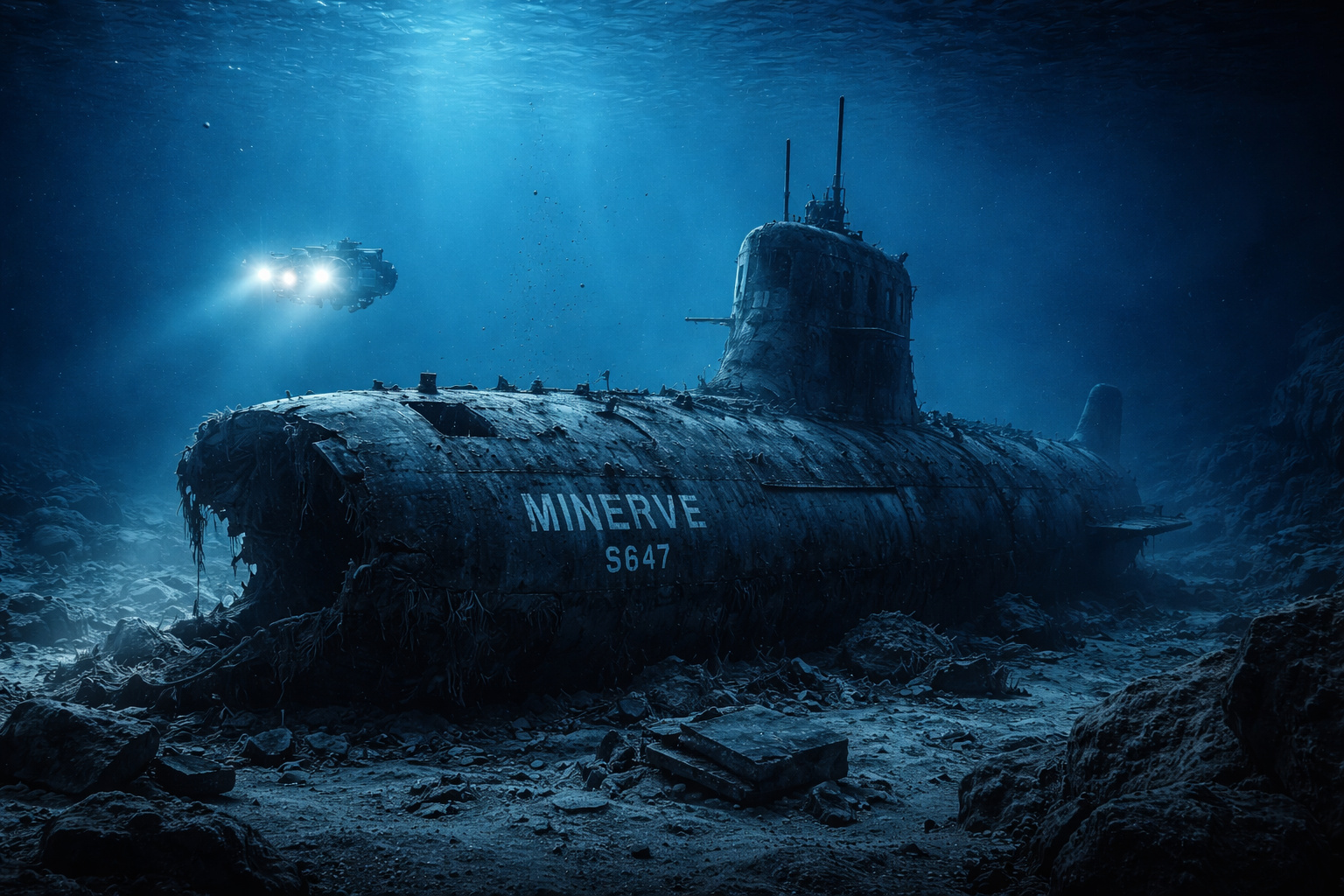
Few remember, but the submarine that disappeared in 1968 with 52 crew members was found after 51 years at the bottom of the sea at more than 2,000 meters, intriguing the entire world.
-
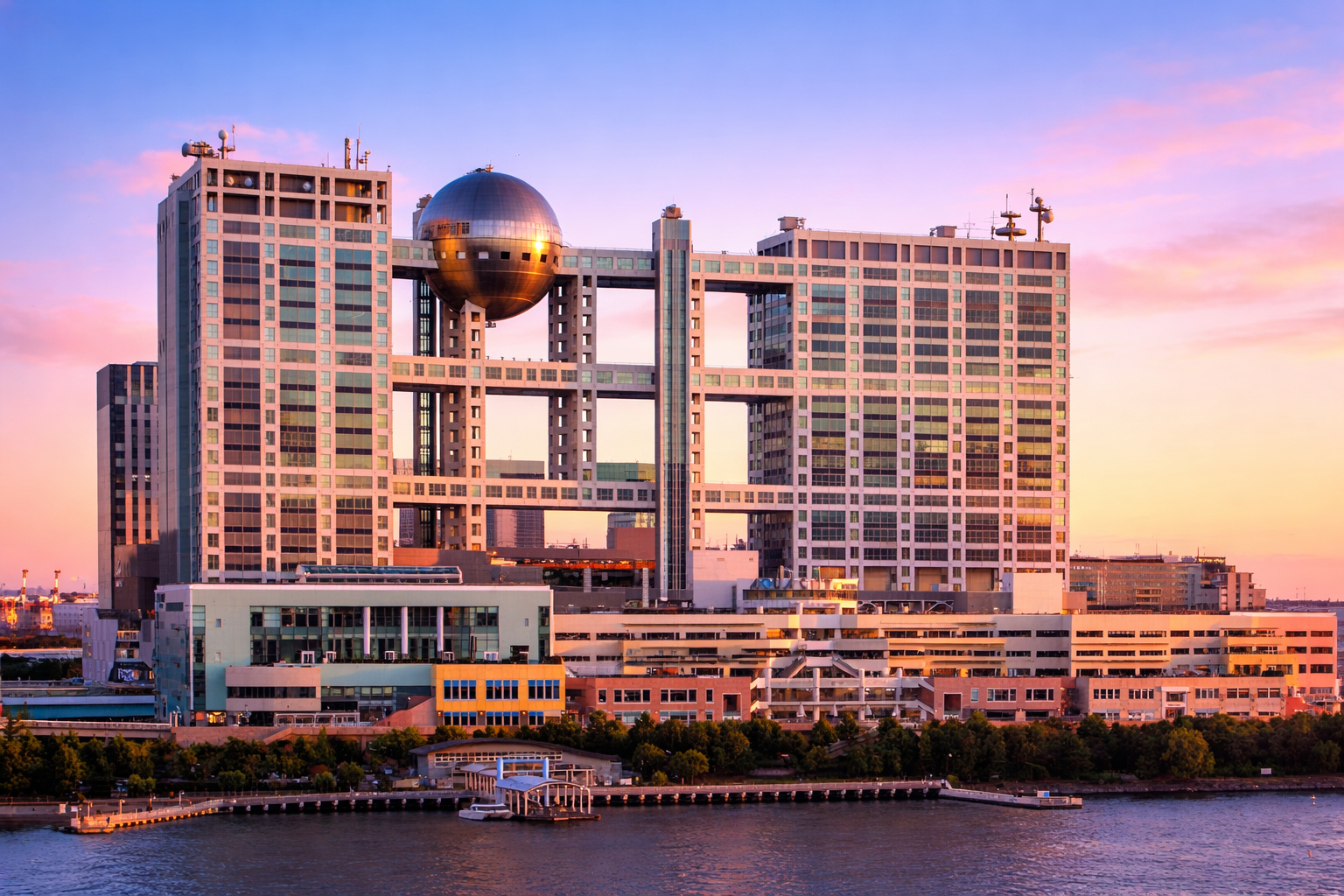
With 1,200 tons suspended, the Japan mega-structure in a grid shape with a floating sphere from Fuji TV features two 25-story towers connected by elevated walkways, titanium panels, and impresses the world with its ability to reduce wind impact.
-
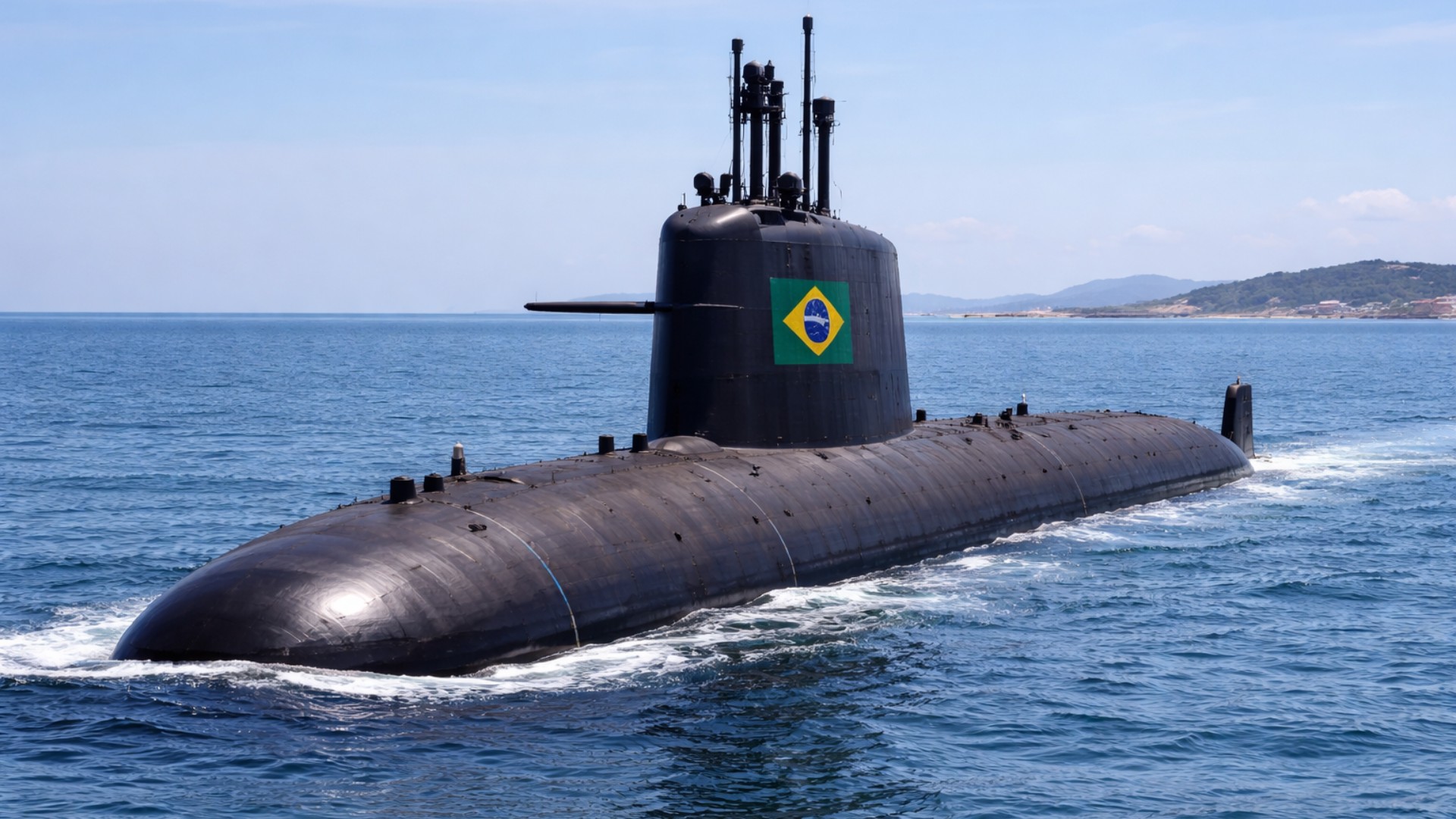
The village where two rivers run side by side without mixing in Santarém and Alter do Chão reveals some of the most beautiful freshwater beaches on the planet.


The train travels along the Ofotbanen, a line originally built to transport iron ore to the ice-free port of Narvik and now also used for sightseeing tours.
For about three hours, the train moves through the valley towards the border with Sweden, passing through stretches of mountains, tunnels, and bridges alternating with views of fjords and snow-covered slopes.
As it moves away from the city, the presence of poles, illuminated façades, and other sources of brightness decreases, creating the dark setting considered ideal for sky observation.
Departures occur early in the evening and follow a fixed schedule each season, with boarding in Narvik around early evening and returning a few hours later.
The schedule is designed to take advantage of the period of highest likelihood of aurora activity, without extending into the early morning hours.

Glass Wagons and Seats Facing the Sky
The wagons used on the Northern Lights Train have been adapted to function as a moving observatory.
The sides feature large panoramic windows, and part of the roof is also glazed, expanding the field of vision for those seated.
The setup creates the feeling of a “transparent cocoon” advancing through the Arctic darkness, with the sky visible in nearly all directions.
Inside, the reclining seats are oriented to favor looking up, allowing passengers to follow the emergence of green, red, or purple streaks directly from their seats.
The lighting has been designed to be minimal and discreet, reducing reflections on the glass and avoiding interference with sky observation.
Although the main aim is to observe the auroras, the train’s configuration also values the daytime landscape and the polar environment.
During segments illuminated by moonlight or snow reflections, the transparent walls showcase mountains, valleys, and rocky cliffs typical of northern Norway.
Stop in Katterat and Bonfires in the Snow
One of the most characteristic points of the route is the stop at the Katterat station, located about 373 to 374 meters above sea level and without road access.
The location can only be reached by train or on foot via trails, contributing to the almost total absence of light pollution.
Upon disembarking, the group is led to an outdoor area where bonfires are lit to warm the visitors.
On some departures, a lavvu tent, typical of indigenous peoples of the north, serves as additional shelter against the cold and wind.
Warm drinks and a light snack are offered while participants observe the sky and wait for the possible appearance of the auroras.
The stop usually includes explanations from guides about the history of the railway, the strategic role of the region, and the characteristics of the light phenomenon.
In Katterat, it is also possible to visit structures related to the area’s railway and military past, such as an old mountain village and a building adapted as a small museum.
When conditions are favorable, the segment on solid ground becomes the most photographed moment of the night.
Ideal Conditions to Observe the Northern Lights
The choice of the route takes into account two main factors: the geographical position of Narvik and the low light interference from the mountains surrounding the city.
The region is located in the zone considered the most favorable for aurora formation, where the interaction between solar particles and the Earth’s magnetic field tends to be more intense.
Between the end of September and the beginning of April, long nights create the broadest observation window.
In the current season, local operators emphasize that the period between 2024 and 2026 coincides with the so-called solar maximum, a phase of the Sun’s activity cycle when there is an increase in the frequency of phenomena related to the auroras.
Even so, the presence of the lights is not guaranteed.
The tour is organized to maximize chances, but it depends on both solar activity and clear skies.
Inside the train, a specialized guide provides basic information about how the phenomenon occurs and usually shows a brief audiovisual material.
Guidance is also provided for those who wish to take photographs, with specific camera adjustment recommendations.
Connections with Bodø, Tromsø and Other Arctic Destinations
Narvik is served by trains that connect to the Swedish rail network and, through integrations with buses and other services, to northern Norway.
This allows the Northern Lights Train trip to be combined with visits to cities such as Bodø and Tromsø, which are popular for winter activities, fjord tours, and aurora observation.
Thus, many travelers use the night trip on the Ofoten line as part of a broader itinerary through the Arctic.
The scenic train route serves as a tourist attraction and not just as transportation between two points.
Price, Services and Environmental Commitment
The package offered for the Northern Lights Train starts at 1,495 Norwegian crowns per person, which is equivalent to approximately 127 euros.
The price includes the train ticket, the presence of a guide, warm drinks, a snack, basic photography guidance, and access to the facilities at the Katterat stop, such as a bonfire and heated shelter.
The train is electric and connected to the Norwegian grid, which is heavily based on renewable generation, especially hydropower.
Local operators present the tour as a form of tourism aligned with the goal of reducing emissions in environmentally sensitive regions.
The route, by reutilizing an existing railway, avoids the opening of new roads in sensitive Arctic areas.
Initiatives promoting the tour highlight the combination of comfort, low impact, and scientific education, with an emphasis on preserving dark areas for sky observation.
Immersive Experience on Ice and Under the Arctic Sky
Combining glass-walled wagons, reclining seats, a route away from urban centers, and a stop in the mountains with a bonfire lit in the snow, the Northern Lights Train turns the journey into a guided observation experience of the northern lights.




Ver a aurora boreal é um sonho em minha vida ,peço que Deus me permita realizar antes de partir deste plano