





 Portuguese
  English
  Spanish
  3 min of reading
  0 comments


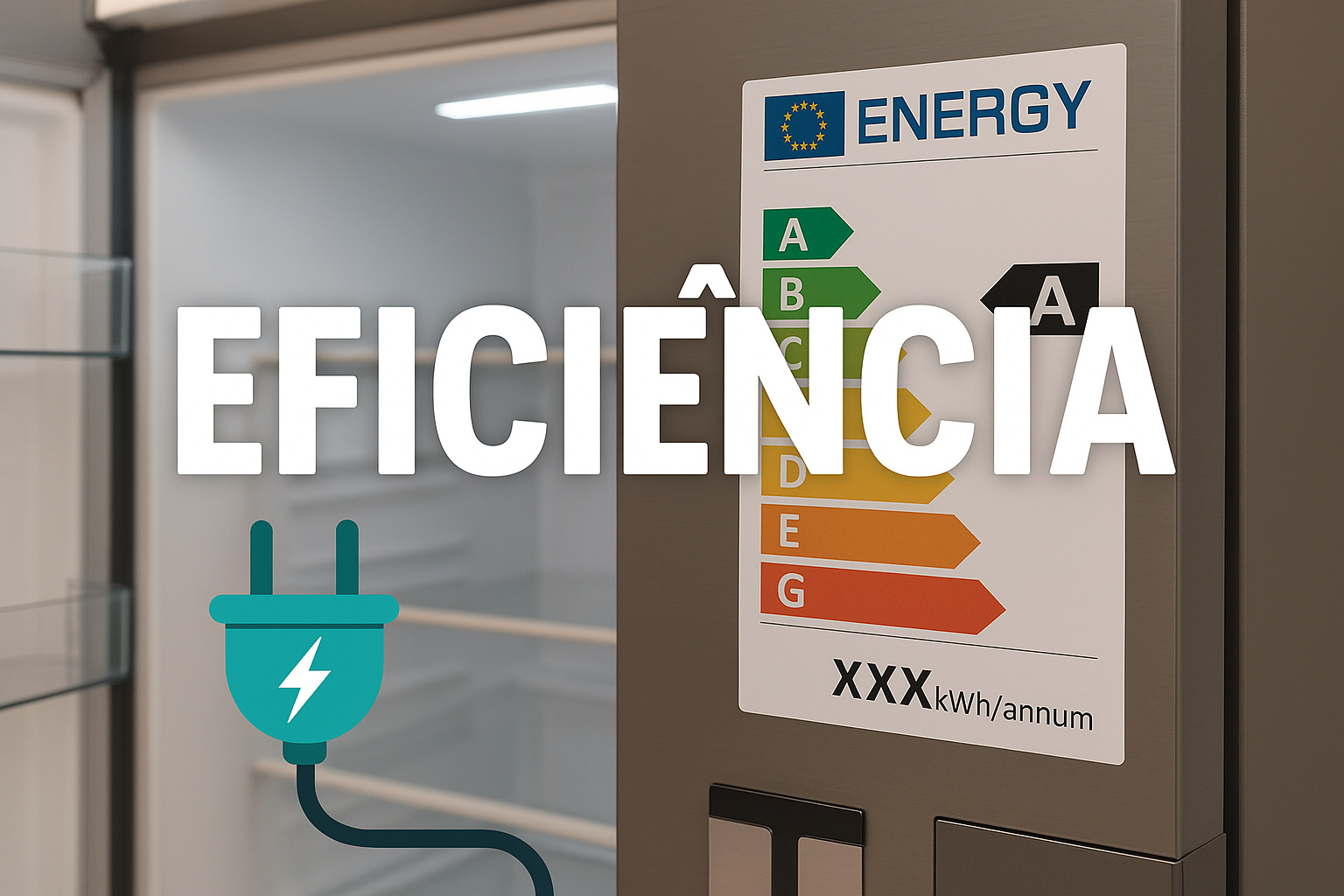
New Rules for Energy Efficiency of Refrigerators for 2026: What Changes and Why Inmetro Will Remove Old Models from the Market
Inmetro Changes Energy Efficiency Rules for Refrigerators from 2026; See What Changes
The new energy efficiency rule for refrigerators, announced by Inmetro, will come into effect in 2026 and is expected to redefine the Brazilian refrigerator market. The change, which involves manufacturers and retailers, reduces the current classification from six categories to just three.
The goal is to bring Brazil closer to international standards and reduce energy consumption in homes.
According to Inmetro, the new rules will be in effect nationwide from 2026, when only refrigerators with a minimum efficiency equivalent to the new category C will be allowed to be sold. The change occurs because old models consume much more energy and no longer meet current technical requirements.
-
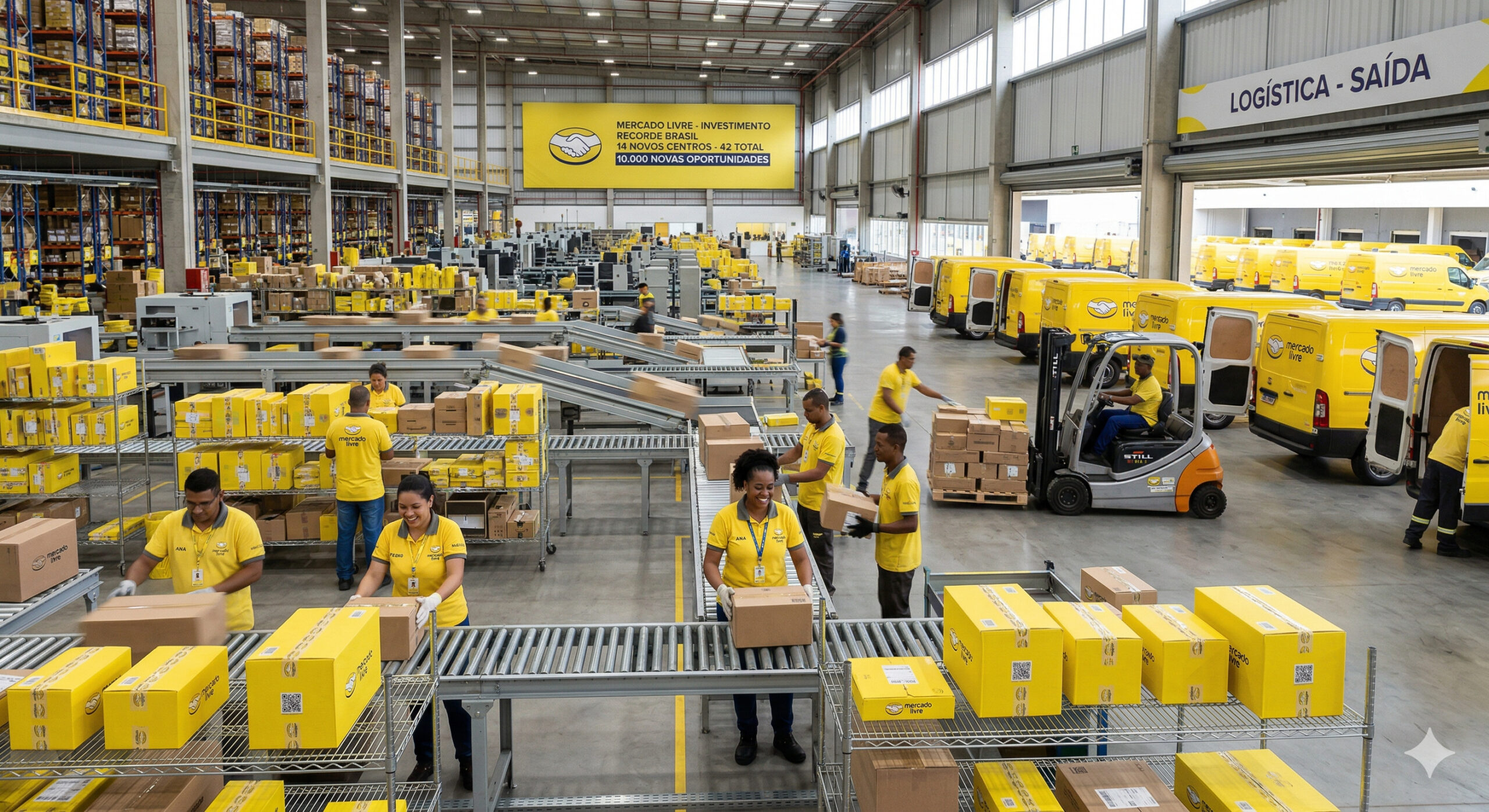
Mercado Livre “opens the vault” and announces a record investment of R$ 57 billion in Brazil in 2026, a value 50% higher than the previous year, with an expansion plan that includes 14 new logistics centers, totaling 42 units in the country and hiring an additional 10,000 employees.
-
How investment in technology can revolutionize the national economy and enhance industrial gains, according to a study that highlights the direct impact on productivity, innovation, and wealth retention within Brazil.

-
The largest food company on the planet, JBS, has just opened a 4,000 square meter laboratory in Florianópolis to develop customized proteins that modulate muscle mass gain, immune response, and metabolic performance.

-
After nearly 30 bids and competition among industry giants, a Spanish company purchases one of the largest airports in Brazil for almost R$ 3 billion and takes over the management of Galeão in a concession that will last until 2039.


The decision, according to the agency, aims to increase the energy efficiency of refrigerators sold in Brazil by 2030, aligning the country with levels already adopted by the European Union.
How the New Energy Efficiency of Refrigerators Works
Currently, the energy efficiency label for refrigerators includes six levels: A+++, A++, A+, A, B, and C. This structure, however, will be replaced by a simpler system, with only three categories: A, B, and C.
The change better identifies the differences between models and makes it easier for consumers to choose. Additionally, it prepares the industry for a more demanding standard.
How the New Classification Will Be
- Products A+++ and A++ will become A
- Products A+ and A will become B
- Products B will become C
- Categories D and E will cease to exist
Until December 2024, manufacturers could still produce models with low efficiency. In 2025, production was halted, but sales of old stock could continue. By 2026, only refrigerators classified between A and C under the new rule will be allowed for sale.
Why the Energy Efficiency of Refrigerators Will Be More Rigid
Inmetro states that the new energy efficiency standard allows for both environmental and economic gains. Since refrigerators are responsible for a significant portion of household consumption, technological improvements reduce the pressure on the national electrical grid.
Furthermore, the goal is that by 2030, category A will represent only the most efficient models – something similar to what already occurs in the European Union. The C label of 2026 will be more demanding than the current C, ensuring that old products with high consumption are definitively removed from the market.
Industry Claims to Be Ready for the Changes
According to Eletros, the association representing manufacturers, the national industry is already prepared to comply with the new energy efficiency rules for refrigerators.
Jorge Nascimento, executive president of the entity, stated that companies “have made significant efforts to adapt, with consistent investments and technological adjustments, which allows the sector to move forward confidently into this new regulatory stage.”
What Is Energy Efficiency, After All?
Energy efficiency is the ability of a device to perform the same function while consuming less energy. In other words, it is delivering the same performance with lower electrical consumption.
For example: two refrigerators of the same size may have different energy consumptions. One may consume 35 kWh per month, while another reaches 50 kWh. The Inmetro classification serves exactly to indicate this difference to the consumer.
What to Expect from the Market from 2026
The transition is expected to impact both manufacturers and consumers. Old models are likely to disappear from shelves, while new technologies become the norm. Thus, it is expected that refrigerators with higher energy efficiency will become more common, even if they may initially have higher prices.
On the other hand, reduced consumption is expected to compensate for this investment over the years, especially in electricity bills.










-

3 pessoas reagiram a isso.