





 Portuguese
  English
  Spanish
  4 min of reading
  0 comments


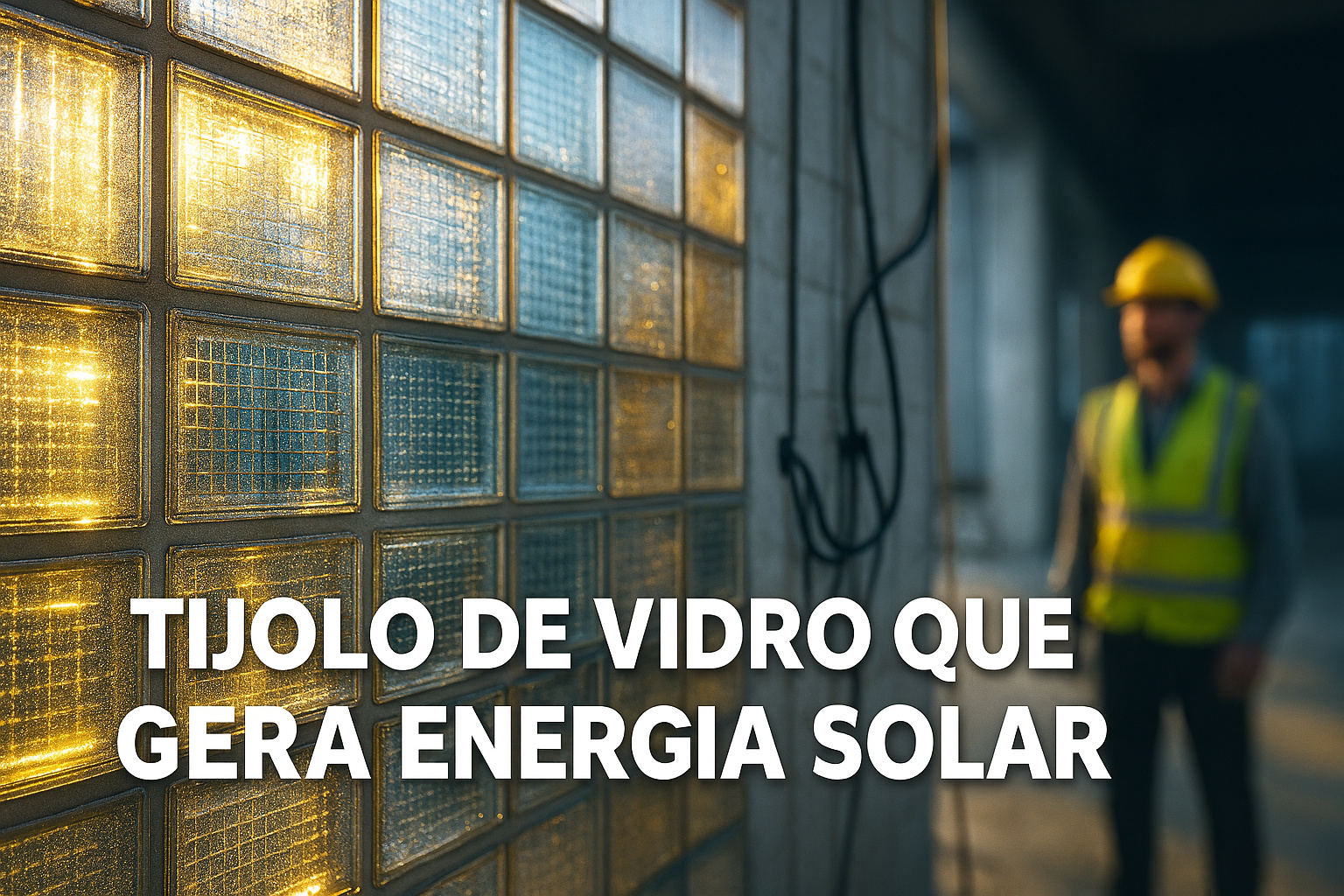
Solar Brick Promises to Revolutionize the Construction Industry: Made of Glass with Photovoltaic Cells, It Turns Walls into Energy Generators and Can Reduce Electricity Bills.
A new concept promises to revolutionize the way houses and buildings are designed: the solar brick, a translucent block made of glass with integrated photovoltaic cells capable of generating electricity directly from walls. The technology, which has been researched by renewable energy innovation labs and experimentally applied in constructions in Brazil and abroad, combines aesthetics, efficiency, and sustainability.
According to Correio do Estado, the project is gaining traction in the construction industry by transforming structural elements — such as walls and facades — into true mini power plants for clean energy. The idea is simple and clever: each glass brick contains a layer of photovoltaic semiconductor material, similar to that of traditional solar panels, which captures natural light and converts it into electricity.
How the Solar Brick Works
The structure of the brick is composed of high-strength glass, with a transparent photovoltaic layer between two panels. This layer absorbs part of the sunlight and generates electric current that can be directed to batteries, inverters, or directly to the building’s electrical system.
-
Argentina debuts its first 100% solar-powered highway and transforms an entire road into a showcase of clean energy.

-
Minas Gerais reaches a historic record and surpasses the power of Itaipu, but network costs generate debate: Understand why solar energy in MG impacts the electricity bill of those without panels.
-
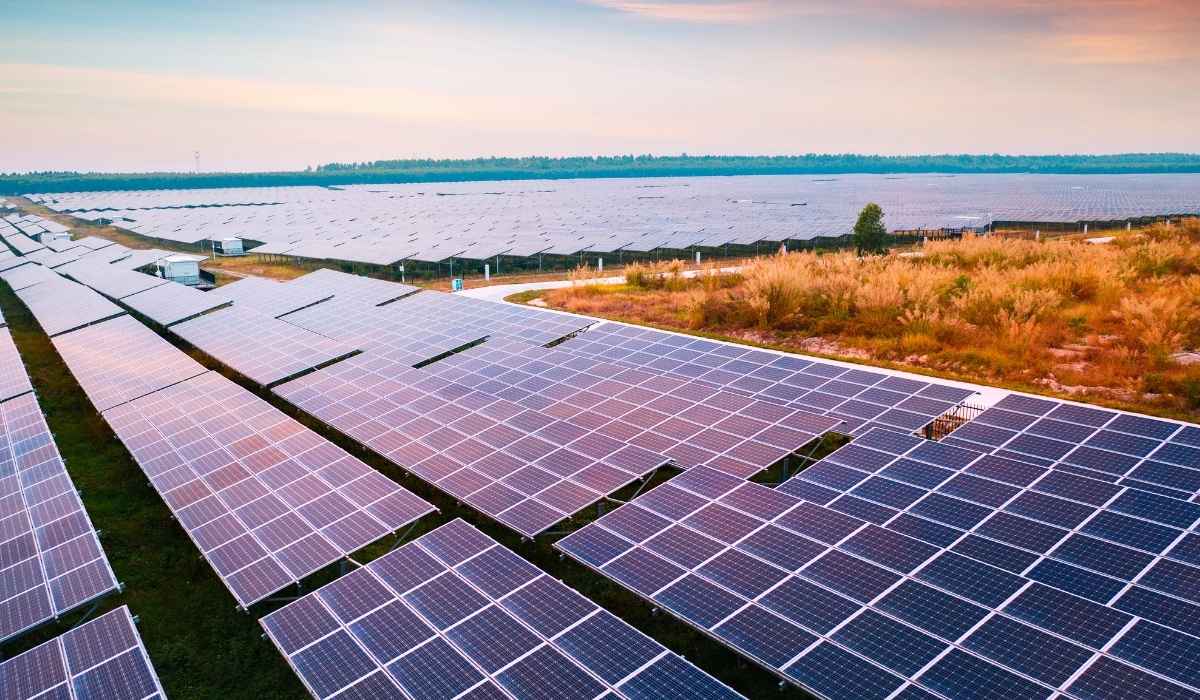
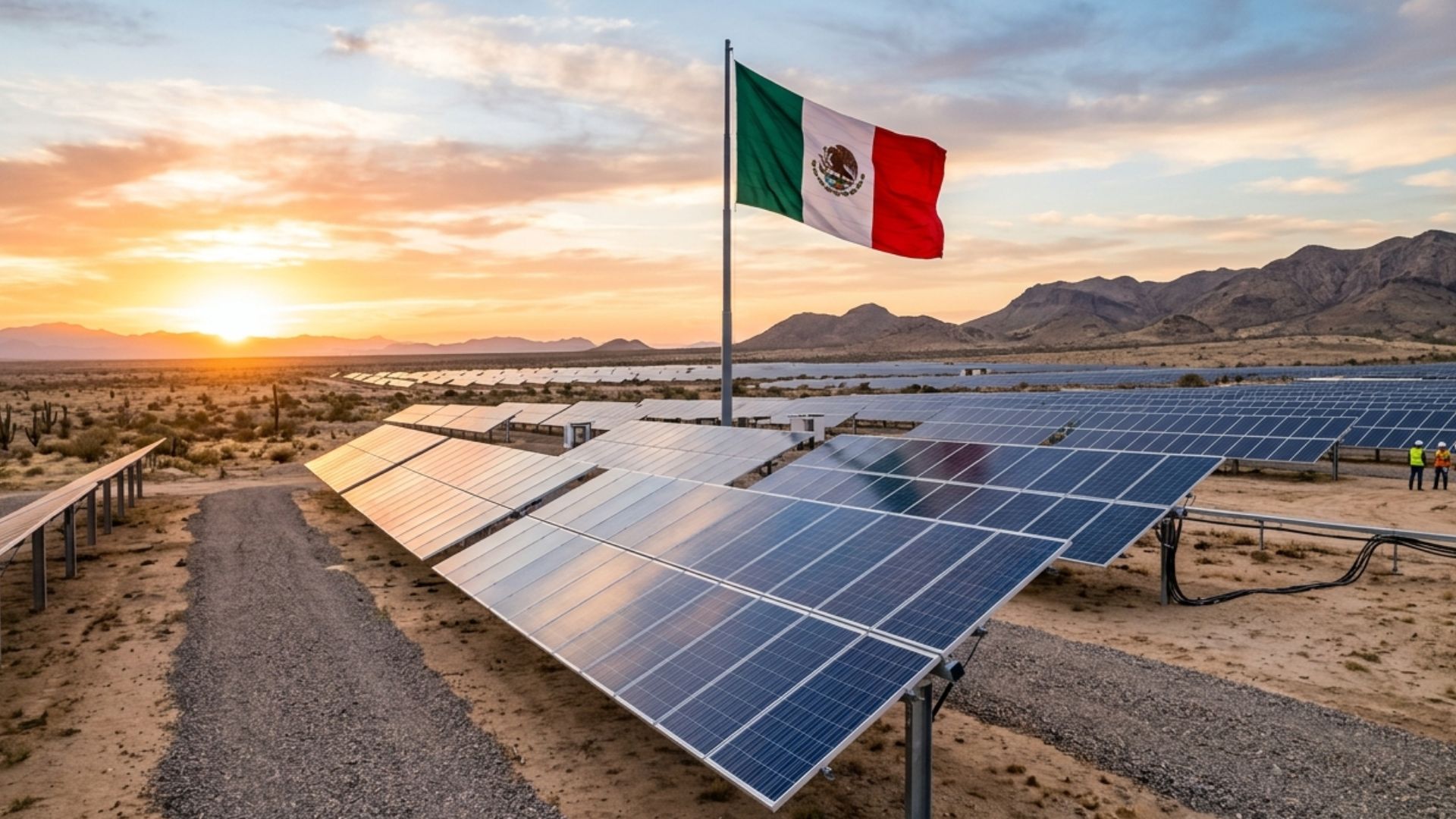
Mexico surprises the world by building the future largest solar plant in Latin America, advancing with planned expansion to over 1 GW, and boosting solar energy in the country.
-
Solar cells have just achieved the “impossible” with this 130% breakthrough.

Unlike conventional solar panels, which need to be installed on the roof and require space, the brick can be integrated into the masonry itself, becoming both an aesthetic and functional part of the building. In addition, its partial transparency allows for natural internal lighting, reducing energy consumption also for artificial lighting.

Experts in sustainable architecture claim that the concept belongs to the group of technologies known as BIPV (Building Integrated Photovoltaics), or photovoltaics integrated into buildings. These systems are already being applied in glass facades in Europe, Japan, and China, but the use in modular glass blocks is still an innovation at an experimental scale.
Reduction of Electricity Bills and Environmental Benefits
Initial studies indicate that the combined use of solar bricks and conventional panels can reduce monthly energy demand for a residential property by up to 30%. In commercial buildings and industries, where there is a larger exposed facade area, this saving can be even greater.
According to researchers cited by Correio do Estado, solar bricks are also designed to withstand high temperatures, impacts, and weather conditions, ensuring durability similar to that of traditional bricks. In addition, they are 100% recyclable, since glass and photovoltaic silicon can be repurposed.
In environmental terms, the impact is significant: each square meter of active solar material reduces an average of 0.5 tons of CO₂ per year compared to fossil energy sources. On a large scale, this can mean a significant reduction in emissions in the construction industry — one of the most polluting sectors on the planet.
Challenges and Next Steps for the Technology
Despite the enthusiasm, experts warn that the technology still faces cost and scale challenges. The unit price is higher than that of conventional bricks, and the energy efficiency — although improving — still does not match that of crystalline silicon solar panels.
However, manufacturers and research centers are betting on cost reduction through mass production and on the growing demand for sustainable construction. Pilot projects are already being implemented in universities, public buildings, and model homes, and initial results are promising.

Additionally, Brazilian photovoltaic technology companies are exploring partnerships with construction companies to localize the product and reduce production costs, which could accelerate the adoption of this innovation on a large scale.
The Future of Energy-Producing Homes
The introduction of the solar brick represents a leap in the integration between architecture and energy. The trend is that, in a few years, buildings will cease to be mere consumers and will also act as generators, becoming self-sufficient in electricity.
With the advancement of policies that promote renewable energy and the gradual decline in production costs, the expectation is that this new technology will become accessible to the Brazilian market by the end of the decade.
Meanwhile, the idea of transforming each wall into a small solar power plant not only redefines the concept of construction but also consolidates a new era of sustainable engineering — where innovation, design, and environmental responsibility go hand in hand.









-

-

-

-

9 pessoas reagiram a isso.