





 Portuguese
  English
  Spanish
 5 min of reading
  0 comments


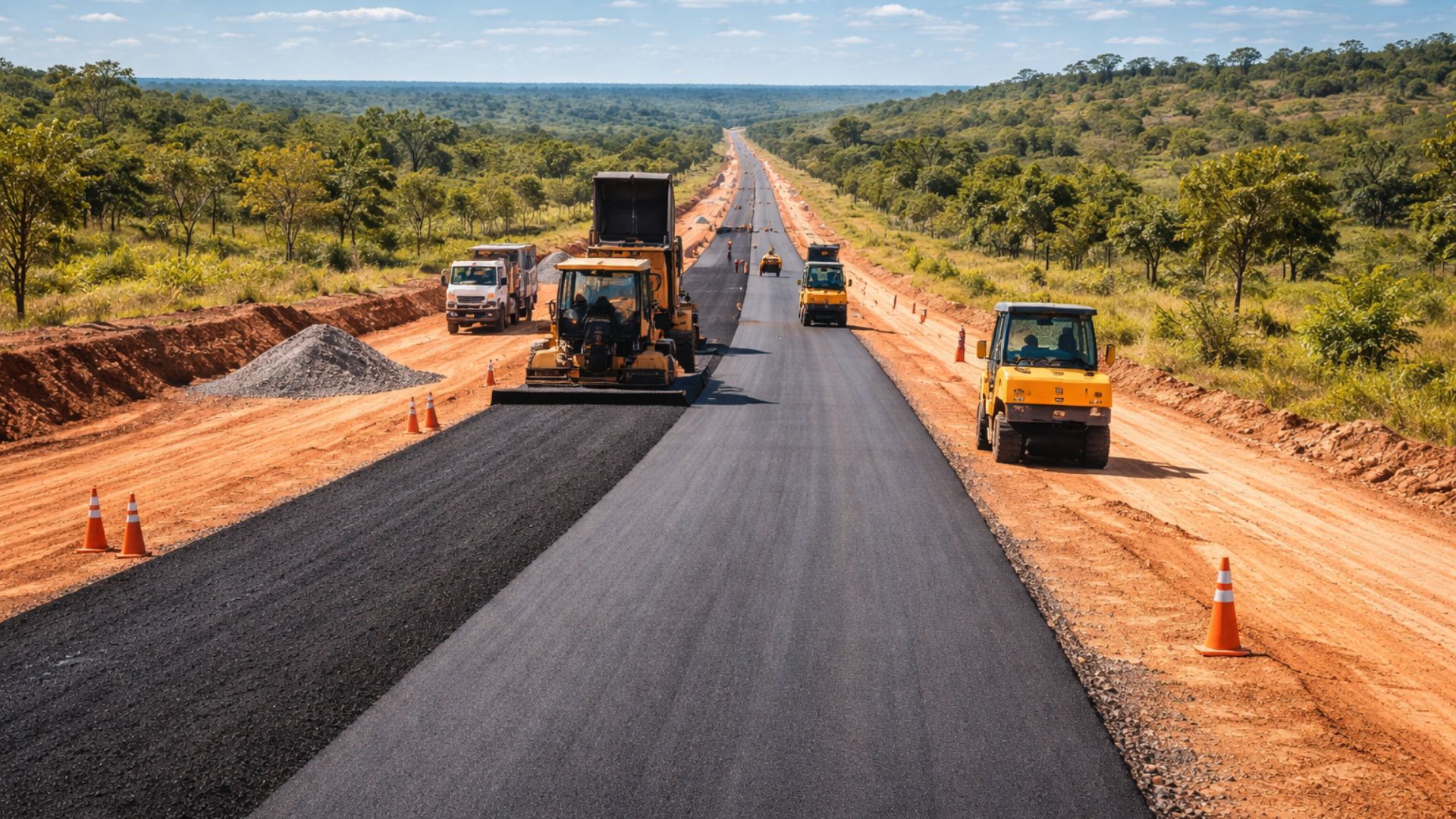
Delivery of Highway in Northern Piauí Shortens Distances, Concentrates Public Investments and Alters the Mobility Dynamics Between Miguel Alves and Barras, with Paving, Drainage, Bridges and Signage Along 77 Kilometers.
The paving of PI-110 in Northern Piauí was delivered by the Department of Highways (DER) and has shortened the distance between Miguel Alves and Barras, creating a direct link between the two municipalities.
With 77 kilometers in length, the highway reduces the distance between the cities by 38 kilometers, according to the state government, by replacing a route that was up to 115 km with a shorter and more continuous path.
To enable the intervention, the State allocated R$ 54.6 million to the project, which included both paving and asphalt recovery, as well as the implementation of drainage structures and signage along the entire stretch.
-
The government puts R$ 8.6 billion on the table to change the highway (BR) with 50 overpasses, 28 bridges, 4 tunnels, and 40 km of bike lanes in 180 km of historic duplication.

-
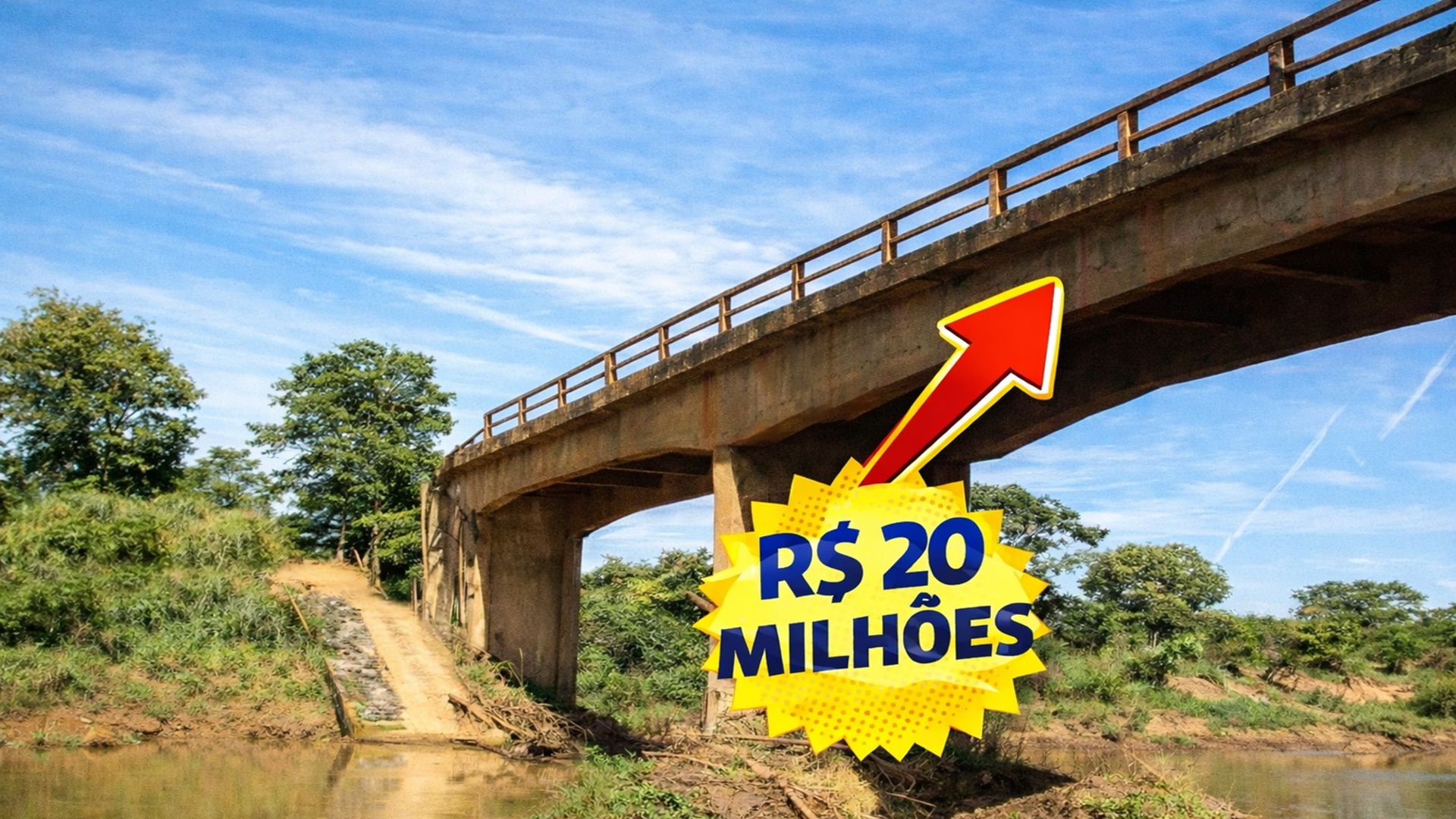
BRL 20.1 Million Bridge Project Kicks Off: 200-Meter Construction to Improve Access in Three Cities in Minas Gerais
-
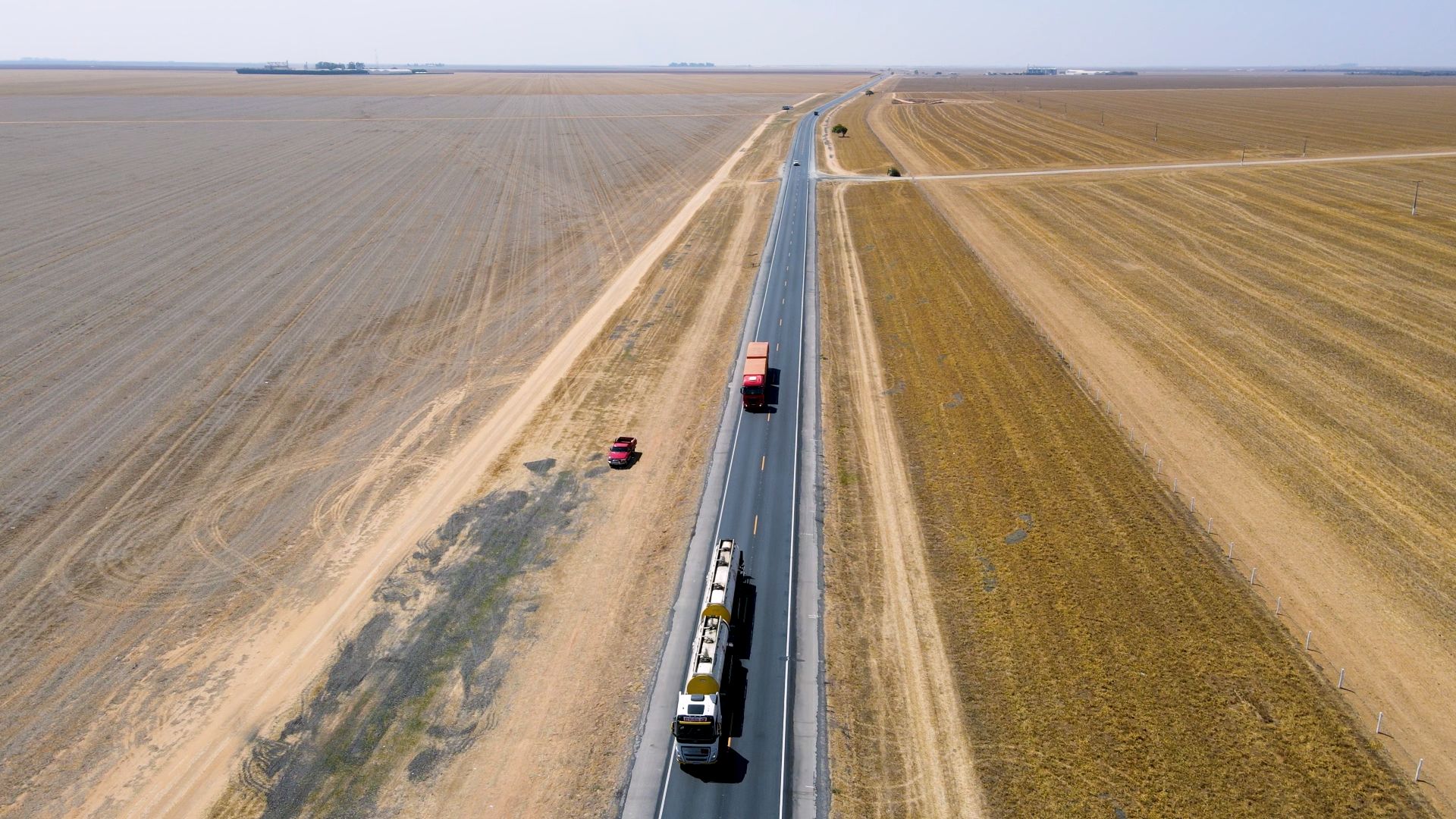
‘Endless Road’ In Brazil Is One of The Largest In The World: 145 Km Stretch On An Important Highway (BR) Crosses The West Of Bahia And Had 135.9 Km Revitalized With R$ 35.3 Million
-
Engineer From ITA Who Worked at Embraer Leads Free Flow Expansion With National Artificial Intelligence and Technology for Toll Without Barriers in Brazil


The expectation presented during the delivery is that more than 100,000 people will benefit, considering residents of Miguel Alves, Barras, and communities that use the highway as their main route of travel.
Paving of PI-110 and Details of the Executed Works
The set of services carried out on PI-110 involved different work fronts within the same road corridor, with specific solutions for each section of the road.
Out of the total of 77 km, 47 km received new paving, while another 30 km underwent resurfacing with micro-asphalt coating, a technique used to recover the surface and extend the durability of the existing pavement.
In addition to the asphalt, the project included structural actions aimed at reducing flooding and recurring damage during the rainy season, a frequent problem on the region’s highways.
In this context, 55 culverts were built, curbs, gutters, and drainage outlets were installed, measures that help organize drainage and preserve the road’s base.
Horizontal and vertical signage was also installed along the entire length, reinforcing road safety and guiding those traveling through the stretch, as informed by the DER.

Another highlighted point was the construction of a <strongReinforced Concrete Bridge, as well as the recovery of a second structure, considered essential for ensuring the continuity of traffic in areas of natural drainage.
Distance Reduction Between Miguel Alves and Barras
For those who use the highway daily, the main change is the direct reduction of distance between Miguel Alves and Barras, a factor that impacts travel time and transportation costs.
Before the work, the route mentioned by officials reached 115 km, requiring detours and longer routes for those needing to travel between the two municipalities.
With the completion of the corridor, the journey has now been shortened to 77 km, which tends to decrease the time spent on routine trips, such as commutes to work, access to services, and transport of goods.
The director-general of DER, Leo Sobral, emphasized that the reduction in distance brings immediate benefits to the population.
“Previously, the route between the two cities was 115 kilometers. Now it is only 77. This means less time on the road, fuel savings, and a better quality of life for those living and working in this region.”
According to him, the reduction in the route helps to decrease fuel consumption and make travel more predictable, especially for those who frequently rely on the road.
Additionally, the project was presented as a way to improve the flow of local traffic, especially in sections that previously suffered from potholes and critical points during the winter.
Impacts on Mobility and Agricultural Production Outflow
During the inauguration ceremony, Governor Rafael Fonteles stated that the paving of PI-110 meets an old demand of the population and highlighted the expected impacts on mobility and the regional economy.

“It is a historic road, an old dream of the population. This link between Miguel Alves and Barras facilitates the outflow of agricultural production, improves mobility, and contributes to job and income generation.”
According to the government, the highway plays a strategic role in integrating rural communities and transporting inputs and agricultural products from the northern part of the state.
In practice, the improvement of the pavement and the correction of drainage points tend to reduce interruptions throughout the year, ensuring greater regularity in the traffic of light vehicles, public transport, and trucks.
Reports collected after the delivery indicate changes in the routine of those who frequently use the stretch, especially due to increased safety and reduced travel time.
One of the testimonials highlighted the importance of PI-110 as a vital link between cities and neighboring communities, facilitating access to work, commerce, and services.
Investments by the Government of Piauí in State Highways
The delivery of PI-110 was presented by the government as part of a broader set of investments in the state road network.
In a report released by the administration, the State announced the construction of more than 1,000 km of new highways and the recovery of 7,300 km of roads in recent years.
According to official data, this set of projects totals R$ 3.1 billion in investments, generating more than 35,000 direct and indirect jobs associated with the road infrastructure sector.
DER has adopted the term “DER Standard” to refer to interventions that combine paving, drainage, and signage in corridors considered strategic.
In the case of PI-110, the combination of new asphalt, resurfacing, culverts, bridges, and drainage devices was presented as an effort to deliver a fully recovered highway.
However, the effectiveness of the work will depend on the daily use of the road and maintenance over time, including the preservation of signage and cleaning of drainage systems.
With the corridor now in operation and the journey shortened, what changes should be felt first by those living and working between Miguel Alves and Barras: savings in transport, time savings, or easier access to services in both cities?







Seja o primeiro a reagir!