





 Portuguese
  English
  Spanish
  4 min of reading
  0 comments


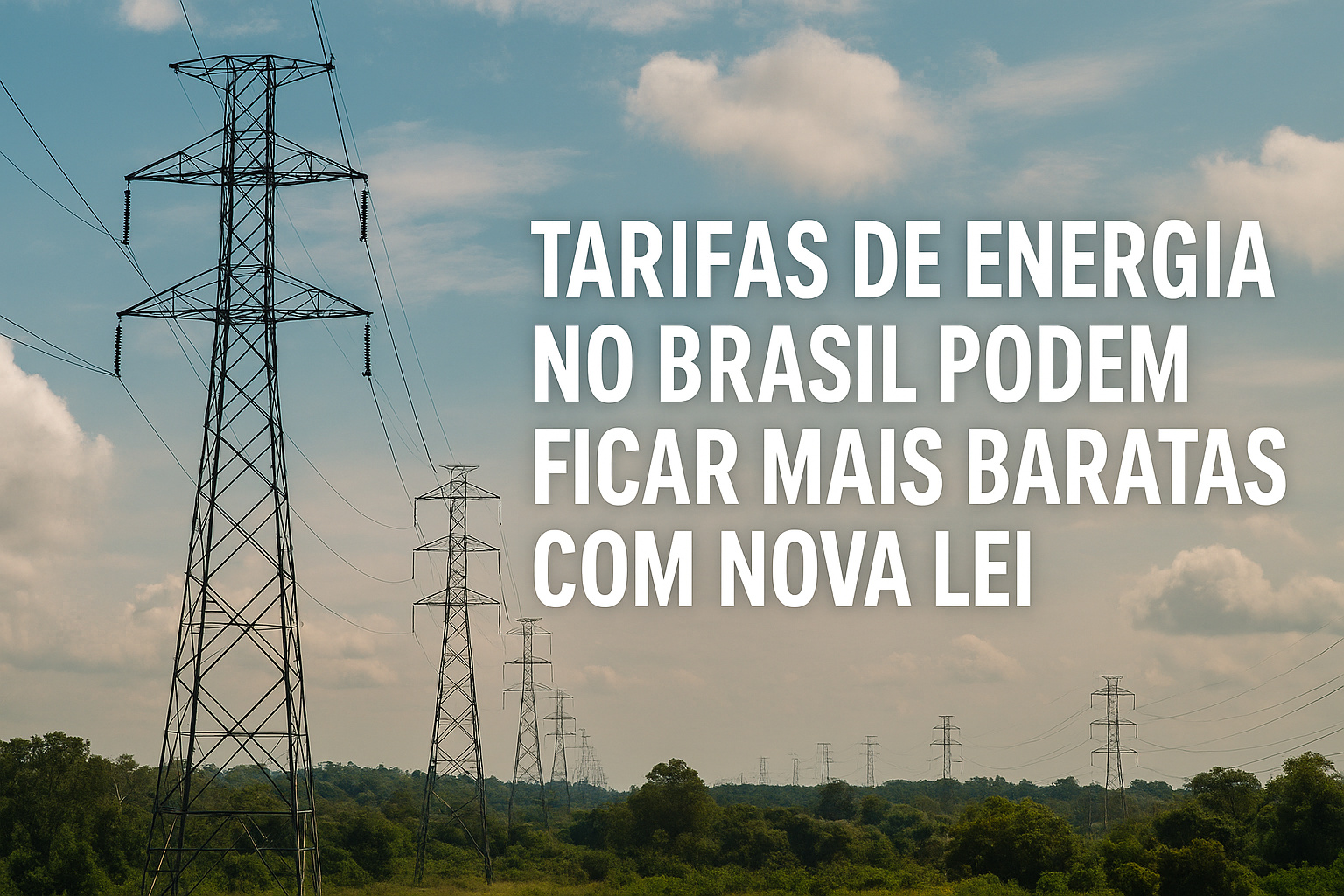
A New Law That Changes The Regulatory Framework Of The Electricity Sector In Brazil May Bring Relief To Consumers — And Also Strengthen The Pursuit Of Sustainability.
According to a report from the website Olhar Digital, the change imposes a ceiling on the collection of taxes that currently fund social programs and incentives for the sector, which reduces the burden on tariffs and may make energy more accessible. This could represent a new balance between social justice, energy efficiency, and environmental preservation.
Historically, the Brazilian electricity system has oscillated between expansion, crisis, and regulation. With this law, the country aims to follow a more predictable and sustainable path — balancing tariffs, conscious consumption, and investment in clean infrastructure.
A History Of Crises, Subsidies, And Electric Regulation
Since the mid-20th century, Brazil has relied heavily on hydropower. This model worked well for decades but has always faced challenges during droughts, when generation declined and costs increased. To mitigate impacts, the government adopted subsidies and incentives, which were indirectly passed on to electricity bills.
-
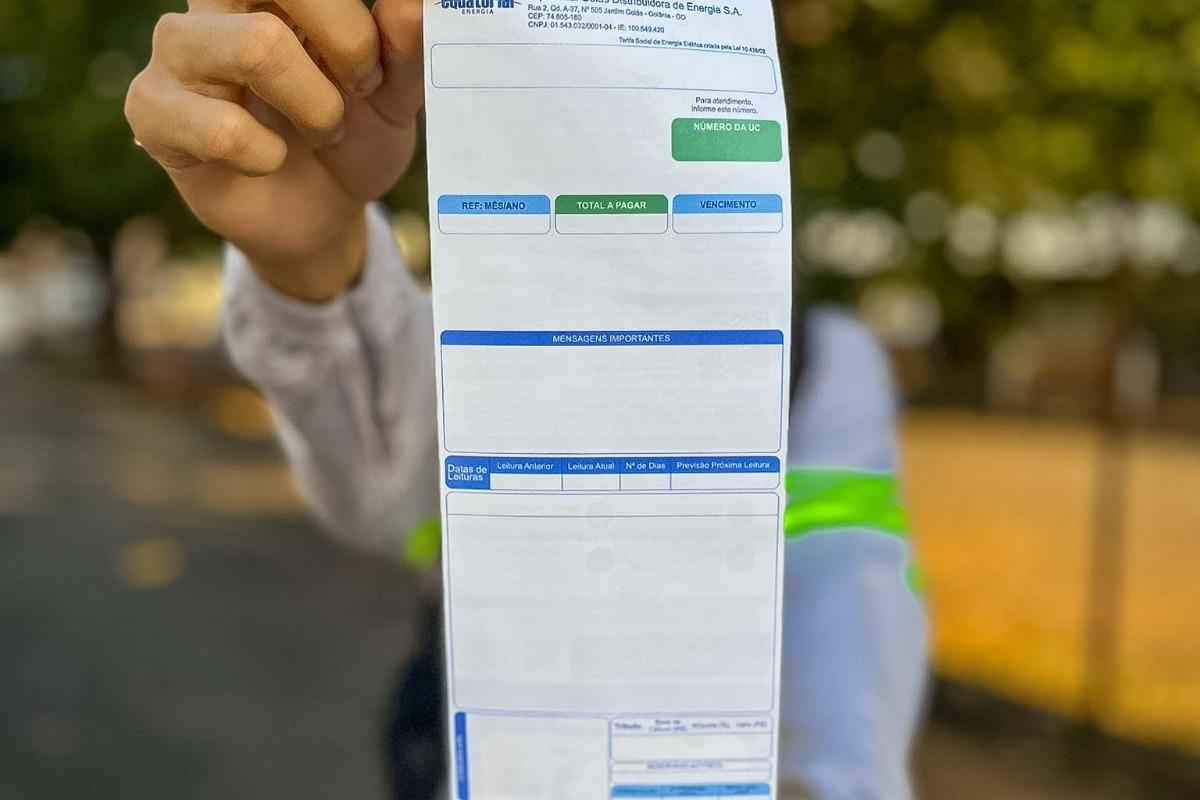
Equatorial adopts new national number for consumer units on electricity bills starting in April, following ANEEL standards and modernizing energy bills in several states.
-
Itaipu Impresses the World: Hydroelectric Plant with 20 Turbines and 14,000 MW Generates Over 2.9 Billion MWh and Leads Global Clean Energy Production

-
Aneel Revokes CMAA Thermal Power Plants After Network Restrictions and Excess Energy in the System

-
13-Year-Old Scientist Creates Clean Energy Device For Just R$ 16, Wins $25,000 Prize And Surprises The World With Affordable Solution


With economic growth and increased demand for energy, several reforms were made — each trying to balance supply, price, and sustainability. However, these changes have not always brought tariff justice for small consumers.
More recently, with the expansion of renewable sources and diversification of the energy matrix, the debate aimed at making the system fairer and more efficient gained momentum. The new law that limits taxes on tariffs emerges in this context as a response to longstanding criticisms and structural challenges.
How The New Law Changes The Calculation Of Tariffs
According to the text sanctioned and reported by Olhar Digital, the law establishes a ceiling on taxes and charges that are part of the electricity bill. This means that the weight of social subsidies, sectorial incentives, and regulatory charges will be limited.
As a result, the fixed component of the electricity bill tends to decrease. For consumers, this transforms into a more predictable and often lower tariff. In addition, the law provides a more stable regulatory environment, which encourages investments in energy efficiency and renewable sources — essential pillars of sustainability.
Therefore, the change not only alters the amount paid by the user but also creates conditions for a clearer, fairer, and long-term oriented system.
Social, Economic, And Environmental Impacts
The reduction of tariffs directly benefits low-income families. When the electricity bill weighs less on the budget, there are more resources available for other needs. This reinforces the social function of regulation: ensuring universal and fair access to energy.
Moreover, the new law encourages consumers and companies to adopt conscious usage practices. With more stable tariffs, there is a greater incentive to use alternative sources — such as solar panels, for instance. This, in turn, reduces pressure on the centralized system and decreases greenhouse gas emissions.
From an economic perspective, companies in the sector gain predictability. This facilitates long-term planning, with projects focusing on efficiency, modernization of the electricity grid, and expansion of renewables. Thus, sustainability ceases to be merely an ideal and becomes financially viable.
Technical Sustainability: Modernization And Diversification Of The Matrix
For the new law to generate real and lasting benefits, it will be crucial to invest in modernizing the electric infrastructure. This involves not only expanding transmission lines but also adopting smart technologies, distributed networks, and integrating renewable sources.
When combined with clean generation — and with a lower tax burden — the Brazilian electricity matrix can become more resilient, efficient, and environmentally responsible. This type of advancement demonstrates that sustainability is not just environmental, but also economic and social.
Additionally, in the long term, energy diversification reduces climate vulnerabilities. Instead of primarily relying on water from hydropower plants, the country can harness solar, wind, and other sources, geographically distributed and less subject to seasonal variations.
Challenges And The Need For Balance
Despite the positive outlook, the implementation of the law does not eliminate all challenges. For tariffs to actually decrease, it will be necessary for states, utility companies, and regulators to work together.
Moreover, there is a need to ensure that social subsidies and incentive programs are not simply abandoned — otherwise, they could penalize vulnerable populations. In this sense, it will be necessary to create effective social protection mechanisms, along with transparency and oversight.
Another important point is the maintenance of infrastructure: old networks, technical losses, and lack of maintenance can erode the benefits of the reform. Therefore, investment in modernization and efficiency will be as crucial as the law itself.
Finally, the transition to renewable sources will require planning, funding, and active participation from society. The new law offers opportunities, but success will depend on the mobilization of various stakeholders.
What To Expect In The Coming Years
With the law enacted at the end of 2025, Brazil enters a new regulatory phase. In the coming months, utility companies and regulatory bodies will need to reassess tariffs, tariff flags, and charges.
If applied well, the reform can result in a real decrease in the amounts paid by consumers — especially among lower-income groups. At the same time, it can stimulate the adoption of renewable energies and modernization of the electricity grid.
Thus, the country can move closer to a more sustainable model — economically, socially, and environmentally balanced. The reform shows that it is possible to unite tariff justice, sustainability, and energy security.








Seja o primeiro a reagir!