





 Portuguese
  English
  Spanish
  4 min of reading
  0 comments



Proposal Expands MEI Revenue Ceiling, Creates New Contribution Tier, and Seeks to Correct Accumulated Deficit for Nearly a Decade. Text Moves to Economic Analysis in the Senate Before Potential Vote in Plenary.
The Senate Committee on Social Affairs approved on Wednesday (22) the project that creates the so-called “Super MEI”, raising the annual gross revenue ceiling to R$ 140,000 and establishing a new 8% minimum wage social contribution for those who earn between R$ 81,000 and R$ 140,000.
The initiative, authored by Senator Ivete da Silveira (MDB-SC), received a favorable opinion from the rapporteur Veneziano Vital do Rêgo (MDB-PB) and now moves to the Committee on Economic Affairs (CAE) for further analysis.
What Changes for the Microentrepreneur
In practice, the project amends the Microenterprise and Small Business Statute to reclassify as MEI those earning annual revenue of up to R$ 140,000 in the previous calendar year.
-
The Federal Revenue issues a good alert for Brazilian taxpayers: 60.9% are already using the pre-filled tax return, automatic refunds via Pix reach millions, and the government plans for a fully automated income tax in the coming years.

-
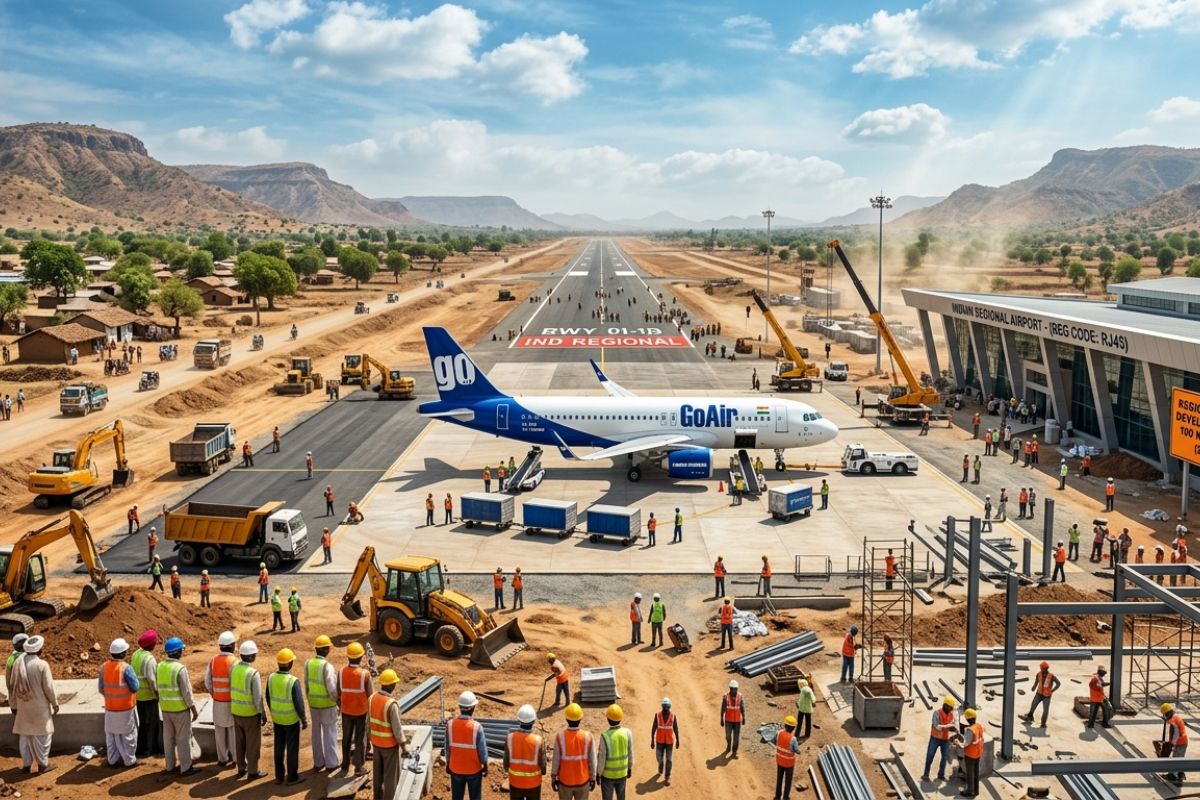
India announces a plan of $3.06 billion to bring aviation to forgotten regions: 100 new airports, $1.07 billion in subsidies, and regional routes guaranteed for 10 years, from 2026 to 2036, away from the centers.
-
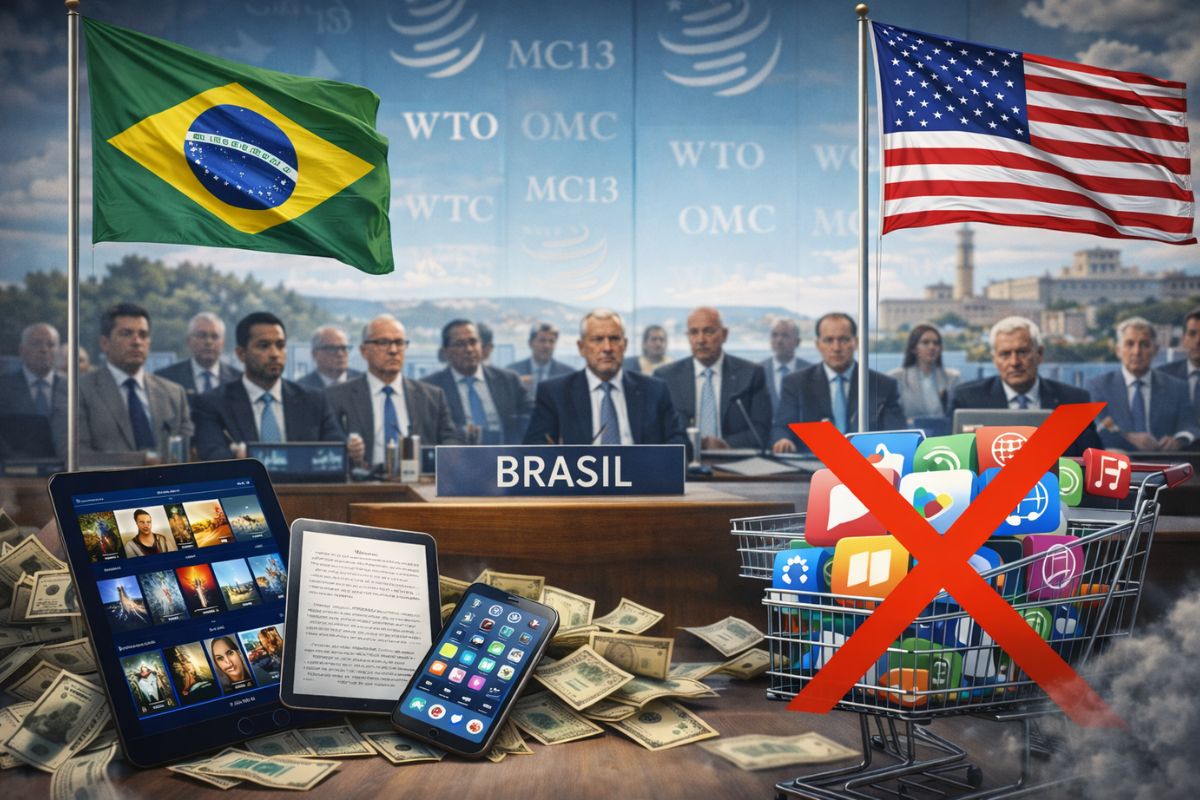
Brazil blocked a proposal from the United States at the WTO that would make the exemption from tariffs on digital products like streaming and ebooks permanent, favoring American tech giants at the expense of developing countries.
-
IPTU exemption for seniors in 2026: see how to secure the benefit.


The current limit is R$ 81,000.
The proposal also creates an intermediate contribution: 8% of the minimum wage for those in the revenue range of R$ 81,000 to R$ 140,000.
For those remaining at R$ 81,000, nothing changes: the contribution will continue at 5% of the minimum wage.
These amounts are collected through the Simples National Tax Document (DAS), which consolidates taxes and contributions and ensures access to social security benefits such as retirement and sick leave.
The goal, according to the senators, is to adjust the regime to the reality of businesses that have grown in recent years but remain small and highly formalizable.
Why the Limit Increases Now
According to the rapporteur, updating the ceiling corrects the inflationary deficit accumulated since 2016, when the Complementary Law 155 set the current limit.
The increase to R$ 140,000 aims to preserve the purchasing power of the original limit and prevent the expulsion of entrepreneurs from the regime who, due to price and demand fluctuations, have slightly surpassed the current threshold.
Furthermore, the report indicates that the change does not directly compromise federal revenue, as it is part of an already simplified and lower tax burden regime.
In addition to the nominal adjustment, the new contribution tier aims to smooth the tax transition.
Instead of a disruption when crossing the R$ 81,000 limit, the MEI would contribute a little more — the 8% — until reaching the new ceiling, maintaining predictability and attractiveness of the regime.
What Was Omitted from the Text in the CAS
The approved report omitted two provisions from the original text: the automatic annual adjustment of the limit by the IPCA and the permission to hire up to two employees.
According to Veneziano, technical assessments from the Revenue indicated significant social security impacts of these two measures, which is why they were removed at this stage.
The term “Super MEI” was kept in the summary due to a wording amendment.
According to the report, the removal of the automatic indexing and the expansion of the workforce reduces immediate fiscal risks without preventing future adjustments from being discussed in merit commissions or in Plenary.
The core of the proposal — raising the ceiling and creating the 8% tier — has been preserved.
Next Steps in the Senate
With the approval in the Committee on Social Affairs, PLP 60/2025 moves to the Committee on Economic Affairs (CAE).
If approved, it may be scheduled for a vote in the Senate Plenary.
Any merit changes in the CAE could maintain, expand, or readjust the rules again, including those regarding duration, which will depend on the final text approved in all instances.
Impact on Those Who Are Already MEI
For entrepreneurs currently earning up to R$ 81,000, nothing changes in the short term: the 5% rate and the same accessory obligations remain.
However, those who fluctuate above this threshold and below R$ 140,000 will, if the law is sanctioned as approved by the CAS, start to pay 8% of the minimum wage monthly.
This gradual design aims to avoid forced migration to more complex Simples National regimes and encourage the formalization of workers currently in informality.
Another expected consequence, pointed out by trade and service sector entities, is the reduction of barriers for entrepreneurs who have grown over the last decade and have approached the current ceiling.
The National Confederation of Trade evaluated the expansion as a step forward in the business environment, recognizing the effects of inflation and the economic cycle on those at the base of the business pyramid.
What Is Still Under Debate
Even though the term “Super MEI” has gained traction, the process continues and could undergo adjustments.
The removal of automatic indexing by the IPCA and the expansion to two employees was justified by social security impact and fiscal responsibility, but these points may return in future discussions, whether during the passage through the CAE or in Plenary.
For now, the core of the project focuses on raising the limit to R$ 140,000 and structuring the 8% intermediate contribution.
Meanwhile, legislative bodies emphasize that the proposal does not create immediate renouncement and may favor formalization and revenue generation by expanding the base of regularized taxpayers.
The progress, however, depends on the committees’ schedule and on the political consensus regarding the best calibration for the microentrepreneurs’ regime.
How do you assess the effect of the R$ 140,000 ceiling and the 8% rate on the reality of those currently at the MEI limit: does the measure tend to broaden formalization or are there still adjustments needed for it to work in practice?







Seja o primeiro a reagir!