





 Portuguese
  English
  Spanish
  3 min of reading
  0 comments



The Presidential Sanction Alters Tax Brackets, Expands Discounts, and Redefines Collection for High Incomes, According to Official Data Released on November 26, 2025
The government announced a far-reaching tax change on November 26, 2025, and since then, the topic has gained national attention. In this context, President Luiz Inácio Lula da Silva sanctioned, at 10:30 AM, the law that expands the income tax exemption for workers earning up to R$ 5,000 per month, according to official information from the Ministry of Finance.
Furthermore, the decision generated strong attention, because it alters the income tax table for the first time since 2023. Thus, the government reinforces its commitment to structural and continuous adjustments.
Data from the Federal Revenue indicate that over 15 million Brazilians will now be fully exempt, providing them with immediate financial relief. In addition, those earning up to R$ 7,350 gain access to new discounts, which reduces monthly withholding.
In this same announcement, Dario Durigan, executive secretary of the Ministry of Finance, explained the increase in taxation for incomes above R$ 600,000 per year, emphasizing the pursuit of greater tax fairness.
-
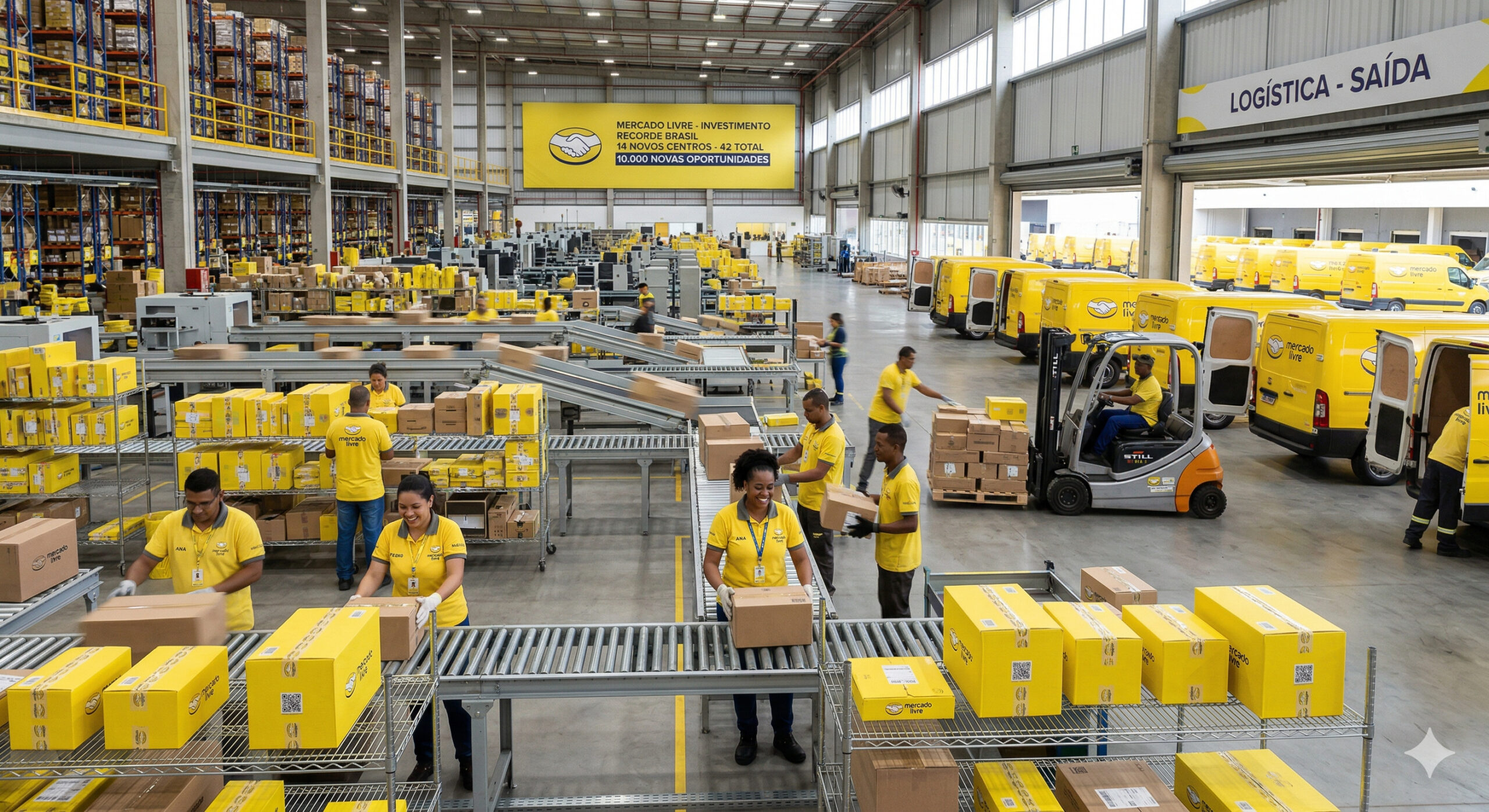
Mercado Livre “opens the vault” and announces a record investment of R$ 57 billion in Brazil in 2026, a value 50% higher than the previous year, with an expansion plan that includes 14 new logistics centers, totaling 42 units in the country and hiring an additional 10,000 employees.
-
How investment in technology can revolutionize the national economy and enhance industrial gains, according to a study that highlights the direct impact on productivity, innovation, and wealth retention within Brazil.

-
The largest food company on the planet, JBS, has just opened a 4,000 square meter laboratory in Florianópolis to develop customized proteins that modulate muscle mass gain, immune response, and metabolic performance.

-
After nearly 30 bids and competition among industry giants, a Spanish company purchases one of the largest airports in Brazil for almost R$ 3 billion and takes over the management of Galeão in a concession that will last until 2039.


Technical Sanction Results from Months of Economic Analysis
The teams at the Ministry of Finance worked throughout the year 2025, and during this process, assessed scenarios, projections, and social impacts. In addition, Robinson Barreirinhas from the Federal Revenue and Marcos Pinto from the Secretariat of Economic Reforms participated directly in the evaluations.
Thus, the government concluded that it was possible to update the table while maintaining fiscal targets, always with transparency and technical coherence.
Economic and Social Impacts of the New Exemption Bracket
The adjustment provides immediate relief for low- and middle-income workers, thereby increasing the disposable income of these families. According to Durigan, this movement stimulates domestic consumption, which therefore reinforces the role of the worker as an economic engine of the country.
Additionally, Barreirinhas highlighted that the update reduces the accumulated gap in the table, allowing the taxation to align more closely with the current economic scenario.
Structural Challenges in Implementing the New Legislation
Despite the advances, experts warn about the need for companies to adapt, since payroll systems require adjustments. Furthermore, accountants will play an important role in guiding taxpayers, as many still do not master the new rules.
Still, the Ministry of Finance states that all instructions will be gradually released, ensuring clarity and security during the transition.
Relevance of the Change in the National Context
In this global scenario of tax revision, the update aligns with practices adopted in other countries, especially during times of economic slowdown. Additionally, the government emphasizes that the change strengthens the working class, which thus sustains a large part of the national economic activity.
On the other hand, the economic team highlights that the transition must be closely monitored, as the tax waiver needs to balance with the necessary revenue.
Expectations for the Coming Months
With the sanction published in November 2025, the government expects that the first positive effects will appear in early 2026, mainly in salaries already adjusted to the new table. Additionally, the progressive discounts are likely to reduce undue withholdings, which benefits the worker directly.
Still, the Ministry of Finance team reminds that implementation needs to occur cautiously, avoiding noise and ensuring that all changes are understood by the population.
What do you think deserves more attention at this moment: further expanding the current table or deepening the review to ensure balance and tax justice?









Seja o primeiro a reagir!