





 Portuguese
  English
  Spanish
  3 min of reading
  0 comments



Measure Allows Using Savings Resources to Expand Credit Lines, Facilitating Home Purchase and Boosting the Sector.
The new real estate financing is changing the way Brazilian families access credit to acquire a property. The proposal, which integrates savings resources into the financing calculation, aims to increase flexibility and reduce entry barriers for buyers who previously could not gather the necessary amount for the down payment.
According to information from the Estadão, this innovation promises to stimulate property sales, broaden the buyer base, and encourage competition among financial institutions, which may result in lower interest rates.
How the Use of Savings Works in Financing
In the traditional model, the buyer had to present the down payment amount with their own resources, with no possibility of integrating savings balance as part of the credit. Now, institutions will be able to consider this amount to increase the financed limit or improve the contract conditions.
-
Neighboring city of Belo Horizonte has properties starting at R$ 139,000 with 90 m² and a price per square meter much lower than the capital, even concentrating automotive, petrochemical, and logistics hubs.

-
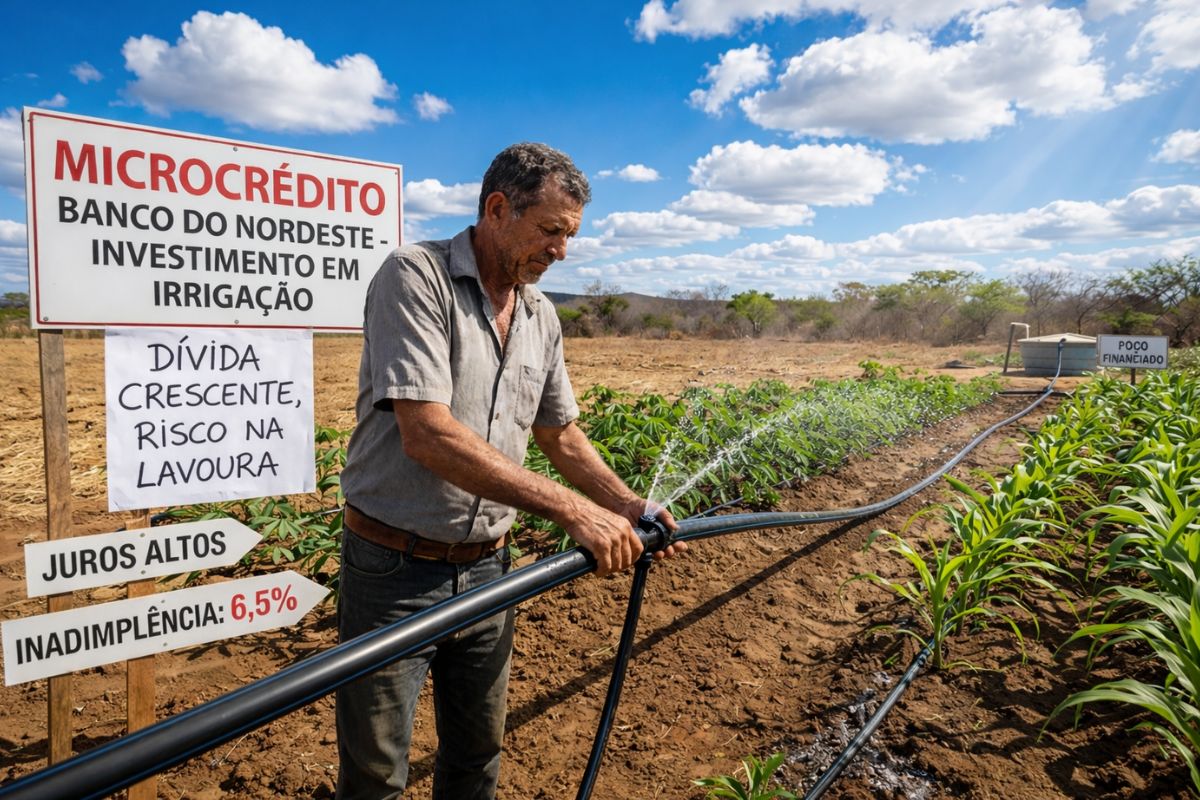
Drought in northern Bahia forces family farmers to invest in expensive irrigation and seek microcredit from Banco do Nordeste; with high interest rates and a default rate of 6.5%, the debt becomes a threat to the crops.
-
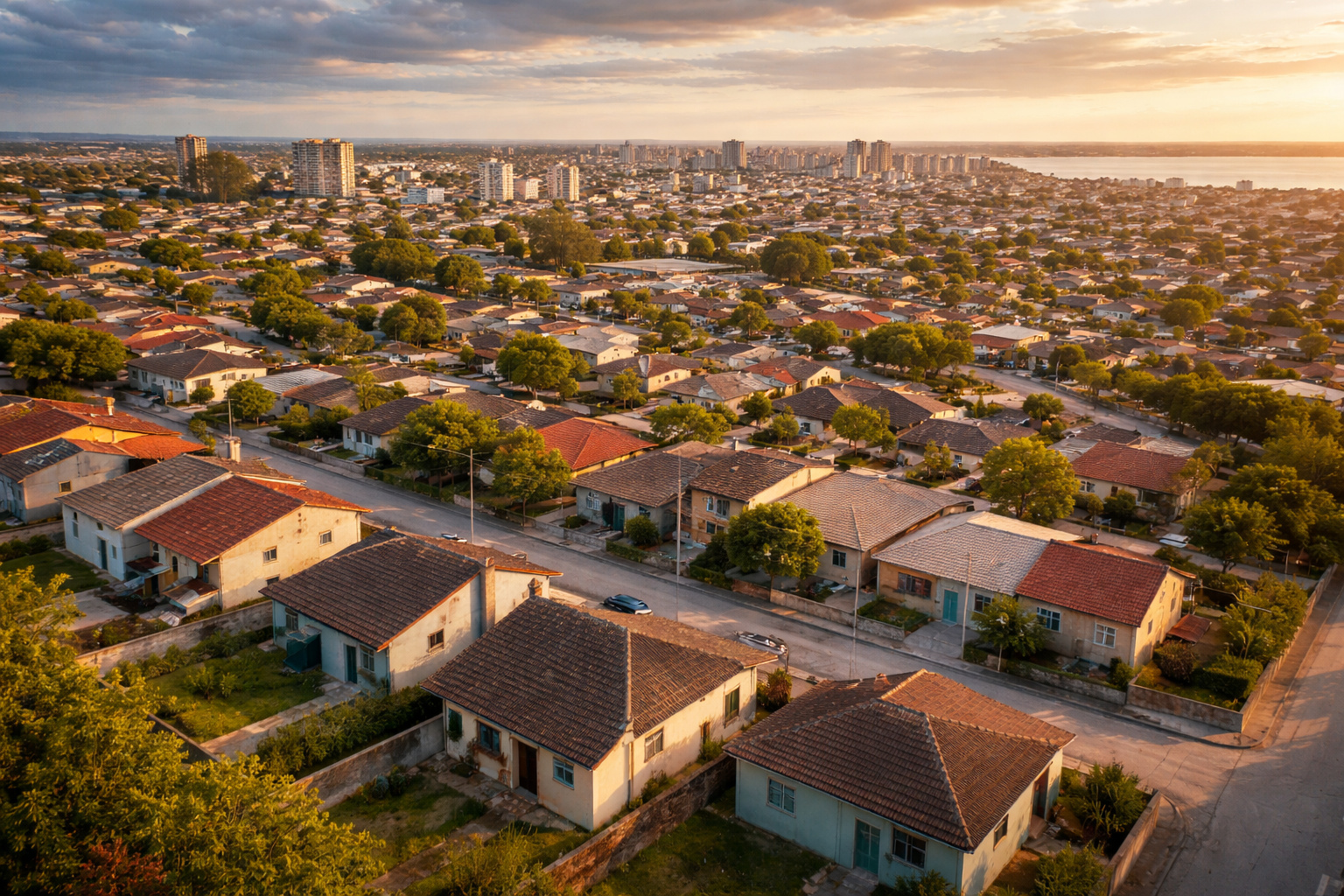
According to the FipeZAP index, Pelotas has the cheapest square meter in Brazil, with properties starting at R$ 90,000 and 33 m², and a market supported by universities, services, and a lower cost of living.
-
Finnish woman swaps the happiest country in the world for Brazil and reveals what she felt in practice: “In theory, it’s perfect, but it lacked life.”

This format brings benefits for both the client and the bank. The buyer expands their purchasing power, while the institution has additional guarantees based on already deposited resources and immediate liquidity.
Expected Impact on the Real Estate Market
Industry specialists assess that the new real estate financing should significantly boost sales, especially among lower-income families who have accumulated savings but faced difficulties reaching the down payment amount.
Furthermore, the measure could increase competition among banks, leading to a reduction in interest rates and bureaucracy, as part of the risk is mitigated by the existence of the customer’s own reserves.
Who Will Benefit
The benefit is not restricted to popular housing programs. Any buyer with savings can use it as a supplement to finance a property, whether new or used. This could accelerate the purchase decision and make credit more accessible during a gradual market recovery.
This flexibility may have a significant impact in metropolitan areas, where the down payment amount is one of the biggest obstacles to home ownership, and also in rural cities seeking to attract new residents.
Step Toward Democratizing Access to Housing
Analysts highlight that the new real estate financing not only expands options but also represents a step forward in democratizing access to housing, as it allows families to use resources that were previously immobilized to secure a durable and high-value asset.
With the economic changes and the interest rate environment moderating, this may be a strategic opportunity for those who have been postponing the dream of home ownership.
And what about you? Do you think this measure will really facilitate home purchases in Brazil or will it be just another benefit limited to a few families? Share your opinion in the comments — we want to hear from those who are already preparing to use the new rule.








-

-

2 pessoas reagiram a isso.