





 Portuguese
  English
  Spanish
  6 min of reading
  136 comments


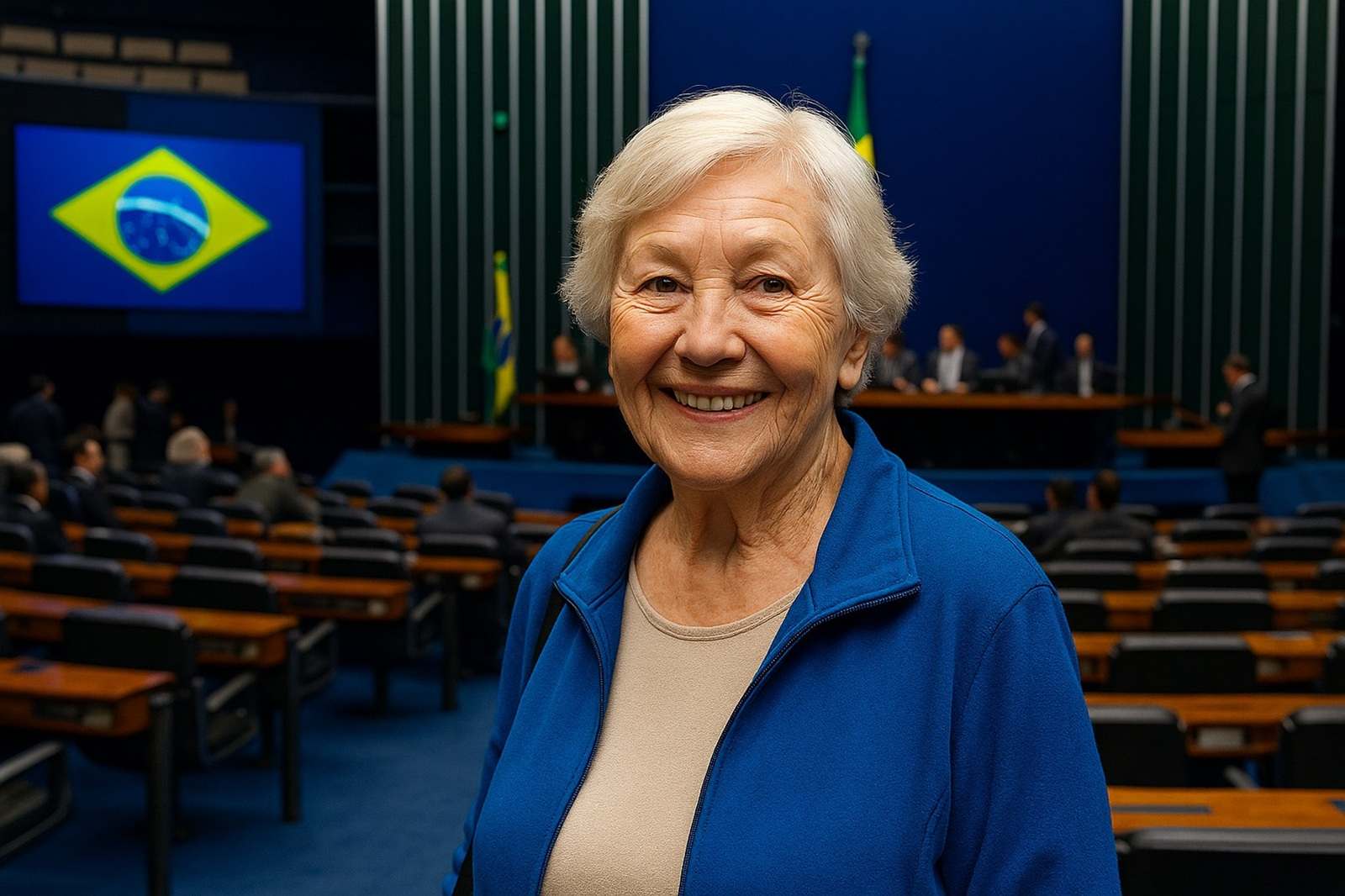


The Approval of the New Rights for Elderly People in the Chamber Represents a Significant Advance in Updating the Statute of the Elderly, Strengthening Guarantees and Expanding Legal Protection for Those Aged 60 and Over in the Country.
Created to ensure dignity, inclusion, and quality of life for people aged 60 and over, the Statute of the Elderly is one of the most important laws in Brazilian social protection policy.
Enacted in 2003, the text was designed to ensure that aging is accompanied by full citizenship, health, respect, and opportunities, placing Brazil among the countries with the most advanced legislation in caring for the elderly.
Since then, the Statute has undergone updates that reflect the social and economic transformations of the country.
-
The new Civil Code could revolutionize marriages in Brazil with “express divorce” and changes that could exclude spouses from inheritance.

-
Banco do Brasil sues famous influencer for million-dollar debt and intensifies debate on delinquency, risks of seizure, and direct impact on Gkay’s credibility.

-
The Senate approves a bill that criminalizes misogyny, hatred, or aversion towards women, and includes the crime in the Racism Law with a penalty of up to 5 years.

-
Chamber Approves Bill That Allows Pepper Spray for Women Over 16 and Imposes Strict Rules for Purchase, Possession, and Use as Self-Defense


A Milestone of Protection and Citizenship
The Statute of the Elderly, established by the Law No. 10.741/2003, was created with the mission of consolidating rights previously scattered across different legislations.
The text establishes that it is the duty of the family, community, society, and Public Authorities to ensure the elderly, with absolute priority, the realization of fundamental guarantees such as the right to life, health, food, education, culture, sports, leisure, work, citizenship, and family coexistence.
Among the central principles, the Statute provides for priority access to public and private services, respect for the autonomy and participation of the elderly in community life, and the obligation to combat all forms of negligence, discrimination, violence, and abandonment.
The law also guarantees the right to health, with preferential access to the Unified Health System (SUS), the right to education, with programs aimed at literacy and digital inclusion, and the right to free transportation in public urban and interstate systems.
Another advance was the creation of penalties for crimes committed against elderly people. The Statute classifies behaviors such as abandonment in hospitals or health facilities, appropriation of assets and income, or exposure to degrading situations as criminal offenses.
The legal rigor reinforces the idea that aging cannot mean loss of rights, but rather their strengthening.
New Fundamental Right of the Elderly Person

The Commission on Constitution, Justice, and Citizenship (CCJ) of the Chamber of Deputies approved this week a project that amends the Statute of the Elderly to include tourism among the fundamental rights of people aged 60 and over.
The proposal, which will be reviewed by the Senate, also establishes the duty of the Public Authorities to stimulate the development of the national tourism market aimed at this segment.
The measure was reported by deputy Fernanda Pessoa (União-CE), who maintained the version previously approved by the former Commission on Social Security and Family. The text consolidates the content of the Bill 655/15, authored by deputy Luiz Nishimori (PSD-PR), and its attached bill, Bill 682/15.
The approval in the CCJ represents the last step in the processing in the Chamber, with only potential voting in the Plenary remaining, if requested. Otherwise, the proposal will go directly to the Federal Senate.
A New Look at Active Aging
The inclusion of tourism as a fundamental right reflects a profound change in how Brazil views aging. Previously, legislation focused on ensuring protection and assistance; today, the focus expands to promote quality of life, social interaction, and autonomy.
In this sense, tourism is no longer seen as a privilege and is recognized as a tool for social inclusion, promoting mental and physical health and valuing culture and memory. By traveling, the elderly exercise their independence, expand social ties, experience new realities, and remain active—essential factors for psychological and emotional well-being.
According to the proposal, the Public Authorities must adopt policies that facilitate access for the elderly to tourist activities, encouraging the creation of accessible travel programs, adapted itineraries, and initiatives aimed at the senior audience.
Additionally, the law encourages the development of the national tourism market aimed at the elderly, which can generate new jobs and invigorate local economies.
Social and Economic Impacts
With the increase in life expectancy and the growth of the purchasing power of the elderly population, senior tourism has become one of the most promising segments of the sector.
Research from the Economic Research Institute Foundation (Fipe) and the Ministry of Tourism indicates that people aged 60 and over represent about 20% of domestic travelers.
This age group tends to prefer calm, cultural destinations with good accommodation and health facilities. Historical cities, hot springs, and ecological routes are some examples of attractions strengthened by the new legislation.
In addition to the economic aspect, promoting tourism for the elderly fosters intergenerational interaction, cultural appreciation, and self-esteem improvement.
The proposal acknowledges that tourism is not only leisure but also a factor for social integration. It allows elderly individuals to participate in groups, form new friendships, and continue contributing to the economy.
This way, the State has the duty to ensure conditions for this participation to be safe, accessible, and encouraged by public policies.
Historical Gap and Social Repair
In the justification of the project, the authors emphasize that although the Statute of the Elderly addresses rights such as health, education, and leisure, tourism had never been mentioned directly in the legislation.
This absence created a social gap, as tourism is recognized by the World Tourism Organization (WTO) as a human right related to quality of life.
The text of the proposal is clear:
“The Public Authorities will promote the access and social inclusion of the elderly in tourism, encouraging the development of the national tourism market segmented for the elderly audience.”
The measure seeks to remedy a historical omission and bring Brazil closer to the practices adopted in countries that already consider tourism as an essential component of active aging policy.
Next Steps and Perspectives
After the approval in the CCJ, the project will move to the Senate, where it will be reviewed by the relevant thematic committees. If approved without changes, it will be forwarded for presidential sanction. If it undergoes modifications, it will return to the Chamber of Deputies for further consideration.
Regardless of the proceedings, the proposal marks a symbolic and practical advance. By including tourism as a fundamental right, the Statute of the Elderly expands its scope and reinforces the country’s commitment to healthy and participatory aging.
Brazil, with its cultural and natural potential, has the conditions to become a reference in accessible and inclusive tourism, benefiting both the elderly audience and the communities that rely on tourism activities.
More than just ensuring travel, the new measure reaffirms a greater principle: aging is continuing to live fully, with opportunities for discovery, freedom, and belonging.
Legislation That Follows the Aging of Brazil
The aging population is one of the most profound transformations of the 21st century. According to the Brazilian Institute of Geography and Statistics (IBGE), more than 31 million Brazilians are aged 60 and over—and by 2050, this group will represent about 30% of the national population.
This demographic change demands adaptations in public policies. Brazilian society, which for decades was predominantly young, now needs to invest in accessibility, mobility, continued education, preventive health care, and digital inclusion for a population that lives longer and wants to remain active.
The Statute of the Elderly, in this context, serves as a tool for balancing generations, promoting the social integration of older individuals and recognizing the role they play in the family and economy. Over the years, new complementary laws have been updating its provisions, expanding guarantees and adapting the text to new social realities—such as the recent inclusion of tourism as a fundamental right.










Muitas leis, todas para inglês ver. Neste país de analfabetos funcionais, ninguém respeita leis ou por total desconhecimento ou por se sentirem felizes em descumpri-las e nada lhes acontecer. pois a impunidade aqui é cultural. Esse é um país que não tem futuro.
Boa noite eu sempre tenho que aqui no nosso País,os políticos cria les, fazem lês mais não adianta nada pô que os idosos nuca vai ter os seus direitos em tão não venha com essa direito du idosos tá vcs mim perdoi viu.
TUDO ISTO E MUITO BOM, QUANDO REALMENTE CUMPRIREM O PROMETIDO. GOSTARIA MUITO DE SALIENTAR UM PEDIDO, PORQUE NÃO LIBERA O PEDÁGIO PARA O IDOSO. PARA QUE TENHA O DIREITO DE IR MAIS VEZES VISITAR SEU FILHOS, NETOS E BISNETOS.
FICA A DICA, SOMOS MUITO MAIS FELÍZES QUANDO VISITAMOS OS NOSSOS. OBRIGADUUUUUUU