





 Portuguese
  English
  Spanish
  4 min of reading
  0 comments


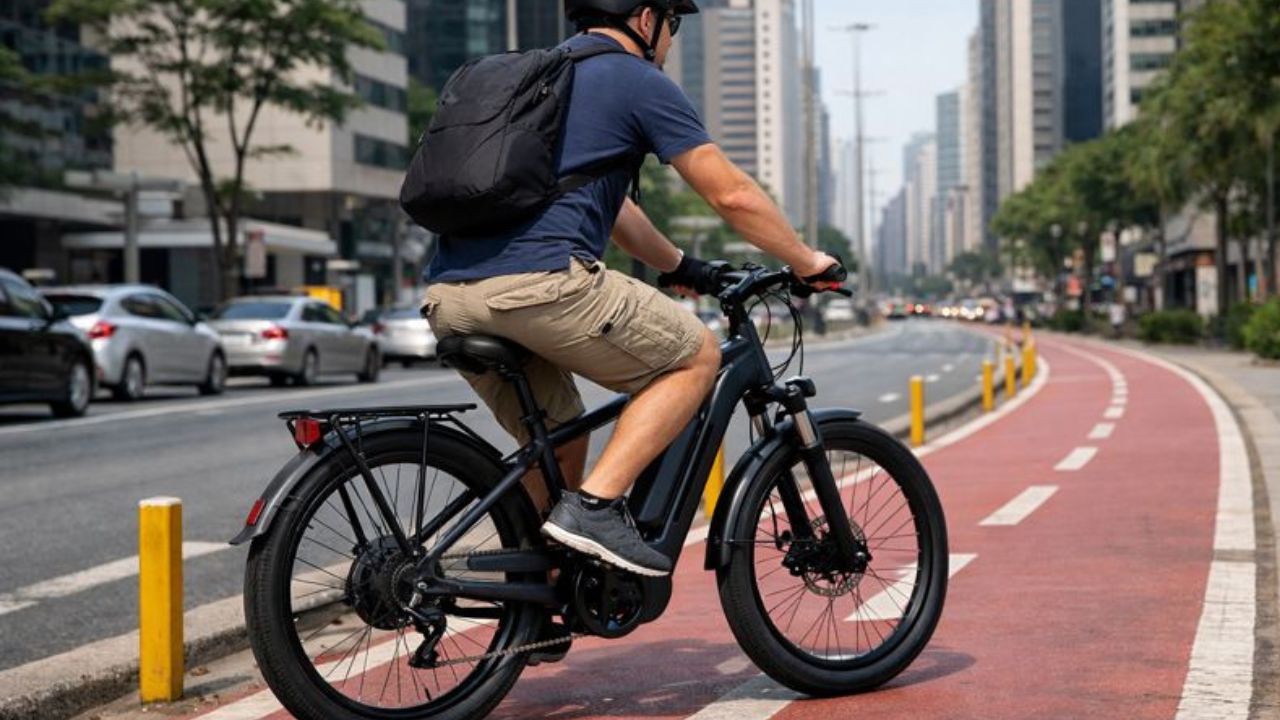
Electric Bicycle Follows New Rules in 2026. See When There Is a Driver’s License, Registration, and Difference to Moped.
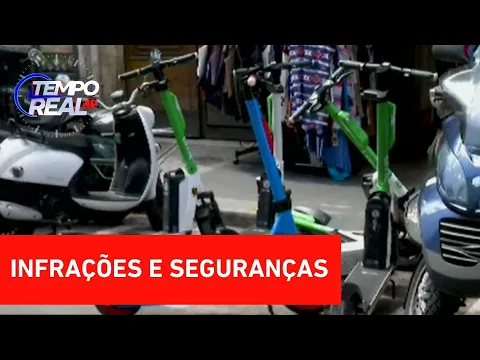
From January 1, 2026, new traffic regulations came into effect throughout Brazil, changing the way electric bicycles, mopeds, and other light vehicles are classified.
The rules, defined by the National Traffic Council (Contran), clarify when a driver’s license, registration, and licensing are required, directly affecting consumers, urban cyclists, and those seeking alternative mobility solutions.
The changes occurred to reduce confusion on the roads since many models sold as e-bikes actually exceed legal limits and become classified as mopeds.
-
Less than a Tera TSI, up to 710 km of range and charging in 9 minutes: the new BYD Song Ultra expands the Chinese brand’s bet on increasingly faster, more technological, and competitively priced electric SUVs.

-
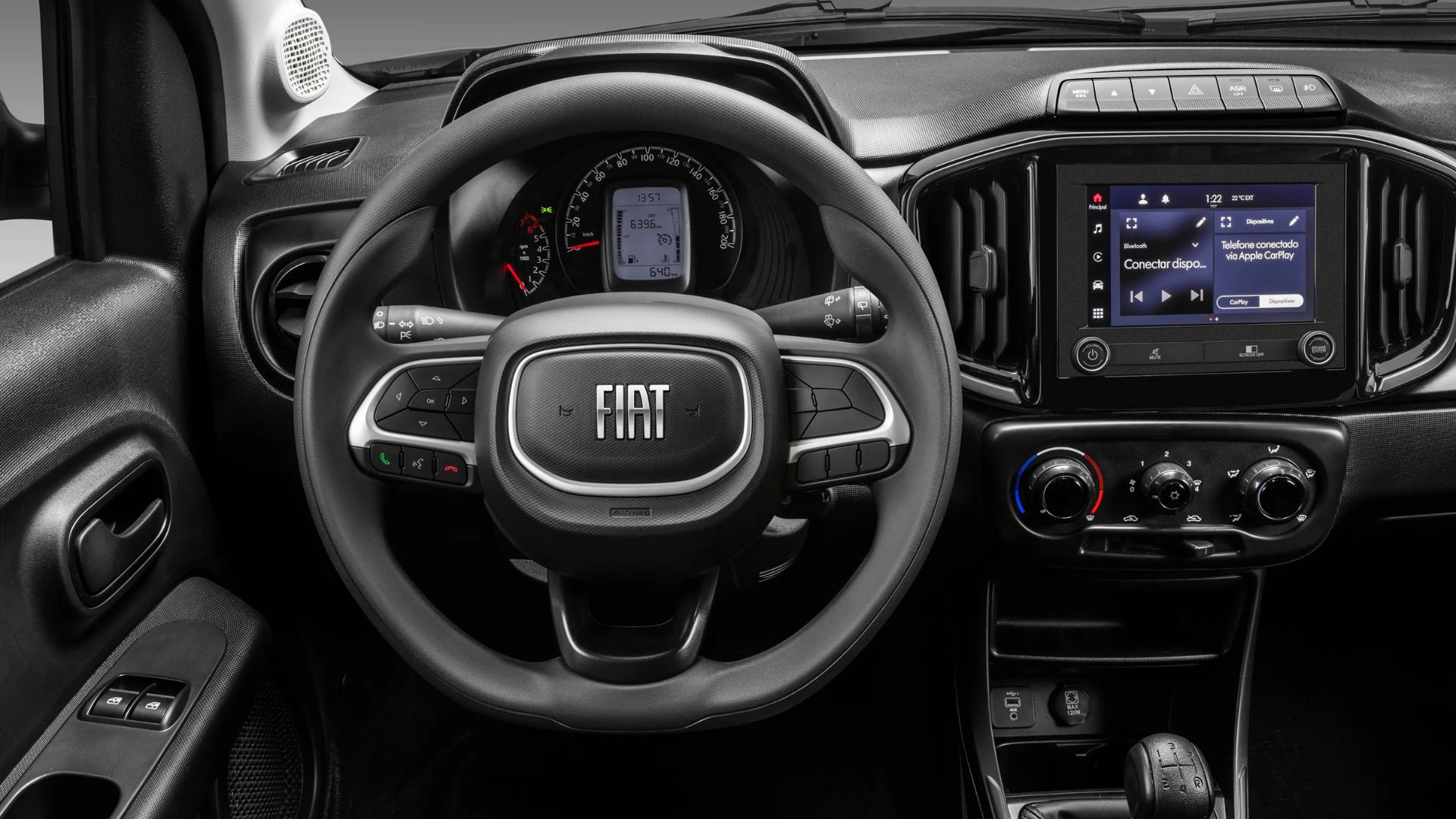
With a 1.0 engine producing 75 hp and costing less than R$ 70,000, Fiat’s car returns to the podium as the cheapest in the country; a temporary promotion for the 2026 Like version reduces the price of the Fiat Mobi.
-
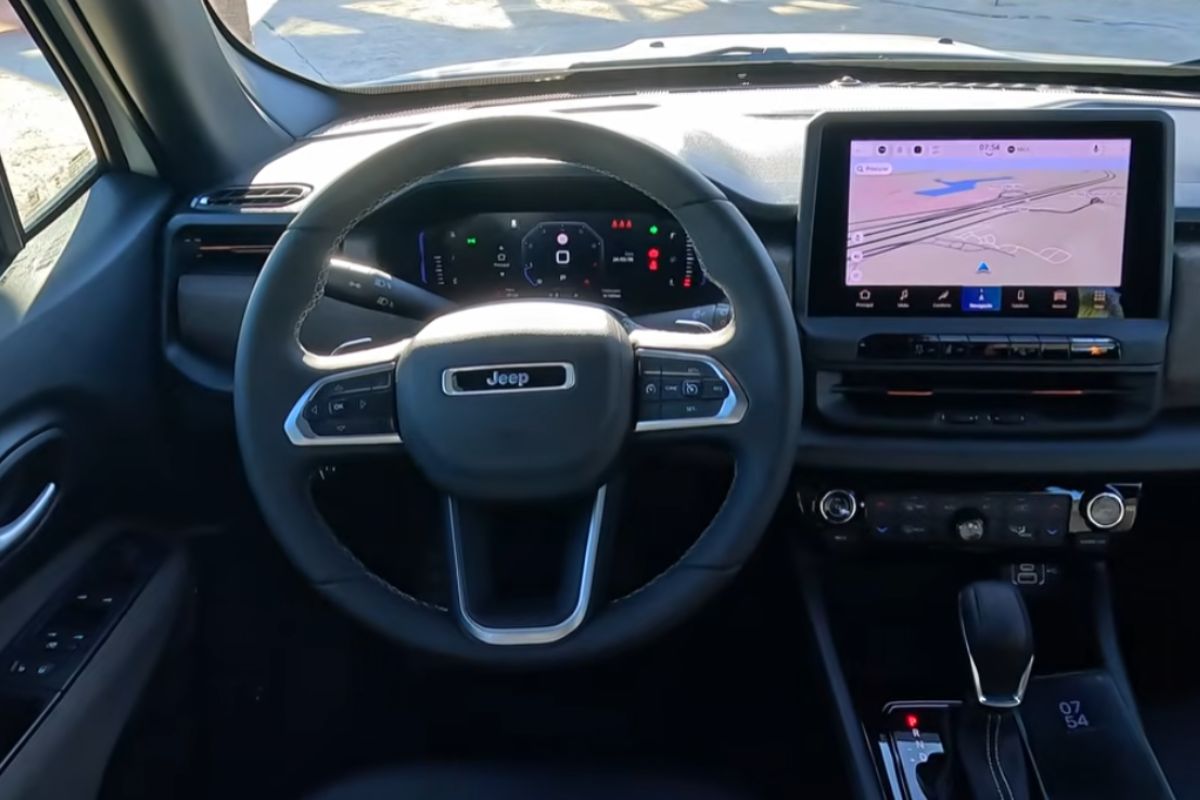
With a mild hybrid system of 48 V, 176 hp and a price of R$ 175,990 in the Sahara version, the new Jeep Renegade changes mostly on the inside, improves slightly in fuel consumption, and remains almost the same car.
-
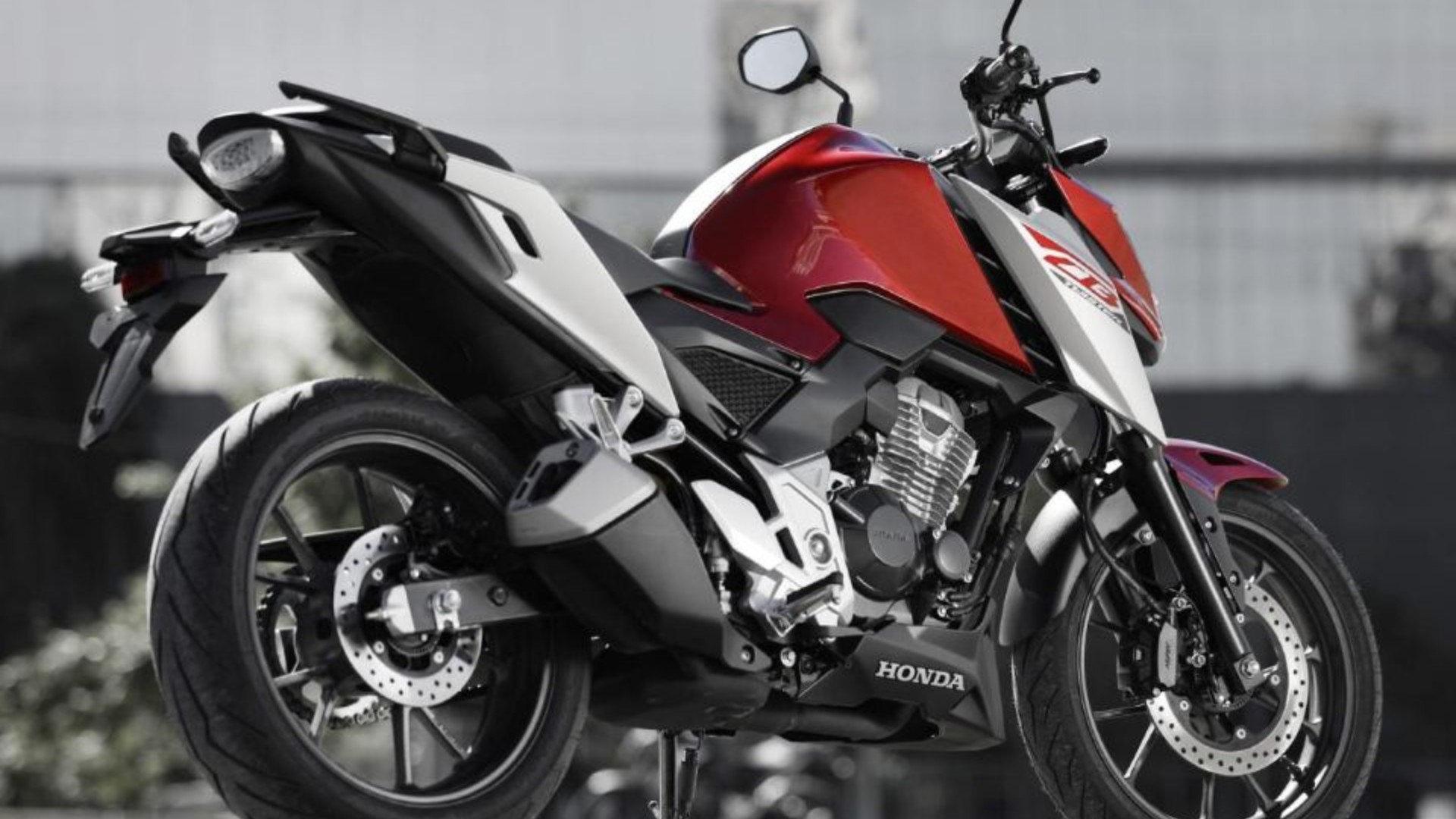
With a 293.5 cm³ engine and a range of up to 400 km with a 14.1-liter tank, the Honda CB 300F Twister 2026 has up to 24.7 hp, an initial price of R$ 25,150, and already exceeds R$ 29,000 in the Fipe Table.

Therefore, understanding the criteria has become essential before making a purchase.
See More: Adulterated Fuel: 5 Essential Tips to Avoid Falling for Scams When Refueling
See More: Audi Wants to Halt Giant Screens and Rescue Classic Interior Design of Cars
When the Electric Bicycle Does Not Require a Driver’s License or Registration
For a vehicle to be legally recognized as an electric bicycle — and to be able to circulate without a driver’s license, license plate, or registration — it must meet all the requirements below.
The motor must be solely auxiliary, functioning only when the user pedals. In addition, the maximum permitted power is 1,000 watts (1 kW), and the speed must be limited to 32 km/h with electric assistance.
Another fundamental point is the absence of a throttle. That is, if the bike moves without pedaling, it is not considered an electric bicycle, even if it is sold as such.

Not Every E-Bike Is an Electric Bicycle: Attention to Legal Classification
Despite the popular name, not every e-bike is, in fact, an electric bicycle in the eyes of the law. Many models available on the market have independent throttles or power above the limit, which completely changes their classification.
In these cases, the vehicle may be classified as a moped, which automatically generates the obligation for a specific driver’s license, registration, and compliance with stricter traffic rules.
Therefore, relying solely on the commercial description can lead to legal problems after purchase.
What Is a Moped and Why Does It Require a Driver’s License?
A moped is defined as a two- or three-wheeled vehicle whose maximum factory speed does not exceed 50 km/h. This category includes both combustion models, with engines of up to 50 cc, and electric models, with power up to 4 kW.
Unlike an electric bicycle, a moped has a throttle, can travel at higher speeds, and thus requires a driver’s license, registration, and licensing.
If the vehicle exceeds these limits, it ceases to be a moped and is treated as a motorcycle or scooter, with even more stringent requirements.

Electric Bicycle, Moped, or Self-Propelled: How to Differentiate
The distinction between the three types is essential to avoid fines and seizures.
The electric bicycle only operates with pedal assistance, has two wheels, does not have a throttle, and adheres to the power and speed limits.
The moped, on the other hand, has a throttle, greater power, and higher speed, requiring a driver’s license and registration.
Self-propelled vehicles may have a throttle but must comply with size regulations. They must have a maximum width of 70 cm and a wheelbase of up to 130 cm to be exempt from documentation.
What to Observe Before Buying an Electric Bicycle
Before choosing an electric bicycle, the consumer should carefully analyze the technical specifications.
The first point is to understand how pedal assistance works, a system that reduces physical effort when pedaling without turning the bike into a traditional motorized vehicle.
Another important factor is the range, which indicates how many kilometers can be traveled on a fully charged battery. Batteries with around 9 Ah usually offer a better balance between range and cost.
Additionally, it is essential to check if the model complies with legal limits. A bike outside the standard may require a driver’s license and registration, even if this is not clear at the time of purchase.
Mandatory Equipment and Safety in Using the Electric Bike
Even when the electric bicycle does not require documentation, some items are mandatory. Legislation requires a bell, front, rear, and side reflectors, in addition to a rearview mirror.
Wearing a helmet, although not mandatory according to Contran, is strongly recommended as a safety measure, especially in urban areas with heavy traffic.
Why the New Rules Are Important for the Consumer
The changes bring more clarity and legal security. By clearly defining what is an electric bicycle, moped, or self-propelled vehicle, the legislation protects consumers from erroneous purchases and reduces conflicts on the road.
Thus, understanding these rules has become not just a technical matter but an essential decision for those seeking sustainable mobility without legal surprises.








-

Uma pessoa reagiu a isso.