





 Portuguese
  English
  Spanish
 3 min of reading
  2 comments


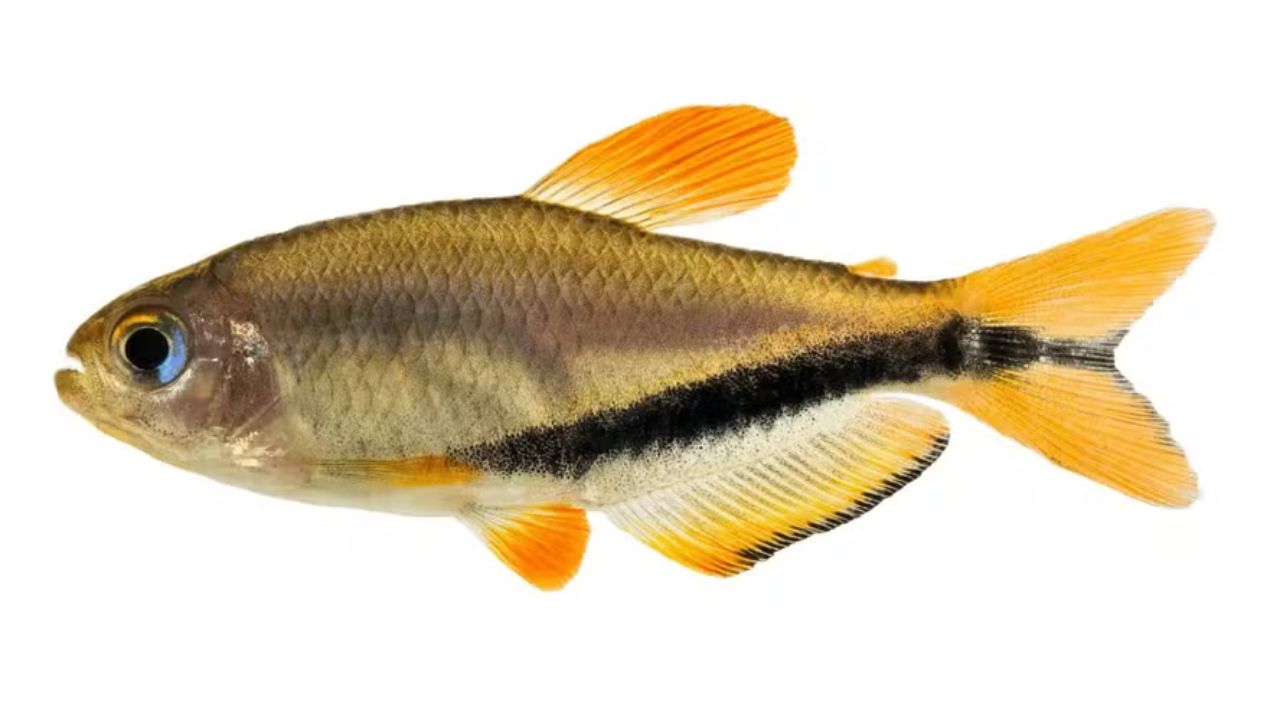


Discovery in the Juruena River, in Mato Grosso: The New Species of Tetra Inpaichthys luizae Surprises with Its Vibrant Coloring and as an Isolated Evolutionary Relic for Millions of Years, Reinforcing Conservation Alerts
Researchers announced the discovery of a different tetra, called Inpaichthys luizae, in the tributaries of the Juruena River, in Mato Grosso. This fish stands out for its orange and black coloring and, according to scientists, belongs to a lineage isolated for millions of years, which reinforces its evolutionary and conservation significance.
The finding occurred when an aquarium fisherman noticed unusual specimens during a fishing trip and sent them for scientific analysis.
The discovery, recently published in the journal Neotropical Ichthyology, came from the hands of ichthyologist Fernando Cesar Paiva Dagosta, who confirmed it is a new species.
-
An engineer designs a solar plane to fly on Mars at an altitude of 1,000 meters and a speed of 300 km/h, covering 16,000 kilometers in a Martian year, 900 times the distance traveled by the Ingenuity helicopter in three years on the planet before experiencing a rotor failure, and NASA is already funding the feasibility study.

-
A new phenomenon of contactless magnetic friction intrigues scientists and questions a theory that has been valid since the 17th century.

-
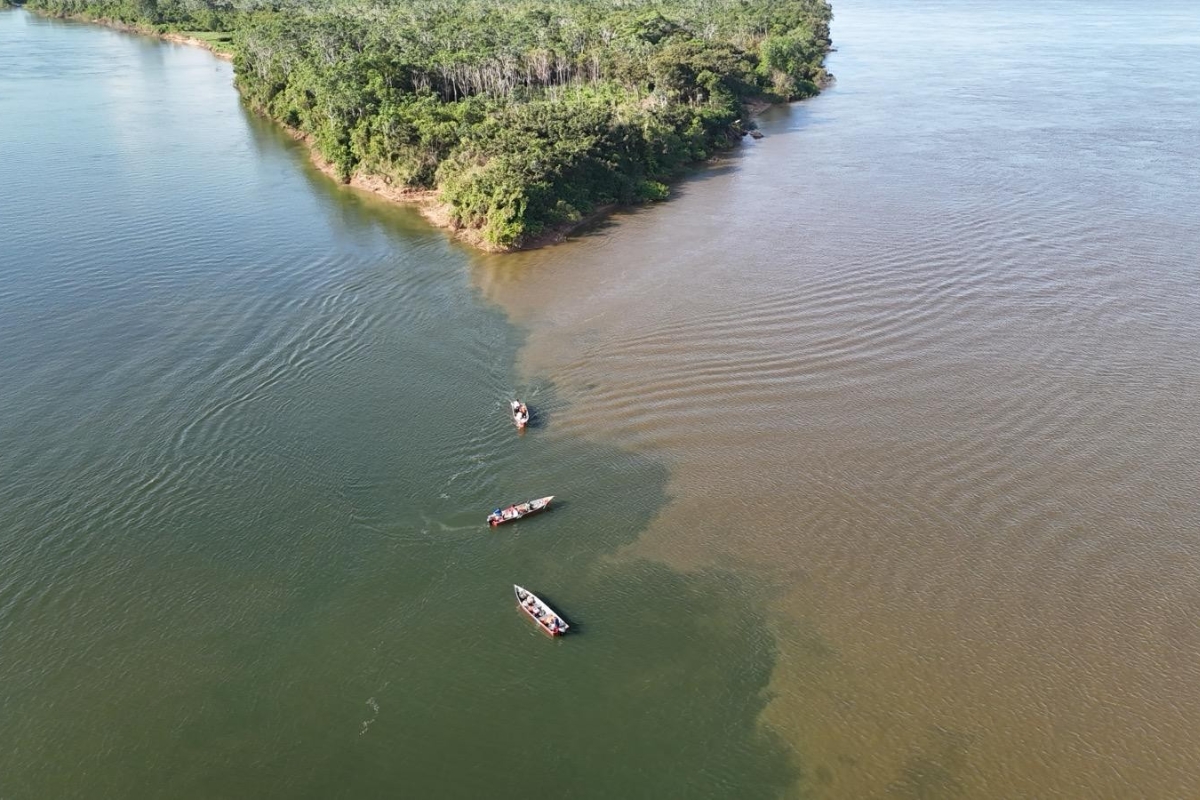
An impressive phenomenon in Northern Brazil causes rivers of different colors to flow side by side, revealing secrets about sediments, currents, and biodiversity.
-
While many schools are still struggling with the basics, a teacher in China went viral for having elementary school students build a two-stage rocket using plastic bottles, water, and pressurized air in a science class that caught the attention of the entire world.


The new species draws attention not only for its vibrant appearance but also for its ancient ancestry: researchers believe this group separated from relatives in the Andes long ago.
Therefore, this “relic” tetra serves as a living link between different ecosystems and eras.
Discovery in the River: How the New Tetra Reached the Scientists
The fish was found by an aquarium fisherman who suspected it was a new species and sent the specimens to the researcher.
After morphological analyses, Dagosta confirmed it was indeed a new species.
The Inpaichthys luizae has a dark oblique stripe that runs along its body to the tail and fins in intense orange tones—characteristics that make it particularly eye-catching.
According to the researcher, the tetra is considered a relic species: a group isolated for millions of years.
The lineage is thought to have separated from relatives in the Andean region, which reinforces the importance of the headwaters of the Tapajós River and other areas of ancient relief in Central Brazil.
Conservation in Alert
The study’s results have direct implications for the conservation and trade of ornamental fish, as the Inpaichthys luizae has great appeal due to its peculiar appearance.
The author explains that, due to its potential for sale in the aquarium trade, the species “must be described as soon as possible because, with a scientific name, it becomes a Brazilian species entitled to conservation.”
Although the rivers where it lives are preserved and the species is classified as “of least concern,” the study highlights the risk of rapid population loss due to ornamental exploitation and the advance of deforestation.
Dagosta intends to continue studies and analyze at least a dozen of new tetra species in the high regions of the Brazilian shield.
The work races against time to catalog the local fauna before it is extinguished by deforestation.
Source: Galileu Magazine







Em rios de rondônia existe dessa espécie.. O caso é q ninguem percebeu ainda…mas tem desse da foto e outras espécies de lambari q só vi naquele estado…
E lindo a cor dele,ele dá pra criar em aquário.