





 Portuguese
  English
  Spanish
  3 min of reading
  2 comments


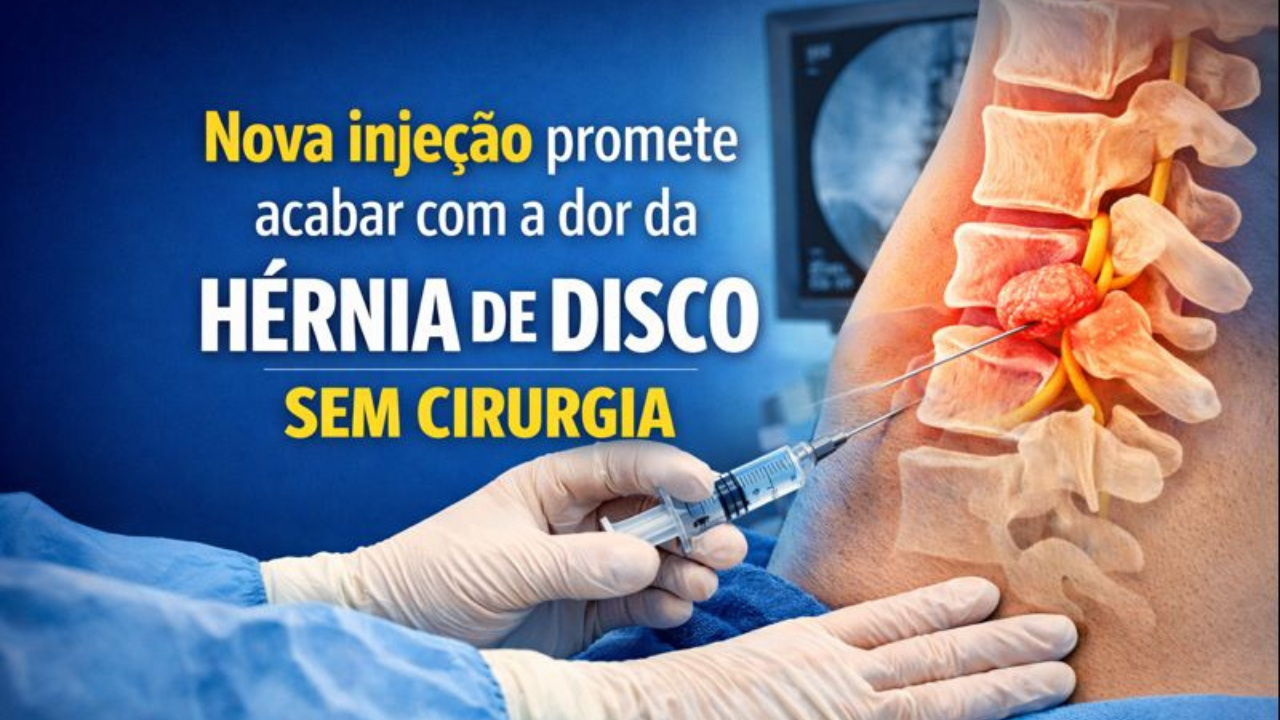


Treatment With Injection in the Spine Reduces Pain From Herniated Disc and Nerve Compression, According to Research Published in Scientific Journal.
A direct injection applied in the spine that can alleviate the intense pain caused by the herniated disc and avoid invasive procedures has been drawing the attention of the medical community.
Developed by a Brazilian researcher, the technique was tested on patients with nerve compression in the spine and showed significant results, with a large part of the participants free of pain after six months.
Encouraging Results Reinforce the Potential of Injection as Treatment for Herniated Disc
According to the study published in the scientific journal International Journal of Spine Surgery, 86% of treated patients were pain-free after six months of follow-up.
-
Students create a solar-powered ambulance that operates without a plug, without fuel, and still keeps medical equipment running in remote areas.

-
French “ghost” submarine lost in World War II reappears after more than 80 years on the seabed near the coast of Spain.

-
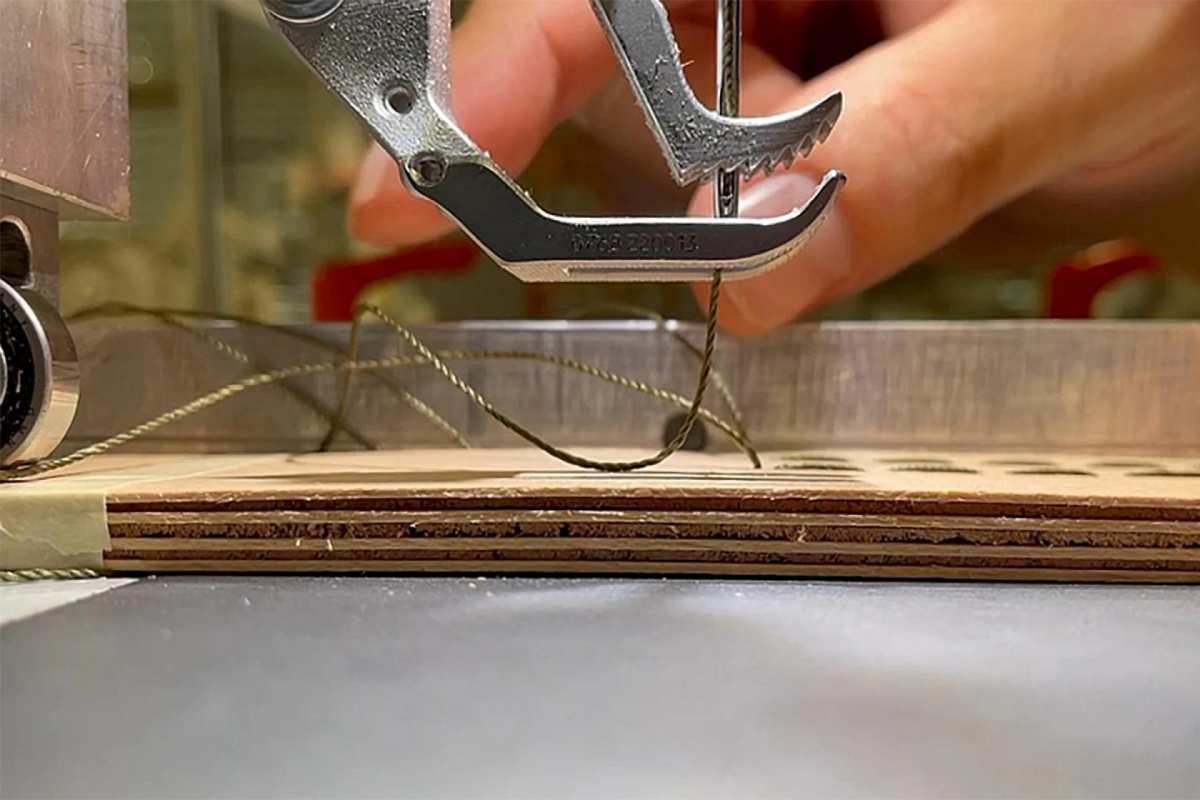
A simple stitch in wood with nylon thread can reduce adhesives, speed up production, and make sheets up to 4 times stronger and 14 times more difficult to break.
-
The gigantic steel shell built to contain Chernobyl for a century has been pierced by a drone, exposing a critical system and creating a hole that could cost over 500 million euros to repair.


The research involved 99 people, consisting of 45 men and 54 women, all with persistent symptoms for more than eight weeks, even after attempts at conservative treatment.
The work was led by Francisco Sampaio Júnior, a neurosurgeon at Hospital Sírio-Libanês.
According to the doctor, all participants had previously undergone physical therapy, used analgesics, and anti-inflammatories, without satisfactory clinical improvement.
“All patients included had previously undergone conventional conservative treatment, without satisfactory clinical response,” explained the researcher.
How the Injection That Acts on Nerve Compression in the Spine Works
The main objective of the study was to evaluate the efficacy of the so-called transforaminal epidural nerve blocks with corticosteroids.
The pain associated with the hernia arises primarily from two factors.
The first is the mechanical compression of the nerve.
The second is the inflammatory process that occurs after the rupture of the disc, causing local edema.
The technique acts directly on these two mechanisms.
Corticosteroids, popularly known as cortisones, are synthetic versions of the hormone cortisol, produced by the adrenal glands.
They have strong anti-inflammatory action and help reduce swelling around the compressed nerve.
4
Quick and Less Invasive Procedure Than Surgery
The procedure takes between 12 and 15 minutes and is done only with local anesthesia.
There are no cuts, stitches, or hospital stays, making the method less invasive and with a simpler recovery compared to traditional surgery.
Moreover, as Sampaio explains, the fragment of the herniated disc tends to decrease in size over time and can be absorbed by the body itself.
Thus, the pressure on the nerve gradually decreases, providing sustained pain relief.
Needle or Surgery: When Cure Without Surgery Is Possible
Being a minimally invasive treatment, the technique presents relevant advantages over surgery.
Surgical procedures on the spine involve risks such as infection, neurological injuries, and complications associated with general anesthesia.
Still, the specialist warns that cure without surgery does not apply to all cases.
According to the doctor, patients who benefit the most from the technique are those with intense, limiting, or incapacitating pain caused by nerve compression in the spine, and who have not shown improvement after weeks of conservative treatment.
What Is Herniated Disc and What Are the Main Symptoms
Thus, the herniated disc occurs when the intervertebral disc — structure located between the 33 vertebrae of the spine — ruptures or dislocates.
These discs function as shock absorbers and have a gelatinous nucleus inside.
When subjected to excessive pressure, the disc can rupture, allowing this material to press on the nerve roots.
Although more common in the lumbar region, herniation can also occur in the cervical region, where the risks are higher.
Among the main symptoms are:
Back pain;
Radiating pain to legs or arms;
Numbness;
Localized pain only in the limbs;
Limitation of movements.
Poor posture, sedentary lifestyle, and genetic predisposition are among the most frequent causes.
Next Steps of the Research
Then the next stage of the study involves following up with patients for longer periods, with assessments after one, two, three, and five years.
Thus, the goal is to analyze the durability of the results and confirm the potential of the injection as a definitive treatment for herniated disc in selected cases.








Excelente investigación, ojalá se pudiera aplicar en nuestro país, me caería como anillo al dedo; pues estoy sufriendo de ambas hernias tanto de cervical como de lumbar.
I happen to know Dr Sampaio since he was a child. He’s the pride of our home state, Piauí. He has treated many celebrities, including Pelé. Perhaps the FDA will approve this treatment some day and Medicare will pay for it.