





 Portuguese
  English
  Spanish
  4 min of reading
  0 comments


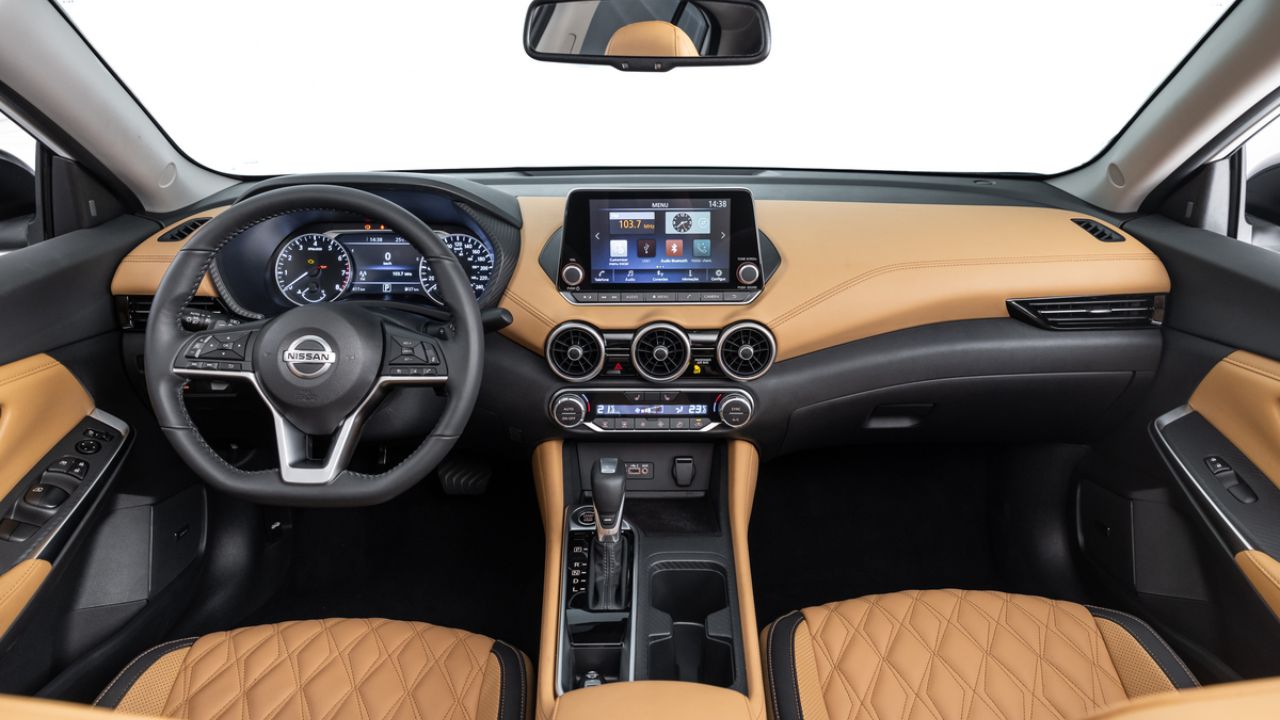
Nissan Sentra Catches Attention For Comfort And Technology, But Has Issues Reported By Owners. See The Main Points Of Attention Before The Purchase.
The Nissan Sentra has attracted attention from those seeking a comfortable and well-equipped midsize sedan, but it also raises questions due to reports of recurring failures.
The model, sold in Brazil in its eighth generation, brings a good level of technology, a reliable engine, and a modern design, but faces criticism related to maintenance and the availability of parts.
Understanding the main issues with the Nissan Sentra is essential before closing a deal.
-
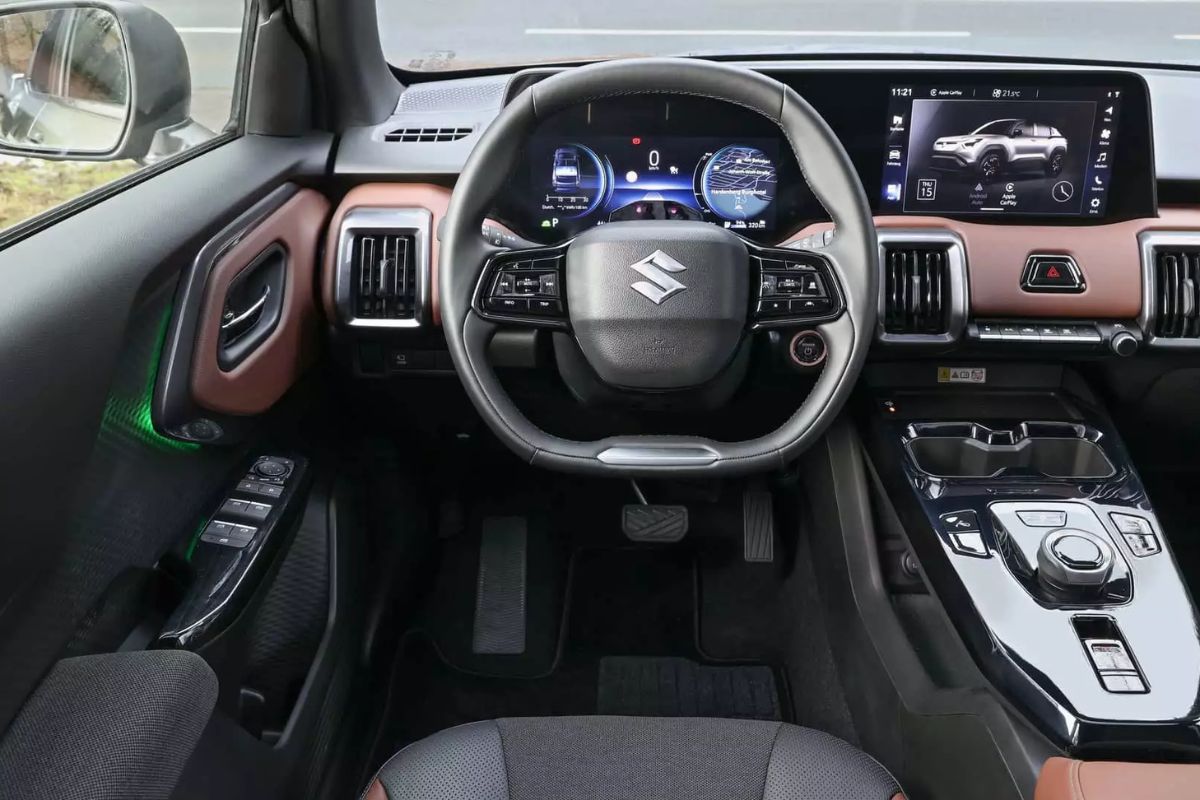
The 2026 electric Vitara arrives in Brazil and proves that Suzuki is not leaving: 4×4 traction, 184 hp, 61 kWh LFP battery, 293 km range, R$ 259,000, and a trunk capacity of 224 L.
-
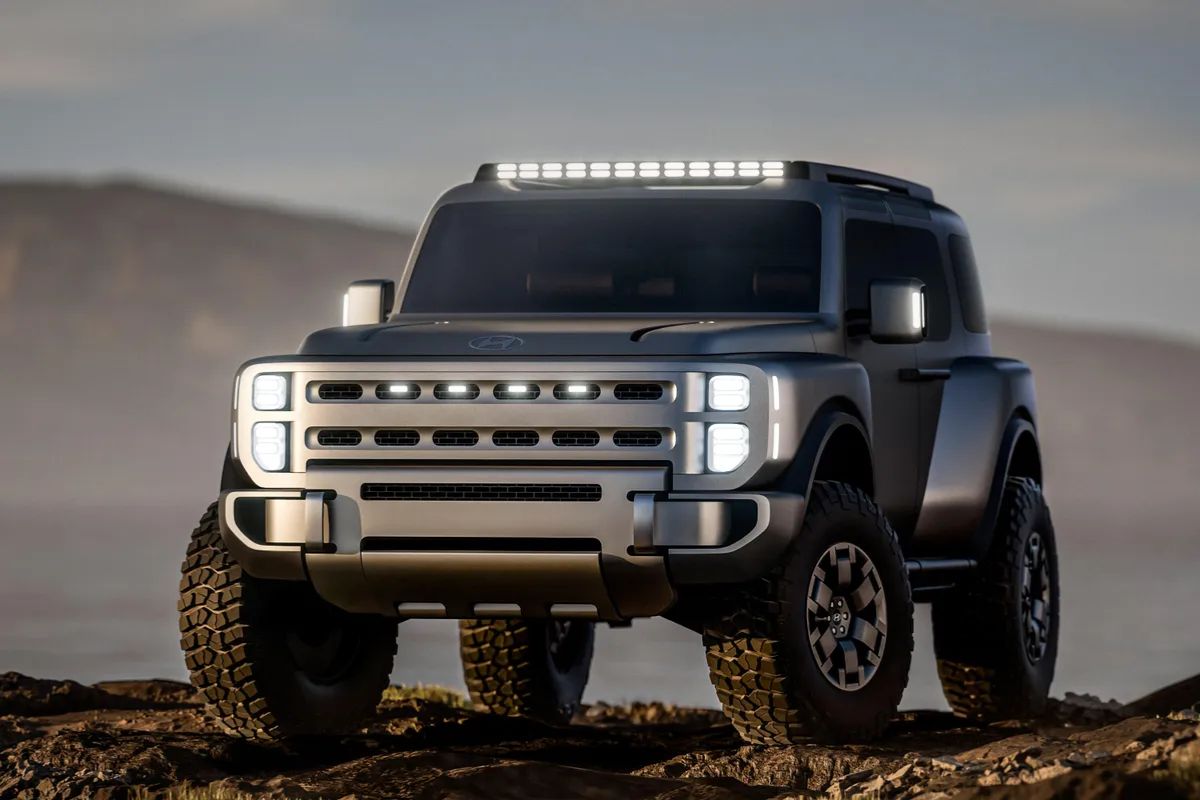
Hyundai has unveiled the Boulder, a square SUV with a body-on-frame design, 37-inch mud tires, and carriage-style doors that seems to be made to take on the Ford Bronco and the Scout Traveller in the United States.
-
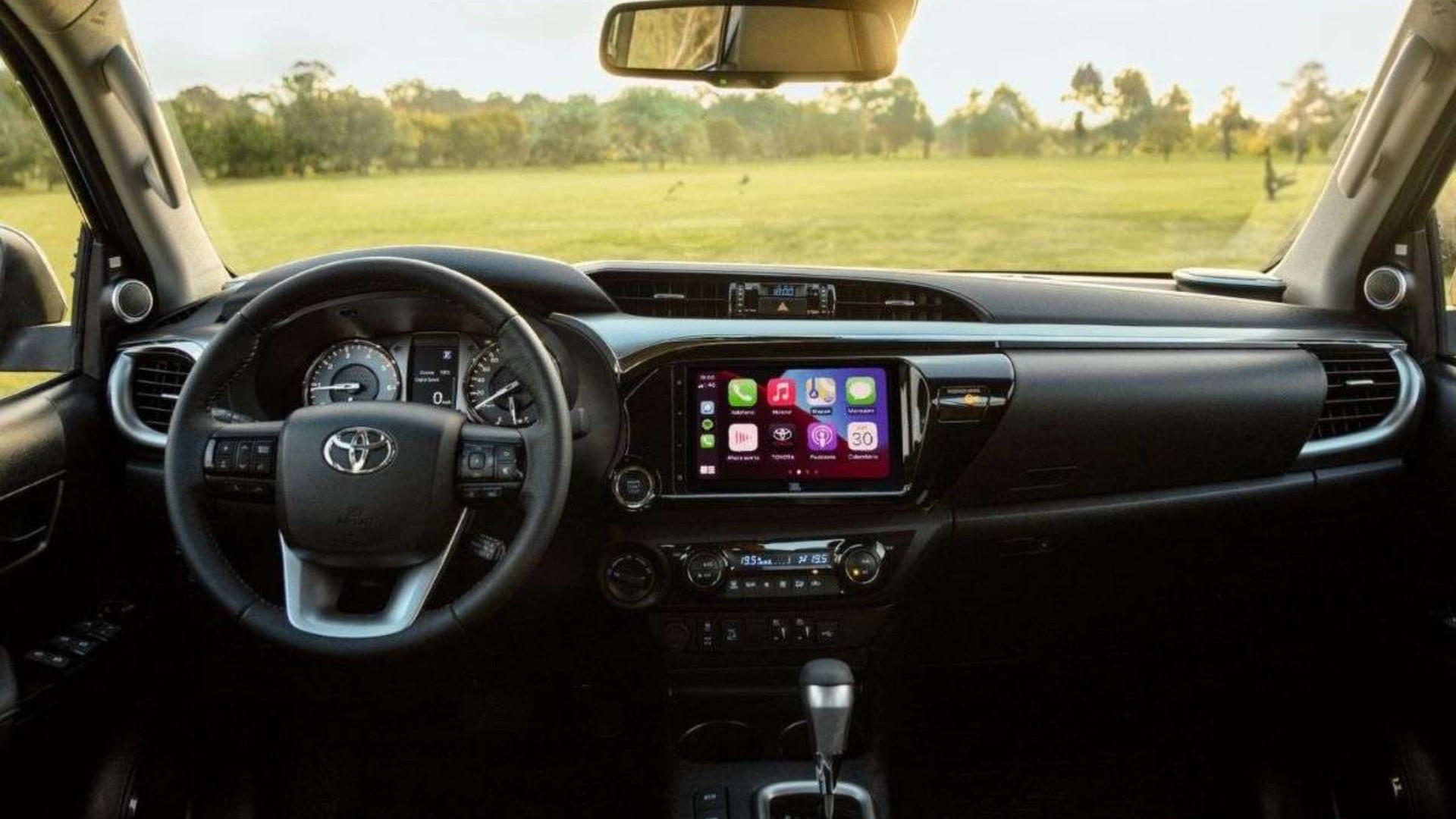
The Toyota Hilux is R$ 75.5 thousand cheaper and bets on the 2.8 turbodiesel engine with up to 204 hp and 50.9 kgfm to catch up with the VW Saveiro, which leads with 4,472 sales.
-
The new Renault Koleos has a screen exclusively for the passenger that is invisible to the driver, heated rear seats, and 29 assistance systems, but its Chinese competitors cost R$ 40,000 less and deliver more power.
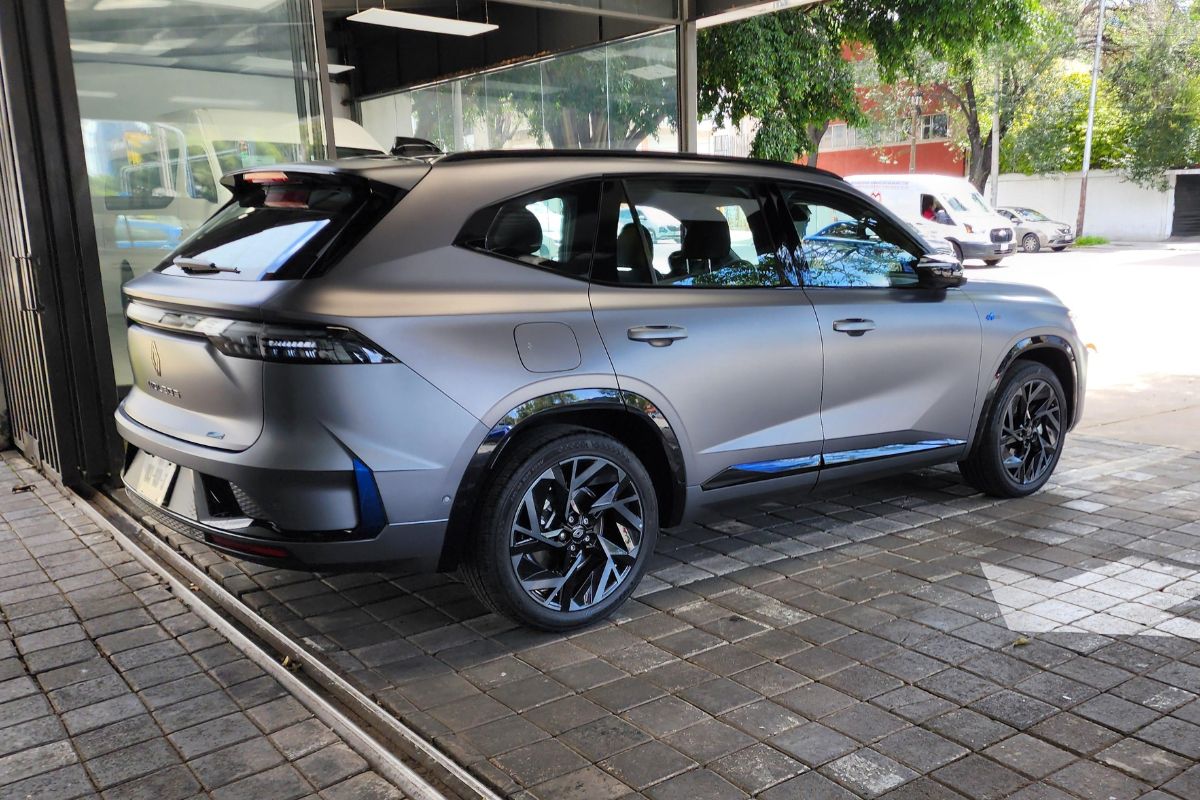

What Changed In The Nissan Sentra Eighth Generation?
Even without significantly altering its proportions, the Nissan Sentra underwent strategic adjustments in the eighth generation.
The sedan continues to measure 4.64 meters in length and has a wheelbase of 2.71 meters, dimensions that maintain good use of internal space and comfort for occupants.
On the other hand, the body gained more width, reaching 1.82 meters. This combination gives the model a lower and sportier appearance, in addition to providing a greater sense of stability while driving.

While the trunk has decreased compared to the predecessor, it remains functional for the car’s purpose.
With a capacity of 466 liters, it meets the needs of family use and daily trips well.
Suspension Of The Nissan Sentra Has Evolved, But Still Divides Opinions
One of the most important advances of the Nissan Sentra is in the rear suspension.
The model abandoned the twist beam and now uses independent multilink suspension, a solution common in more refined midsize sedans.
The change improved handling in corners and at higher speeds.
However, some drivers report that the setup could be more comfortable on rough surfaces, especially in urban use.
2.0 Atmospheric Engine Prioritizes Durability
Unlike competitors that rely on turbo engines, the Nissan Sentra has maintained the traditional 2.0 atmospheric engine, powered solely by gasoline.
The engine has received improvements such as direct injection and operation in the Atkinson cycle, prioritizing fuel economy.
It delivers 151 hp of power with 20 kgfm of torque, numbers that are sufficient for daily use.
For those seeking a car with simple mechanics and less risk of complex failures, this setup is still appealing.
CVT Transmission Is Efficient, But Subject To Criticism
The automatic CVT with eight simulated gears has evolved compared to the previous model.
Now, it features a torque converter, which improves response during acceleration and overtaking.
Still, the system remains one of the most debated points among Nissan Sentra owners.
While some praise the comfort, others feel that the transmission could be quicker during overtaking.
Standard Equipment Is A Highlight In The Nissan Sentra
From the entry-level versions, the Nissan Sentra offers a robust package of equipment.
Some of the main items include six airbags, stability and traction controls, LED headlights, dual-zone digital air conditioning, and multimedia center compatible with Android Auto and Apple CarPlay.
In the Exclusive version, the sedan adds sunroof, Bose sound system, adaptive cruise control, blind spot monitoring, and 360° cameras, features that elevate the car’s standard in the segment.
Update In 2024 Brought More Safety
In 2024, the Nissan Sentra underwent a subtle visual update but gained important enhancements in safety equipment.
Systems such as front collision warning, rear cross traffic alert, and blind spot monitoring have become more prevalent in the lineup.
Main Problems Of The Nissan Sentra According To Owners
Lack Of Parts Concerns Owners
Among the main problems with the Nissan Sentra, the most frequent complaint involves the delay in parts replacement.
There are reports of vehicles being stuck for weeks at dealerships waiting for components.
Nissan usually responds to complaints, but the slow service still bothers those who choose the Nissan Sentra.
Steering System Is The Most Common Defect
Another issue cited by owners involves the electric steering system.
Some owners report clunks during driving and, in more severe cases, failures in the steering’s functionality.

This kind of situation generates insecurity and demands extra attention when evaluating a car, especially outside of warranty.
A report from an owner can be read here
Nissan Sentra Is It Worth It?
The Nissan Sentra is a sedan that delivers comfort, a good technological package, and a reliable engine.
However, the main problems, especially related to steering and parts shortages, require caution.
For those who find a well-maintained unit with an up-to-date maintenance history and a valid warranty, the model can be a good purchase.
But for those seeking absolute peace of mind in after-sales service, it is worth considering competitors before deciding.


Source: MobiAuto










Seja o primeiro a reagir!