





 Portuguese
  English
  Spanish
  4 min of reading
  0 comments


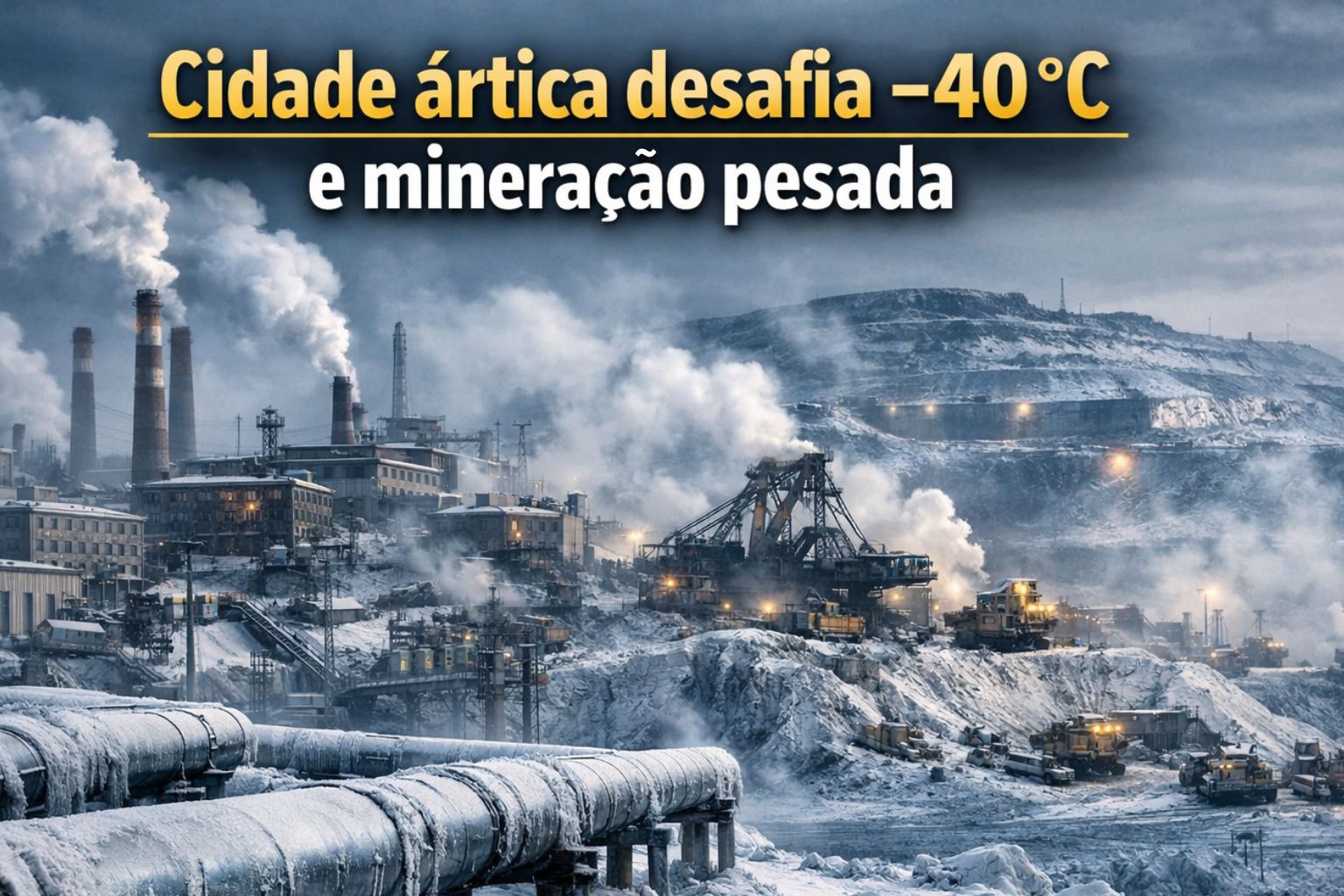
City In The Arctic Was Built On Permafrost, Faces Cold Below −40 °C And Sustains Heavy Mining In One Of The Most Extreme Urban Environments On The Planet.
There are cities that coexist with intense cold. Here, cold is not just a climatic phenomenon: it defines the very ground where everything was built. The soil remains permanently frozen, a state known as permafrost, in which the ground never completely thaws, not even in summer.
Building in this type of environment requires completely unconventional solutions. Traditional foundations simply do not work because the heat from the buildings can melt the soil and cause structural collapses.
Temperatures That Redefine The Concept Of Winter
During winter, thermometers frequently drop to −30 °C to −40 °C, with even lower records during extreme events. In these conditions, water freezes instantly, mechanical equipment fails easily, and any planning error can become fatal.
-
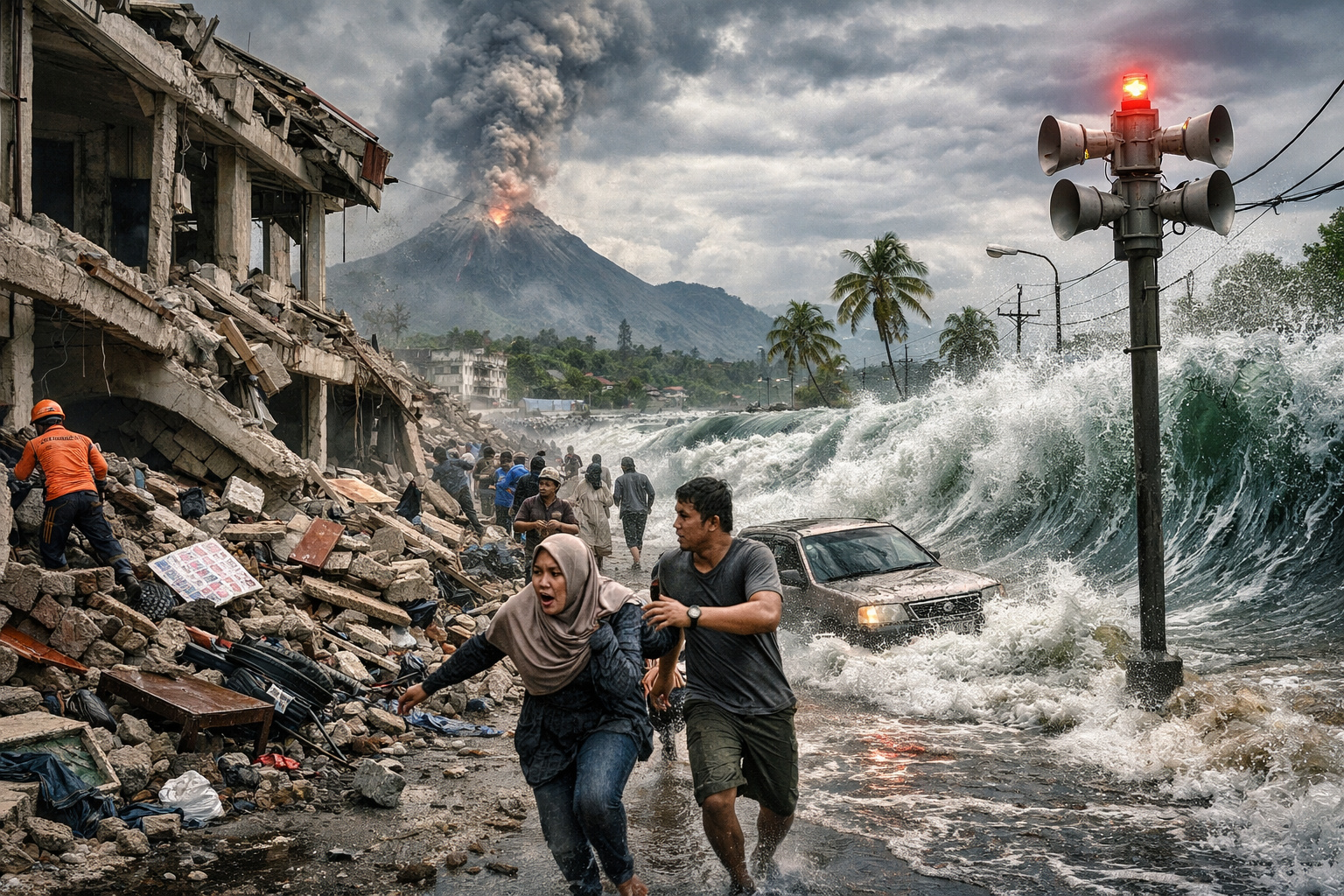
A strong earthquake in Indonesia affects houses and schools, causes panic, triggers a tsunami alert, and records a rise in sea level of up to 30 centimeters in some areas.
-
The Argentine government celebrates the lowest poverty rate in 7 years, but experts warn that the methodology has changed, real wages have fallen, unemployment has risen, and the number of people on the streets of Buenos Aires has increased by 57% since Milei took office.

-
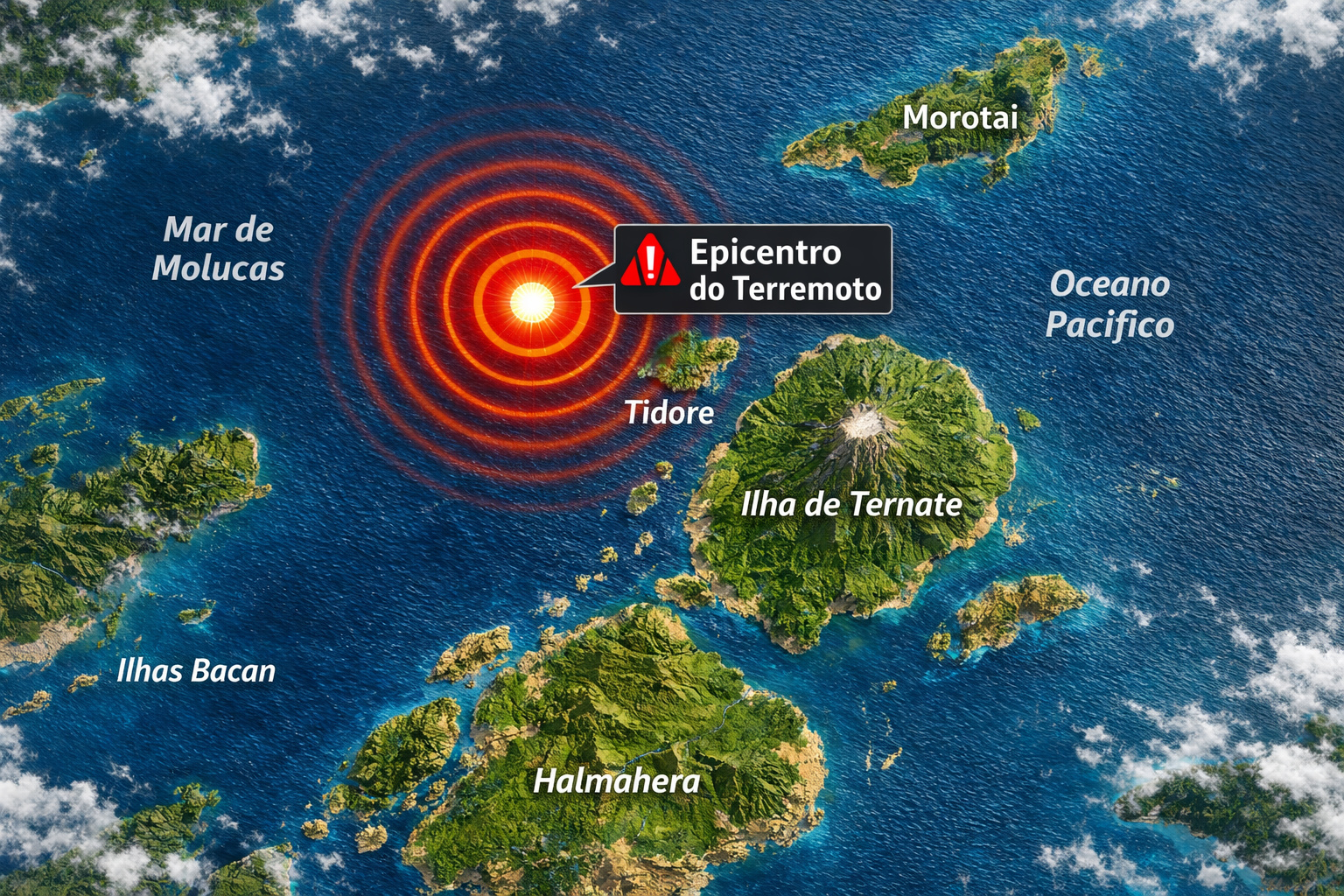
7.8 magnitude earthquake in Indonesia frightens the population, triggers tsunami alert, and hits an island with over 200,000 inhabitants this Thursday.
-
Google will finally let you change that embarrassing Gmail address you created in your teenage years without losing any accounts, logins, or old emails: the feature is already available in the United States.




The urban routine is adapted to this climate. Pipes are elevated or insulated, heating systems operate continuously, and power outages represent an immediate risk to life.
The Engineering Behind The Foundations On Permafrost
To prevent the heat from buildings from melting the frozen soil, the city was built with elevated buildings on deep piles, leaving a ventilation space between the ground and the base of the structures. This gap allows cold air to circulate and keep the permafrost stable.
Roads, railways, and heavy infrastructure also need to be constantly monitored. Small thermal variations can cause deformations in the frozen soil, leading to cracks, sinkholes, and misalignment.
Heavy Mining In One Of The Most Hostile Environments On The Planet
Despite all these limitations, the city exists for a strategic reason: mining for nickel, copper, and other metals. The mining activity sustains the local economy and justifies maintaining a large urban occupation in such an extreme location.
Extraction takes place year-round, including in the coldest months, requiring reinforced equipment, special shifts, and extremely rigid logistics. The city has become one of the world’s major mining hubs in polar regions.
The Revealed City: Norilsk, In Northern Russia
The location is Norilsk, situated in northern Russia, within the Arctic Circle, about 300 km north of the city of Dudinka. With a population that once exceeded 170,000 at its peak, Norilsk is one of the largest cities in the world built entirely on permafrost.
It has no direct road connection to the rest of the country. Access occurs by air or river, during specific windows of the year, further reinforcing its isolation.
Isolation, Logistics And Human Cost
The geographic isolation makes supply expensive and complex. Food, fuel, and construction materials need to be transported over long distances, often facing ice, frozen rivers, and short climatic windows.
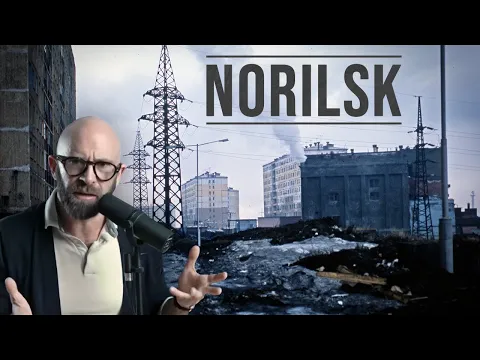
This logistical cost is reflected in product prices and the almost total dependence on state and industrial planning to keep the city functioning.
One Of The Most Polluted Cities Ever Recorded
Intensive mining has brought severe consequences. Norilsk is often cited as one of the most polluted cities in the world, with high levels of emissions of sulfur dioxide and heavy metals from mineral processing.
The environmental impact has affected soils, rivers, and the health of the population, making the city a symbol of both human capability to occupy extreme environments and the limits of that occupation.
The Urban Limit In The Arctic
Norilsk did not grow by chance or convenience. It exists because geology justified its creation, and engineering found ways to make possible what seemed unfeasible.
Built on frozen ground, under extreme temperatures and isolated from the world by thousands of kilometers, the city represents one of the clearest limits of permanent urban occupation ever reached by humankind.
When The City Depends On Ice To Continue Existing
In Norilsk, ice is not just an enemy — it is part of the structure. If the permafrost fails, buildings, roads, and the entire urban logic are at risk. This transforms the city into a continuous experiment of coexistence with an environment that was never meant to support large human populations.
Yet, it remains standing, functioning, producing, and reminding the world how far engineering can go — and where its limits begin.







-

-

-

-

-

-

16 pessoas reagiram a isso.