





 Portuguese
  English
  Spanish
  4 min of reading
  0 comments


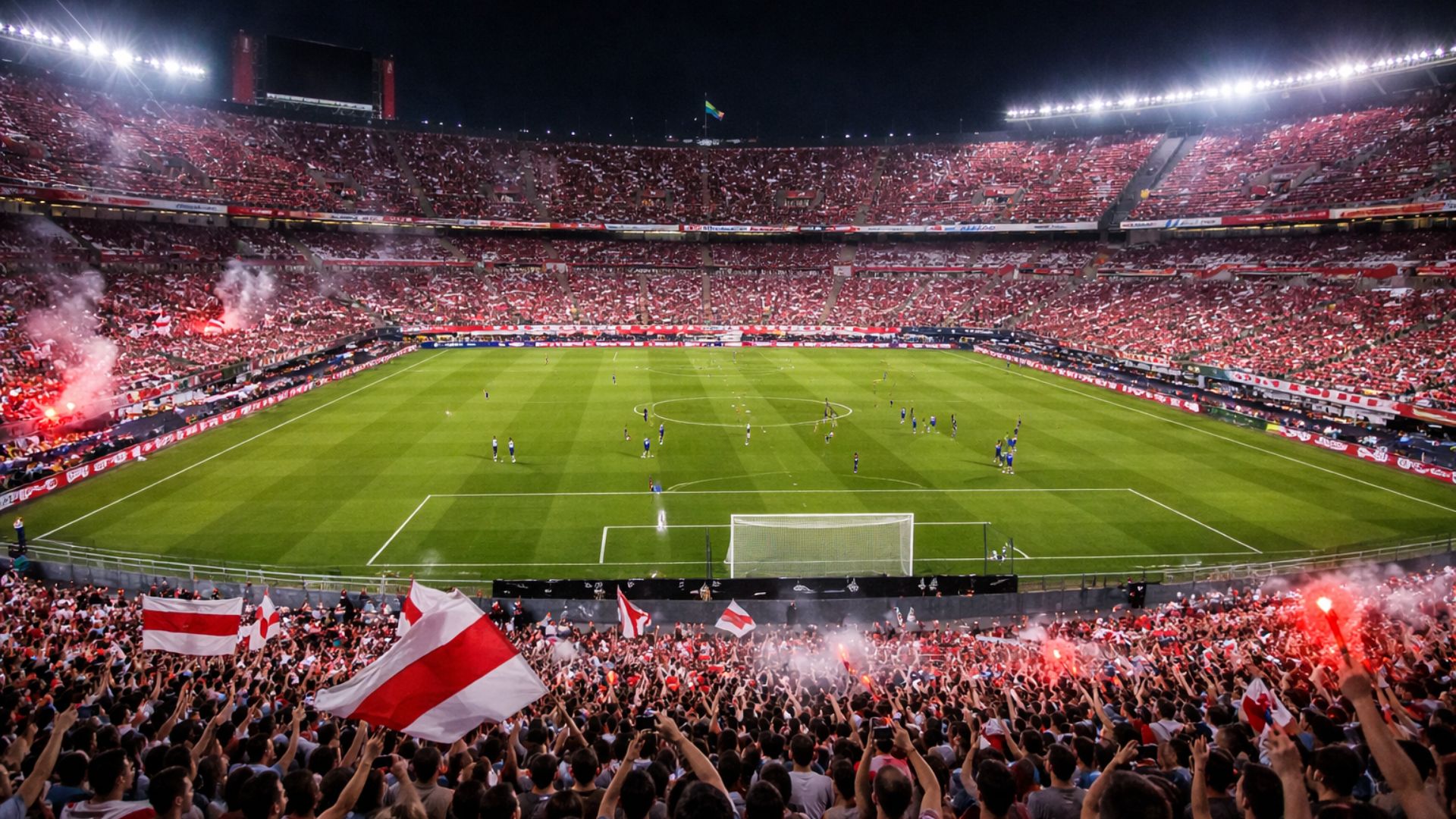
Historical Reform of the Monumental Increased Capacity, Brought Stands Closer to the Field and Reinforced the Boiling Pot Atmosphere in Buenos Aires.
The Estadio Monumental, in Buenos Aires, gained another dimension after a reform that changed the relationship between fans and the field.
The modernization reconfigured what was seen in the stands and around the field, with the removal of the old athletics track, the lowering of the field, and the creation of a new lower ring that brought the audience closer to the players.
The result was a more “closed” and noisy arena, as well as a jump in capacity that placed it at the top of the continent.
-
How an innovative city combines high technology, well-being, and sustainability to become the largest reference in clean energy on the planet.
-
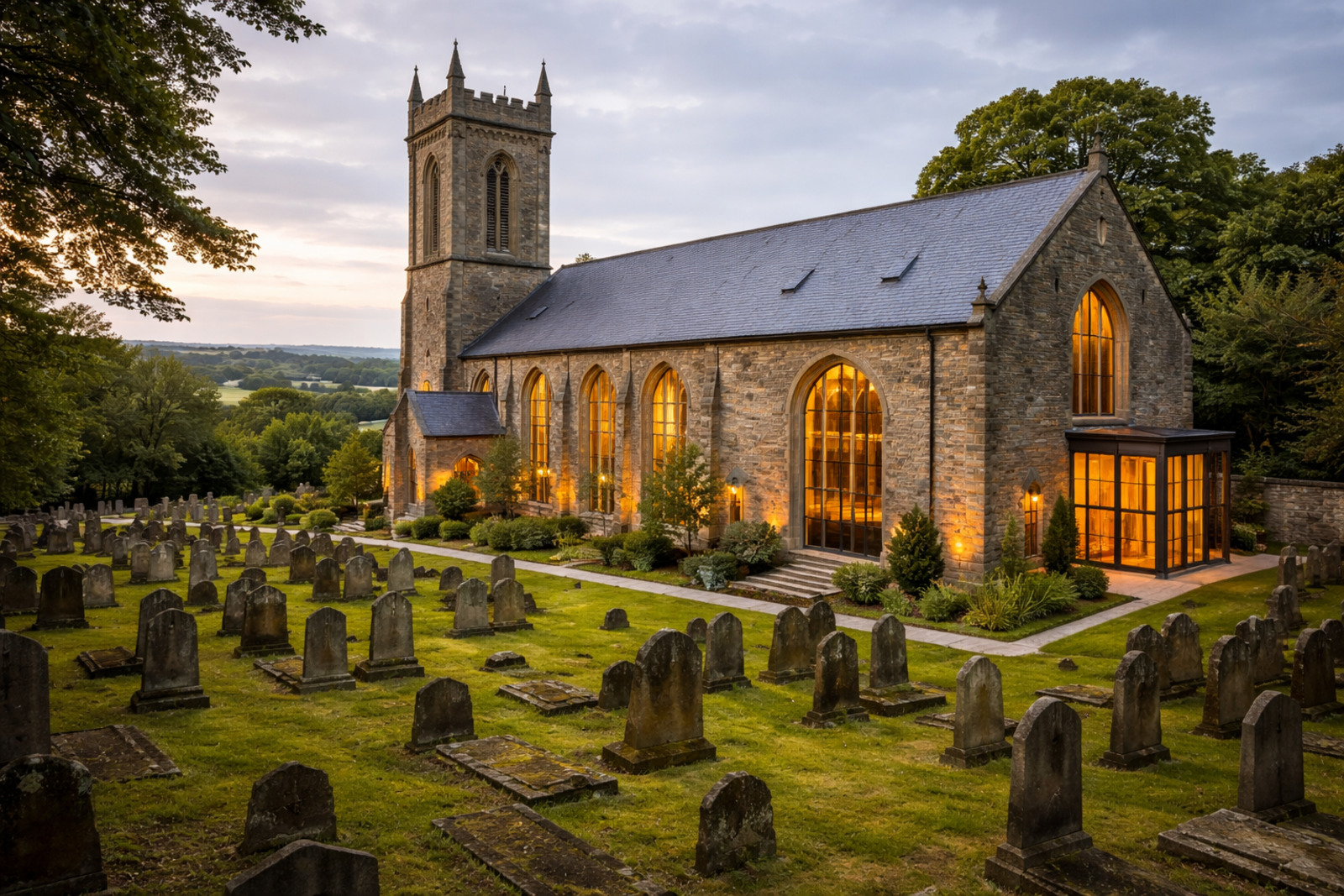
Couple buys 1846 church in ruins for R$ 660,000, invests R$ 3.2 million in renovations, transforms it into a millionaire mansion, and even preserved a historic cemetery with over 300 graves.
-
He started running at 66 years old, broke records at 82, and is now a subject of study for having a metabolic age comparable to that of a 20-year-old, in a case that is intriguing scientists and inspiring the world.

-
Oldest tree on the planet reappears after 130 years of searches: Wattieza, 385 million years old, was 10 meters tall and had no leaves or seeds; Gilboa fossils in New York solved the mystery in 2007.


Reform of the Monumental Brought Stands Closer to the Field
The most symbolic intervention was eliminating the space that separated football from the stands for decades.
With the end of the athletics track, River Plate made it possible to build new lower stands, close to the field, and lowered the playing surface to accommodate this structure.
The project was presented as a broad transformation, aimed at increasing capacity, improving comfort and services, and updating stadium operation standards, without altering the Monumental’s character.
The reform was organized in phases and began in 2020, a period in which the club maintained games in the stadium while advancing with internal and structural changes.

Among the points highlighted by reports and technical materials about the project are:
Capacity of the Monumental and Variation in Numbers
In this process, the capacity experienced a significant jump.
One of the most cited references points out that the stadium reached 84,567 spectators after a phase of expansion, surpassing the mark that brought it closer to the largest in the continent.
The capacity of the Monumental often appears with more than one number, depending on the source and the moment of the work.
There are records highlighting the capacity of 84,567 after the expansion described in phases, while other publications mention 85,018 seats, associating the data with later updates and sector adjustments.
In practical terms, both references indicate a level above 84 thousand people and support the idea that the stadium has established itself as the largest in South America in terms of capacity.

This difference does not change the central point: the reform was not limited to adding more seats but rather redesigning the “fit” of the fans in the stadium.
By reducing the physical distance from the field, the Monumental began to deliver a feeling of constant pressure, typical of steeper and closer stands, something that tends to weigh in big games, especially on Libertadores nights.
River Fans and Boiling Pot Atmosphere on Game Day
Inside the stadium, the game experience is directly influenced by how the fans occupy the space.
The main organized group of River Plate is known as “Los Borrachos del Tablón“, a name often cited when talking about the celebrations in the stands and the volume of support during relevant matches.
Even without getting into aspects outside of football, what can be perceived on game day is an intense visual and sound environment, amplified by the reform that brought the stands closer to the field.
River Museum, Stadium Tour and Memory of the 1978 World Cup
For those visiting the Monumental outside the match calendar, the stadium serves as a tourist attraction with a museum and tour.
The club maintains the “Museo River“, integrated into the complex, with visiting hours and the possibility to see internal areas of the stadium as part of the tour.


Moreover, the Monumental carries a historical landmark that helps explain why it is treated as a must-visit for football fans.
It was in this stadium, in Buenos Aires, that Argentina played the final and won the 1978 World Cup, on June 25, in a match against the Netherlands.
Where the Monumental Is Located and How to Get There in Buenos Aires
Although the nickname “Monumental de Núñez” is the most popular, the stadium is not, in fact, within the boundaries of the Núñez neighborhood.
The most widely circulated references point out that it is located in Belgrano, in an area close to the transition between neighborhoods, which helps explain the confusion.
The address is associated with Avenida Presidente Figueroa Alcorta, a wide and important roadway in the city, in a region with parks and large avenues, which usually facilitates movement on event days, although crowd concentration requires planning.
For Brazilians looking to include the stadium in their itinerary, the logistics of entering Argentina are typically simple on paper: circulation rules under the Mercosur framework allow nationals from member countries to travel using a valid identification document without the need for a passport, provided the country’s requirements are met and the document is in good condition.
With an expanded, renovated stadium closer to the field, to what extent does this new configuration change the significance of the Monumental in decisive matches and the way visitors feel the game from the warm-up?






-

-

-

-

-

-

49 pessoas reagiram a isso.