





 Portuguese
  English
  Spanish
  4 min of reading
  0 comments


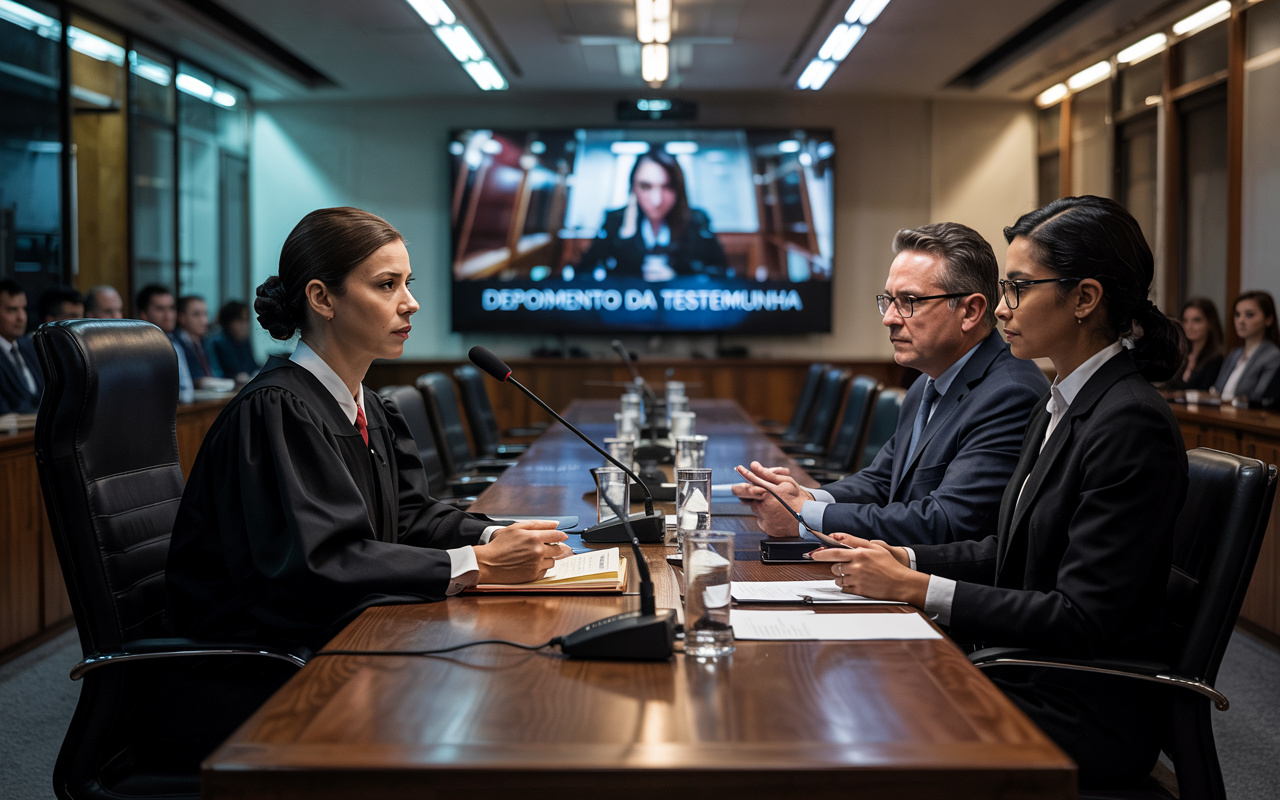
Labor Court Allows Witness Testimonies by Video Based on CNJ Resolution No. 354/2020, Streamlining Judgments Across the Country.
The Labor Court in Brazil has taken an important step towards the digitalization of its procedures. Since 2020, with the Covid-19 pandemic, the National Justice Council (CNJ) has authorized the use of telepresence hearings to prevent a halt in processes. This movement was consolidated by CNJ Resolution No. 354/2020 and reaffirmed in internal rules of the Superior Labor Court (TST).
Now, based on this regulation and recent acts, witness testimonies can be provided by video, without the requirement of physical presence in hearings. The measure aims to accelerate judgments, reduce costs, and increase access to justice in a country of continental dimensions like Brazil.
How Video Testimony Works in Labor Court
According to CNJ Resolution No. 354/2020, judges can conduct hearings via videoconference, including to hear witnesses and parties, as long as identification, recording, and security of the act are guaranteed.
-
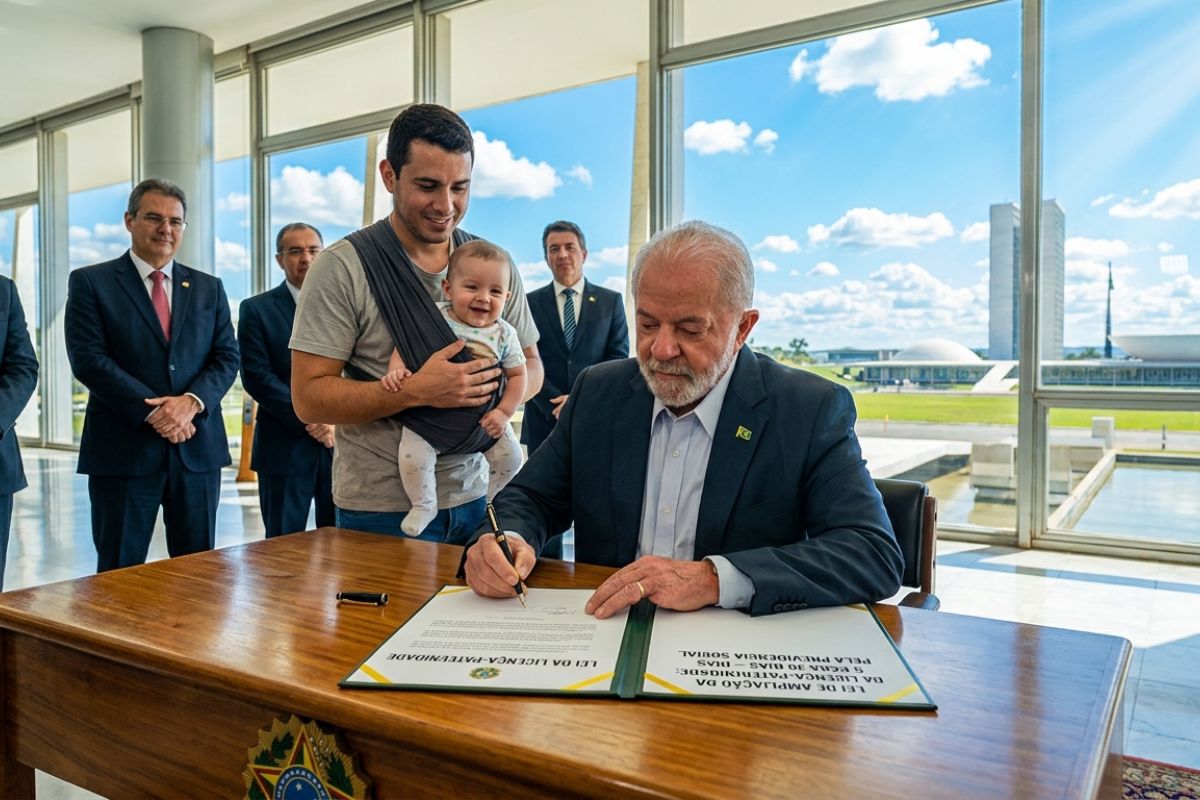
Government enacts new law: paternity leave increases from 5 to 20 days with gradual increases until 2029, and Social Security pays the paternity salary; companies no longer bear the absence cost, estimated at R$ 5.4 billion.
-
End of the 1-hour lunch break in the CLT? Current labor law maintains the break, allows for negotiated reductions, and defines rules for working hours and home office in Brazil.

-
Employee Fired After Accumulating 114 Days of Medical Leave in One Year, Labor Court Upholds Company’s Decision

-
Employee Fired While Treating Depression Wins in Court and Vale Is Required to Rehire Him Following Decision Based on the CLT and INSS Benefits


The procedure must be recorded in digital format and filed in the electronic case management system (PJe), ensuring transparency and legal validity.


In practice, this means that a witness can participate in the hearing from anywhere in the country, using a computer or smartphone connected to the internet, without the need to travel to the labor court.
Experts Highlight the Benefits of the Measure
According to Professor of Labor Procedural Law Homero Batista Mateus da Silva (USP), interviewed recently, the use of videoconferencing represents “a structural change that brings Justice closer to the social and technological reality of the country.”
He emphasizes that modernization reduces processing times and increases the participation of witnesses who previously could not attend due to travel difficulties.
Labor lawyer Rogério Renzetti, a partner at one of the largest firms in the sector, points out that the innovation generates efficiency gains: “It is a relief both for lawyers and for parties, as it reduces travel costs and allows for greater agility in the procedural progress.”
Critics and Challenges
Despite the advances, some warn of risks. The president of the National Association of Labor Magistrates (Anamatra), Judge Luiz Colussi, stated in a note that “video testimony requires caution to ensure that the witness does not suffer external interference or consult documents during their statement.”
Therefore, courts are adopting security protocols, such as requiring the camera to show the environment in which the witness is located and having staff oversee the act virtually.
Impact on Procedural Agility
According to data from the Justice in Numbers 2024 Report from CNJ, labor processes have an average duration of 3 years and 2 months until final judgment.
The expectation is that the widespread use of video hearings will help reduce this time, especially in instruction phases when witness testimony is essential.
In a country where more than 2 million new labor processes are filed each year, any measure that increases productivity can have a significant impact on reducing the backlog.
The Future of Labor Hearings
With the consolidation of virtual hearings, experts believe that the Labor Court should increasingly adopt the hybrid model, where only essential parties appear in person and witnesses are heard by video.
This reduces travel, improves judges’ schedule distribution, and expedites the closure of processes.
Nonetheless, the CNJ emphasizes that it is up to the judge to assess the appropriateness of the modality in each case, ensuring that the right to defense is respected.
Efficiency with Caution
The possibility of witnesses testifying by video is yet another step in the digitalization of Labor Justice.
Supported by CNJ Resolution No. 354/2020, the measure promises to speed up judgments, lower costs, and democratize access but must be accompanied by strict protocols to prevent fraud or distortions.
As Professor Homero Batista states, “it is not just a technological innovation; it is a necessary adaptation of Justice to the social reality and the connected world we live in.”
What once seemed an exception during the pandemic now consolidates as a permanent practice — and can definitively transform the routine of millions of Brazilian workers and employers.









-

-

-

-

8 pessoas reagiram a isso.