





 Portuguese
  English
  Spanish
  6 min of reading
  0 comments


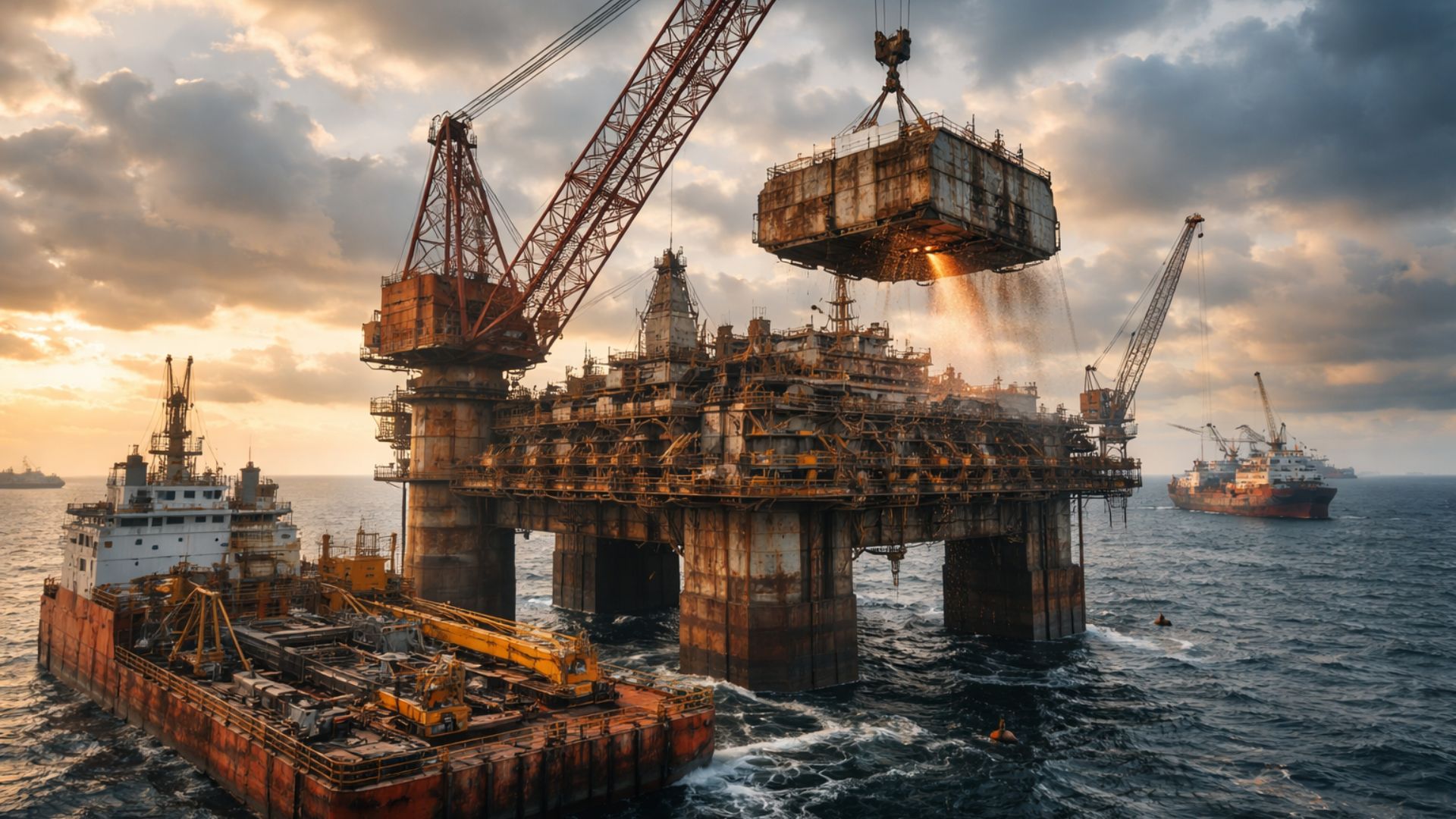
Understand How ONIP Articulates Measures to Position Brazil as a Global Hub in Offshore Decommissioning, Driving the Recycling of Oil and Gas Platforms and New Sustainable Investments in the Energy Sector.
The National Organization of the Oil Industry presented proposals to the Federal Government to transform Brazil into a global hub for offshore decommissioning, focusing on legal security, circular economy, and sustainable recycling of maritime assets. According to a publication made by ONIP itself this Tuesday (3), the initiative took place in official meetings at the Ministry of Development, Industry, Commerce, and Services (MDIC) and with the Federal Revenue, signaling a relevant institutional advance for the future of the oil and gas platforms and the Brazilian shipbuilding industry.
Understand the Objective of ONIP with the Offshore Decommissioning Initiative
It became evident that the central objective is to unlock investments, strengthen the production chain, and structure a permanent market for the dismantling and recycling of offshore assets. The technical document delivered by ONIP compiles regulatory, fiscal, and environmental guidelines that can position the country as an international reference in offshore decommissioning.
Moreover, the topic directly connects with global sustainability and energy transition agendas, potentially increasing the interest of foreign investors and companies specializing in maritime engineering.
-
Lula reveals a masterstroke by Petrobras to undo a deal made by Bolsonaro, which involves the return of an important refinery that currently produces less than half of what was expected and makes Brazil dependent on international diesel.
-
A study confirms that the natural gas sector will reduce greenhouse gas emissions in Brazil by 0.5% and accelerate the energy transition by 2026.

-
Petrobras implements a severe adjustment and confirms a 55% increase in the price of aviation kerosene with a proposal for installment payments for the companies.

-
The rise in oil prices could ensure an extra revenue of R$ 100 billion for the Federal Government, indicates a recent economic study.


The relevance of the movement is also linked to the natural growth of the life cycle of maritime structures. Many oil and gas platforms installed in previous decades are already nearing the end of their productive operations, which creates a growing demand for safe dismantling solutions and material reuse.
In this context, Brazil can shift from a spectator to a potential protagonist, creating a historic opportunity to develop its own technology and reduce dependence on international services.
ONIP Articulates Technical Proposal to Transform Brazil into a Global Hub for Offshore Decommissioning
ONIP delivered to the government the “Proposed Document for Legislators and Regulators,” the result of technical debates held in Brasília during the workshop “Offshore Decommissioning and Sustainable Recycling of Assets in Brazil,” which took place last November.
The material proposes the creation of a clear and secure regulatory environment, capable of consolidating the country as a global hub for offshore decommissioning, reducing bureaucracies and increasing legal predictability.
The movement seeks to transform an environmental liability into a concrete economic opportunity. The proposal includes incentives for shipyard modernization, strengthening of the shipbuilding industry, and encouragement of technological innovation aimed at industrial dismantling. Furthermore, the document emphasizes the importance of integrating public policies with business interests, ensuring that the growth of the sector occurs in a structured and sustainable manner.
Another relevant point is the creation of mechanisms that encourage the establishment of specialized dismantling and recycling centers within the national territory. This prevents structures from being sent to other countries, reducing logistical costs and increasing the generation of internal jobs. This way, Brazil expands its productive capacity and strengthens industrial competitiveness on the international stage.
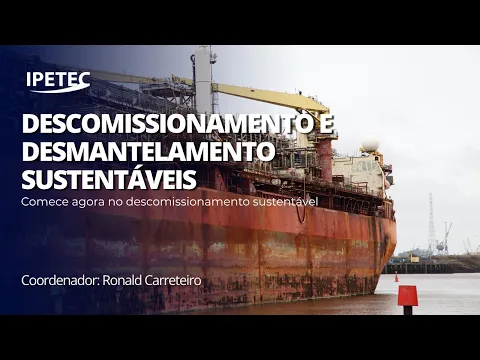

Legal Certainty and Regulatory Predictability Drive Investments
During the meetings, the General Director of ONIP, Marta Franco Lahtermaher, emphasized that Brazil has a unique window of opportunity to establish itself as a global reference in offshore decommissioning.
According to the executive, legal certainty is the main pillar for attracting investors and ensuring market predictability. Companies interested in naval recycling and material reuse depend on clear regulations, regulatory stability, and appropriate incentives.
The absence of specific regulation can create uncertainties and deter foreign capital. Therefore, the document delivered to federal agencies aims to standardize technical and tax procedures related to oil and gas platforms, creating a safer environment for long-term investments.
Without defined rules, investment does not happen, and this perception is shared by both government representatives and industry executives.
Moreover, regulatory predictability allows companies to plan complex dismantling operations in advance, reducing financial and operational risks. This factor is crucial to consolidating the country as a reliable destination for international projects, increasing the visibility of the Brazilian market abroad.

Circular Economy and Industrial Innovation as Drivers of Competitiveness in the Offshore Scenario
Another central point addressed by ONIP is the integration of offshore decommissioning with circular economy policies. The reuse of steel, cables, pipelines, and electronic components can generate new productive chains, in addition to reducing environmental impacts and industrial costs. This practice transforms industrial waste into valuable raw material for other economic sectors.
During the meeting, MDIC representatives emphasized that structuring this market strengthens the national industry and creates permanent value generation opportunities. The circular economy ceases to be merely an environmental agenda and becomes a strategic axis for industrial development. Transforming scrap into an economic asset is a mindset change that redefines the energy sector.
This model also encourages research and development centers focused on technological innovation, fostering partnerships between universities, shipyards, and engineering companies. The result is a more robust ecosystem capable of generating technical knowledge and exportable solutions for other countries with similar demands.
Port Infrastructure, Shipyards, and Strategic Governance in Offshore Decommissioning
The technical report presented by ONIP was structured around five fundamental pillars: Regulatory, Fiscal/Custodial, Environmental, Infrastructure, and Governance. These axes guide the construction of a solid and competitive market able to absorb the growing demand for dismantling maritime structures in the coming years.
Brazilian port infrastructure is seen as a competitive differential, as the country has an extensive maritime coast and a tradition in the shipbuilding industry. However, experts emphasize that the modernization of shipyards and the training of the workforce are essential to meet international safety and operational efficiency standards. Proper infrastructure is synonymous with global competitiveness.
Moreover, MDIC proposed the creation of a Working Group in the Circular Economy Forum to deepen the discussion and align public policies. Institutional coordination is deemed essential to avoid overlapping regulations and accelerate strategic decisions that directly impact the sector.
Federal Revenue, Repetro, and Tax Adjustments to Consolidate the Global Hub
In the meeting held with the Customs Administration Subsecretariat of the Federal Revenue, Subsecretary Fausto Vieira highlighted the importance of the technical contribution from the group led by ONIP. The agency requested support in writing a draft aimed at adapting the Repetro regime to the specific demands of offshore decommissioning in Brazil.
Updating Repetro can reduce operational costs and increase the country’s international competitiveness. This point is crucial because sending structures for dismantling in other territories raises logistical expenses and reduces the potential for generating local jobs. By strengthening internal recycling capacity, Brazil increases the national added value and stimulates sustainable growth in the industry.
Tax harmonization also facilitates financial planning for companies, allowing for greater predictability and efficiency in executing large-scale projects. This directly contributes to consolidating the country’s image as a reliable and technically prepared environment for complex offshore operations.
A New Chapter for the Brazilian Energy and Naval Industry
The progress led by ONIP signals a structural change in the national energy sector. By proposing clear guidelines for regulation, taxation, and sustainability, the agency establishes concrete foundations for Brazil to achieve international prominence in offshore decommissioning. The alignment between government, industry, and regulatory bodies demonstrates institutional maturity and a long-term strategic vision.
Transforming the dismantling of oil and gas platforms into an economic opportunity represents a historical turning point. In addition to attracting investments and increasing job generation, the country strengthens its shipbuilding industry, stimulates technological innovation, and consolidates circular economy practices. What was once seen as a cost now becomes an opportunity for sustainable growth.
This movement reinforces Brazil’s position in the global energy landscape, enhancing its relevance in international debates on sustainability, energy transition, and environmental responsibility. By combining industrial capacity, legal security, and innovation, the country places itself on a consistent development path, with the potential to lead a market that is set to grow in the coming decades.








Seja o primeiro a reagir!