





 Portuguese
  English
  Spanish
 5 min of reading
  0 comments


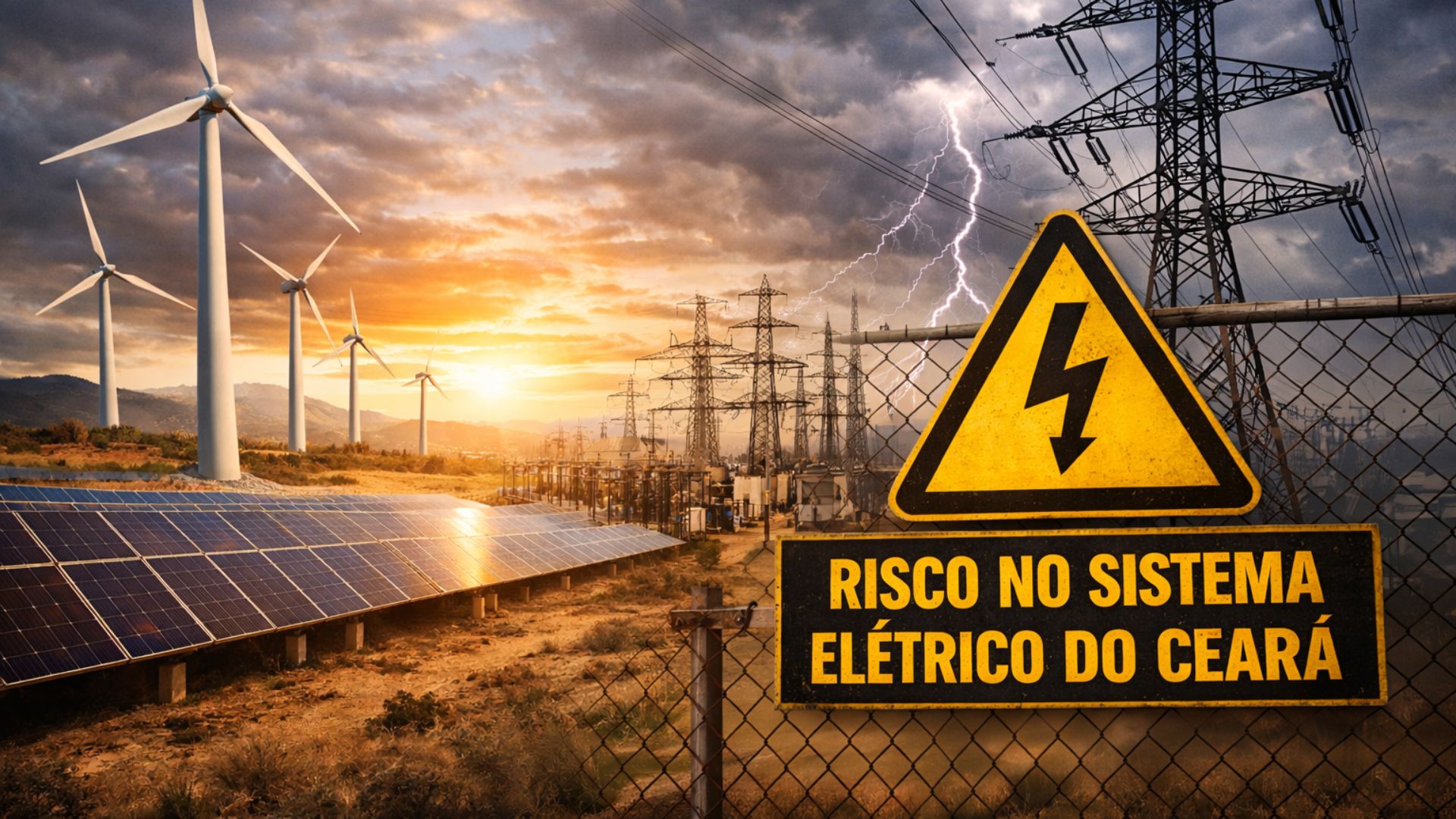
ONS Alert Exposes Failures in the Electrical System of Ceará, with Recurring Cuts of Renewable Energy, Million-Dollar Losses, Risks to the Expansion of Wind and Solar Energy, and Direct Impacts on Investments Until 2029.
The National System Operator (ONS) warned, in December 2025, that cuts in renewable energy generation in the electrical system of Ceará are not expected to be resolved before 2029. According to an article published by Diário do Nordeste, this information is included in the Medium-Term Electric Operation Plan (PAR/PEL), released last week, and highlights a structural risk that threatens investments in wind and solar energy, causes million-dollar losses, and impacts consumers.
According to the document, generation restrictions — known as curtailment — are necessary to avoid operational risk in the electrical system, as production of renewable energy in Ceará repeatedly exceeds the transmission infrastructure’s ability to carry it. The problem has persisted since 2021 and is expected to continue for another four years.
ONS Points to Operational Risk in the Electrical System of Ceará
The warning from the ONS is clear: to maintain the operational safety of the electrical system, it is necessary to restrict the flow of renewable energy produced in Ceará. The state has established itself as one of the main hubs of wind and solar energy in the country, but the accelerated expansion of generation has not been matched by proportional investments in transmission.
-
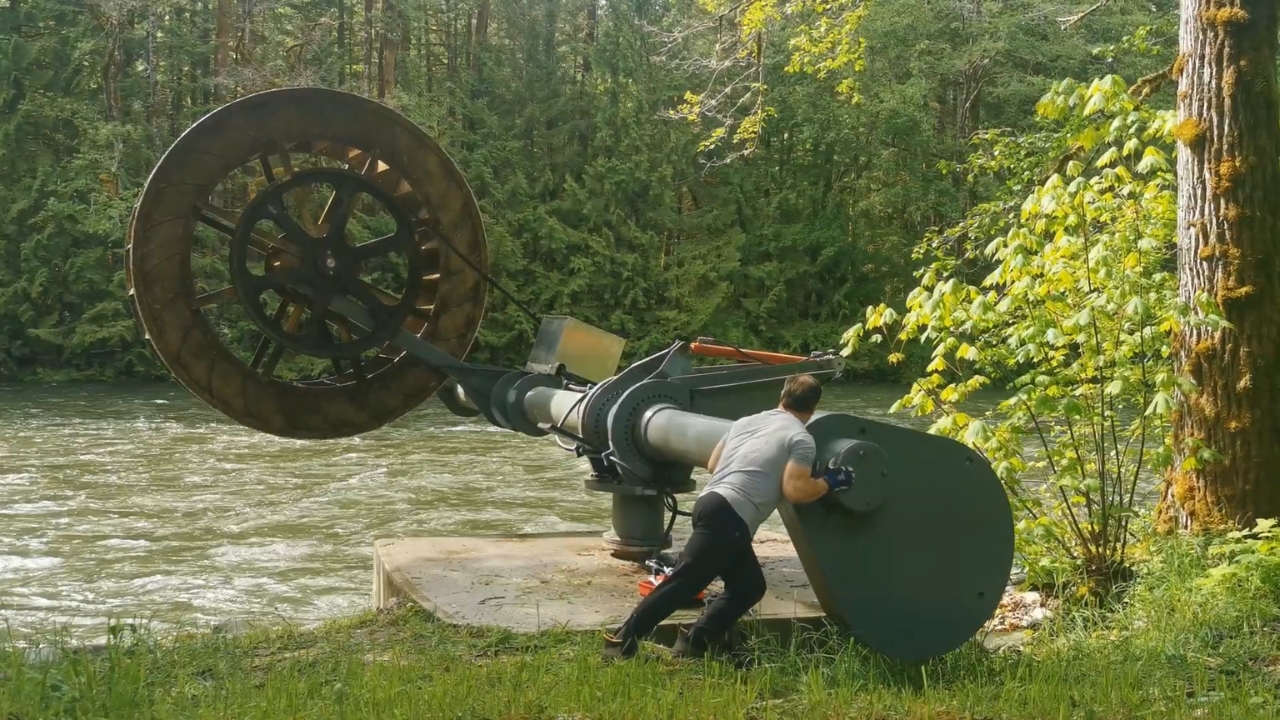
A Canadian retiree creates a hydroelectric system on a real river, generating energy continuously throughout the day and demonstrating how the power of water can supply a house with stability even in a simple structure.
-
Petrobras reaffirms its commitment to the market and ensures that it will carry out the energy transition safely to maintain national sovereignty.

-
Researchers discover a possible hydrogen deposit of up to 46 million tons beneath an ancient coal basin, and the volume could exceed half of the entire global production.

-
China bets on the Fishery-PV model and transforms fish farms into giant solar plants, covering ponds with panels that generate energy while utilizing the same space for large-scale aquaculture production.


Since October 2021, the cuts have become frequent. In four years, renewable plants in Ceará have ceased to generate about 3.3 million megawatt-hours (MWh), enough to supply approximately 16 million households. This data reinforces the scale of wasted clean energy.
Curtailment Exposes Bottlenecks in the Electrical System and Transmission
Curtailment occurs when the ONS determines the reduction or interruption of generation to avoid overload on transmission lines. In the case of the electrical system of Ceará, the problem is structural: there is excessive production of renewable energy in relation to the available capacity for transport to consumer centers.
Even with high energy potential, the infrastructure cannot support the generated volume, forcing the operator to prioritize system stability. The PAR/PEL highlights that this situation is expected to remain until December 2029, when infrastructure projects considered structural come into operation.

Renewable Energy in Ceará Suffers from Millions of MWh Waste
Ceará holds one of the largest shares of wind and solar energy in Brazil. Paradoxically, this leadership comes with significant losses. The waste of 3.3 million MWh represents not only economic loss but also environmental regression, as clean energy fails to replace fossil sources.
Moreover, the ONS document acknowledges that even after the new transmission lines come into operation, there may be a need for new generation restrictions, particularly to avoid risks of voltage instability in the electrical system.
Financial Losses and Insecurity Drive Away Investments
The economic impacts of curtailment are increasing. According to a survey by Volts Robotics, generation companies reported a loss of R$ 69 million just in November, due to cuts imposed by the ONS. During this period, Ceará accounted for 28.81% of the restrictions, ranking among the most affected states in the country.
According to Adão Linhares, director of the Ceará Electric Sector Industry Union (Sindienergia-CE), the scenario creates regulatory insecurity and risk of litigation, in addition to limiting new investments. He stated that as long as the electrical system remains at this level of restrictions and uncertainties, investments tend to be interrupted.
Historical Lag of the Electrical System in the Northeast
According to sector representatives, the lag in transmission infrastructure in the Northeast is an old bottleneck. Adão Linhares assesses that the problem only began to receive more attention due to the operational risk of the electrical system, prompted by the accelerated growth of renewable energy.
Despite the existence of sectoral planning, he highlights bureaucratic and governance obstacles that delay the execution of projects. Emergency interventions only meet part of the necessary demand, leaving Ceará vulnerable.
ONS Investments Promise Relief Until 2029
The ONS plan calls for robust investments in the electrical system until 2030. A total of R$ 28.1 billion is allocated for the construction of 5,301 kilometers of new transmission lines, in addition to enhancing the exchange between regions, with an increase of 5.7% in installed nominal capacity.
In Ceará, the package includes over 1,400 kilometers of new lines and the installation of three synchronous compensators, essential equipment for voltage control and stability. The expectation is that these projects will significantly reduce cuts starting in 2029.
Wind and Solar Energy Face Local Demand Limits
In addition to transmission, another factor contributes to curtailment: the lack of sufficient demand. Professor Kleber Lima from the Federal University of Ceará (UFC) explains that there are periods when generation exceeds consumption, disrupting the electrical system.
According to the professor, energy production currently exceeds system demand, necessitating forced cuts in generation. To mitigate this risk, the ONS proposes the installation of 3 gigawatts of additional capacity, through five new synchronous compensators in Morada Nova, Quixadá, and Açu. The auction for these equipment is scheduled for March 2026, but there is no timeline for their operation yet.
Sector Advocates Solutions Beyond Transmission
Representative entities argue that merely expanding lines will not be enough. Rodrigo Sauaia, CEO of the Brazilian Photovoltaic Solar Energy Association (Absolar), advocates for advancing reinforcements in critical areas, as well as investments in energy storage.
He states that integrating large loads, such as data centers and green hydrogen projects, can help balance the electrical system, making better use of the available renewable energy. The National Policy for Access to the Transmission System is also regarded as a strategic planning tool.
The Brazilian Wind Energy Association (ABEEólica) emphasizes that curtailment scenarios in Ceará remain concerning in the short and medium term, although gradual improvements are expected between 2027 and 2029.
Direct Impacts on Electricity Bills and the Environment
The effects of curtailment do not fall solely on generators and investors. The final consumer also pays the price. When wind and solar energy is curtailed, the system resorts to fossil thermal plants, which are more expensive and polluting.
This raises electricity costs and pressures tariffs. There is a replacement of clean energy with fossil generation, increasing emissions and compromising environmental goals. For experts, this is a contradiction in a country with enormous renewable potential.
What Is at Stake for the Electrical System of Ceará
ONS’s warning makes it clear that the electrical system of Ceará is at a critical point. Without integrated solutions, the waste of renewable energy will continue, affecting competitiveness, investments, and the very Brazilian energy transition.
Until 2029, the state will need to live with cuts, losses, and uncertainties. The challenge is to transform the abundance of wind and solar energy into security, efficiency, and economic development, avoiding that renewable potential becomes an obstacle to sustainable growth.





Seja o primeiro a reagir!