





 Portuguese
  English
  Spanish
  3 min of reading
  0 comments


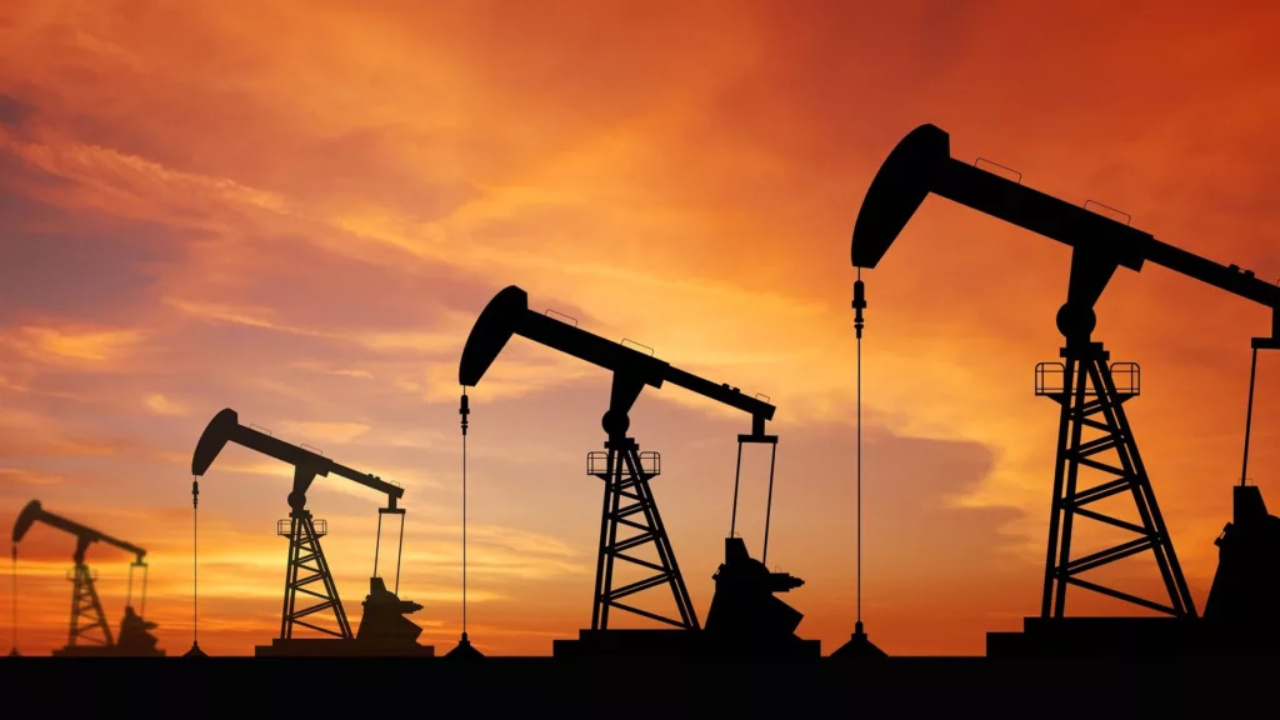
OPEC+ Should Maintain Oil Production Steady Amid Price Declines in 2025 and Tensions Between Saudi Arabia and the United Arab Emirates Over the Yemen Conflict
In a time of strong instability in the international oil market, OPEC+ is expected to maintain its current production policy, according to information from delegates of the group. The decision is likely to occur despite escalating political tensions between Saudi Arabia and the United Arab Emirates, two of the main producers in the organization, involved on opposing sides in the Yemen conflict.
At the same time, the sector faces an additional challenge. Oil prices have fallen more than 18% in 2025, the largest annual decline since 2020. This movement is primarily driven by growing concerns about a possible oversupply in the global market.
OPEC+ Meeting Occurs Amid Declining Oil Prices
The meeting scheduled for Sunday will bring together eight OPEC+ countries, responsible for about half of global oil production. The gathering takes place after months of volatility, in a scenario where investors and governments closely monitor any signal of change in supply policy.
-
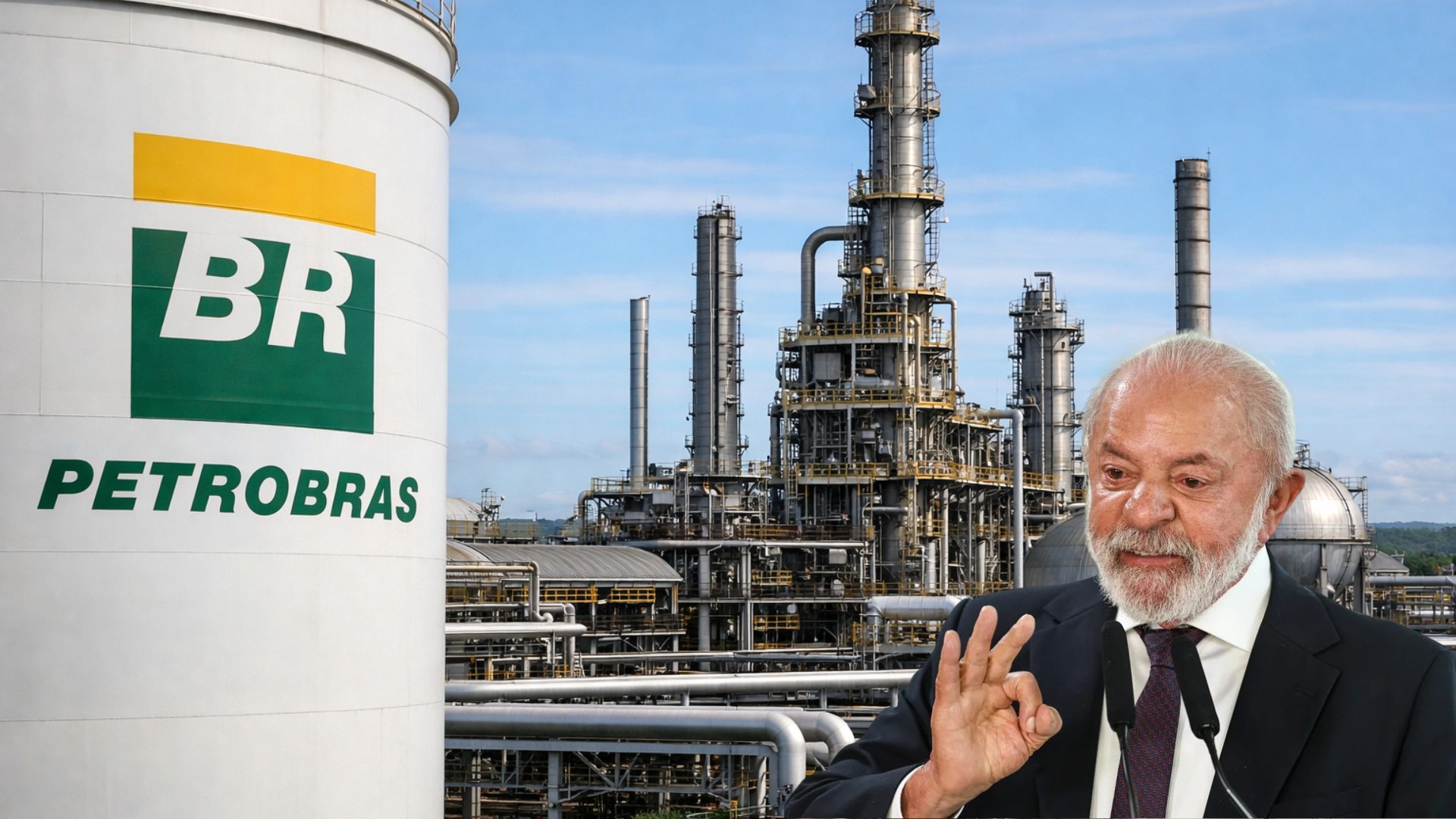
Lula reveals a masterstroke by Petrobras to undo a deal made by Bolsonaro, which involves the return of an important refinery that currently produces less than half of what was expected and makes Brazil dependent on international diesel.
-
A study confirms that the natural gas sector will reduce greenhouse gas emissions in Brazil by 0.5% and accelerate the energy transition by 2026.

-
Petrobras implements a severe adjustment and confirms a 55% increase in the price of aviation kerosene with a proposal for installment payments for the companies.

-
The rise in oil prices could ensure an extra revenue of R$ 100 billion for the Federal Government, indicates a recent economic study.


According to three sources from the group, the trend is to maintain current production levels. Nevertheless, the environment is marked by caution. This is because the recent drop in prices has reignited internal debates about the balance between supply and demand.
Production Increases and Temporary Pause
Between April and December 2025, the eight countries—Saudi Arabia, Russia, the United Arab Emirates, Kazakhstan, Kuwait, Iraq, Algeria, and Oman—raised their production targets by about 2.9 million barrels per day. This volume represents approximately 3% of global oil demand.
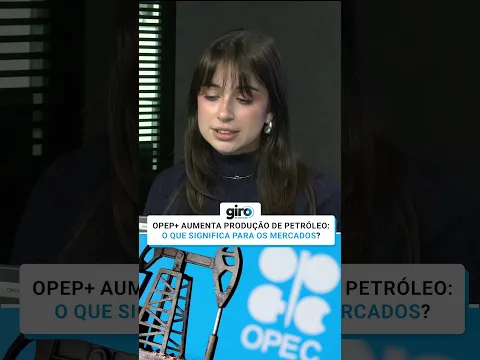

However, in November, the group decided to pause new increases during the months of January, February, and March. This measure was interpreted as an attempt to contain downward pressure on prices and preserve market stability.
Political Tensions Should Not Interfere With Negotiations
Alongside the technical discussions, the geopolitical context draws attention. Relations between Saudi Arabia and the United Arab Emirates deteriorated last month after a group aligned with the Emirates took control of territory in southern Yemen, previously managed by Saudi-backed forces.
Still, sources from OPEC+ assert that, so far, there are no signs that the dispute will affect negotiations concerning oil. Historically, the organization has prioritized market management, even during significant conflicts among its members.
Conflict in Yemen and OPEC’s History of Cohesion
OPEC has faced deep divisions in the past, such as during the Iran-Iraq War, without compromising its cohesion. This history reinforces the expectation that political issues will be kept out of decisions regarding oil production.
Recently, the United Arab Emirates announced the withdrawal of its remaining forces from Yemen after Saudi Arabia supported a request for the troops to leave the country within 24 hours. This represents one of the most significant public divergences between the two Gulf producers.
Meanwhile, the Yemeni government, supported by the Saudis, launched what it called a “peaceful operation” to retake military positions from southern separatists. In response, groups aligned with the Emirates stated that “seven Saudi airstrikes had occurred since the declaration.”






-

Uma pessoa reagiu a isso.