





 Portuguese
  English
  Spanish
  4 min of reading
  3 comments


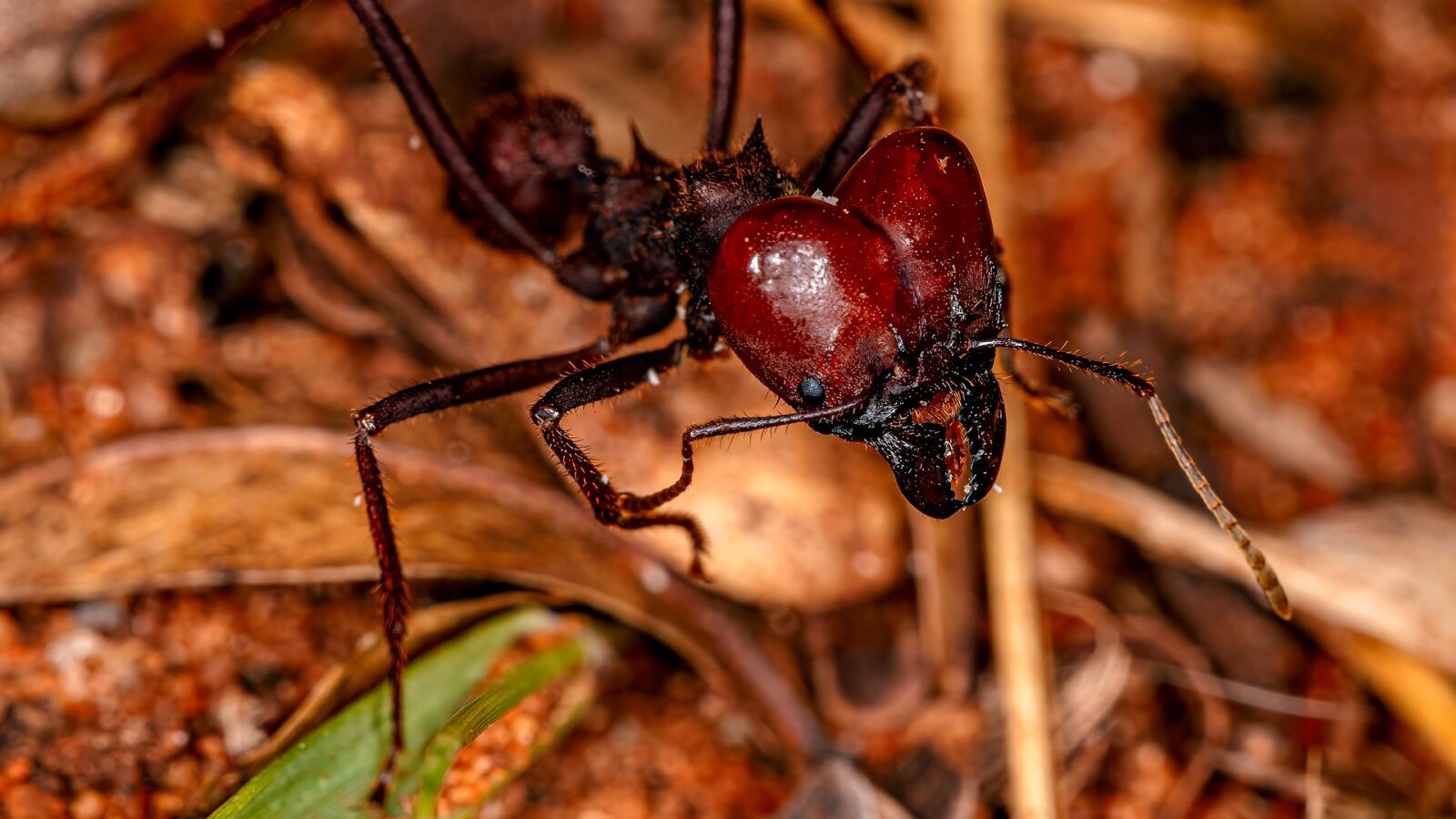


Seen As Pests, Leaf-Cutter Ants Function As Soil Engineers That Enrich Nutrients, Store Carbon, And Help Restore Degraded Landscapes.
For over a century, the image of leaf-cutter ants (from the genera Atta and Acromyrmex) has been associated with “enemies of crops.” Brazilian agricultural research from the early 20th century already denounced their impact on the cultivation of sugarcane, citrus, and pastures. However, since the 1990s, ecologists and biogeochemists have begun to reevaluate these species from another perspective, not as vectors of harm, but as ecosystem engineers capable of reshaping the soil, altering the nutrient cycle, and favoring the return of native vegetation.
This change in perspective did not come out of nowhere: it is supported by long-term studies in the Cerrado, the Amazon, and African savannas, showing that leaf-cutters modify the soil more profoundly than many burrowing mammals, influencing carbon, soil microorganisms, and physical structure.
Tunnels, Fungal Cultivation, And Bioturbation: The Subterranean Engine Of Restoration
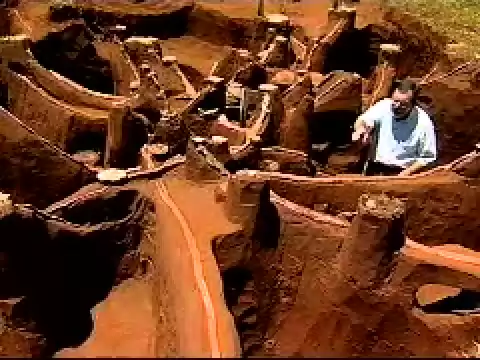

What sets leaf-cutters apart from most insects is that they do not just remove leaves — they build underground cities that can exceed:
-
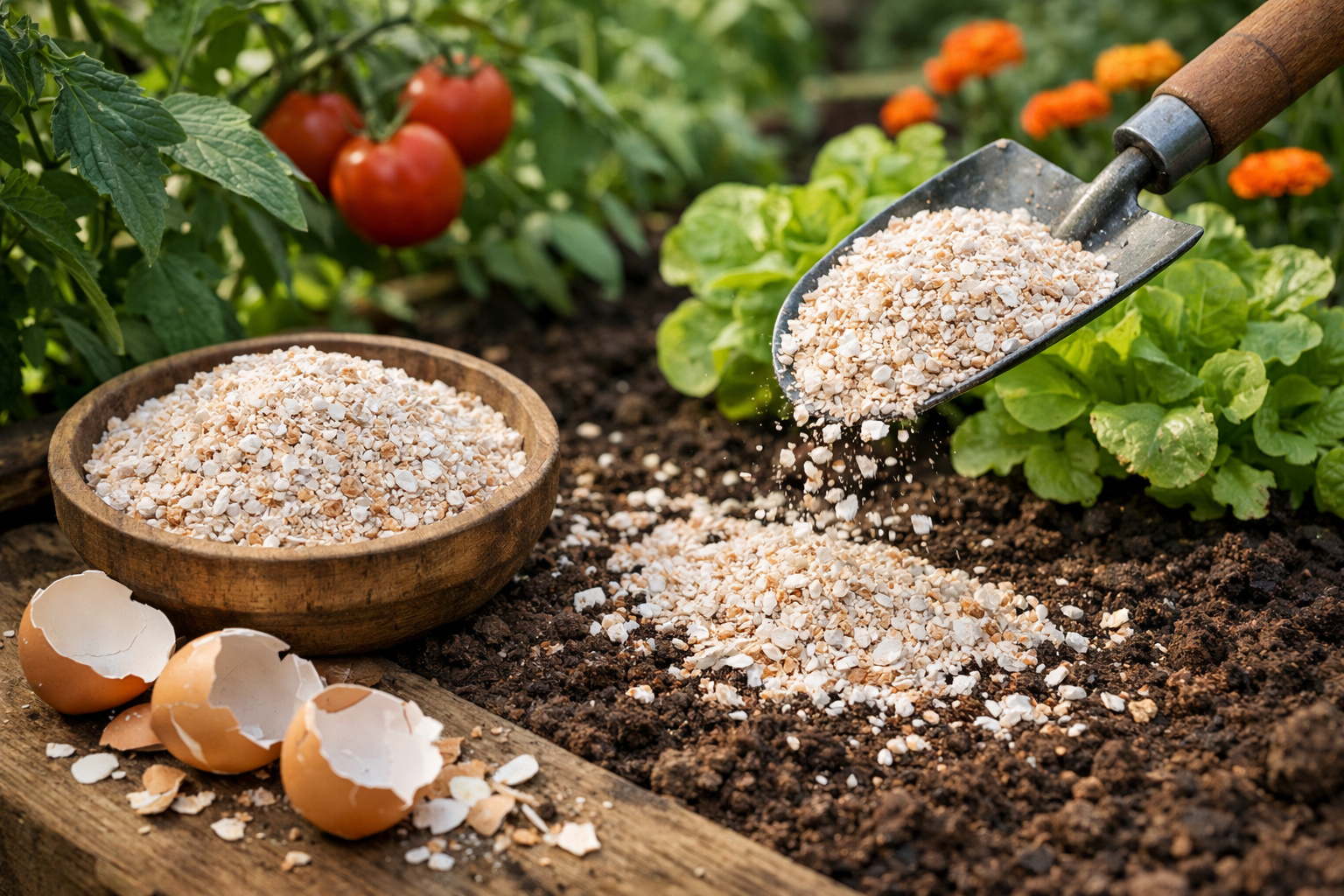
The eggshell that almost everyone throws away is made up of about 95% calcium carbonate and can help enrich the soil when crushed, slowly releasing nutrients and being reused in home gardens and vegetable patches.
-
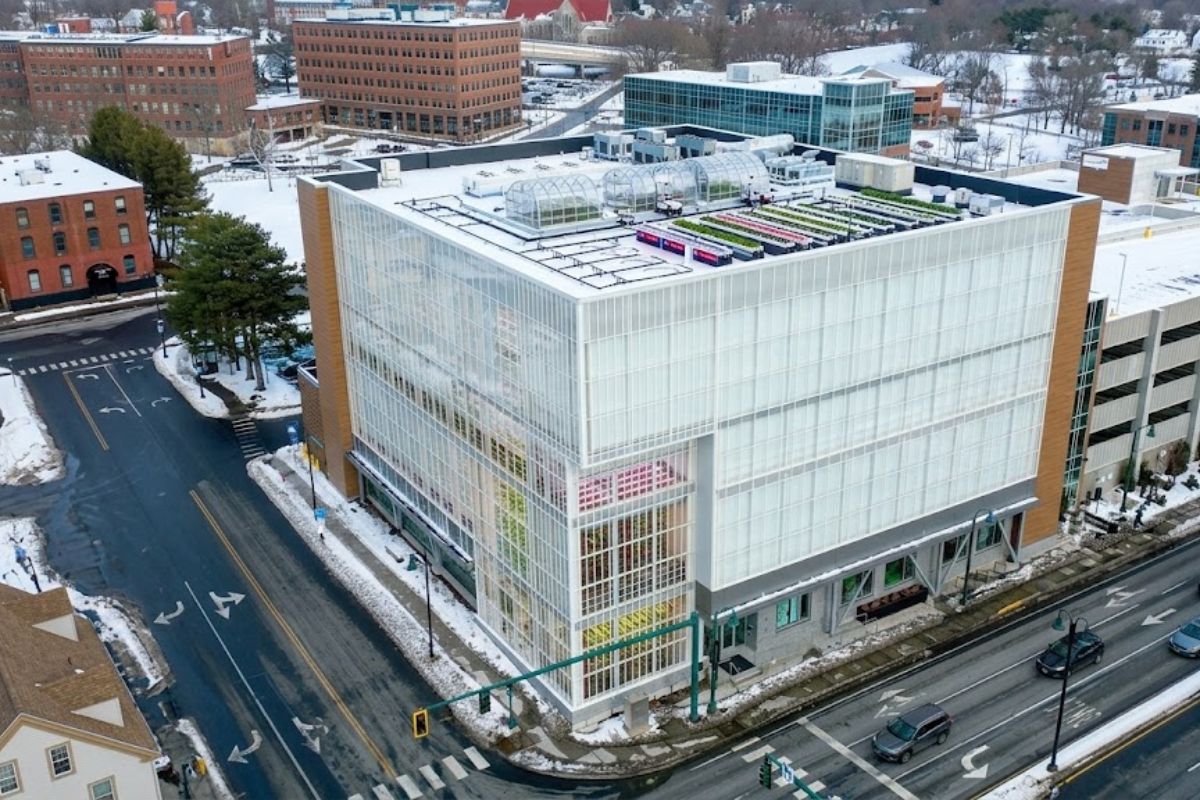
This farm in the United States does not use sunlight, does not use soil, and produces 500 times more food per square meter than traditional agriculture: the secret lies in 42,000 LEDs, hydroponics, and a system that recycles even the heat from the lamps.
-
The water that almost everyone throws away after cooking potatoes carries nutrients released during the preparation and can be reused to help in the development of plants when used correctly at the base of gardens and pots, at no additional cost and without changing the routine.
-
The sea water temperature rose from 28 to 34 degrees in Santa Catarina and killed up to 90% of the oysters: producers who planted over 1 million seeds lost practically everything and say that if it happens again, production is doomed to end.


- 50 m in total diameter,
- 6–8 m in depth,
- hundreds of interconnected chambers through tunnels.
These structures have been described in detail by Brazilian researchers from Unesp and UFSCar in surveys conducted in the Cerrado, showing that each nest can move over 40 tons of soil over its lifetime, a phenomenon known as bioturbation.
Inside the chambers, leaf-cutters cultivate symbiotic fungi (Leucoagaricus gongylophorus) using shredded leaves as substrate. This system of subterranean fungal cultivation is so efficient that several studies (such as those published in Science and PNAS) consider leaf-cutters to be the only well-established case of complex non-human agriculture in nature.
When these colonies are abandoned, what remains is soil with:
- more organic matter,
- higher moisture,
- greater porosity,
- higher concentration of nutrients such as potassium, calcium, and magnesium.
This is exactly what a degraded area lacks.
Carbon In The Subterranean: The Invisible Effect On Climate
One of the most important findings in recent years is that leaf-cutters influence carbon storage in the soil. Research conducted in the Amazon and Cerrado, cited in journals like Biotropica and Journal of Tropical Ecology, identified that the nests display:
- higher levels of organic carbon,
- more stable soil aggregates,
- a more diverse microbiota.
Why?

Because fungal cultivation breaks and reorganizes plant material, while bioturbation mixes soil layers and injects carbon deeper, where decomposition is slower. This mechanism reduces CO₂ release and creates pockets of stable carbon, a crucial factor for restoration and climate mitigation policies.
In the Cerrado — one of the hottest and oldest biomes in the world — studies suggest that the islands of fertility created by leaf-cutters function as starting points for forest regeneration in degraded fields.
When The “Pest” Becomes The Architect Of Plant Regeneration
In regions where degraded pastures and sandy soils dominate, leaf-cutter nests become islands of fertility, facilitating the germination and growth of more demanding plants. Researchers have noted that many pioneer shrubs tend to grow preferentially near abandoned nests.
This has been observed:
- in the Brazilian Cerrado, in areas of abandoned pasture,
- in the Amazon, after selective logging,
- in the African savannas, where species of Acromyrmex enrich the soil.
The ecological logic is clear: where there are nutrients, there are plants; where there are plants, there is shade, microbes, dispersers, and, ultimately, the return of the ecosystem.
In other words: the leaf predator becomes a facilitator of forests.
Ecological Engineering Through Time
To understand the scale of the transformation, it is useful to compare it with another already famous case: beavers in North America, now recognized as “ecosystem engineers” for creating dams and wetlands. In the case of leaf-cutters, the engineering is not hydraulic; it is edaphic (related to soil).
The outcome, however, points in the same direction: to modify the environment in a lasting way.
This raises an important question: if building mammals shape rivers and lakes, why wouldn’t building insects shape soils?
Agriculture, Control, And Restoration: The Balance Point
No serious ecologist advocates that leaf-cutters should be “released in crops.” They do cause damage in intensive agriculture, especially:
- forestry (eucalyptus),
- citrus,
- sugarcane,
- pastures.
The point is different: to recognize that a species can be a pest in one context and a key player in restoration in another.
Today, ecological restoration programs already consider the presence of leaf-cutters as:
- an indicator of living soil,
- a sign of subterranean fertility,
- a biogeochemical cycling agent.

This is well documented in research on ecological restoration funded by Brazilian, American, and African institutions.
What Does This Change For The Future?
Three scientific trends stand out:
Process-Based Restoration
Restoring an ecosystem is not just about planting trees — it is reactivating subterranean processes that support nutrients, water, and carbon.
Soil Rewilding
The debate over rewilding (reintroducing ecological functions) is reaching the subsoil, and leaf-cutter ants are at the center of this discussion in tropical biomes.
Invisible Climate Value
Tropical soil carbon is immense but underestimated. Leaf-cutters help explain where this carbon is and how it is maintained.
Leaf-cutting ants will not cease to be a problem for farmers — and they don’t need to. But at the same time, ignoring their role as subterranean engineers distorts our understanding of tropical ecosystems.
They:
- move soil,
- enrich nutrients,
- store carbon,
- facilitate vegetation,
- reorganize microbiotas,
- build structures that last for decades.
In other words: they are agricultural pests and environmental restorers at the same time, depending on the context, and few species on the planet carry such strong duality.









Nasci na roça, cresci na roça, e combato essas formigas minha vida toda até hoje , e agora pesquisadores vem com essa conversa de q as formigas fazem bem pro meio ambiente, falaram um monte coisa verdadeira sobre as formigas , tipo aumento de matéria orgânica no solo , etc , dizem q elas são ótimas para recuperar áreas degradadas , mas só se esqueceram de uma coisinha um pequeno detalhe ,”essas formigas dependem de vegetação para sobreviver , em uma área degradada elas não sobrevivem ” , uma coisa é estudar as formigas dentro de ambientes controlados, outra é na natureza , e na natureza elas são concorrentes dos humanos e dos animais q o ser humano cria pra seu sustento, essa febre ecológica cega os pesquisadores e promovem a desinformação da população, levando as pessoas q vão ao supermercado todo dia comprar alimentos, a serem contra as pessoas que produzem os alimentos que estão lá no mercado .
A preservação da qualidade do feijão em tempos passados poderia ser feitas fazendo uma mistura de terra solta superficial dos formigueiros(saúvas limão, mata pasto,etc…) com os grãos secos (mistura uma parte de terra seca e outra parte dos grãos secos) está mistura guardada em recipientes secos e ventilados), preserva a qualidade do grão para alimentação humana e para futuros plantios já que não endureciam a casca e preserva o poder germinativo em 100% dos grãos. O interessante é que não usavam química pesada,pois o feromônio existente na terra de formigueiro faziam a função.
Também acho que o fungo cultivadopelas formigas cortadeiras têm ação benéficas para o solo. Deveriam estudar mais este tipo de fungo. Além disto estas formigas devem ter alguma substância que impede que outros fungos cresçam e talvez deve ter ação bactericida.