





 Portuguese
  English
  Spanish
  5 min of reading
  1 comment


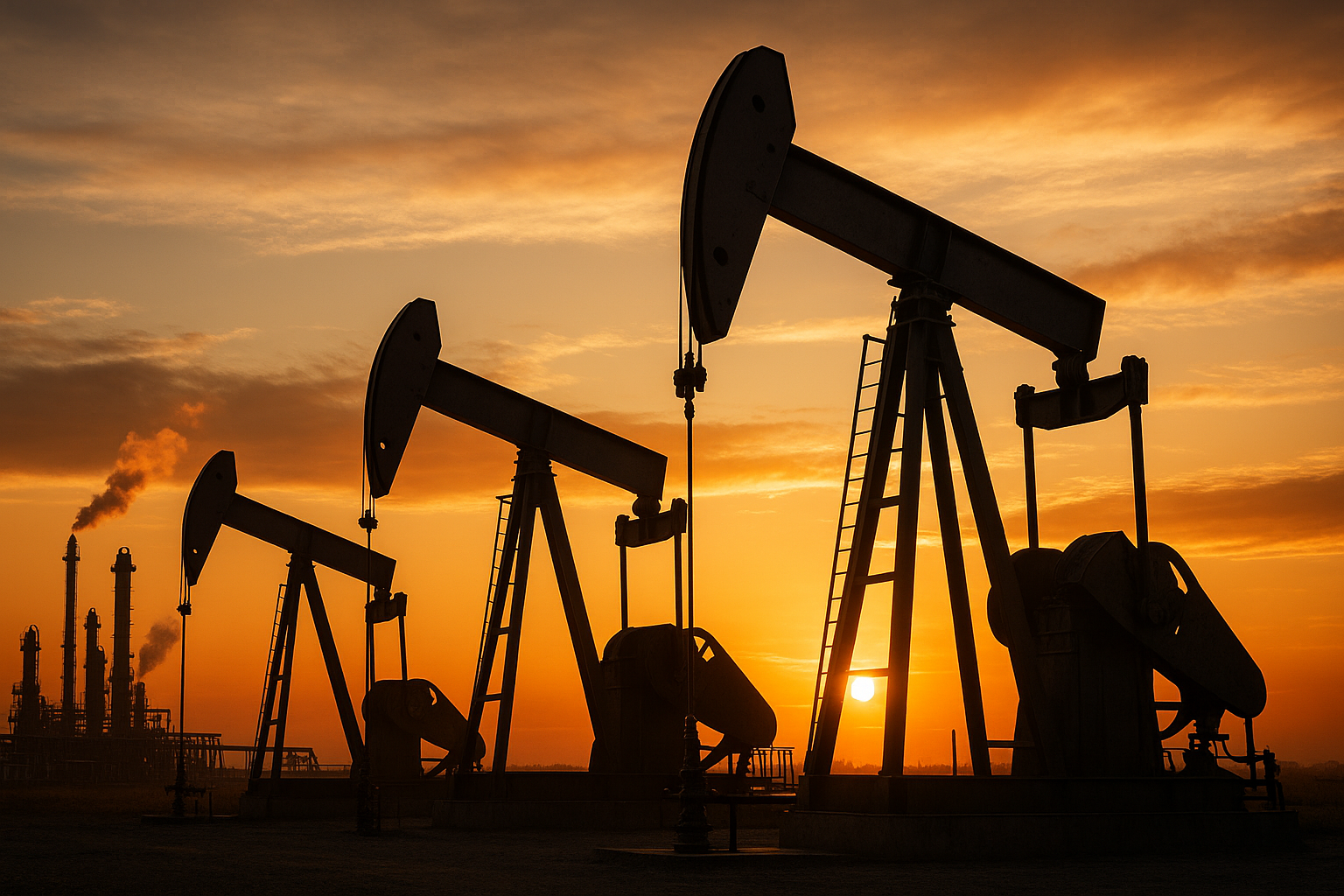

Discover How Oil And Gas Strategies Evolved Over Time And Continue To Impact The Economy, Geopolitics, And The Future Of Energy Worldwide.
The oil and gas industry is therefore one of the most strategic and influential in the world.
Since the early 20th century, these energy resources have played a central role not only in energy generation but also in international relations, the global economy, and the social transformations of countries.
Over the decades, oil and gas strategies have adapted to new scenarios, shaping political, environmental, and economic decisions.
-
A major turn in the Justice system suspends tax increases and directly impacts oil and gas companies in Brazil by affecting costs, contracts, and financial planning, leaving uncertain what could happen to the sector if these costs had increased.

-
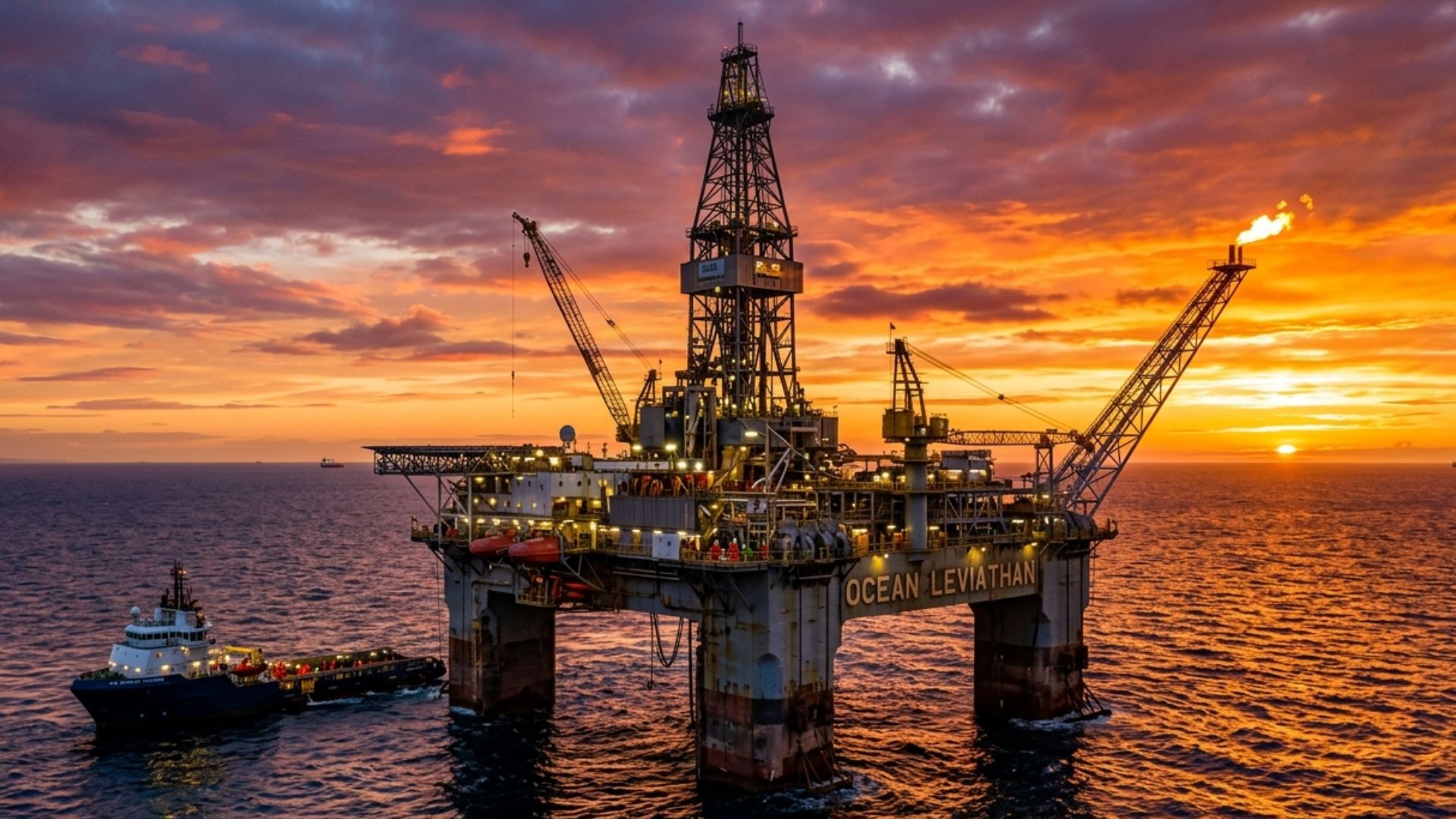
Brava Energia begins drilling in Papa-Terra and Atlanta and could change the game by reducing costs in oil while increasing production and strengthening competitiveness in the offshore market.
-
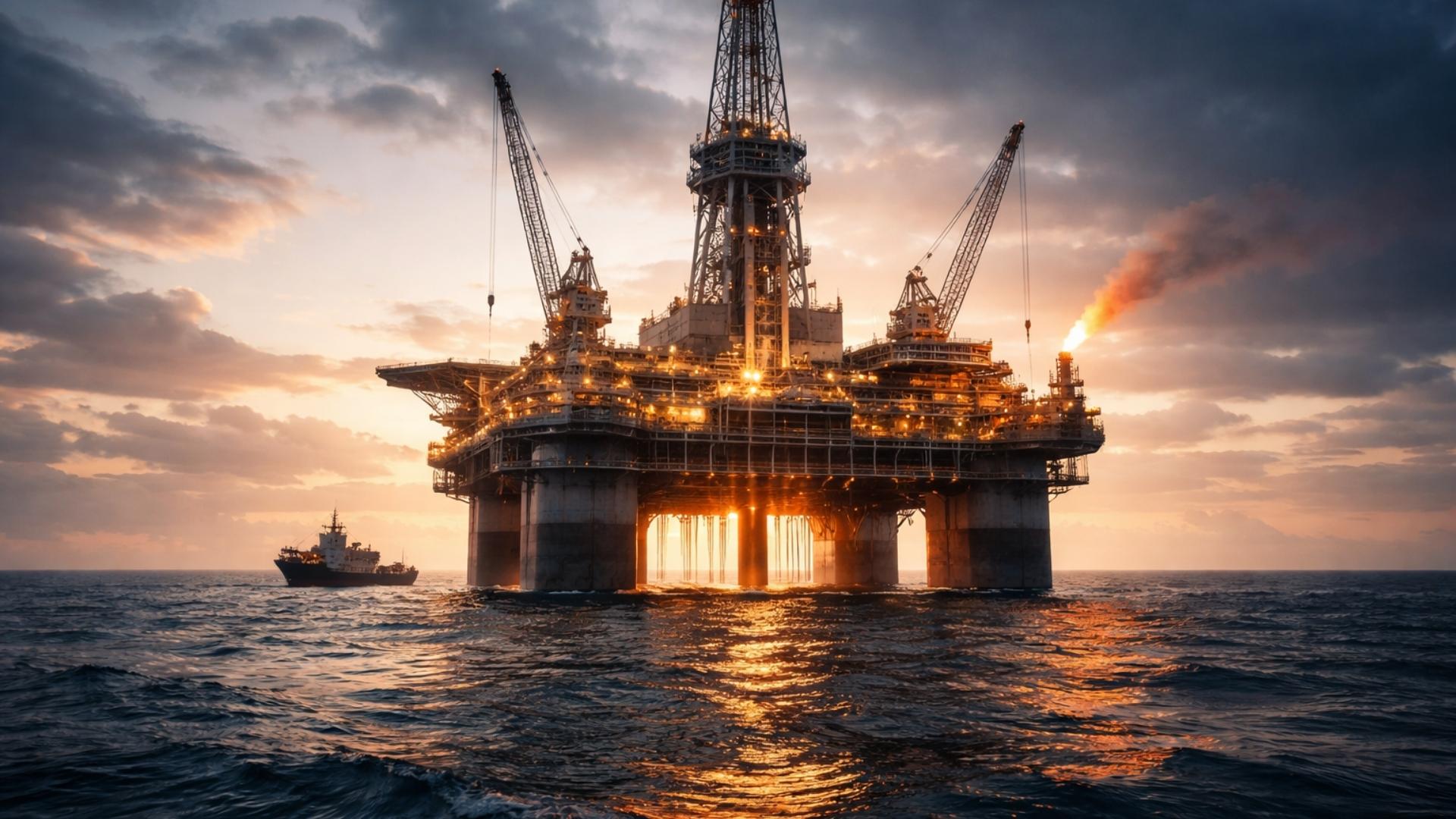
Petrobras surprises the world again by announcing a new discovery in the pre-salt with excellent quality oil.
-
Offshore industrial demand in Macaé skyrockets with the recovery of oil and gas and could grow by up to 396% by 2026 in the Campos Basin.

According to the International Energy Agency (IEA, 2023), oil and natural gas account for over 50% of global energy consumption to this day, highlighting their continued importance in the global energy mix.
Thus, understanding these strategies is essential to comprehend the workings of a sector that still drives the world, even amidst the growing search for renewable energy sources.
In this article, we will explore how these strategies emerged, how they evolved over time, and finally, what factors influence their decisions today.
The Beginning Of The Oil Era As A Strategic Resource
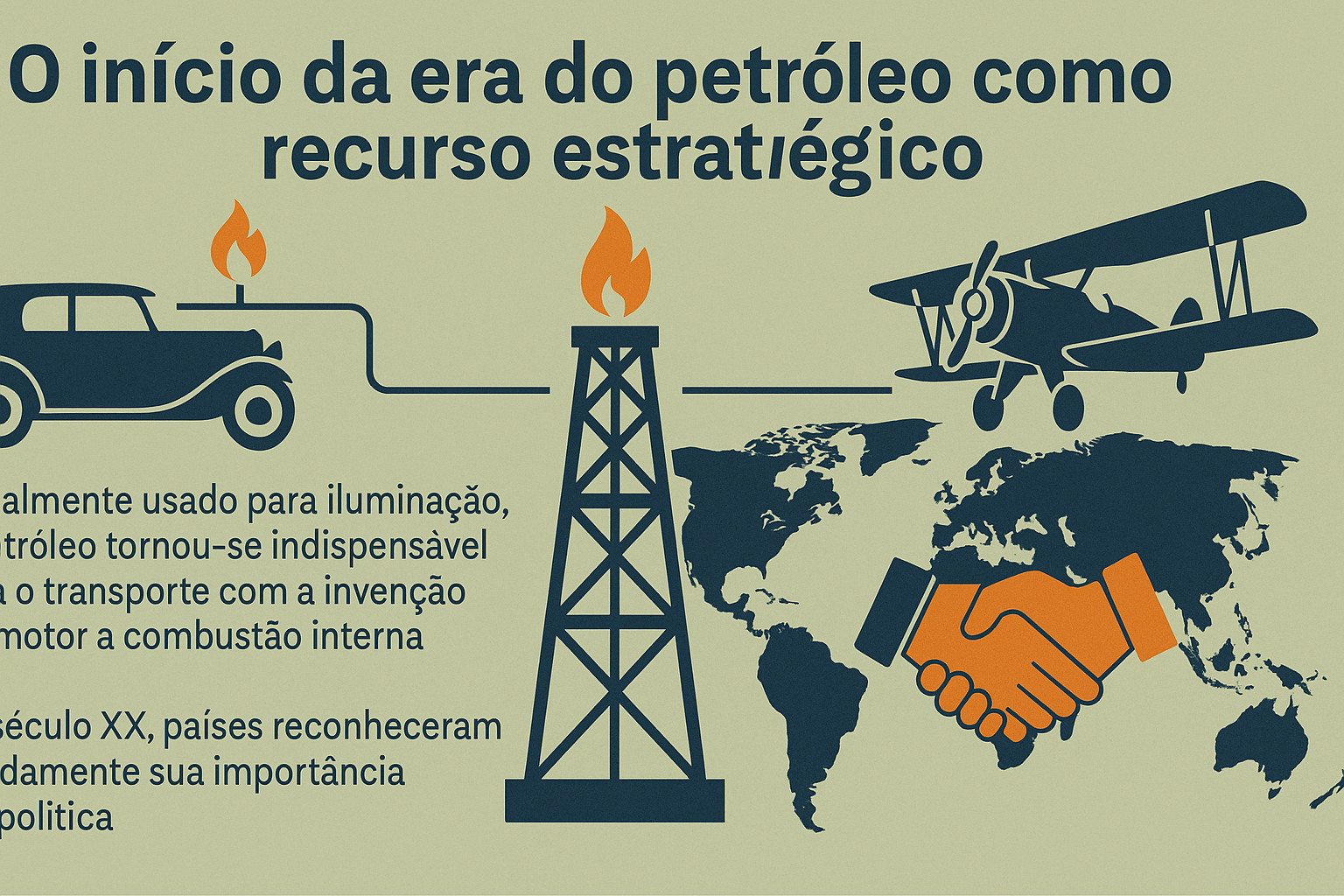
Oil began to be regarded as an essential energy source with the advancement of industrialization. Initially, its main function was lighting.
However, the invention of the internal combustion engine made oil indispensable for transportation, especially with the popularization of automobiles and airplanes.
Natural gas, for its part, gained relevance as a cleaner alternative to coal.
According to the U.S. Department of Energy (DOE, 2022), commercial oil production began in the 19th century, with the first well drilled in 1859 by American Edwin Drake.
By the early 20th century, countries like the United States, the United Kingdom, and later the Soviet Union quickly recognized the strategic importance of these resources.
Thus, control over oil fields began to offer a geopolitical advantage. This often determined the course of wars and alliances.
During World War I (1914-1918) and World War II (1939-1945), the supply of oil was decisive for the military performance of the nations involved.
Therefore, energy policies and exploration and refining strategies were intensified. Major multinational companies dominated the sector, such as Standard Oil, founded by John D. Rockefeller, Royal Dutch Shell, and Total.
In this context, the search for new reservoirs expanded the industry into regions such as the Middle East, Latin America, and Africa. Thus, the discovery of large fields in locations like the Persian Gulf increased the strategic importance of these territories.
They became the target of intense political and economic competition. According to the Organization of the Petroleum Exporting Countries (OPEC, 2024), the Gulf region holds about 48% of the world’s proven oil reserves.
Corporate Strategies And The Role Of State-Owned Companies
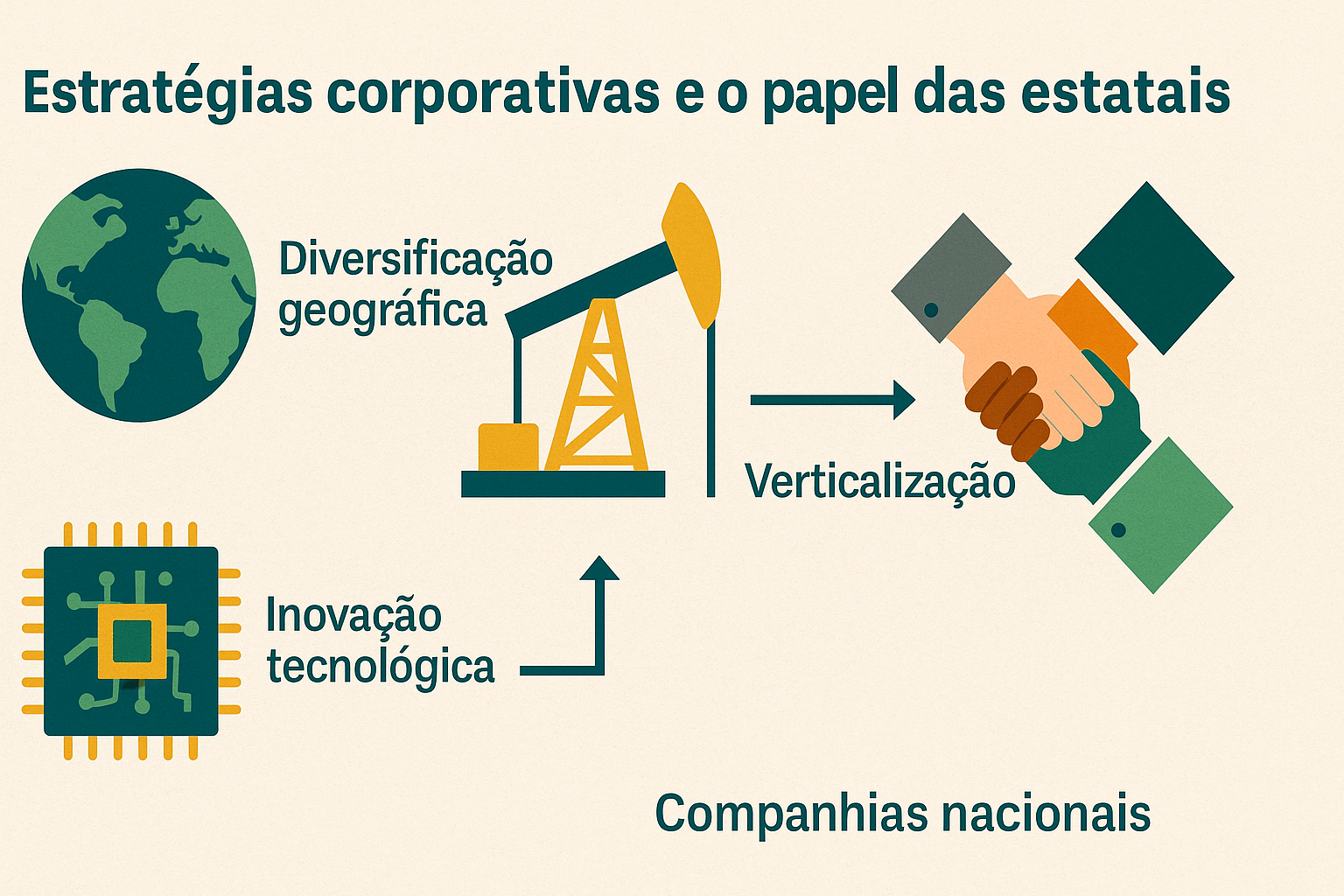
Over the decades, companies in the sector have developed complex strategies to ensure competitiveness and survival.
Among them are geographic diversification of operations, vertical integration (control from extraction to distribution), and investments in technological innovation to reach new reservoirs.
For example, deep water exploration only became feasible thanks to advances in sophisticated technologies.
The Brazilian pre-salt is an emblematic case: its exploration required large investments but placed Brazil among the major global producers.
According to the National Agency of Petroleum, Natural Gas, and Biofuels (ANP, 2024), the pre-salt currently accounts for over 70% of national oil production, demonstrating the success of this strategy.
Another important point was the creation and strengthening of national companies for countries to maintain greater control over their resources, such as Petrobras in Brazil, Saudi Aramco in Saudi Arabia, and PDVSA in Venezuela.
Furthermore, these companies diversified their businesses by investing in petrochemicals, distribution, and even renewable energies, to ensure financial and environmental sustainability in the long term.
This shift reflects the evolution of strategies, which previously focused exclusively on the extraction and commercialization of crude oil.
Technological development has also improved production efficiency, operational safety, and reduced environmental impacts.
Thus, digital tools and artificial intelligence have come to optimize exploration and monitor risks, raising the standard of the industry.
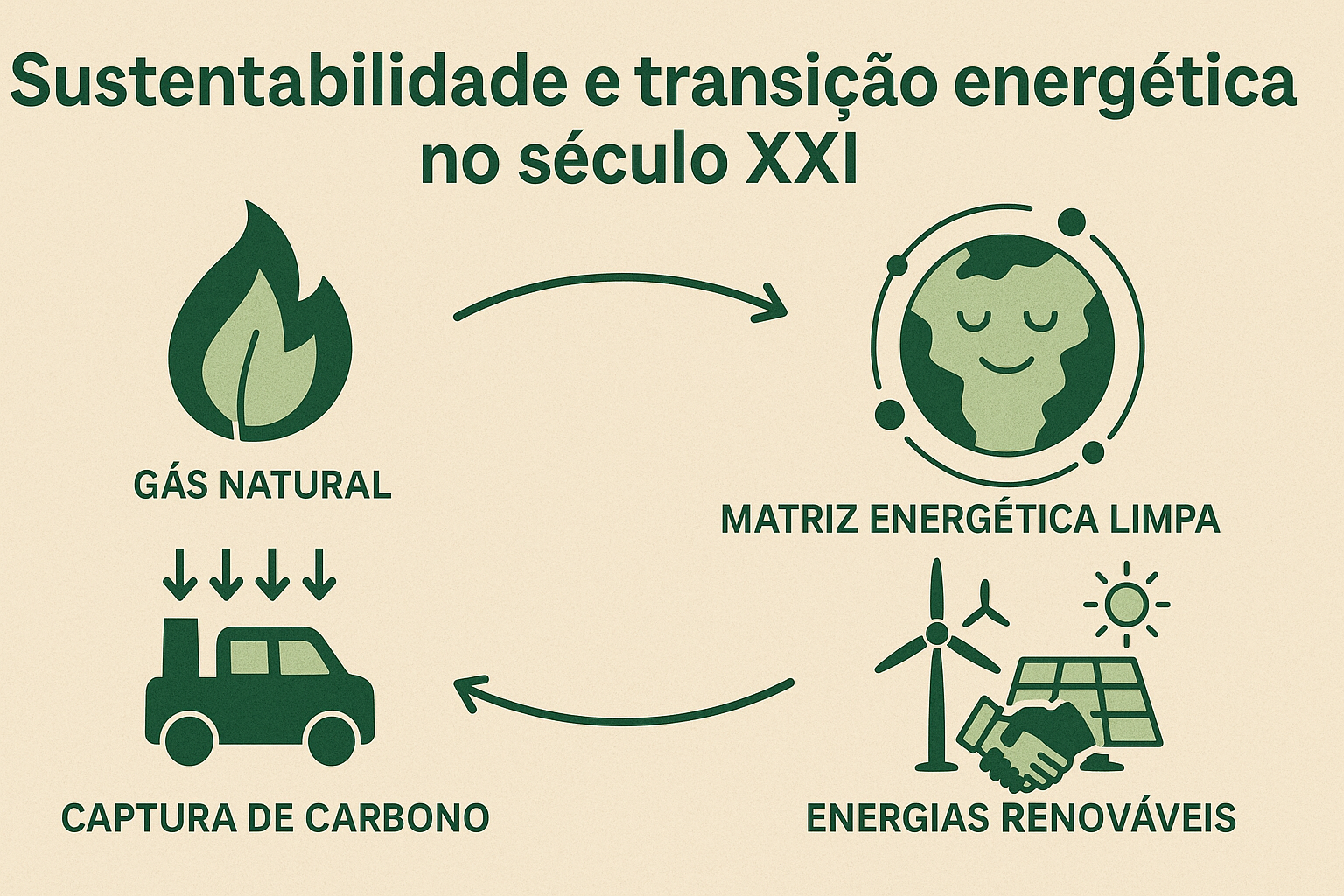
Sustainability And Energy Transition In The 21st Century
Starting in the 1990s, the growing global concern over climate change began to influence oil and gas strategies.
The Kyoto Protocol, adopted in 1997 by the United Nations, and the Paris Agreement, signed in 2015, established targets for reducing greenhouse gas emissions.
This pressured the sector to seek more sustainable solutions. Consequently, the exploration of natural gas, which emits less CO₂ than oil and coal, became an option for transition.
Additionally, companies began to invest in renewable energies, energy efficiency, and carbon capture.
Today, many countries are formulating their energy strategies considering the concept of “clean energy matrix”, which prioritizes sources like solar, wind, and green hydrogen.
However, oil and gas remain necessary, especially in sectors like aviation, maritime transport, and heavy industries, where replacement is more challenging.
According to the Intergovernmental Panel on Climate Change (IPCC, 2023), the energy transition must occur gradually to ensure energy security and avoid severe economic impacts.
Consequently, the sector’s effort to reduce environmental impacts stands out, controlling leaks and treating waste. The debate about the future of workers in the industry is also gaining traction, as they need to qualify for the new challenges of the green economy.
In this context, the energy transition does not signify the end of oil, but rather its coexistence with other sources. The aim is to balance economic development and environmental preservation.
Oil And Gas Strategies: Innovation, Geopolitics, And Security In The Current Scenario
In the 21st century, new elements began to compose oil and gas strategies. Geopolitics remains decisive, as demonstrated by conflicts in the Middle East, economic sanctions against Russia, and disputes in the South China Sea.
Thus, access to energy resources remains a cause of international tension.
Moreover, energy security has become a central concern. Consequently, countries are seeking to reduce external dependence, increase domestic production, and diversify suppliers.
The COVID-19 pandemic (2020-2022) and the war in Ukraine (initiated in 2022) highlighted the vulnerability of global supply chains, encouraging policies of stocking and energy independence.
Technological innovation has become a pillar of current strategies. Thus, the digitalization of the industry—through artificial intelligence, big data, automation, and real-time monitoring—has increased efficiency, reduced costs, and elevated operational safety.
New technologies for carbon capture and storage (CCS) and the development of hydrogen as fuel demonstrate that the sector is preparing for a future with drastically reduced emissions.
Finally, international cooperation will be increasingly necessary to ensure stability in the energy market and facilitate the global energy transition.









Parabéns pela matéria. Sugerimos prosseguir com outras correlatas, por exemplo, como funcionam as plataformas de extração, como é trasportado o petróleo e o gás natural, como é a logística de abastecimento de regiões desprovidas de extração e/ou refino por perto, como está o projeto de expansão do gasoduto da Bolívia, entre outros: o assunto é amplo.