





 Portuguese
  English
  Spanish
  4 min of reading



The Year 2025 Brought a Clear Portrait of the Transformations Underway in the Oil and Gas Sector. Although the Segment Remains Strategic for Latin American Economies, Financial Results Showed That The Market Has Begun to Differentiate More Rigorously Between Business Models, Exposure to Risks, and Adaptive Capacity.
In this context, the balance sheet released by Bradesco BBI helps to understand who won, who lost, and what bets should guide 2026.
According to the bank’s research team, 2025 was a very positive year for companies considered “less commoditized” within BBI’s coverage. On the other hand, the performance of oil was weak, a result that, according to the analysis, the market had been anticipating throughout the year.
This contrast reflects structural changes. The sector stopped reacting solely to the international price of oil and began to value companies with more predictable revenues, vertical integration, and less direct dependence on commodity volatility.
-
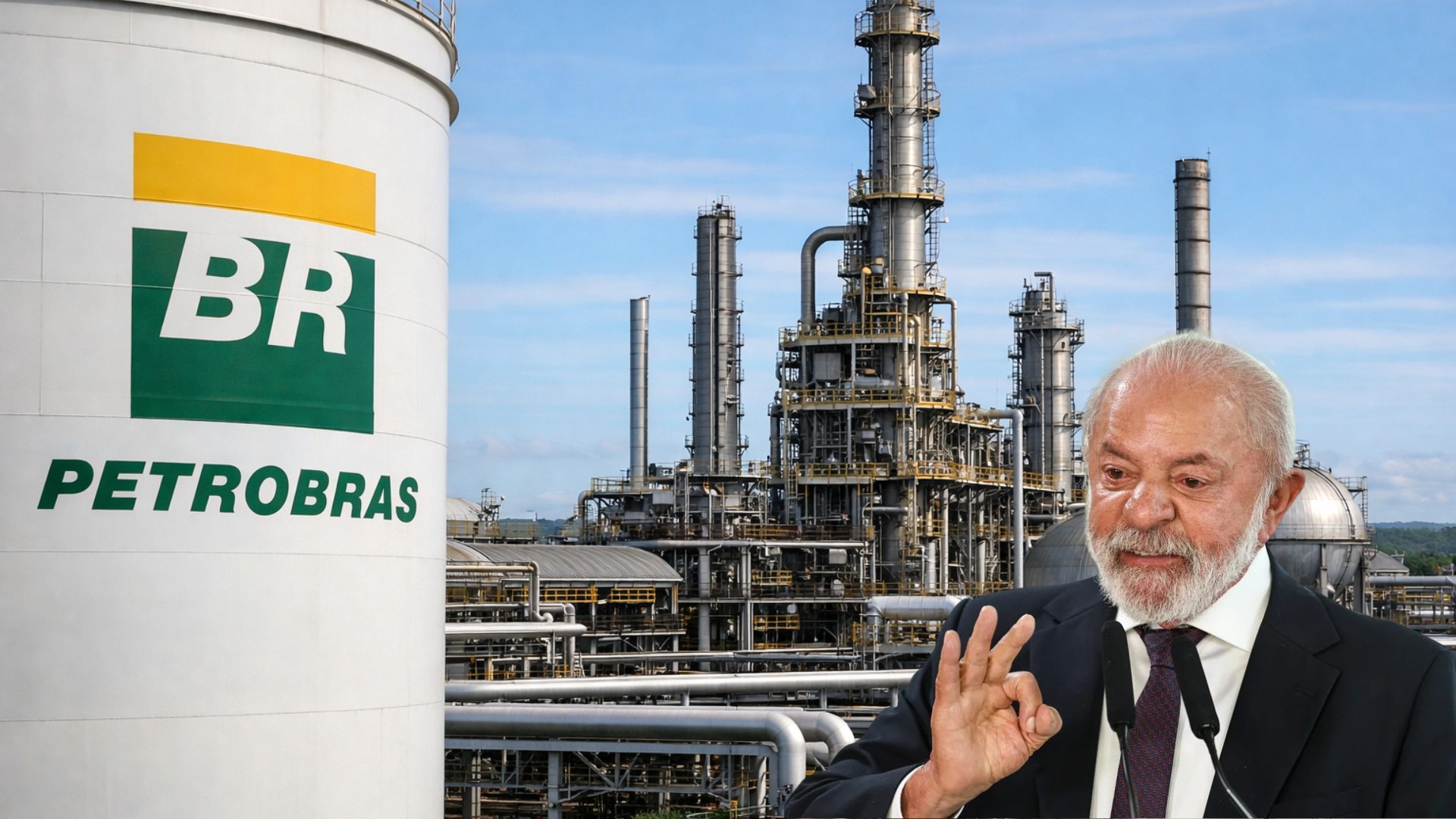
Lula reveals a masterstroke by Petrobras to undo a deal made by Bolsonaro, which involves the return of an important refinery that currently produces less than half of what was expected and makes Brazil dependent on international diesel.
-
A study confirms that the natural gas sector will reduce greenhouse gas emissions in Brazil by 0.5% and accelerate the energy transition by 2026.

-
Petrobras implements a severe adjustment and confirms a 55% increase in the price of aviation kerosene with a proposal for installment payments for the companies.

-
The rise in oil prices could ensure an extra revenue of R$ 100 billion for the Federal Government, indicates a recent economic study.


Oil and Gas and the Historical Legacy of Volatility
Historically, the oil and gas sector has always been subject to intense cycles. From the oil shocks of the 1970s to the shale boom in the United States and recent geopolitical crises, volatility has become a structural characteristic of the sector.
In 2025, this pattern remained. Even with persistent geopolitical tensions and occasional spikes in prices, oil could not sustain consistent performance. According to Bradesco BBI, factors such as oversupply at certain times, moderate economic growth, and demand adjustments limited the potential for appreciation of companies more exposed to the price of oil.
Thus, companies heavily dependent on oil felt the effects of this scenario more intensely. Predictability, increasingly valued by investors, became a competitive differentiator.

Less Commoditized Companies Gain Ground
While oil showed weak performance, less commoditized companies stood out. According to Bradesco BBI, this group includes companies with greater revenue diversification, presence in regulated segments, logistics, distribution, or integration with natural gas and energy.
These companies managed to navigate 2025 with greater financial stability. Lower direct exposure to fluctuations in the international price of oil reduced risks and increased the attractiveness of their stocks. Additionally, more resilient business models allowed for better investment planning and margin protection.
This movement reinforces a trend observed in recent years. Investors have begun to favor companies capable of generating cash consistently, even in adverse environments. In the oil and gas sector, this means less exclusive dependence on the commodity.
Oil, Expectations, and Market Anticipation
According to BBI’s analysis, the weak performance of oil in 2025 did not surprise the market. A significant part of this scenario was already priced in, reflecting expectations of global economic slowdown and adjustments in the production policies of major exporters.
Moreover, the advancement of the energy transition, though gradual, influenced investor appetite. Even though oil remains essential for the global economy, the market has begun to demand more clarity on long-term strategies, operational efficiency, and capital discipline.
In this context, companies that did not present clear plans to cope with downturn cycles or to diversify their operations faced greater pressure on their assets.
Bradesco BBI’s Bets for 2026
Looking ahead to 2026, Bradesco BBI indicates that the oil and gas sector will continue to be marked by selectivity. The market’s focus is expected to remain on companies with lower result volatility, strong cash generation, and the ability to navigate adverse scenarios.
Additionally, the bank highlights that natural gas is likely to gain strategic relevance. In many countries, gas acts as a transition fuel, offering lower carbon intensity compared to oil and coal. Companies well-positioned in this segment may benefit from increased demand and regulatory stability.
Another important driver involves efficiency and governance. According to industry analysts, companies that maintain cost control, disciplined investments, and transparency tend to stand out in 2026, regardless of the behavior of oil prices.
Oil and Gas in a New Market Cycle
Looking at the 2025 balance sheet, it is clear that the oil and gas sector entered a new stage. Performance has ceased to depend solely on the barrel and has begun to reflect strategic choices. Companies better prepared to handle volatility and structural changes have managed to differentiate themselves.
Thus, Bradesco BBI’s balance sheet reinforces a central message: in the oil and gas sector, adaptation has ceased to be optional and has become crucial for creating long-term value.








Seja o primeiro a reagir!