





 Portuguese
  English
  Spanish
  5 min of reading
  0 comments


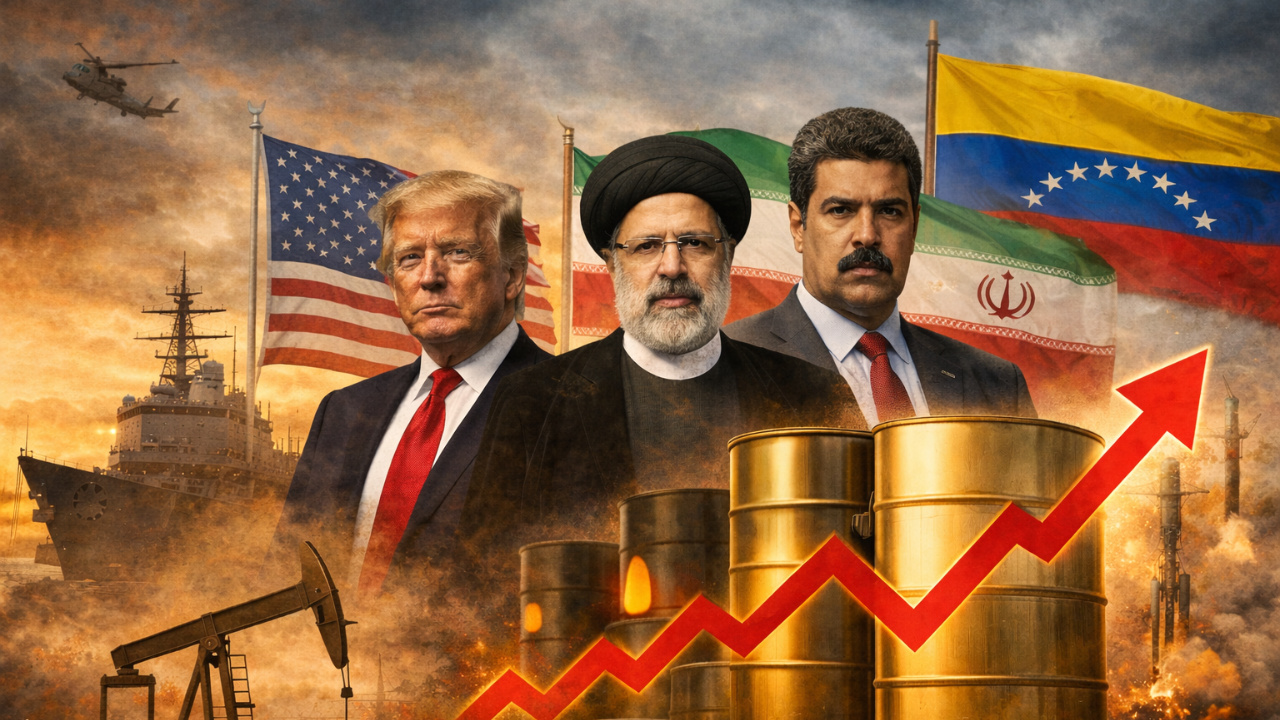
U.S. Military Movements, Donald Trump’s Remarks, and Uncertainties About Venezuela Cause Oil Prices to Soar Amid Increased Risk Premium and Global Volatility.
The international oil market returned to operate under strong geopolitical pressure after an explosive combination of military decisions, political speeches, and diplomatic impasses reignited the so-called “risk premium.”
Investors, traders, and governments have begun to observe every move the United States makes in the Middle East and every phrase from Donald Trump as potential triggers capable of pushing barrel prices up or down within hours.
At the same time, Venezuela has re-entered the radar as an unpredictable variable, adding even more noise to a market already sensitive to any threat of supply disruption.
-
Petrobras evaluates suspension of sales to distributors and considers canceling the cooking gas auction following guidelines from the Federal Government.
-
Lula reveals a masterstroke by Petrobras to undo a deal made by Bolsonaro, which involves the return of an important refinery that currently produces less than half of what was expected and makes Brazil dependent on international diesel.
-
A study confirms that the natural gas sector will reduce greenhouse gas emissions in Brazil by 0.5% and accelerate the energy transition by 2026.

-
Petrobras implements a severe adjustment and confirms a 55% increase in the price of aviation kerosene with a proposal for installment payments for the companies.


Military Movements Reignite Fear in Oil Markets
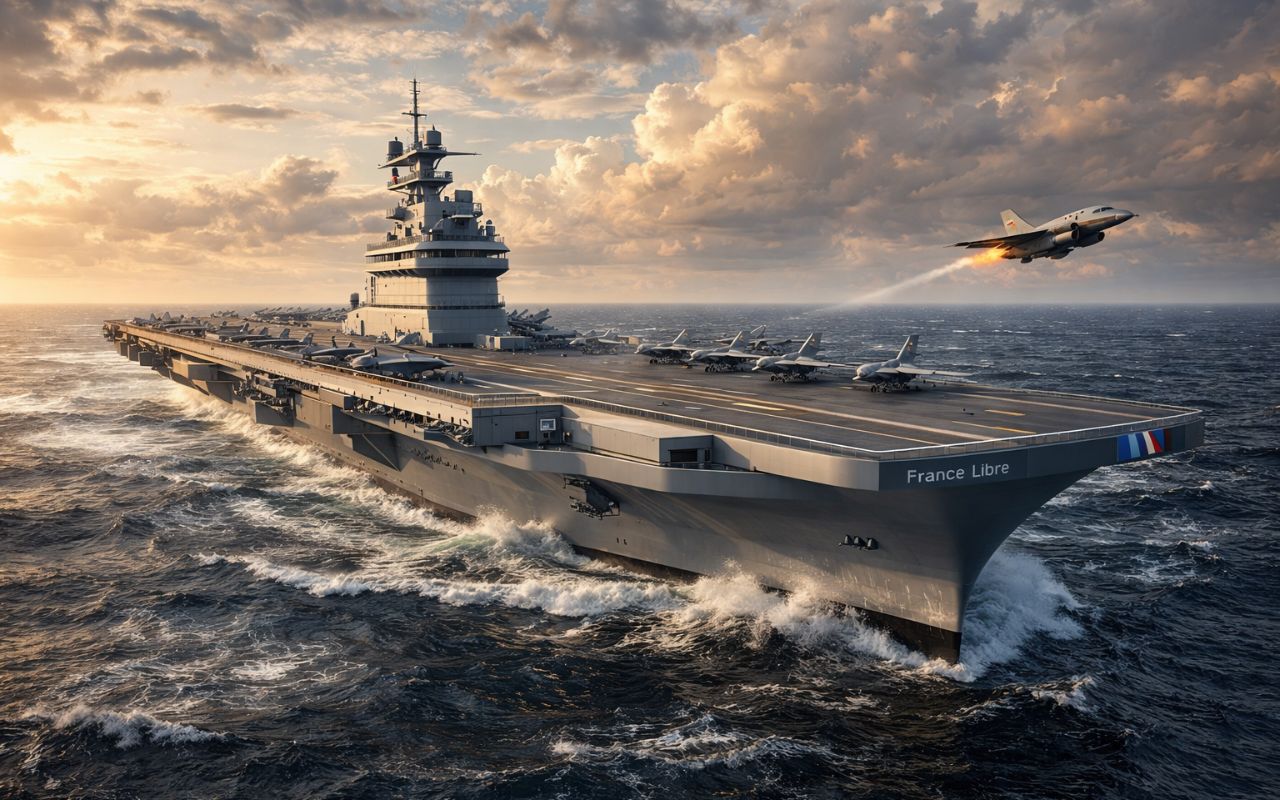
The recent movement of the U.S. naval fleet in the Middle East was the spark for this new round of tension in Brent oil. Authorities confirmed the entry of a U.S. aircraft carrier into the region, accompanied by clear signs of military reinforcement under the command of CENTCOM, the Central Command of the U.S. armed forces.
In practice, this type of displacement does not immediately reduce the number of barrels available in the market. However, it changes something even more powerful: the perception of risk.
With warships circulating close to the Persian Gulf and the Strait of Hormuz, operators begin to recalculate the probability of incidents, logistical failures, increased insurance costs, and even blockages of vital routes for transporting oil.
The Strait of Hormuz, through which a vast slice of the world’s oil passes, is treated by the markets as an almost binary variable: everything works well until the day something goes wrong.
Trump Enters the Scene and Injects Volatility into Oil
In addition to the military presence, Donald Trump’s rhetoric has begun to act as a true amplifier of instability. Recently, the president has again used terms like “armada” and set short deadlines for Iran to “come back to the table,” making the threat of the use of force explicit if no agreement is reached.
This type of speech does not create a linear trend in oil prices but produces spikes in volatility. When Trump hardens his tone, Brent tends to rise a few dollars. When he softens his speech or signs of negotiation emerge, the market almost immediately gives back the gains.
That was exactly what happened throughout January.
On January 14, statements that reduced fears of a supply shock related to Iran caused oil prices to plummet about 3.5% on that day. On January 22, when new remarks eased tensions, Brent closed near US$ 64.

However, just a few days later, the story changed. During the transition from January 27 to 28, with the U.S. military reinforcement evident and tensions back on the radar, Brent prices rose again, closing at US$ 67 on January 27, reflecting the return of geopolitical concerns.
This back and forth shows how the oil market has begun to react more to headlines and speeches than just to production and consumption data.
Venezuela Joins the Game and Expands the Risk Premium
Alongside the Middle East, Venezuela has regained prominence in the oil landscape.
The country, which holds the largest proven reserves in the world, is still operating with production far below its potential due to sanctions, years of underinvestment, and logistical bottlenecks.
Any sign of progress, or frustration, in negotiations between Caracas and Washington regarding licenses, exports, and the involvement of American companies leads the market to revise its expectations for future supply.
Even without creating an immediate shock of barrels, the Venezuelan uncertainty adds another layer of risk to an environment already tainted by political tensions.
Weather in the U.S. Also Influences Oil
Despite all the attention focused on geopolitics, the recent movements in oil cannot be explained solely by Iran or Venezuela.
This week, a physical factor weighed heavily: a winter storm affected production and logistics in the United States.
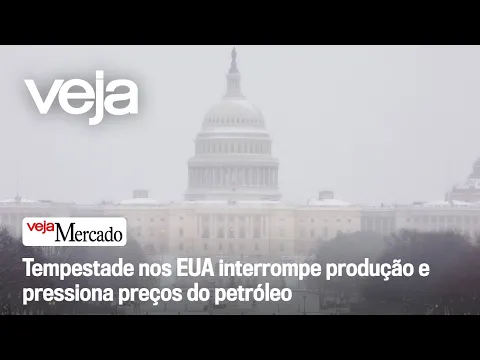
This event alone would have been enough to sustain prices. Thus, while geopolitics elevated the risk premium, the extreme weather in the U.S. provided the concrete basis for the rise in Brent.
In other words, the market was pressured from both sides.
For investors and for those watching inflation and fuel prices, the current scenario of oil can be understood in two layers.
The first is structural, slower, linked to the global balance between supply and demand, OPEC+ decisions, inventory levels, and economic growth.
The second is political and high-frequency. It encompasses headlines, military posturing, sensitive diplomatic negotiations, and even phrases published on social media.
This is precisely where Trump exerts the greatest influence. By alternating threat and retreat, he injects uncertainty, and in the oil market, uncertainty quickly turns into risk premium.
Market Now Seeks the Next Trigger
In the short term, the big question has shifted from “what will the next oil price be?” to “what will the next trigger be?”. If the United States advances into new military exercises, additional reinforcements, or ultimatums, whether against Iran or in negotiations with Venezuela, Brent is likely to incorporate more protection in its price.
This is reflected not only in the value of the barrel but also in maritime insurance, risk spreads, and the options market, even before any actual supply disruption occurs.
On the other hand, if the White House signals dialogue and reduces the noise, this risk premium can disappear as quickly as it appeared, as has happened several times throughout January.
Do you think that these tensions involving the U.S., Iran, and Venezuela will cause oil prices to soar and weigh even more on your wallet in the coming months?







Seja o primeiro a reagir!